
Tsutsujigasaki Palace
Tsutsujigasaki Palace stands as a significant historical site in Kofu, Japan, representing the fortified residence and power center of the renowned Takeda clan during the early 16th century. Founded in 1519, this estate was home to three generations of Takeda leaders: Nobutora, Shingen, and Katsuyori. Unlike typical castles of the period, Tsutsujigasaki was not a castle in the traditional sense but rather a large, heavily fortified mansion or estate that served as a political and military headquarters.
The Takeda clan reached its zenith under the leadership of Takeda Shingen, a formidable daimyo known for his strategic acumen and military prowess. Shingen's rise to power was marked by a notable revolution against his father, Nobutora, whom he forced into exile after discovering that Nobutora intended to name Shingen's brother Nobushige as heir. This bold move solidified Shingen's control over the clan and its territories.
Architectural characteristics and fortifications
Tsutsujigasaki Palace was characterized by its lowland castle design, situated on flat terrain rather than a hill or mountain, which was typical for many Japanese castles. The estate featured extensive moats, earthen walls, and multiple baileys, including the notable Nishi Kuruwa or west bailey. The moats and walls provided significant defense, although the structure lacked the towering stone keeps and multiple concentric walls seen in later Japanese castles.
The palace's layout prioritized the security and comfort of its residents, with fortified living quarters and administrative buildings. This design reflected the dual role of Tsutsujigasaki as both a residence and a military stronghold. Despite its defensive features, the complex was more akin to a fortified manor than a traditional castle, emphasizing the Takeda clan's reliance on their loyal retainers and troops rather than imposing stone fortifications.
The legacy of Takeda Shingen and military philosophy
Takeda Shingen is famously associated with the phrase, "men are your castle, men are your castle walls, men are your moats." This proverb encapsulates his belief in the importance of human resources over physical fortifications. During his reign, Shingen focused on building a strong, disciplined army and fostering loyalty among his retainers instead of constructing additional castles beyond Tsutsujigasaki.
Shingen's military strategies and governance helped the Takeda clan maintain power in the turbulent Sengoku period, a time marked by constant warfare among competing feudal lords. His emphasis on troop strength and morale over architectural grandeur was a distinctive feature of his leadership.
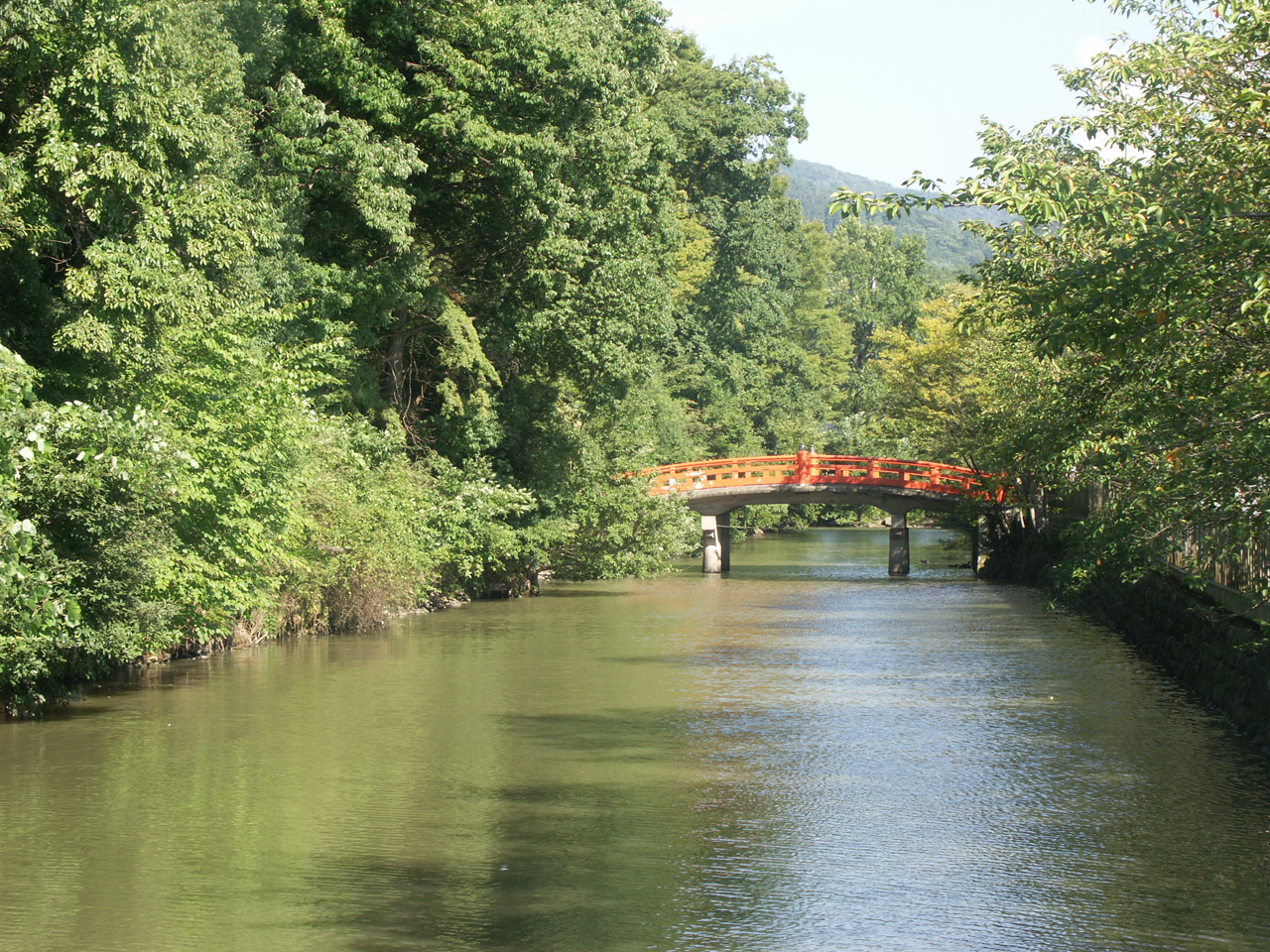
Photo by 前田左衛門佐 • Public domain
Historical context and significance
Constructed during the Renaissance period in Japan, which corresponds to the Sengoku or Warring States period, Tsutsujigasaki Palace played a crucial role in the regional power dynamics of central Japan. The Takeda clan controlled the Kai Province, with Kofu as its capital, and Tsutsujigasaki served as the administrative and military hub.
Though the estate never evolved into a full-scale castle with towering keeps or complex defensive systems, its strategic location and fortifications made it a formidable center of power. The palace witnessed numerous political and military events, including battles and alliances that shaped the history of the region.
Present condition and visitor information
Today, Tsutsujigasaki Palace exists primarily as ruins, with much of the original structures lost to time. The site is now largely occupied by the Takeda Shrine, which commemorates the legacy of the Takeda clan and especially Takeda Shingen. Visitors to Kofu often combine visits to the ruins of Tsutsujigasaki with nearby attractions such as Kofu Castle.
The grounds offer a glimpse into the Sengoku period's architectural and military practices, despite the absence of standing buildings. The moat remnants and earthworks provide tangible evidence of the estate's former defensive capabilities. The Takeda Shrine adds cultural and historical depth, serving as a place of reverence for one of Japan's most famous samurai clans.
Visiting tips
- Wear comfortable walking shoes as the site involves outdoor exploration of earthworks and moats.
- Combine your trip with a visit to Kofu Castle and the Takeda Shrine for a comprehensive understanding of the Takeda clan's history.
- Spring and autumn are ideal times to visit, offering pleasant weather and seasonal beauty.
Frequently asked questions (FAQ)
- What is Tsutsujigasaki Palace known for?
- Tsutsujigasaki Palace is known for its historical significance as the former site of the Kofu Castle, which served as a residence for the Takeda clan during Japan's feudal period. The palace features beautiful gardens and traditional Japanese architecture, making it a cultural landmark in Kofu.
- When was Tsutsujigasaki Palace built?
- The current structure of Tsutsujigasaki Palace was completed in 1974, but it is situated on the site of the original Kofu Castle, which dates back to the 16th century. The palace reflects the architectural styles of the Edo period and serves as a reminder of Japan's rich history.
- What are the opening hours for Tsutsujigasaki Palace?
- Tsutsujigasaki Palace is open to visitors from 9:00 AM to 5:00 PM daily. However, it is closed on Mondays and during certain national holidays, so it’s advisable to check the official website for the most current information before planning your visit.
- Can I access Tsutsujigasaki Palace by public transport?
- Yes, Tsutsujigasaki Palace is accessible by public transport. Visitors can take a train to Kofu Station and then use local buses or a short taxi ride to reach the palace, making it convenient for those relying on public transportation.
- Is it possible to take guided tours of Tsutsujigasaki Palace?
- Yes, guided tours are available at Tsutsujigasaki Palace, providing visitors with in-depth knowledge about its history and architecture. Tours typically last around an hour and offer a unique perspective on the palace's significance in Japanese culture.
- What is the best time to visit Tsutsujigasaki Palace?
- The best time to visit Tsutsujigasaki Palace is during the spring when the cherry blossoms are in full bloom, creating a picturesque landscape. Autumn is also a fantastic time, as the foliage turns vibrant shades of red and orange, enhancing the beauty of the gardens.
- Are there any nearby attractions to explore after visiting Tsutsujigasaki Palace?
- Yes, after visiting Tsutsujigasaki Palace, you can explore the nearby Yamanashi Prefectural Museum of Art and the scenic Kofu Castle ruins. Both attractions complement the historical experience and provide further insight into the region's cultural heritage.
- What are the ticket prices for Tsutsujigasaki Palace?
- Admission to Tsutsujigasaki Palace is typically free, allowing visitors to explore the gardens and grounds without any cost. However, certain special exhibitions or guided tours may have a nominal fee, so it's best to check ahead for the latest pricing details.
- How do I get information on special events at Tsutsujigasaki Palace?
- Information on special events at Tsutsujigasaki Palace can be found on their official website or social media pages. They often host seasonal festivals and cultural events, and subscribing to their newsletter can also keep you updated on upcoming activities.
Photo gallery

Photo by 前田左衛門佐•Public domain
Information
Website
Visit websiteSources & official resources
Verify the information above using these authoritative references.
Loading map...
Visitor reviews
No reviews yet. Been here? Write the first review and help other travelers!
Write the first reviewVisited this castle? Share your experience
Your review helps other travelers and adds first-hand knowledge to our encyclopedia.