Shinpu Castle
Shinpu Castle (新府城, Shinpu-jō) is a historically significant hirayama-style castle from Japan's Sengoku period, situated in what is today part of Nirasaki city in Yamanashi Prefecture. Constructed in the 16th century, it served as the primary fortress for the prominent warlord Takeda Katsuyori, son of the famed Takeda Shingen. Though the castle now stands in ruins, it remains a protected National Historic Site since 1973, offering valuable insights into the military architecture and turbulent history of the era.
Historical context and strategic importance
During the Sengoku period, a time marked by constant military conflict and shifting alliances, the Takeda clan was one of the most powerful forces in central Japan. Shinpu Castle was built by Takeda Katsuyori in 1581 as a replacement for the older Tsutsujigasaki Castle, reflecting a strategic shift in defense and administration. The castle's location in the Kōfu Basin area was chosen to better control the surrounding lands and to strengthen the clan's military position against rivals such as the Oda and Tokugawa clans.
Architectural features and design
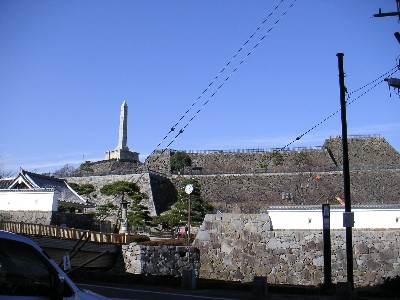
Shinpu Castle exemplified the hirayama (hilltop) style, which combined natural topography with man-made fortifications. It was constructed on a gentle hill, allowing for natural defense advantages while maintaining accessibility. The castle complex included multiple baileys (courtyards) protected by stone walls and earthen ramparts, with moats enhancing its defense. The layout was designed to accommodate both military functions and residential needs, featuring gates, watchtowers, and living quarters.
The castle's fortifications were adapted to the evolving nature of warfare in the late 16th century, including the use of firearms. While much of the original wooden structures have not survived, archaeological excavations have revealed the foundations of key buildings and the extensive defensive earthworks that once surrounded the site.
The fall of Shinpu Castle and legacy
Takeda Katsuyori's tenure at Shinpu Castle was short-lived. In 1582, the Takeda clan was overwhelmed by the combined forces of Oda Nobunaga and Tokugawa Ieyasu during the campaign that led to the clan's downfall. Shinpu Castle was abandoned after a brief siege, and Katsuyori ultimately met his demise shortly thereafter. The castle was never rebuilt and gradually fell into ruin.
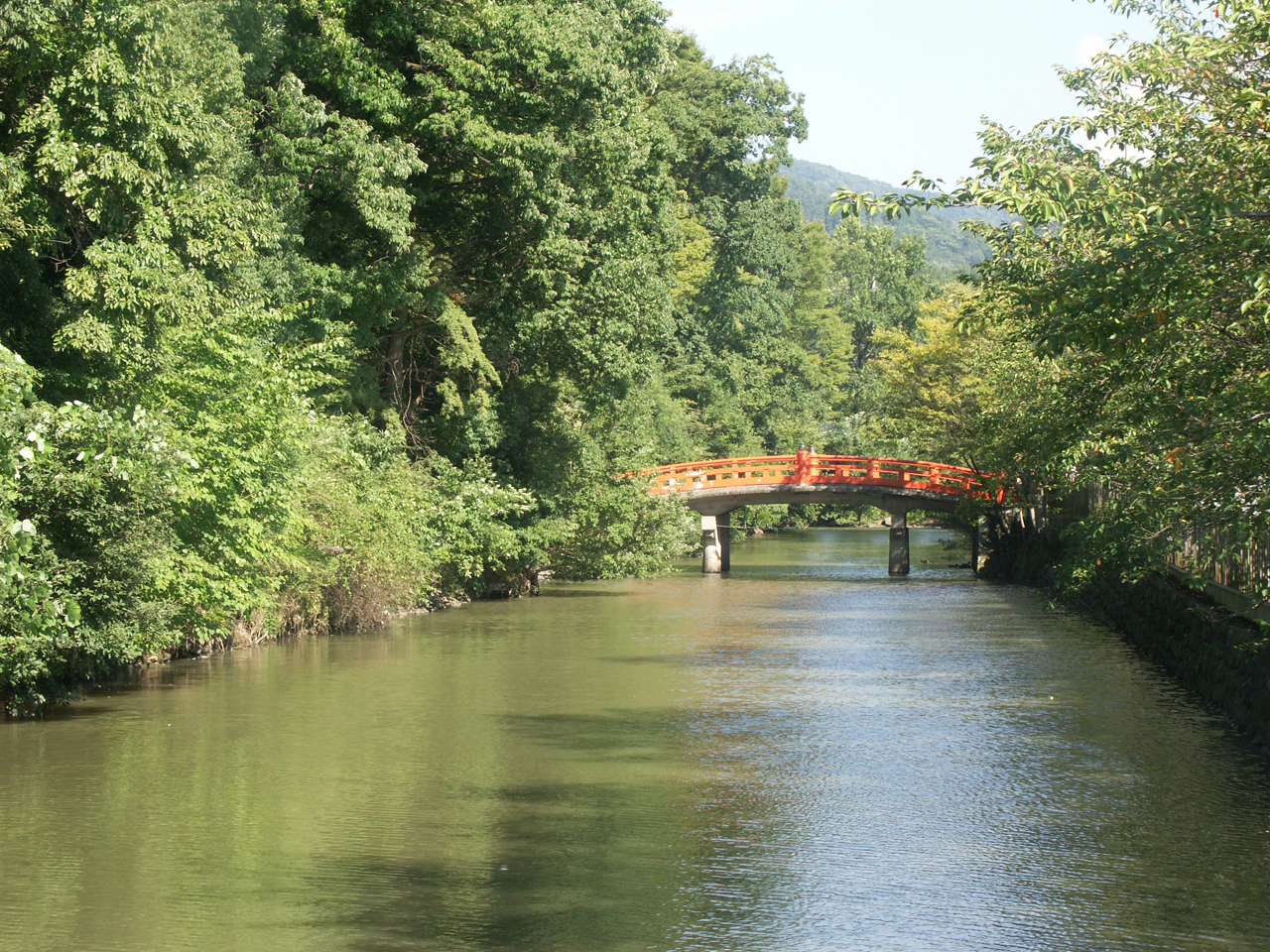
Today, the site of Shinpu Castle ruins offers visitors a glimpse into the Sengoku period's military architecture and the historical narrative of one of Japan's most famous samurai clans. The ruins include remnants of the defensive walls, moats, and earthworks, preserved as a cultural heritage site. Interpretive signs and walking paths allow exploration of the castle's layout and strategic position.
Visiting Shinpu Castle ruins
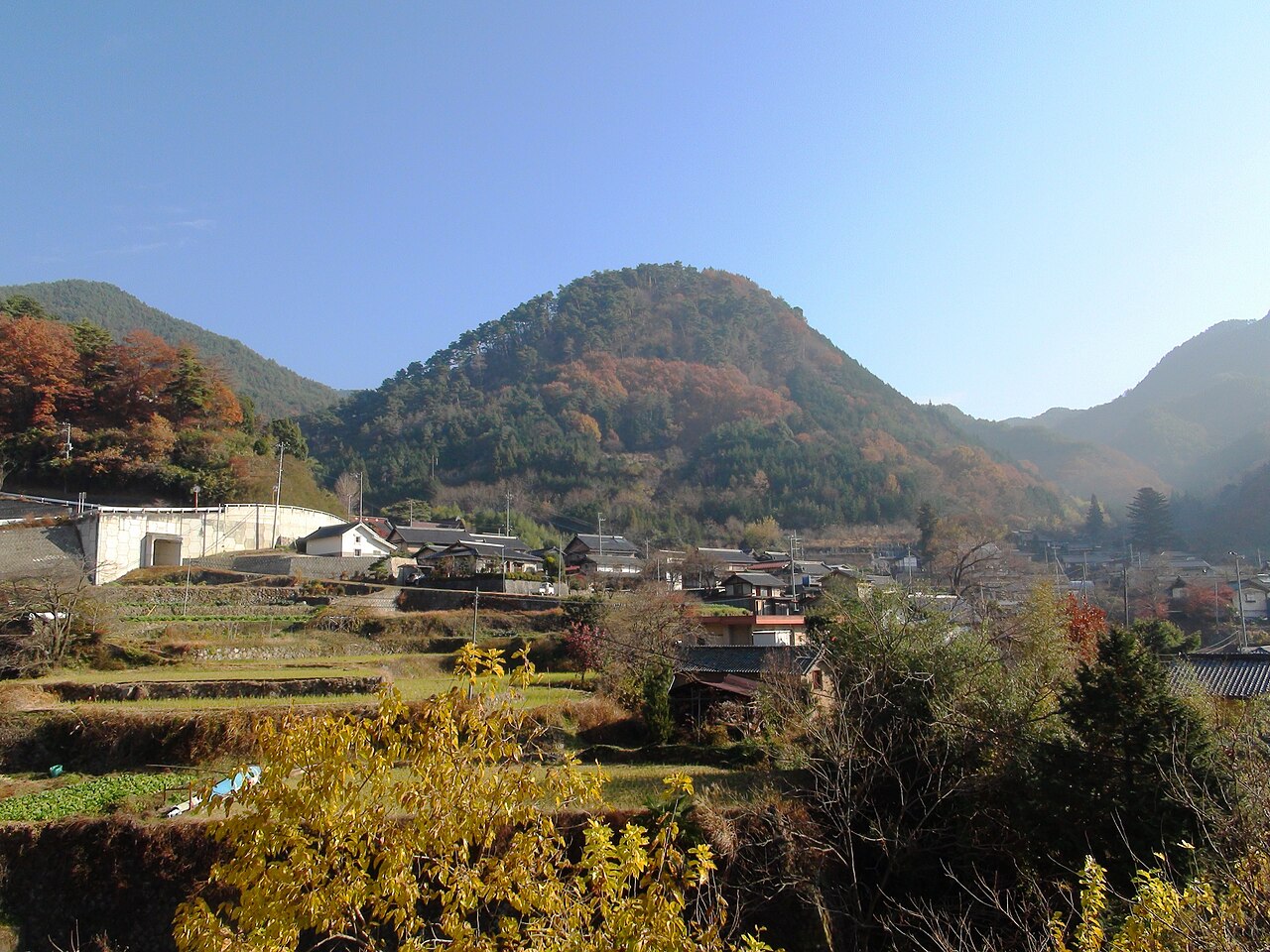
The castle ruins are accessible to the public and provide a quiet, reflective setting for those interested in Japanese history and castle architecture. Visitors can explore the site on foot, appreciating the natural landscape that once shaped the castle's defenses. The location is especially scenic during the cherry blossom season and autumn foliage, adding to its cultural and aesthetic appeal.
While there are no standing structures, the archaeological remains and the site's designation as a National Historic Site underscore its importance. Nearby museums and historical centers in Yamanashi Prefecture offer additional context about the Takeda clan and the Sengoku period.
Frequently asked questions (FAQ)
- What is the historical significance of Shinpu Castle?
- Shinpu Castle, built during the Edo period, served as a strategic military base and residence for feudal lords. Its location in Nirasaki was chosen for its defensive advantages and picturesque views, reflecting the architectural style and military needs of its time.
- When was Shinpu Castle constructed?
- Shinpu Castle was constructed in the early 17th century, specifically in 1619, under the orders of the Takeda clan. Although it has undergone various changes over the centuries, it retains many elements from its original design.
- Can I visit Shinpu Castle year-round?
- Yes, Shinpu Castle is open for visitors year-round, but the best time to visit is during the cherry blossom season in spring or the vibrant foliage of autumn. These seasons enhance the beauty of the castle's surroundings, making your visit more memorable.
- What are the opening hours for Shinpu Castle?
- Shinpu Castle typically opens at 9 AM and closes at 5 PM. Visitors are encouraged to check the official website or local tourism information for any seasonal variations or special events that may affect these hours.
- Is there an admission fee to enter Shinpu Castle?
- Yes, there is a nominal admission fee to enter Shinpu Castle, which helps with the maintenance and preservation of this historical site. The ticket prices are generally affordable, making it accessible for all visitors.
- How do I get to Shinpu Castle from Nirasaki Station?
- To reach Shinpu Castle from Nirasaki Station, you can take a local bus or enjoy a scenic 20-minute walk. The route is well-marked, and walking allows you to appreciate the beautiful landscape of the surrounding area.
- What nearby attractions should I consider visiting?
- While visiting Shinpu Castle, you can also explore the nearby Nirasaki Shrine and the beautiful Kiyosato Highland. These attractions offer a mix of cultural experiences and stunning natural scenery, rounding out your visit.
- Is Shinpu Castle accessible for visitors with disabilities?
- Shinpu Castle has made efforts to improve accessibility for all visitors, including those with disabilities. However, some areas may still present challenges due to the castle's historical architecture, so it's advisable to plan ahead and check for specific accommodations.
- Why is Shinpu Castle considered an architectural gem?
- Shinpu Castle is regarded as an architectural gem due to its unique design, which incorporates traditional Japanese castle elements with a stunning natural landscape. The craftsmanship and strategic layout reflect the ingenuity of its builders, making it a fascinating site for history and architecture enthusiasts alike.
Photo gallery

Information
Loading map...
Visitor reviews
No reviews yet. Been here? Write the first review and help other travelers!
Write the first reviewVisited this castle? Share your experience
Your review helps other travelers and adds first-hand knowledge to our encyclopedia.