Tsurugaoka Castle
Tsurugaoka Castle (鶴ヶ岡城, Tsurugaoka-jō) is a historically significant flatland-style Japanese castle located in Tsuruoka city, Yamagata Prefecture, in the Tōhoku region of northern Japan. Contrary to earlier assumptions of it being a hill castle from the high medieval period, the castle was actually constructed in the early Edo period, around the early 17th century. It served as the administrative center and residence of the Sakai clan, a prominent fudai daimyō family who governed the Shōnai Domain within Dewa Province under the Tokugawa shogunate.
Historical background and strategic importance
The castle was built following the establishment of the Tokugawa shogunate, which ushered in a period of relative peace and political stability across Japan. The Sakai clan, loyal vassals of the Tokugawa, were entrusted with the governance of the Shōnai Domain. Tsurugaoka Castle was constructed not only as a military stronghold but also as an administrative headquarters and symbol of the clan's authority in the region.
The choice of a flatland castle (hirajiro) rather than a hill castle reflects the Edo period's focus on governance and control over military defense. The castle's location in the fertile plains of Yamagata allowed the Sakai clan to oversee agricultural production and local commerce effectively.
Architectural features and layout
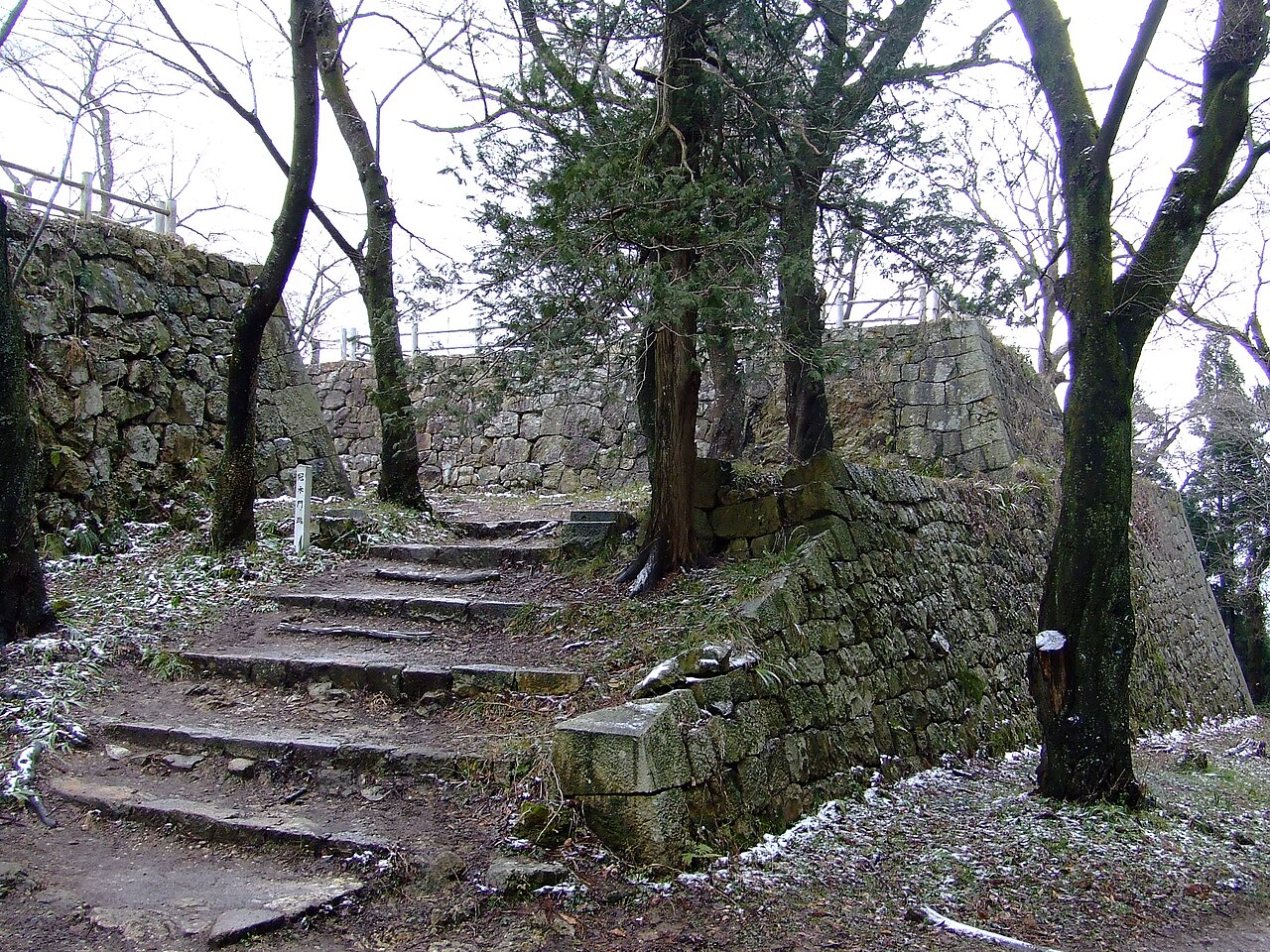
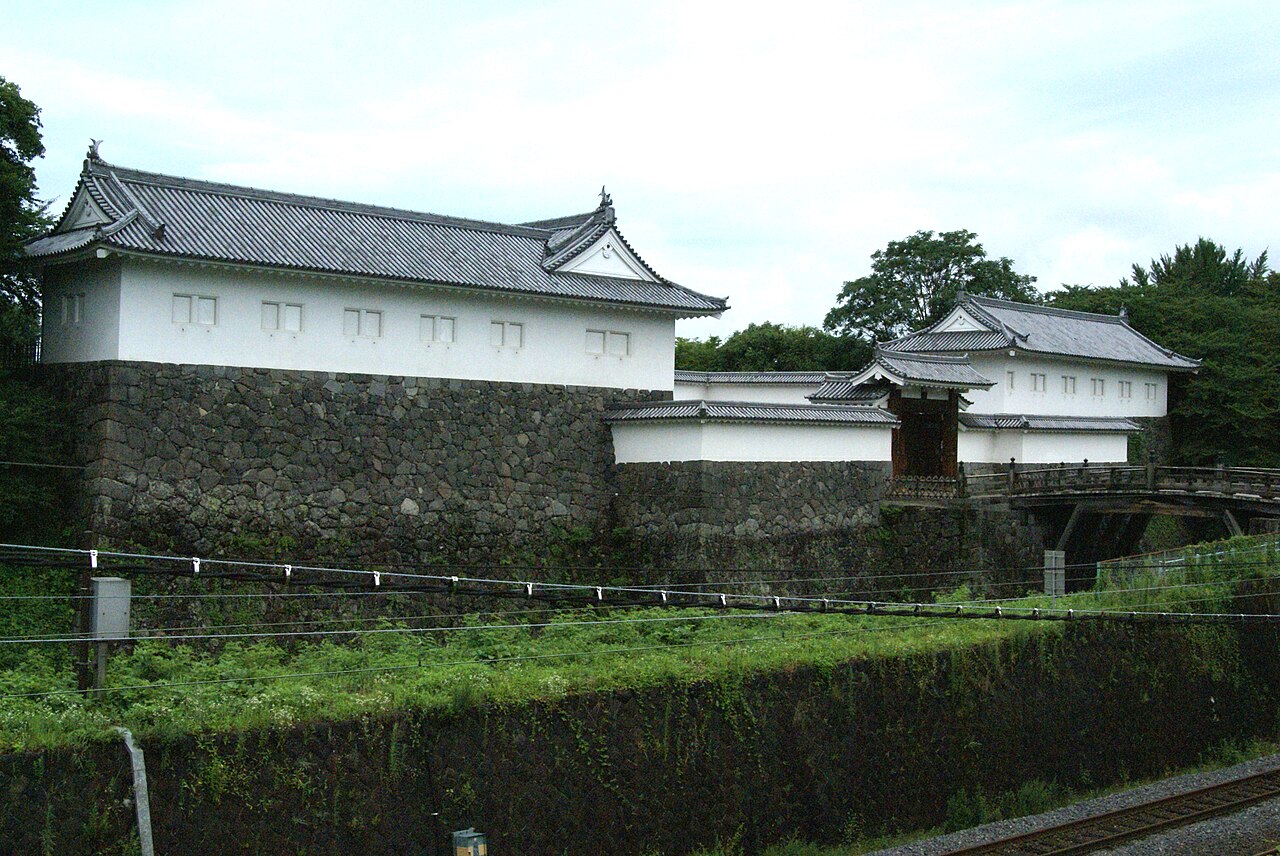
Tsurugaoka Castle exemplifies the typical characteristics of an early Edo period flatland castle. Unlike the earlier medieval hill castles that relied heavily on natural elevation for defense, this castle utilized extensive moats, earthen ramparts, and stone walls to fortify its perimeter. The castle grounds were organized into multiple baileys (kuruwa), with the main bailey housing the honmaru or central keep area.
The castle's main gate was strategically designed with defensive features such as masugata-style square-shaped courtyards to slow down attackers. The complex included residential quarters, administrative buildings, and storehouses for provisions and armaments.
While the castle did not feature a towering tenshu (main donjon) like some contemporaries, it maintained a strong defensive posture through its layered fortifications and well-planned layout.
The sakai clan and shōnai domain
The Sakai clan were hereditary vassals of the Tokugawa family, classified as fudai daimyō, which meant they were trusted retainers who had supported Tokugawa Ieyasu before the Battle of Sekigahara. Their governance of the Shōnai Domain lasted from the early Edo period until the Meiji Restoration in the late 19th century.
Under the Sakai clan's rule, the Shōnai Domain prospered economically and culturally. The castle functioned as the political heart of the domain, overseeing local administration, tax collection, and regional defense. The clan contributed to the development of the region's infrastructure, including irrigation and road networks.
Changes and preservation through time
Following the Meiji Restoration and the abolition of the feudal domain system, Tsurugaoka Castle lost its military function. Much of the castle's structures were dismantled or fell into disrepair during the modernization of Japan. However, parts of the castle grounds were preserved as historical sites and public parks.
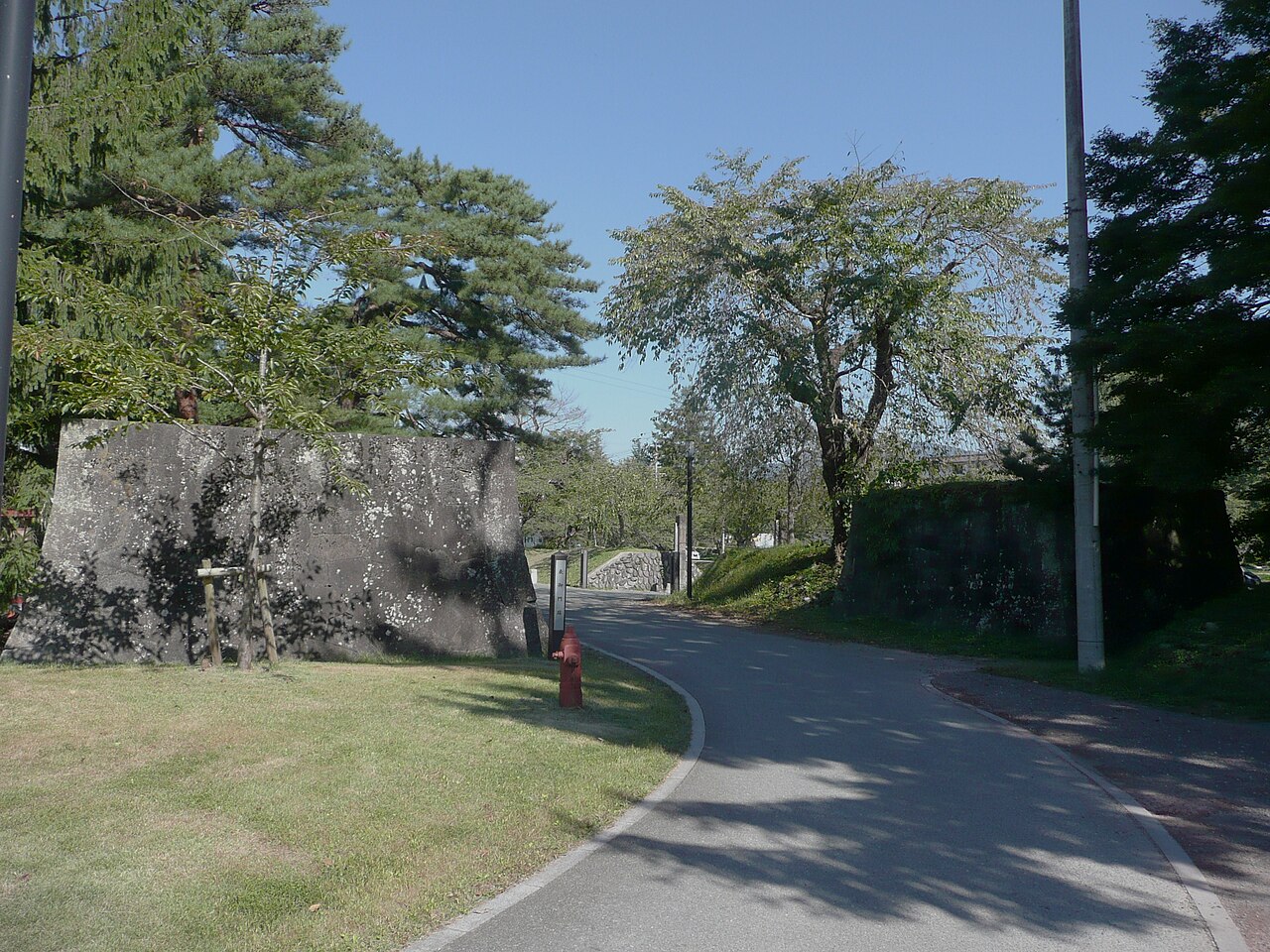
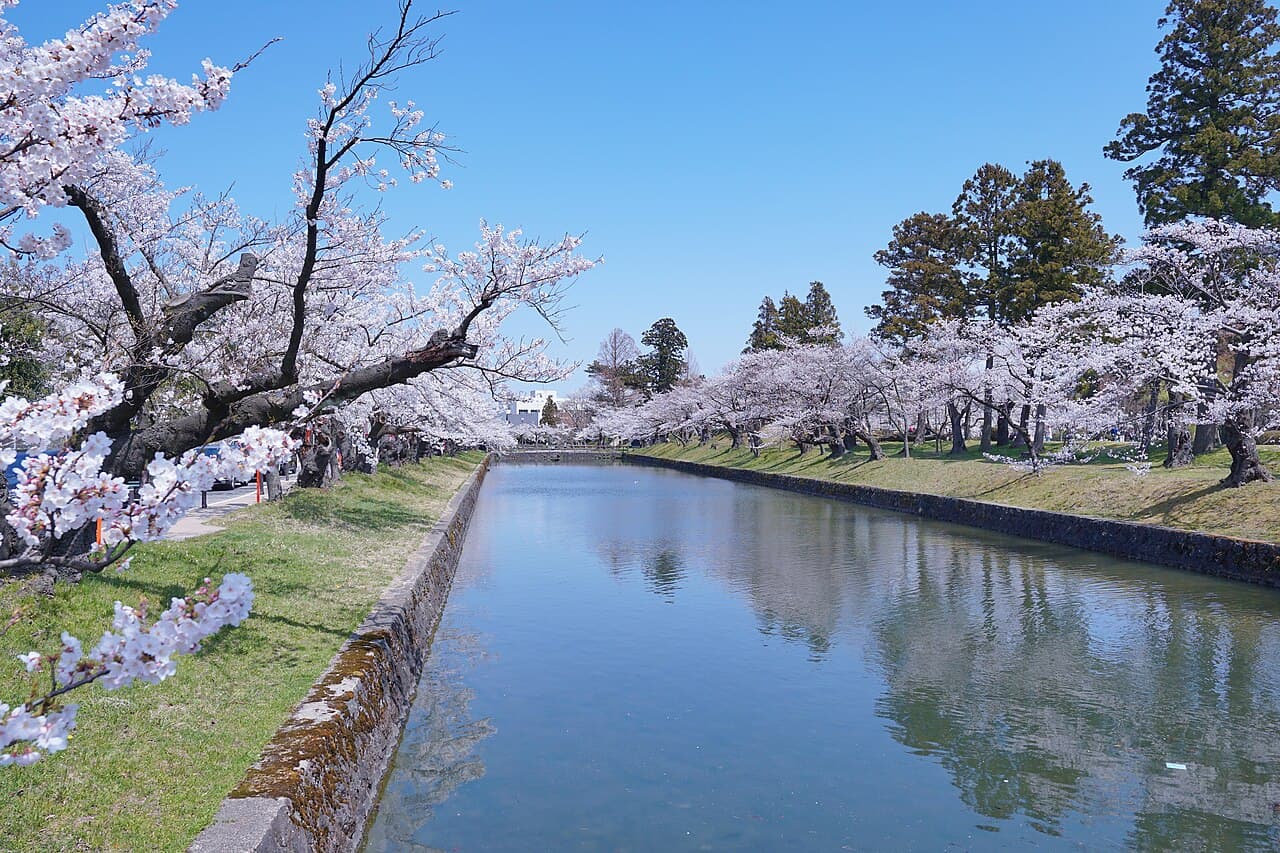
Today, the site of Tsurugaoka Castle is recognized for its cultural heritage value. Archaeological excavations and preservation efforts have highlighted the castle's layout and historical significance. Visitors to Tsuruoka can explore the remnants of the moats, earthen walls, and foundation stones that mark the castle's former presence.
Visiting tsurugaoka castle today
The castle grounds are accessible to the public and serve as a place for both historical education and leisure. The site includes walking paths that trace the original castle perimeter, with interpretive signage explaining the castle's history and architectural features.
While no original main keep remains, the preserved earthworks and moats provide insight into early Edo period castle construction and the administrative role of such castles. The location also offers scenic views of the surrounding Tsuruoka area, blending natural beauty with historical context.
Frequently asked questions (FAQ)
- How do I get to Tsurugaoka Castle?
- Tsurugaoka Castle is located in Tsuruoka, Japan, and can be easily accessed by public transportation. The nearest train station is Tsuruoka Station, from which you can take a bus or taxi to the castle grounds.
- What is the historical significance of Tsurugaoka Castle?
- Tsurugaoka Castle, originally built in 1600, played a crucial role in the region's feudal history. It served as the seat of the Sakai clan and was pivotal in the political landscape of the area during the Edo period.
- When was Tsurugaoka Castle constructed?
- Construction of Tsurugaoka Castle began in 1600 and was completed in 1602. The castle has undergone several renovations and restorations over the years, preserving its historical essence for future generations.
- Can I visit Tsurugaoka Castle year-round?
- Yes, Tsurugaoka Castle is open to visitors throughout the year, although specific events may affect accessibility. However, the best time to visit is during the cherry blossom season in spring, when the castle grounds are adorned with beautiful blooms.
- Why is Tsurugaoka Castle considered an architectural gem?
- Tsurugaoka Castle is known for its unique blend of traditional Japanese castle architecture and beautiful natural surroundings. The castle features a well-preserved main keep and impressive defensive structures that reflect the ingenuity of its builders.
- Is it possible to take a guided tour of Tsurugaoka Castle?
- Yes, guided tours of Tsurugaoka Castle are available, providing visitors with in-depth knowledge of its history and architecture. These tours are a great way to enhance your experience and ensure you don't miss any significant details.
- What are the opening hours of Tsurugaoka Castle?
- Tsurugaoka Castle is open to the public from 9:00 AM to 5:00 PM, with extended hours during peak tourist seasons. It’s advisable to check for any seasonal changes in hours before your visit.
- What are the ticket prices for visiting Tsurugaoka Castle?
- Admission to Tsurugaoka Castle is generally free, but there may be fees for accessing certain areas or special exhibitions. Always check the official website for the latest information on ticket prices and any special events.
- Are there any nearby attractions to visit around Tsurugaoka Castle?
- Nearby attractions include the Tsuruoka City Museum and the scenic Matsugasaki Park, which offers beautiful views and walking paths. These sites complement your visit to Tsurugaoka Castle and provide a deeper insight into the local history and culture.

Information
Loading map...
Visitor reviews
No reviews yet. Been here? Write the first review and help other travelers!
Write the first reviewVisited this castle? Share your experience
Your review helps other travelers and adds first-hand knowledge to our encyclopedia.