Shinjō Castle
Shinjō Castle (新庄城, Shinjō-jō) is a historic hill castle located in Shinjō city, in the northern part of Yamagata Prefecture, Japan. Constructed in the 17th century, during the early Edo period, it served as the seat of the Tozawa clan, the daimyō rulers of the Shinjō Domain. The castle is also historically known by alternate names such as "Numata-jō" (沼田城) and "Unuma-jō" (鵜沼城), reflecting its regional significance and varied historical references.
Historical background and significance
The establishment of Shinjō Castle coincided with a period of relative peace and political consolidation under the Edo shogunate. The Tozawa clan, originally from the Dewa Province, were granted control over the Shinjō Domain following the Battle of Sekigahara in 1600, a decisive conflict that shaped the political landscape of Japan. The castle became the administrative and military center for the clan's governance over the domain.
Throughout the Edo period, Shinjō Castle played a crucial role in regional administration and defense. Unlike the large-scale castles of major domains, Shinjō Castle was modest in scale but strategically positioned on a hill to oversee the surrounding landscape, which was essential for surveillance and protection.
Architectural features and layout
Shinjō Castle exemplifies typical characteristics of Japanese hill castles (yamajiro), which are built on elevated terrain to maximize defensive advantages. The castle's design includes a central honmaru (main bailey), surrounded by secondary baileys and fortified with earthen walls and moats.
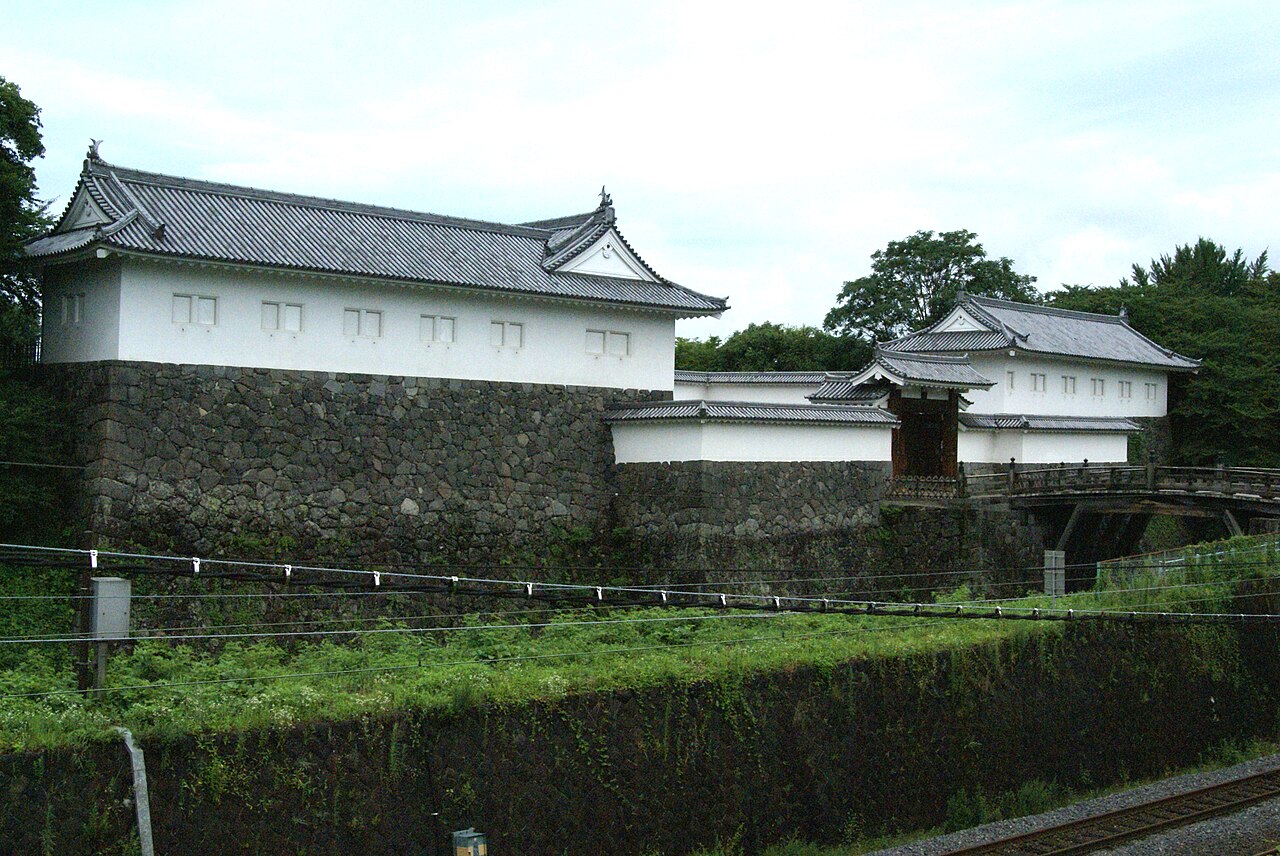
The main enclosure housed the residence of the daimyō and administrative buildings. Defensive structures included watchtowers and gates strategically placed to control access. Unlike many castles that featured large stone walls, Shinjō Castle utilized earthen ramparts and wooden palisades, which were common in the Tōhoku region due to the availability of materials and local building traditions.
The castle grounds also contained gardens and functional spaces such as storehouses and barracks, reflecting the dual role of the castle as both a military fortress and a center of governance.
Defensive structures
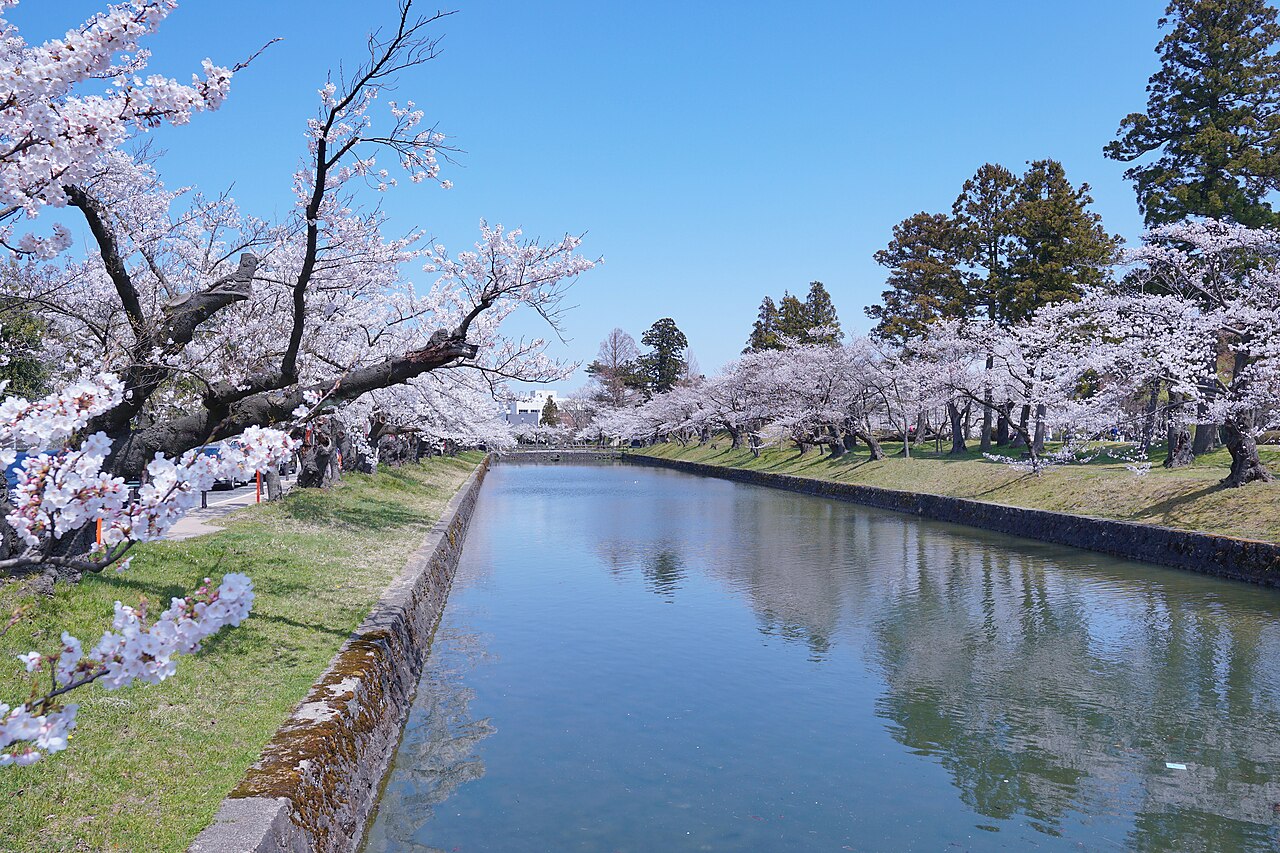
The castle's elevated position provided natural defense, complemented by man-made features. The moats around the castle were designed to impede attackers, and the layout allowed defenders to monitor approaches from multiple angles. The watchtowers were used for early warning and signaling.
Changes and fate during the Meiji Restoration
With the fall of the Tokugawa shogunate and the subsequent Meiji Restoration in the late 19th century, many castles across Japan were dismantled or repurposed as symbols of the old feudal order. Shinjō Castle was no exception. Most of its structures were demolished or fell into disrepair as the feudal domains were abolished and the land was reorganized under the new prefectural system.
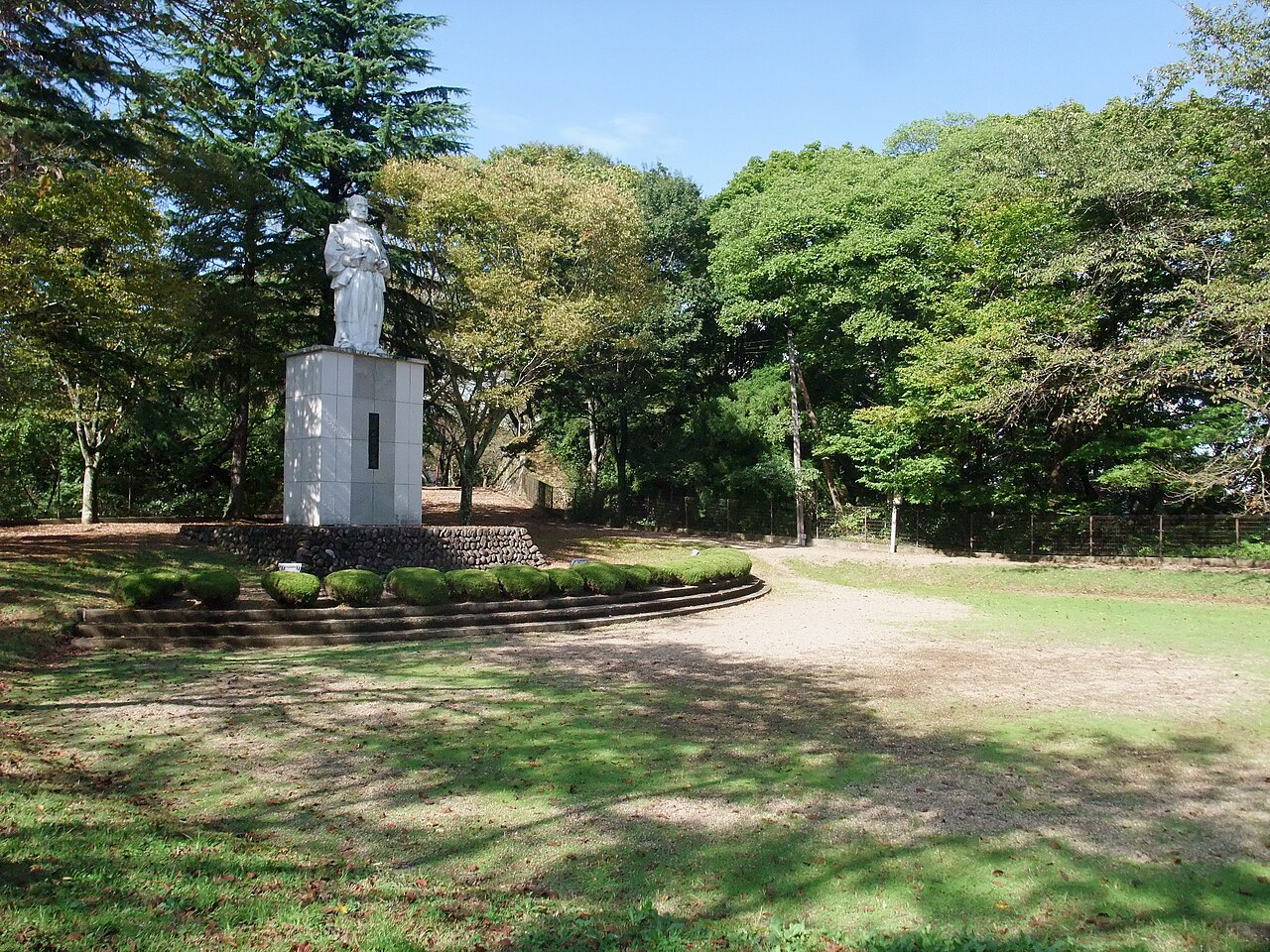
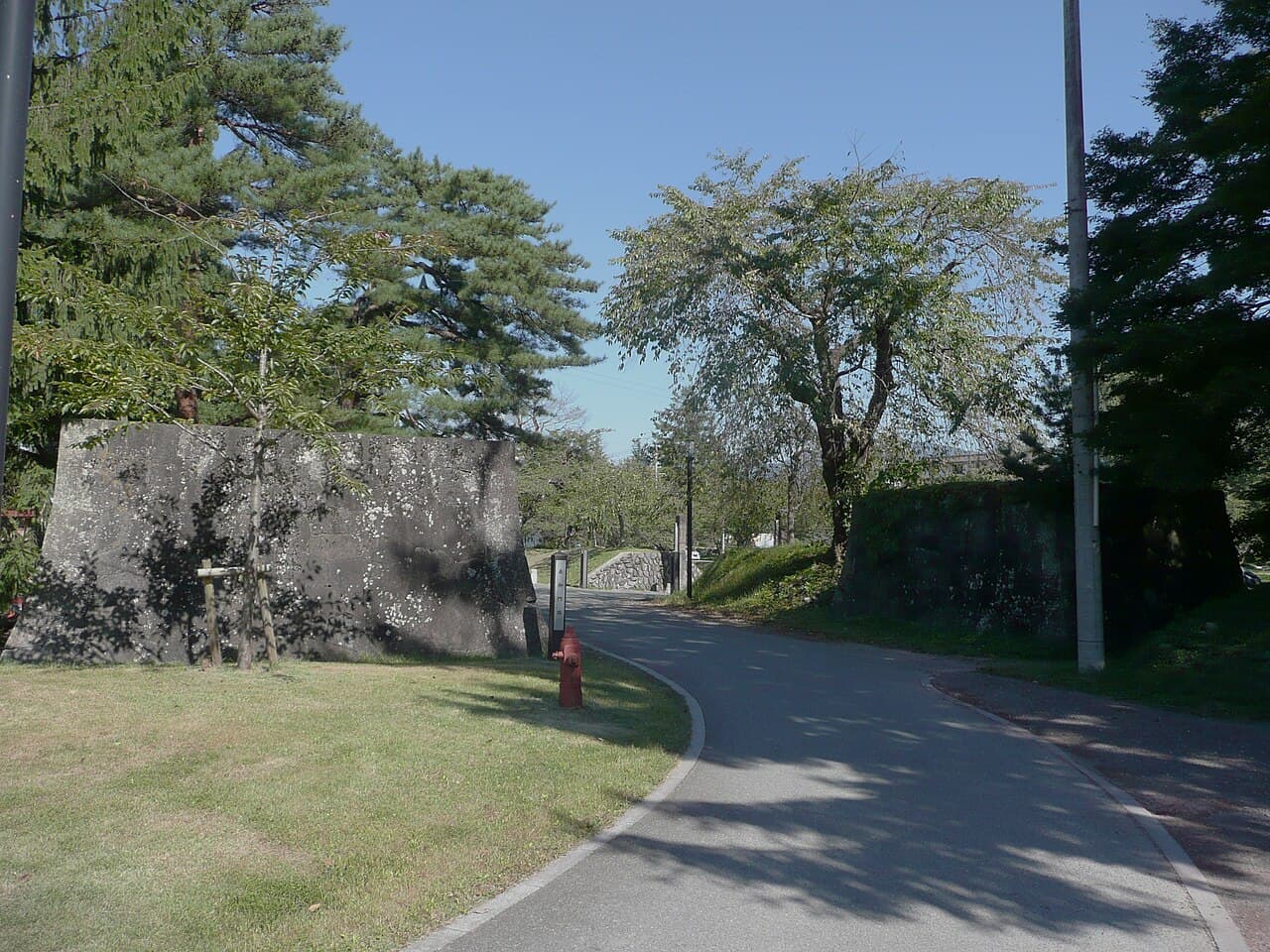
Today, only remnants of the original castle remain, including some earthworks and sections of the moat. The site has been preserved as a historic landmark, with efforts to maintain its cultural heritage and educate visitors about its historical importance.
Present-day significance and visitor information
Shinjō Castle is recognized as a cultural heritage site in Yamagata Prefecture. The castle grounds serve as a public park, where visitors can explore the preserved earthworks and enjoy views of the surrounding city and mountains. Interpretive signage provides historical context, and occasional cultural events celebrate the legacy of the Tozawa clan and the castle's role in regional history.
While the castle no longer retains its original buildings, the site offers valuable insight into Japanese castle architecture of the Edo period, especially the characteristics of hill castles in the Tōhoku region.
Access and visiting tips
Shinjō Castle is accessible from the city center of Shinjō, with nearby public transportation options. The best time to visit is during spring when cherry blossoms bloom, enhancing the scenic beauty of the castle park. Visitors are encouraged to explore the surrounding historical sites and local museums to gain a fuller understanding of the area's feudal past.
Architectural style and classification
The castle is classified as a hill castle (yamajiro), a common type in Japan where natural elevation is used for defense. Its architectural style reflects Edo period design principles rather than the Renaissance style, which is a European movement not applicable to Japanese castles.
Construction techniques emphasize earthen ramparts, wooden structures, and moats rather than stone walls and European-style fortifications. This style is typical of the Tōhoku region's castles, which adapted to local materials and terrain.
Frequently asked questions (FAQ)
- How do I get to Shinjō Castle?
- Shinjō Castle is located in Shinjō, Japan, and can be easily accessed by public transportation. The nearest train station is Shinjō Station, from which you can take a short bus ride or walk to the castle site.
- What is the historical significance of Shinjō Castle?
- Shinjō Castle was built in the early 16th century and played a crucial role during the feudal period in Japan. It served as the seat of the Shinjō clan and is a symbol of the region's rich history and heritage.
- When was Shinjō Castle originally constructed?
- Shinjō Castle was originally constructed in 1540 by the Shinjō clan. It has undergone several renovations over the years, preserving its historical architecture and significance.
- Can I explore the interior of Shinjō Castle?
- Currently, the interior of Shinjō Castle is not open to the public for exploration. However, visitors can enjoy the castle grounds and learn about its history through informational displays.
- Why is Shinjō Castle a popular tourist destination?
- Shinjō Castle is popular due to its stunning architecture and historical importance in Japan. The scenic views surrounding the castle and its well-maintained gardens also attract many visitors throughout the year.
- Is it possible to visit Shinjō Castle year-round?
- Yes, Shinjō Castle is open to visitors year-round, although some areas may be more accessible in certain seasons. The best time to visit is during the cherry blossom season in spring when the grounds are particularly picturesque.
- What are the opening hours for Shinjō Castle?
- Shinjō Castle is typically open from 9 AM to 5 PM. It's advisable to check the official website for any seasonal changes in opening hours or special events.
- What are the ticket prices for visiting Shinjō Castle?
- Admission to Shinjō Castle is generally free, allowing visitors to explore the grounds without any cost. However, there may be fees for guided tours or special exhibitions.
- What nearby attractions should I visit after Shinjō Castle?
- After visiting Shinjō Castle, you can explore the nearby Shinjō City Museum or take a stroll through the beautiful parks surrounding the castle. The area is also known for its local cuisine, which is worth trying at nearby restaurants.

Information
Loading map...
Visitor reviews
No reviews yet. Been here? Write the first review and help other travelers!
Write the first reviewVisited this castle? Share your experience
Your review helps other travelers and adds first-hand knowledge to our encyclopedia.