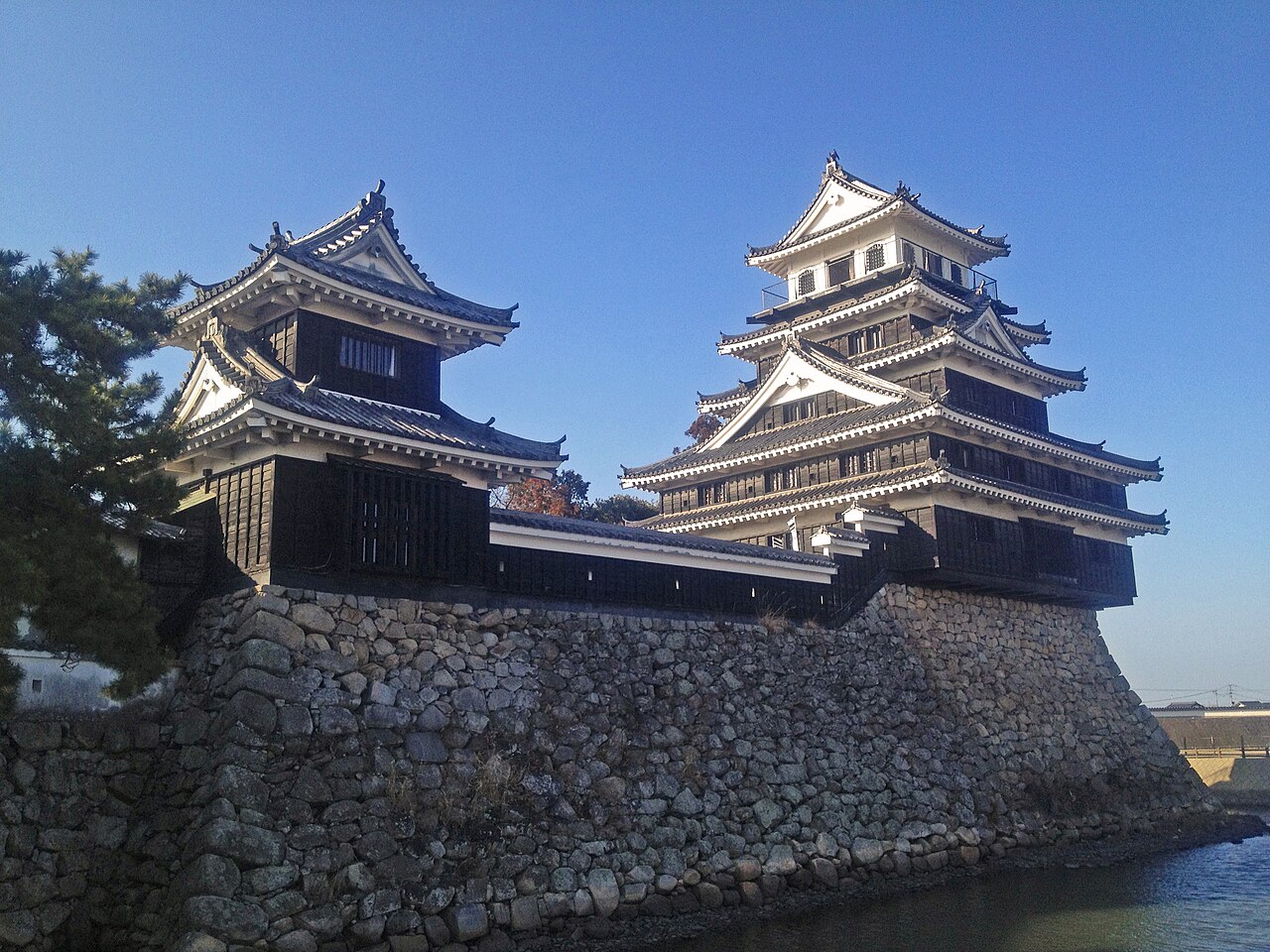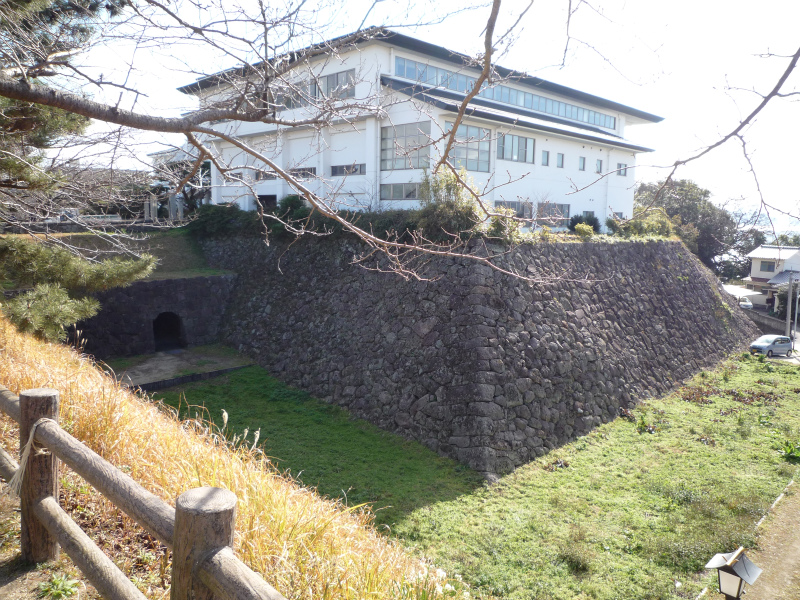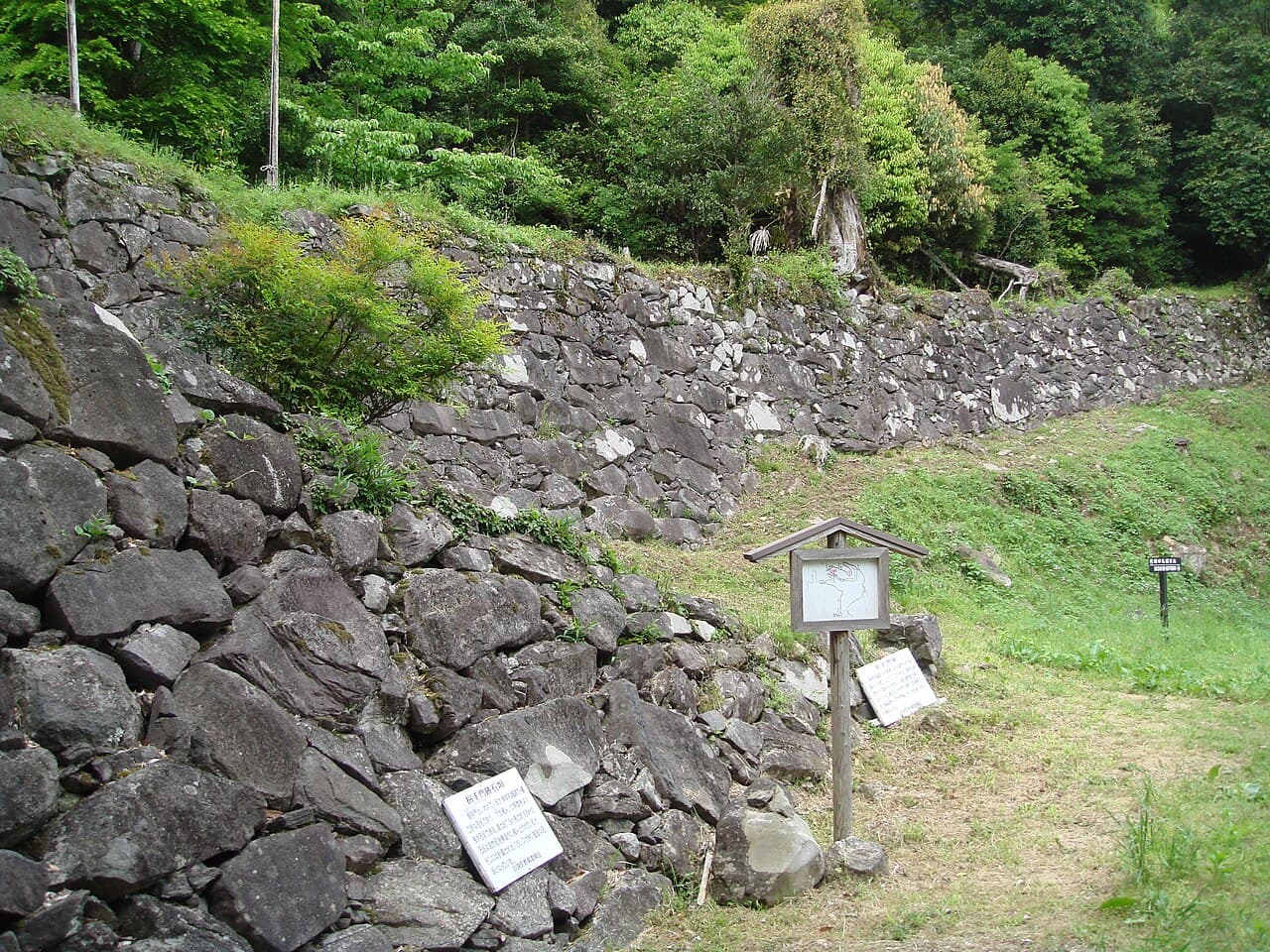
Tsunomure Castle
Tsunomure Castle (角牟礼城, Tsunomure-jō) is a notable example of a yamajiro-style or mountain castle from Japan's High Medieval period, located in the town of Kusu in Ōita Prefecture. Constructed in the 13th century, this castle was strategically built on elevated terrain, utilizing the natural mountainous landscape for defense. Though now in ruins, the site remains an important cultural and historical landmark, recognized as a National Historic Site since 2005 and listed among the Continued 100 Fine Castles of Japan.
Historical context and significance
The High Medieval period in Japan, spanning roughly from the late 12th to the 16th century, was marked by the rise of samurai clans and frequent military conflicts. Tsunomure Castle was constructed during this era, reflecting the need for fortified mountain strongholds to control local territories and protect against rival clans. Its location in Ōita Prefecture placed it within the historical province of Bungo, an area of strategic importance on the island of Kyushu.
Architectural features and layout
As a yamajiro, Tsunomure Castle was designed to take advantage of the natural topography. These mountain castles typically feature steep slopes, natural cliffs, and dense forests as part of their defensive system. The castle's ruins reveal remnants of stone walls, earthworks, and terraced enclosures that once formed the defensive baileys. Unlike flatland castles, yamajiro often had limited permanent structures, relying heavily on natural barriers and wooden fortifications.
Defensive structures
The castle's layout likely included multiple baileys (kuruwa), each fortified with earthen embankments and dry moats. The use of stone walls in some sections indicates efforts to strengthen vulnerable points. The steep terrain would have made direct assaults difficult, channeling attackers into narrow paths easily defended by the garrison.
Living quarters and facilities
While much of the wooden architecture has not survived, archaeological findings suggest the presence of basic living quarters, storage areas, and watchtowers. These structures would have been modest, reflecting the castle's primary function as a military outpost rather than a residential palace.
Preservation and cultural importance
Today, Tsunomure Castle exists as archaeological ruins, with visible remains that provide insight into medieval Japanese mountain castle construction. Its designation as a National Historic Site underscores its value in understanding regional history and feudal military architecture. The castle's inclusion in the Continued 100 Fine Castles of Japan list highlights its significance among Japan's many historic fortifications.
Visiting the site
The ruins are accessible to the public, offering visitors a chance to explore the natural setting and imagine the castle's former strategic role. The site is often appreciated for its scenic views and the peaceful atmosphere typical of mountain castles. Interpretive signage helps contextualize the remains, though no extensive reconstruction has been undertaken.
Legacy and influence
Tsunomure Castle represents the typical defensive strategies employed in Japan's mountainous regions during the High Medieval period. Its ruins contribute to the broader understanding of yamajiro architecture and the military history of Kyushu. The castle's historical narrative reflects the turbulent era of samurai warfare and territorial control that shaped much of Japan's feudal past.
Frequently asked questions (FAQ)
- What is the historical significance of Tsunomure Castle?
- Tsunomure Castle, built in the early 17th century, served as a strategic stronghold during the Edo period. It played a crucial role in the regional power struggles and reflects the architectural style of Japanese castles from that era, making it an important site for understanding Japan's feudal history.
- When is the best time to visit Tsunomure Castle?
- The best time to visit Tsunomure Castle is during the spring months when cherry blossoms bloom, creating a picturesque setting. Additionally, autumn offers stunning foliage, making both seasons ideal for photography and enjoying the natural beauty surrounding the castle.
- Is it possible to access Tsunomure Castle by public transportation?
- Yes, Tsunomure Castle is accessible by public transportation. Visitors can take a train to the nearest station and then utilize local buses or taxis to reach the castle, making it convenient for those without a personal vehicle.
- What are the opening hours for Tsunomure Castle?
- Tsunomure Castle is typically open to visitors from 9 AM to 5 PM, with extended hours during peak tourist seasons. It is recommended to check ahead for any changes in hours, especially around national holidays.
- Can I purchase tickets in advance for Tsunomure Castle?
- Yes, tickets for Tsunomure Castle can be purchased in advance through its official website or at local tourism offices. Buying tickets ahead of time is advisable, especially during peak tourist seasons, to avoid long queues.
- What nearby attractions can I visit while at Tsunomure Castle?
- While visiting Tsunomure Castle, you can explore the beautiful surrounding gardens, which offer a serene atmosphere. Additionally, nearby historical sites and museums provide insights into the local culture and history, making it a great area for a full day of exploration.
- How do I get information about accessibility options at Tsunomure Castle?
- Information regarding accessibility options at Tsunomure Castle can be found on their official website or by contacting their visitor services. The site strives to accommodate all visitors, including those with mobility challenges, to ensure everyone can enjoy the historical site.
Photo gallery

Information
Loading map...
Visitor reviews
No reviews yet. Been here? Write the first review and help other travelers!
Write the first reviewVisited this castle? Share your experience
Your review helps other travelers and adds first-hand knowledge to our encyclopedia.