Hiji Castle
Hiji Castle (日出城, Hiji-jō), also referred to as Yōkoku Castle, Aoyagi Castle, and Ukitsu Castle, is a historic hill castle located in Hiji, Ōita Prefecture, Japan. Constructed in the early 17th century, specifically beginning in 1601, the castle was commissioned by Kinoshita Nobutoshi following his transfer from Himeji. The design was entrusted to Hosokawa Tadaoki, Nobutoshi's brother-in-law, a notable figure in castle architecture and military strategy of the period.
Strategic location and defensive features
Built on a prominent hill overlooking Beppu Bay, Hiji Castle occupied a commanding position that allowed surveillance over maritime routes and nearby land approaches. The castle's elevated location classified it as a hill castle, a common defensive strategy in Japan to maximize natural terrain advantages. The site utilized steep slopes and natural barriers to enhance its fortifications.
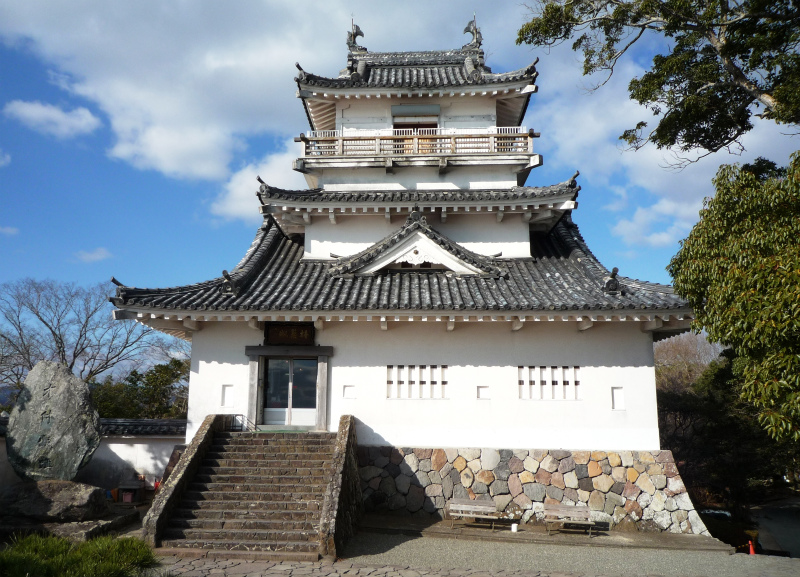
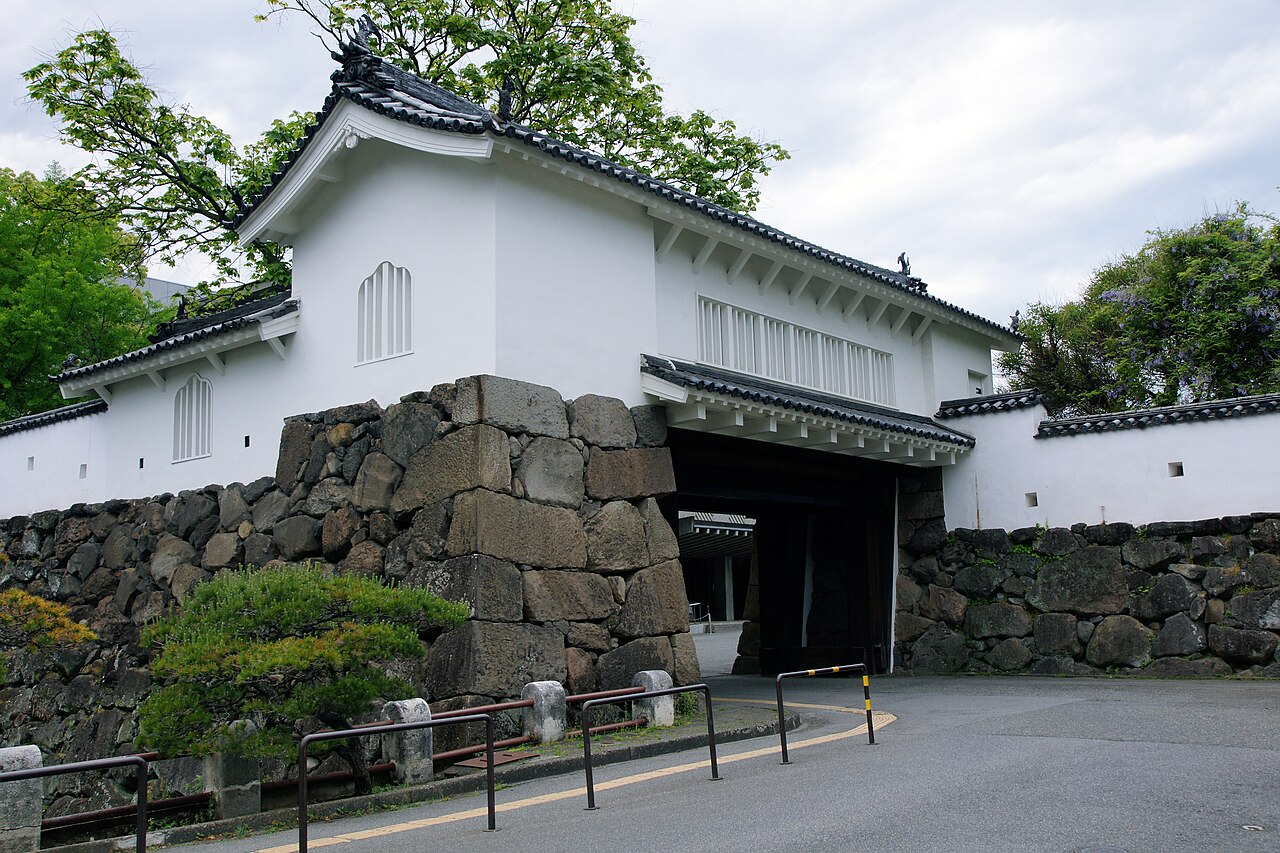
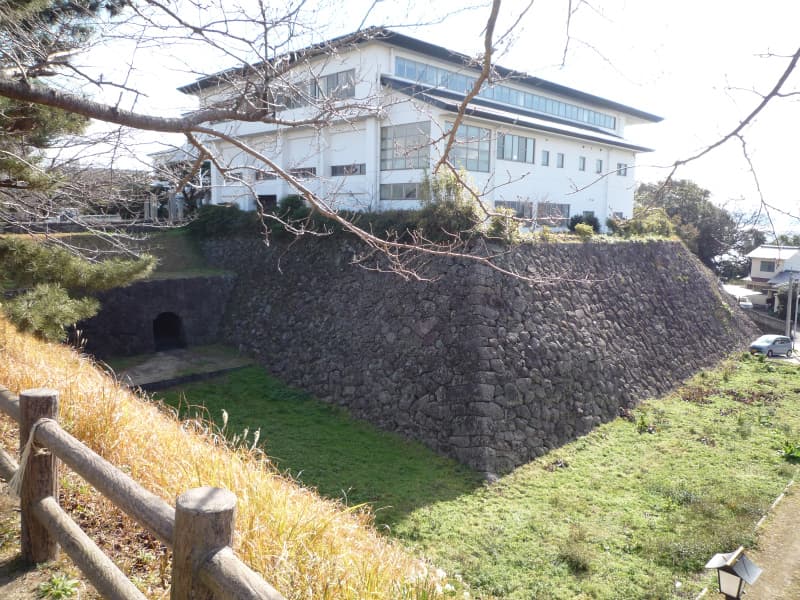
The castle complex included stone walls (ishigaki), which remain today as some of the most significant surviving features. These walls were constructed using traditional Japanese masonry techniques, designed to resist both siege weaponry and natural erosion. The castle also featured a sumi yagura (corner turret), which served as a lookout and defensive tower, still standing as a testament to the castle's original structure.
Architectural design and construction
Hosokawa Tadaoki, the architect and military commander, integrated contemporary castle-building techniques of the early Edo period. The design balanced defensive needs with residential and administrative functions. The castle's layout included multiple baileys (courtyards) connected by gates and walls, designed to slow and channel attackers.
While the main keep (tenshu) no longer survives, historical records indicate it was modest in scale compared to larger castles but sufficient for the regional lord's requirements. The castle's architecture reflected the transition from the chaotic Sengoku period to the more stable Edo period, emphasizing both defense and governance.
Historical context and significance
Hiji Castle was built during the early Edo period, a time when Japan was consolidating under the Tokugawa shogunate. The castle served as the administrative center for the Hiji Domain, controlling local governance and defense. Its construction signaled the importance of the region and the trust placed in Kinoshita Nobutoshi by the shogunate.
The castle's strategic position overlooking Beppu Bay also made it significant for monitoring maritime activity and protecting the coastline. Over time, the castle witnessed the transition of power and the eventual abolition of feudal domains in the Meiji era.
Decline and current status
Following the abolition of the Hiji Domain during the Meiji Restoration, the castle was dismantled as part of the national policy to reduce feudal military power. Today, the site is preserved as a castle ruin, with only the stone walls and the sumi yagura remaining intact.
The grounds have been converted into a public park, offering visitors a glimpse into Japan's feudal past and the architectural legacy of the early Edo period. Part of the castle site now accommodates Hiji Elementary School, integrating the historical site into the community's daily life.
Visiting hiji castle today
Visitors to Hiji Castle can explore the extensive stone walls and the surviving sumi yagura, which provide insight into the castle's defensive design. The park setting allows for leisurely walks and panoramic views of Beppu Bay and the surrounding landscape.
The castle ruins are an important cultural heritage site in Ōita Prefecture, attracting history enthusiasts and those interested in Japanese castle architecture. Interpretive signage and local guides often provide context about the castle's history and architectural features.
Frequently asked questions (FAQ)
- When was Hiji Castle built and by whom?
- Hiji Castle was constructed beginning in 1601 under the orders of Kinoshita Nobutoshi, with design by Hosokawa Tadaoki.
- What remains of Hiji Castle today?
- Today, only the stone walls and the sumi yagura (corner turret) survive, with the site preserved as a castle ruin and public park.
- Why was Hiji Castle strategically important?
- Its location on a hill overlooking Beppu Bay allowed control over maritime routes and provided a defensive advantage against attackers.
- Can visitors access the castle grounds?
- Yes, the castle ruins are open to the public as a park, with walking paths and views of Beppu Bay, making it accessible for visitors.
- Is there any modern use of the castle site?
- Part of the castle grounds is occupied by Hiji Elementary School, integrating the historic site into the local community.
Photo gallery

Information
Current owner
Municipality
Loading map...
Visitor reviews
No reviews yet. Been here? Write the first review and help other travelers!
Write the first reviewVisited this castle? Share your experience
Your review helps other travelers and adds first-hand knowledge to our encyclopedia.