Nakatsu Castle — Japan castle

Nakatsu Castle

Nakatsu Castle: historic hill castle on Japan's coast
Nakatsu, Japan
Renaissance (15th–17th c.)
Restored

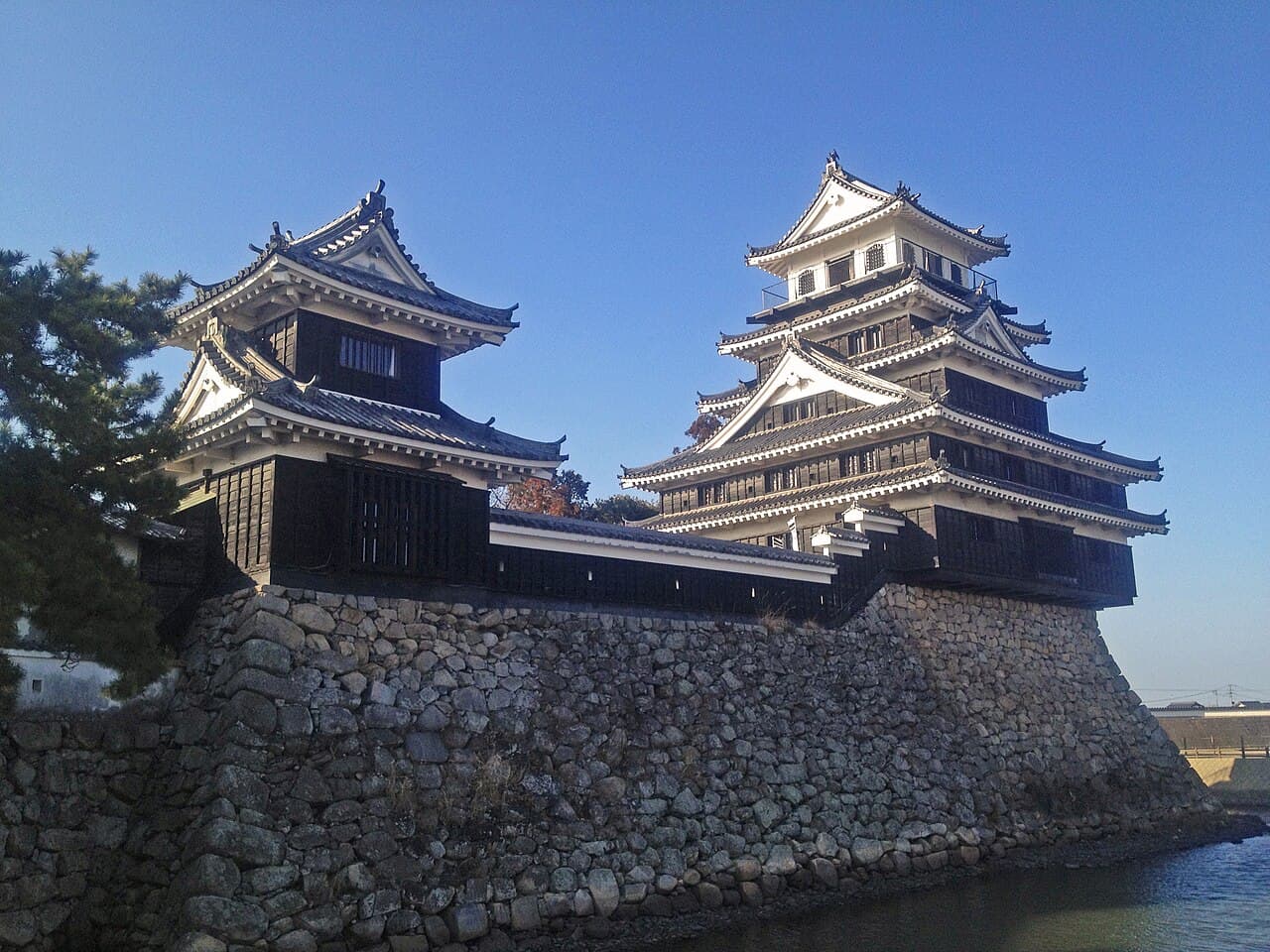
Nakatsu Castle (中津城, Nakatsu-jō) is a notable Japanese hill castle located in the city of Nakatsu within Ōita Prefecture on the island of Kyushu. Constructed in the 16th century during Japan's Renaissance period, this castle is renowned as one of the three famous mizujiro or "castles on the sea," alongside Takamatsu Castle in Kagawa Prefecture and Imabari Castle in Ehime Prefecture. Its coastal position uniquely integrates natural water defenses, a rare feature among Japanese castles.

Historical background and significance

The castle was originally built by Kuroda Yoshitaka (also known as Kuroda Kanbei), a prominent daimyo and military strategist of the late Sengoku period. The construction of Nakatsu Castle began around the 1580s, a time when Japan was experiencing significant political upheaval and consolidation under powerful warlords. The castle served as a strategic stronghold controlling maritime routes and local trade along the Seto Inland Sea and the Bungo Channel.

Throughout its history, Nakatsu Castle played a role in regional conflicts and governance. Its location on the coast allowed it to monitor naval activity and provided a defensive advantage against potential invaders approaching by sea. The castle was also a symbol of the Kuroda clan's power and influence in northern Kyushu.

Architectural features and design

Nakatsu Castle exemplifies the hill castle type, built on elevated terrain near the coast to maximize defensive capabilities and visibility. The castle complex originally included multiple baileys, stone walls, moats filled with seawater, and watchtowers that overlooked both land and sea approaches.

One of the defining characteristics of Nakatsu Castle is its integration with the surrounding natural environment. The castle's moats connected directly to the sea, allowing ships to dock within the castle grounds, which was unusual for Japanese castles of the period. This feature facilitated both defense and commerce.

The main keep (tenshu) of Nakatsu Castle was a multi-storied structure typical of the late 16th century, combining both military functionality and aesthetic elements. Although the original keep was destroyed in the late 19th century, the current reconstructed keep reflects the castle's historic appearance and serves as a museum.

Castle layout and defensive structures

The castle's layout was designed with concentric defensive layers, including stone walls and moats that leveraged the natural terrain. The inner bailey housed the main keep and residential quarters, while outer baileys contained administrative buildings and barracks.

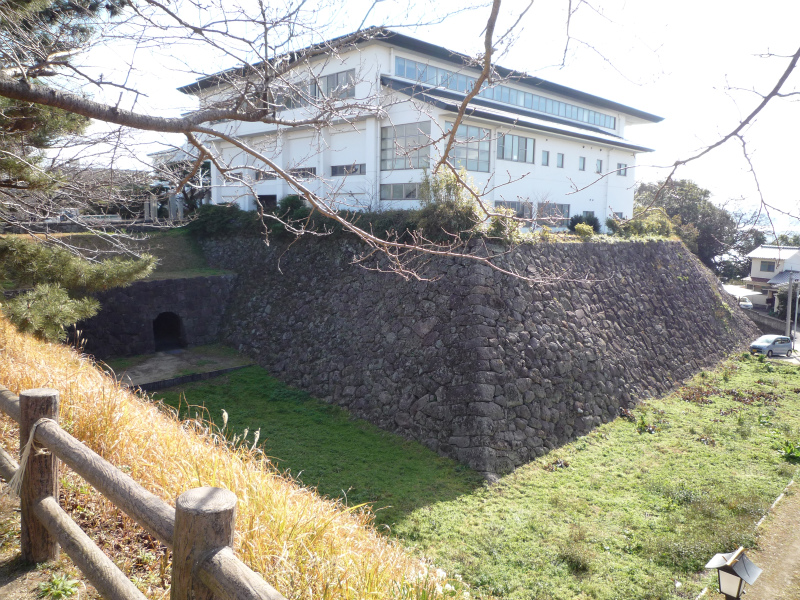
The use of seawater moats was a strategic innovation that enhanced the castle's defenses against siege warfare. The walls were constructed with large stones fitted tightly together, a technique known as ishigaki, which provided resilience against attacks and natural erosion.

Cultural and heritage importance

Today, Nakatsu Castle is recognized as an important cultural asset in Ōita Prefecture. It attracts visitors interested in Japanese history, samurai culture, and castle architecture. The castle grounds include reconstructed buildings, gardens, and a museum that displays artifacts related to the castle's history and the Kuroda clan.

The castle's designation as one of Japan's three "castles on the sea" highlights its unique maritime architectural heritage. This status emphasizes the castle's role not only as a military fortification but also as a hub of regional maritime activity during the late medieval period.

Modern preservation and tourism

Nakatsu Castle has undergone restoration efforts to preserve its historic structures and enhance visitor experience. The reconstructed main keep serves as a focal point for educational programs and cultural events. The castle park surrounding the structure offers scenic views of the coastline and is a popular spot during cherry blossom season.

Visitors can explore the castle grounds year-round, with guided tours available to provide in-depth historical context. The site is accessible from Nakatsu city center and is integrated into local tourism routes that include other historic sites in Ōita Prefecture.

Frequently asked questions (FAQ)

How do I get to Nakatsu Castle?
Nakatsu Castle is located in Nakatsu City, Japan, and can be easily accessed by public transportation. Visitors can take a train to Nakatsu Station and then a short bus or taxi ride to the castle grounds.
What is the historical significance of Nakatsu Castle?
Nakatsu Castle, originally built in the early 17th century, served as a strategic fortress during Japan's feudal period. It played a crucial role in regional governance and military defense, reflecting the power of the Oka clan.
When was Nakatsu Castle constructed?
The construction of Nakatsu Castle began in 1602 and was completed in 1608. It has undergone several renovations and restorations since its original completion, preserving its historical architecture.
Can I explore the interiors of Nakatsu Castle?
Yes, visitors can explore the interiors of Nakatsu Castle, which houses a museum showcasing artifacts and exhibits related to its history. The castle's design allows guests to appreciate its architectural features and learn about its significance.
Why is Nakatsu Castle known for its unique architecture?
Nakatsu Castle is known for its distinctive architectural style that blends traditional Japanese elements with Western influences. The castle features a unique stone wall and a multi-tiered roof, showcasing the craftsmanship of its era.
Is it possible to visit Nakatsu Castle year-round?
Yes, Nakatsu Castle is open to visitors throughout the year. However, it's advisable to check for any seasonal events or maintenance closures that may affect access.
What are the opening hours for Nakatsu Castle?
Nakatsu Castle is typically open from 9:00 AM to 5:00 PM, but these hours may vary depending on the season or specific events. It's best to check the official website or local tourism information for the most accurate opening times.
What is the best time to visit Nakatsu Castle?
The best time to visit Nakatsu Castle is during spring when cherry blossoms bloom, creating a picturesque setting. Autumn is also a popular time, as the foliage changes color, enhancing the castle's beauty.
Are there any nearby attractions to visit while at Nakatsu Castle?
Yes, visitors can explore other attractions nearby, such as the Nakatsu City Historical Museum and the scenic Nakatsu Bay. These sites complement the historical experience of the castle and provide additional insight into the region's culture.
What are the ticket prices for Nakatsu Castle?
Entrance to Nakatsu Castle is generally affordable, with ticket prices around 500 yen for adults and discounts available for children and groups. It's advisable to check for any special promotions or combined tickets with nearby attractions.

Photo gallery

Nakatsu Castle
Click to view

Photo by Mukai•CC BY-SA 3.0

1 photo • Click any image to view in full screen

Information

Hill Castle

Loading map...

Visitor reviews

No reviews yet. Been here? Write the first review and help other travelers!

Write the first review

Visited this castle? Share your experience

Your review helps other travelers and adds first-hand knowledge to our encyclopedia.
Write a review

(5/5)

0/2000 characters

Your review will be visible after admin approval

Nearby castles

33.2 km
Tsunomure Castle — Japan castle

Tsunomure Castle

, Japan

Tsunomure Castle (角牟礼城, Tsunomure-jō) is a notable example of a yamajiro-style or mountain castle from Japan's High Medieval period, located in the town of Kusu in Ōita Prefecture. Constructed in the 13th century, this castle was strategically built on elevated terrain, utilizing the natural mountainous landscape for defense. Though now in ruins, the site remains an important cultural and historical landmark, recognized as a National Historic Site since 2005 and listed among the Continued 100 Fine Castles of Japan. Historical context and significance The High Medieval period in Japan, spanning roughly from the late 12th to the 16th century, was marked by the rise of samurai clans and frequent military conflicts. Tsunomure Castle was constructed during this era, reflecting the need for fortified mountain strongholds to control local territories and protect against rival clans. Its location in Ōita Prefecture placed it within the historical province of Bungo, an area of strategic importance on the island of Kyushu. Architectural features and layout As a yamajiro, Tsunomure Castle was designed to take advantage of the natural topography. These mountain castles typically feature steep slopes, natural cliffs, and dense forests as part of their defensive system. The castle's ruins reveal remnants of stone walls, earthworks, and terraced enclosures that once formed the defensive baileys. Unlike flatland castles, yamajiro often had limited permanent structures, relying heavily on natural barriers and wooden fortifications. Defensive structures The castle's layout likely included multiple baileys (kuruwa), each fortified with earthen embankments and dry moats. The use of stone walls in some sections indicates efforts to strengthen vulnerable points. The steep terrain would have made direct assaults difficult, channeling attackers into narrow paths easily defended by the garrison. Living quarters and facilities While much of the wooden architecture has not survived, archaeological findings suggest the presence of basic living quarters, storage areas, and watchtowers. These structures would have been modest, reflecting the castle's primary function as a military outpost rather than a residential palace. Preservation and cultural importance Today, Tsunomure Castle exists as archaeological ruins, with visible remains that provide insight into medieval Japanese mountain castle construction. Its designation as a National Historic Site underscores its value in understanding regional history and feudal military architecture. The castle's inclusion in the Continued 100 Fine Castles of Japan list highlights its significance among Japan's many historic fortifications. Visiting the site The ruins are accessible to the public, offering visitors a chance to explore the natural setting and imagine the castle's former strategic role. The site is often appreciated for its scenic views and the peaceful atmosphere typical of mountain castles. Interpretive signage helps contextualize the remains, though no extensive reconstruction has been undertaken. Legacy and influence Tsunomure Castle represents the typical defensive strategies employed in Japan's mountainous regions during the High Medieval period. Its ruins contribute to the broader understanding of yamajiro architecture and the military history of Kyushu. The castle's historical narrative reflects the turbulent era of samurai warfare and territorial control that shaped much of Japan's feudal past.

High Medieval (11th–13th c.)
Details
41.7 km
Hiji Castle — Japan castle

Hiji Castle

Hiji, Japan

Hiji Castle (日出城, Hiji-jō), also referred to as Yōkoku Castle, Aoyagi Castle, and Ukitsu Castle, is a historic hill castle located in Hiji, Ōita Prefecture, Japan. Constructed in the early 17th century, specifically beginning in 1601, the castle was commissioned by Kinoshita Nobutoshi following his transfer from Himeji. The design was entrusted to Hosokawa Tadaoki, Nobutoshi's brother-in-law, a notable figure in castle architecture and military strategy of the period.Strategic location and defensive featuresBuilt on a prominent hill overlooking Beppu Bay, Hiji Castle occupied a commanding position that allowed surveillance over maritime routes and nearby land approaches. The castle's elevated location classified it as a hill castle, a common defensive strategy in Japan to maximize natural terrain advantages. The site utilized steep slopes and natural barriers to enhance its fortifications.The castle complex included stone walls (ishigaki), which remain today as some of the most significant surviving features. These walls were constructed using traditional Japanese masonry techniques, designed to resist both siege weaponry and natural erosion. The castle also featured a sumi yagura (corner turret), which served as a lookout and defensive tower, still standing as a testament to the castle's original structure.Architectural design and constructionHosokawa Tadaoki, the architect and military commander, integrated contemporary castle-building techniques of the early Edo period. The design balanced defensive needs with residential and administrative functions. The castle's layout included multiple baileys (courtyards) connected by gates and walls, designed to slow and channel attackers.While the main keep (tenshu) no longer survives, historical records indicate it was modest in scale compared to larger castles but sufficient for the regional lord's requirements. The castle's architecture reflected the transition from the chaotic Sengoku period to the more stable Edo period, emphasizing both defense and governance.Historical context and significanceHiji Castle was built during the early Edo period, a time when Japan was consolidating under the Tokugawa shogunate. The castle served as the administrative center for the Hiji Domain, controlling local governance and defense. Its construction signaled the importance of the region and the trust placed in Kinoshita Nobutoshi by the shogunate.The castle's strategic position overlooking Beppu Bay also made it significant for monitoring maritime activity and protecting the coastline. Over time, the castle witnessed the transition of power and the eventual abolition of feudal domains in the Meiji era.Decline and current statusFollowing the abolition of the Hiji Domain during the Meiji Restoration, the castle was dismantled as part of the national policy to reduce feudal military power. Today, the site is preserved as a castle ruin, with only the stone walls and the sumi yagura remaining intact.The grounds have been converted into a public park, offering visitors a glimpse into Japan's feudal past and the architectural legacy of the early Edo period. Part of the castle site now accommodates Hiji Elementary School, integrating the historical site into the community's daily life.Visiting hiji castle todayVisitors to Hiji Castle can explore the extensive stone walls and the surviving sumi yagura, which provide insight into the castle's defensive design. The park setting allows for leisurely walks and panoramic views of Beppu Bay and the surrounding landscape.The castle ruins are an important cultural heritage site in Ōita Prefecture, attracting history enthusiasts and those interested in Japanese castle architecture. Interpretive signage and local guides often provide context about the castle's history and architectural features.

Renaissance (15th–17th c.)
Details
42.1 km

Kifune Castle

Beppu, Japan

Kifune Castle stands prominently on a hillside overlooking the famous Beppu Seven Hells hot springs in Beppu, Oita Prefecture, Japan. This castle is a remarkable reconstruction completed in the 1950s, replicating the original structure that existed several centuries ago. It serves as a cultural and historical landmark, offering visitors a unique glimpse into Japan's feudal past combined with stunning natural vistas. Historical background and reconstruction The original Kifune Castle was built centuries ago, though exact records of its initial construction date are scarce. It was a strategic fortification positioned to oversee the surrounding lands and waterways. The castle fell into ruin over time, but in the mid-20th century, local efforts led to its reconstruction to preserve its historical significance and to boost cultural tourism in the region. The 1950s rebuilding aimed to faithfully replicate the castle’s original design, using traditional architectural techniques and materials where possible. Architectural features and layout The castle is classified as a hill castle due to its elevated position on a hillside, which was typical for defensive purposes in feudal Japan. The structure features multiple floors, with the topmost floor offering a 360-degree panoramic view of Beppu city, the Seto Inland Sea, and the distant Shikoku region. Visitors are encouraged to step out onto the balcony from the highest floor to fully appreciate these breathtaking views. The castle’s design incorporates traditional Japanese elements, including wooden beams, sliding shoji screens, and tiled roofs. Defensive features such as narrow windows for archers and sturdy stone foundations reflect its original military function. Unique interiors and cultural artifacts Unlike many castles in Japan that focus primarily on architecture and history, Kifune Castle offers an eclectic and immersive interior experience. The rooms are furnished with a diverse collection of items including traditional shrines, vintage artworks, and taxidermy specimens. Visitors can also see displays of kyudo bows and arrows, highlighting the martial heritage of the samurai era. One of the castle’s most unusual features is its resident albino python, considered the castle’s protector. This living exhibit adds a unique dimension to the visitor experience and symbolizes the castle’s blend of history, culture, and nature. Visitor experience and practical information Kifune Castle is open to the public and provides a rich cultural experience combined with spectacular sightseeing opportunities. The castle’s location above the Beppu Seven Hells makes it a popular stop for tourists exploring the region’s famous hot springs and natural attractions. Visitors should plan to spend time ascending to the top floors to enjoy the views and explore the unique interior collections. The castle’s combination of historical reconstruction, cultural artifacts, and natural beauty makes it a distinctive destination in Oita Prefecture.

Details