Kifune Castle

Kifune castle in beppu, japan
Beppu, Oita, Japan
Restored

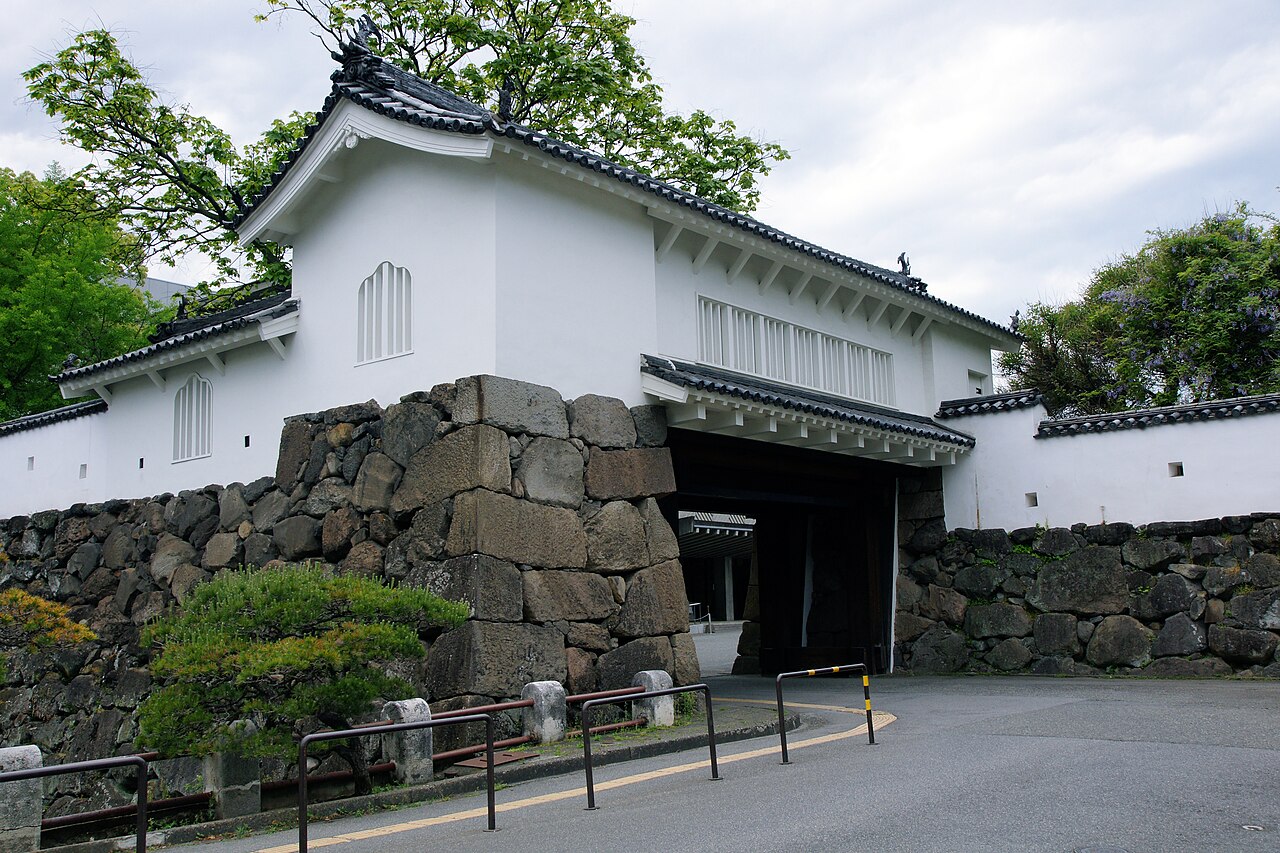
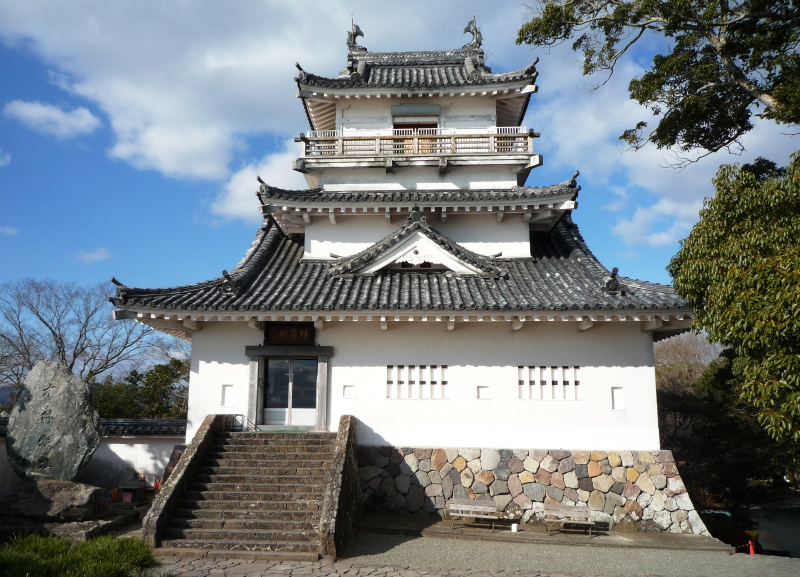
Kifune Castle stands prominently on a hillside overlooking the famous Beppu Seven Hells hot springs in Beppu, Oita Prefecture, Japan. This castle is a remarkable reconstruction completed in the 1950s, replicating the original structure that existed several centuries ago. It serves as a cultural and historical landmark, offering visitors a unique glimpse into Japan's feudal past combined with stunning natural vistas.

Historical background and reconstruction

The original Kifune Castle was built centuries ago, though exact records of its initial construction date are scarce. It was a strategic fortification positioned to oversee the surrounding lands and waterways. The castle fell into ruin over time, but in the mid-20th century, local efforts led to its reconstruction to preserve its historical significance and to boost cultural tourism in the region. The 1950s rebuilding aimed to faithfully replicate the castle’s original design, using traditional architectural techniques and materials where possible.

Architectural features and layout

The castle is classified as a hill castle due to its elevated position on a hillside, which was typical for defensive purposes in feudal Japan. The structure features multiple floors, with the topmost floor offering a 360-degree panoramic view of Beppu city, the Seto Inland Sea, and the distant Shikoku region. Visitors are encouraged to step out onto the balcony from the highest floor to fully appreciate these breathtaking views.

The castle’s design incorporates traditional Japanese elements, including wooden beams, sliding shoji screens, and tiled roofs. Defensive features such as narrow windows for archers and sturdy stone foundations reflect its original military function.

Unique interiors and cultural artifacts

Unlike many castles in Japan that focus primarily on architecture and history, Kifune Castle offers an eclectic and immersive interior experience. The rooms are furnished with a diverse collection of items including traditional shrines, vintage artworks, and taxidermy specimens. Visitors can also see displays of kyudo bows and arrows, highlighting the martial heritage of the samurai era.

One of the castle’s most unusual features is its resident albino python, considered the castle’s protector. This living exhibit adds a unique dimension to the visitor experience and symbolizes the castle’s blend of history, culture, and nature.

Visitor experience and practical information

Kifune Castle is open to the public and provides a rich cultural experience combined with spectacular sightseeing opportunities. The castle’s location above the Beppu Seven Hells makes it a popular stop for tourists exploring the region’s famous hot springs and natural attractions.

Visitors should plan to spend time ascending to the top floors to enjoy the views and explore the unique interior collections. The castle’s combination of historical reconstruction, cultural artifacts, and natural beauty makes it a distinctive destination in Oita Prefecture.

Frequently asked questions (FAQ)

How do I get to Kifune Castle?
Kifune Castle is located in Beppu, Japan, and can be accessed via public transportation or by car. If using public transport, take a train to Beppu Station and then a local bus or taxi to the castle. The scenic route offers beautiful views of the surrounding area.
What is the historical significance of Kifune Castle?
Kifune Castle dates back to the feudal era and played a crucial role in the region's defense against invasions. It is known for its strategic location and has been a site of many historical events. The castle offers visitors a glimpse into the rich history of Japan's samurai culture.
When was Kifune Castle built?
Kifune Castle was constructed in the early 16th century and has undergone various renovations over the years. Its architecture reflects the typical designs of Japanese castles from that period. The castle has stood the test of time, preserving its historical essence.
Can I take guided tours of Kifune Castle?
Yes, guided tours are available for visitors interested in learning more about the castle's history and architecture. These tours typically include detailed information from knowledgeable guides and can enhance your overall experience. It is advisable to check the schedule in advance.
Why is Kifune Castle a popular tourist attraction?
Kifune Castle attracts visitors due to its stunning architecture, historical significance, and picturesque surroundings. The castle offers panoramic views of the Beppu landscape, making it a favorite spot for photographers and history enthusiasts. Additionally, the peaceful atmosphere provides a perfect escape from city life.
Is it possible to visit Kifune Castle year-round?
Yes, Kifune Castle is open to visitors throughout the year, although hours may vary by season. It's recommended to check the official website for the most accurate opening times. Each season offers a unique perspective on the castle's beauty, especially during cherry blossom and autumn foliage seasons.
What are the ticket prices for Kifune Castle?
Admission to Kifune Castle is relatively affordable, with tickets typically costing around 500 yen for adults. Discounts may be available for students and children, making it accessible for families. Be sure to check for any special promotions or package deals when planning your visit.
What are the opening hours of Kifune Castle?
Kifune Castle generally opens at 9 AM and closes at 5 PM, but hours may vary depending on the season. It's advisable to arrive early to avoid crowds and enjoy the serene atmosphere. Always check the official website or contact the castle directly for the most current information.
Are there any nearby attractions to visit after Kifune Castle?
Yes, there are several attractions near Kifune Castle, including hot springs, local temples, and beautiful hiking trails. The Beppu area is famous for its onsen, making it a perfect destination for relaxation. Exploring the surrounding nature adds to the overall experience of visiting the castle.

Information

Hill Castle

Sources & official resources

Verify the information above using these authoritative references.

Loading map...

Visitor reviews

No reviews yet. Been here? Write the first review and help other travelers!

Write the first review

Visited this castle? Share your experience

Your review helps other travelers and adds first-hand knowledge to our encyclopedia.
Write a review

(5/5)

0/2000 characters

Your review will be visible after admin approval

Nearby castles

6.9 km
Hiji Castle — Japan castle

Hiji Castle

Hiji, Japan

Hiji Castle (日出城, Hiji-jō), also referred to as Yōkoku Castle, Aoyagi Castle, and Ukitsu Castle, is a historic hill castle located in Hiji, Ōita Prefecture, Japan. Constructed in the early 17th century, specifically beginning in 1601, the castle was commissioned by Kinoshita Nobutoshi following his transfer from Himeji. The design was entrusted to Hosokawa Tadaoki, Nobutoshi's brother-in-law, a notable figure in castle architecture and military strategy of the period.Strategic location and defensive featuresBuilt on a prominent hill overlooking Beppu Bay, Hiji Castle occupied a commanding position that allowed surveillance over maritime routes and nearby land approaches. The castle's elevated location classified it as a hill castle, a common defensive strategy in Japan to maximize natural terrain advantages. The site utilized steep slopes and natural barriers to enhance its fortifications.The castle complex included stone walls (ishigaki), which remain today as some of the most significant surviving features. These walls were constructed using traditional Japanese masonry techniques, designed to resist both siege weaponry and natural erosion. The castle also featured a sumi yagura (corner turret), which served as a lookout and defensive tower, still standing as a testament to the castle's original structure.Architectural design and constructionHosokawa Tadaoki, the architect and military commander, integrated contemporary castle-building techniques of the early Edo period. The design balanced defensive needs with residential and administrative functions. The castle's layout included multiple baileys (courtyards) connected by gates and walls, designed to slow and channel attackers.While the main keep (tenshu) no longer survives, historical records indicate it was modest in scale compared to larger castles but sufficient for the regional lord's requirements. The castle's architecture reflected the transition from the chaotic Sengoku period to the more stable Edo period, emphasizing both defense and governance.Historical context and significanceHiji Castle was built during the early Edo period, a time when Japan was consolidating under the Tokugawa shogunate. The castle served as the administrative center for the Hiji Domain, controlling local governance and defense. Its construction signaled the importance of the region and the trust placed in Kinoshita Nobutoshi by the shogunate.The castle's strategic position overlooking Beppu Bay also made it significant for monitoring maritime activity and protecting the coastline. Over time, the castle witnessed the transition of power and the eventual abolition of feudal domains in the Meiji era.Decline and current statusFollowing the abolition of the Hiji Domain during the Meiji Restoration, the castle was dismantled as part of the national policy to reduce feudal military power. Today, the site is preserved as a castle ruin, with only the stone walls and the sumi yagura remaining intact.The grounds have been converted into a public park, offering visitors a glimpse into Japan's feudal past and the architectural legacy of the early Edo period. Part of the castle site now accommodates Hiji Elementary School, integrating the historical site into the community's daily life.Visiting hiji castle todayVisitors to Hiji Castle can explore the extensive stone walls and the surviving sumi yagura, which provide insight into the castle's defensive design. The park setting allows for leisurely walks and panoramic views of Beppu Bay and the surrounding landscape.The castle ruins are an important cultural heritage site in Ōita Prefecture, attracting history enthusiasts and those interested in Japanese castle architecture. Interpretive signage and local guides often provide context about the castle's history and architectural features.

Renaissance (15th–17th c.)
Details
14.8 km
Funai Castle — Japan castle

Funai Castle

Oita City, Japan

Funai Castle, located in Oita City, Japan, is a historically significant lowland castle originally constructed in the late 16th century. Its founding dates back to 1597 when Fukuhara Naotaka relocated from Usuki and initiated the castle's construction. The project was completed within two years, marking the castle's emergence as a notable fortification during the Renaissance period in Japan. This era was characterized by a transition in Japanese castle architecture, blending traditional defensive features with more refined residential and administrative functions. Early history and construction The castle's initial development under Fukuhara Naotaka set the foundation for its strategic importance in the region. Shortly after completion, Fukuhara was reassigned back to Usuki, and the castle's lordship passed to Hayakawa Nagamasa. Nagamasa's tenure was marked by his allegiance during the Battle of Sekigahara in 1600, a decisive conflict that reshaped Japan's political landscape. Aligning with the losing faction, Nagamasa ultimately committed seppuku, a ritual suicide that reflected the samurai code of honor. Renovations and architectural developments Following this turbulent period, Takenaka Shigetoshi assumed control and undertook significant renovations. In 1602, Shigetoshi constructed the castle's main keep, a central feature that enhanced both its defensive capabilities and symbolic stature. The keep typically served as a last line of defense and a residence for the lord, embodying the architectural and cultural values of the time. Later lords and historical events Shigetoshi's son, Takenaka Shigeyoshi, served as the Nagasaki Bugyo (governor of the port of Nagasaki), a position of considerable responsibility. However, in 1634, Shigeyoshi was involved in a scandal that led to his forced seppuku. This event marked a significant turning point in the castle's history, after which Hineno Yoshiaki took over lordship. Upon Yoshiaki's death in 1656, the castle came under the control of the Matsudaira clan, beginning with Matsudaira Tadaaki. The Matsudaira were a prominent samurai family closely related to the Tokugawa shogunate, indicating Funai Castle's continued strategic and political importance. Architectural features and layout Funai Castle exemplifies the characteristics of a lowland castle, built on flat terrain rather than elevated hills or mountains. This positioning necessitated robust defensive features such as moats, stone walls, and fortified gates. The castle's honmaru (main bailey) served as the central stronghold and administrative center. Today, the honmaru area has been repurposed as a parking lot, reflecting the modern urban development surrounding the site. The castle's design reflects the transitional architectural style of the Renaissance period in Japan, blending traditional Japanese castle elements with influences from contemporary defensive needs. The main keep built by Takenaka Shigetoshi remains a focal point of the castle's historical identity, although much of the original structure has been lost or altered over time. Modern preservation and access Currently, Funai Castle is classified as partially preserved, with some original structures and features remaining intact or restored. The castle grounds are accessible to visitors, with an easy walking route from Oita Station. Additionally, buses provide transport directly to the castle site, facilitating convenient access for tourists and history enthusiasts. Visitors arriving by car will find that the honmaru has been converted into a parking area, indicating the integration of historical preservation within a modern urban context. There are historical notes suggesting that the US armed forces stationed in Kyushu after World War II contributed to some reconstruction efforts at Funai Castle, although detailed records of this involvement are limited. Cultural significance and heritage Funai Castle holds considerable cultural and historical value as a representation of Japanese castle architecture during a pivotal era. Its association with notable historical figures and events, such as the Battle of Sekigahara and the governance of Nagasaki, enriches its narrative. The castle's evolution under various lords reflects the broader political and social changes in Japan from the late 16th to the 17th century. Today, Funai Castle serves as a tangible link to Japan's feudal past, offering insights into the architectural innovations and historical dynamics of the period. Its preservation and accessibility allow for continued public engagement and education, making it a valuable heritage site within Oita Prefecture.

Renaissance (15th–17th c.)
Details
17.1 km
Kitsuki Castle — Japan castle

Kitsuki Castle

Kitsuki, Japan

Kitsuki Castle (杵築城, Kitsuki-jō) is a historically significant yamajiro-style Japanese castle located in the city of Kitsuki, Ōita Prefecture, Japan. The castle's origins trace back to the 14th century during the Late Medieval period, and it played a notable role in the military and political landscape of the region throughout the Edo period. Today, the castle's ruins are preserved as a National Historic Site since 2020, highlighting its cultural importance and enduring legacy. Historical background and significance Kitsuki Castle was originally constructed as a yamajiro, or mountain castle, a common defensive style in Japan that utilized natural terrain for fortification. Built in the 14th century, it served as a strategic stronghold for local warlords during a time of frequent military conflict and territorial disputes. The castle's location on elevated ground provided a vantage point for surveillance and defense against invading forces. During the Edo period (1603–1868), Kitsuki Castle was controlled by various samurai clans who contributed to its upkeep and modifications. Although the original structures were largely dismantled over time, the castle's historical footprint remains evident in the surviving ruins and layout. Architectural features and castle design Yamajiro-style fortifications The castle exemplifies the yamajiro style, characterized by its integration with the mountainous terrain. Defensive features included stone walls, earthen ramparts, and strategically placed watchtowers that leveraged the natural landscape to enhance protection. The castle's design emphasized concealment and defense, making it difficult for enemies to launch successful attacks. The tenshu replica In 1970, a replica tenshu (main keep) was constructed on the castle grounds. This reconstructed tower is noted for being the smallest tenshu in Japan, reflecting a modest architectural scale compared to other castles. While not an original structure, the replica serves as an educational and cultural symbol, providing visitors with a tangible sense of the castle's historical appearance. Preservation and current status The original Kitsuki Castle ruins are classified as archaeological ruins and are designated as a National Historic Site. The site includes remnants of stone foundations and earthworks that outline the castle's former layout. Preservation efforts focus on maintaining these ruins to protect the site’s integrity and to facilitate historical research. The castle grounds are accessible to the public, allowing visitors to explore the ruins and the tenshu replica. The site offers insight into medieval Japanese castle construction and the strategic use of natural landscapes in fortification. Visiting Kitsuki Castle Visitors to Kitsuki Castle can experience a blend of historical ruins and reconstructed architecture. The castle's location in Kitsuki city provides scenic views of the surrounding region, enhancing the cultural visit. While the tenshu replica is a modern construction, it complements the authentic ruins by illustrating the castle's original defensive structure. The site is open year-round, with no significant restrictions on visiting hours. The castle's modest size and accessible terrain make it suitable for a wide range of visitors interested in Japanese history and castle architecture. Architectural and cultural legacy Kitsuki Castle stands as a representative example of yamajiro-style castles from the Late Medieval period in Japan. Its preservation as ruins and the presence of the smallest tenshu replica highlight the castle's unique place in Japanese heritage. The site contributes valuable knowledge about the evolution of Japanese fortifications and the regional history of Ōita Prefecture.

Late Medieval (14th–15th c.)
Details