Tsuchiura Castle
Tsuchiura Castle (土浦城, Tsuchiura-jō) is a prominent example of a flatland-style Japanese castle located in Tsuchiura city, in the southern part of Ibaraki Prefecture, Japan. Unlike hilltop castles, Tsuchiura Castle was constructed on flat terrain, which influenced its defensive design and architectural features. It is historically significant as the residence of the Tsuchiya clan, the daimyō of the Tsuchiura Domain during the Edo period (1603–1868). The castle is also famously known by its nickname "Ki-jō" (亀城), meaning "Turtle Castle", a name derived from the shape of its moats and layout resembling a turtle.
Historical background and ownership
The origins of Tsuchiura Castle trace back to the early Edo period when the Tokugawa shogunate established control over the region. The castle became the seat of the Tsuchiya clan, who were appointed as the feudal lords of the Tsuchiura Domain. The clan maintained control of the castle and surrounding lands until the Meiji Restoration, which led to the abolition of the feudal domain system in the late 19th century.
Throughout its history, Tsuchiura Castle played a role in regional governance and served as a symbol of the Tsuchiya clan's authority. The castle's strategic location in the Kanto Plain allowed it to oversee important transportation routes and agricultural areas.
Architectural features and layout
Tsuchiura Castle is classified as a flatland castle (平城, hirajiro), characterized by its construction on level ground rather than elevated terrain. This type of castle required extensive moats, walls, and earthen ramparts to compensate for the lack of natural defensive advantages.
The castle's design includes multiple concentric moats, which form the distinctive turtle-like shape that inspired its nickname. The moats were connected by stone-lined channels and served as both defensive barriers and water management systems. Surrounding the moats were earthen walls and wooden palisades, typical of Japanese castle fortifications of the Edo period.
The main enclosure (honmaru) housed the lord's residence and administrative buildings. Although the original tenshu (main keep) no longer exists, historical records suggest it was modest in size compared to larger castles of the era. Other enclosures (ni-no-maru and san-no-maru) contained barracks, storehouses, and gardens.
Gates and watchtowers
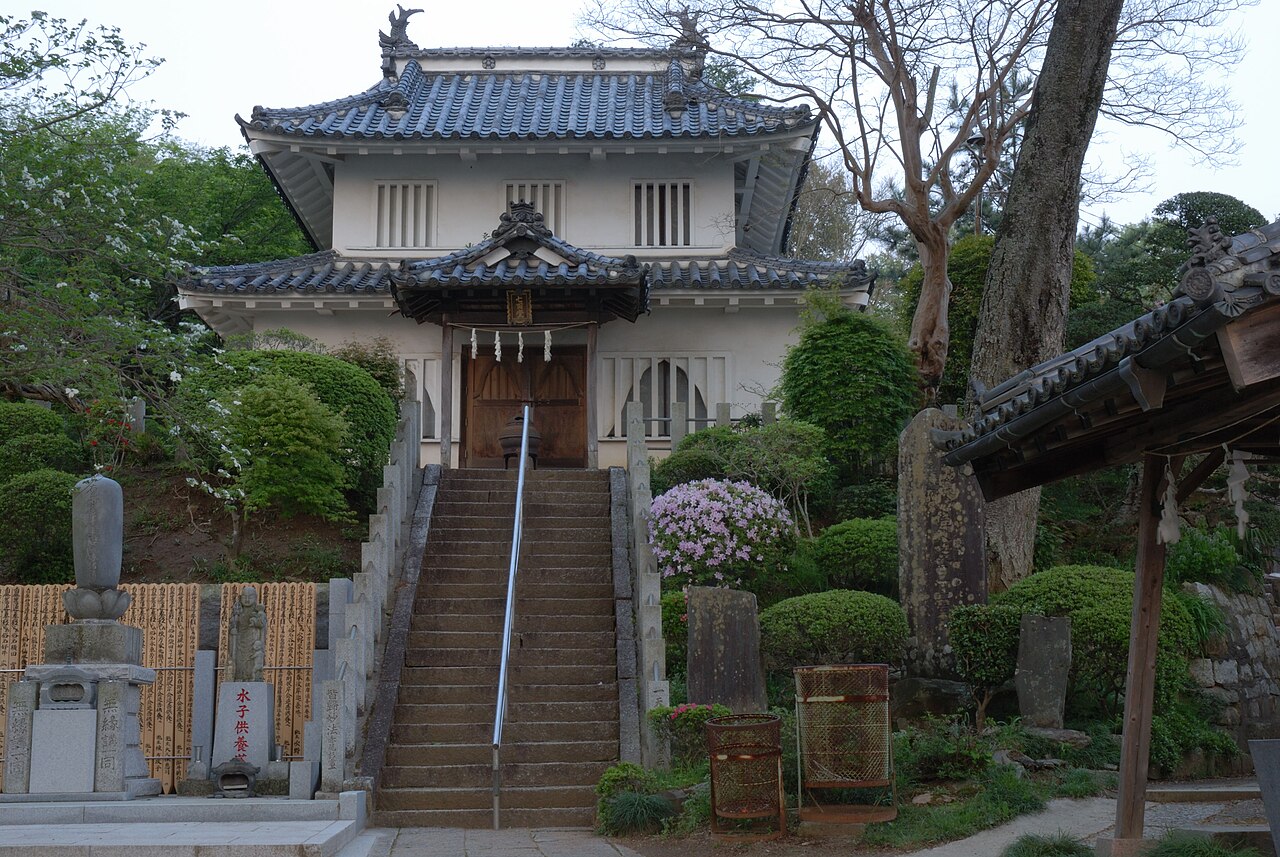
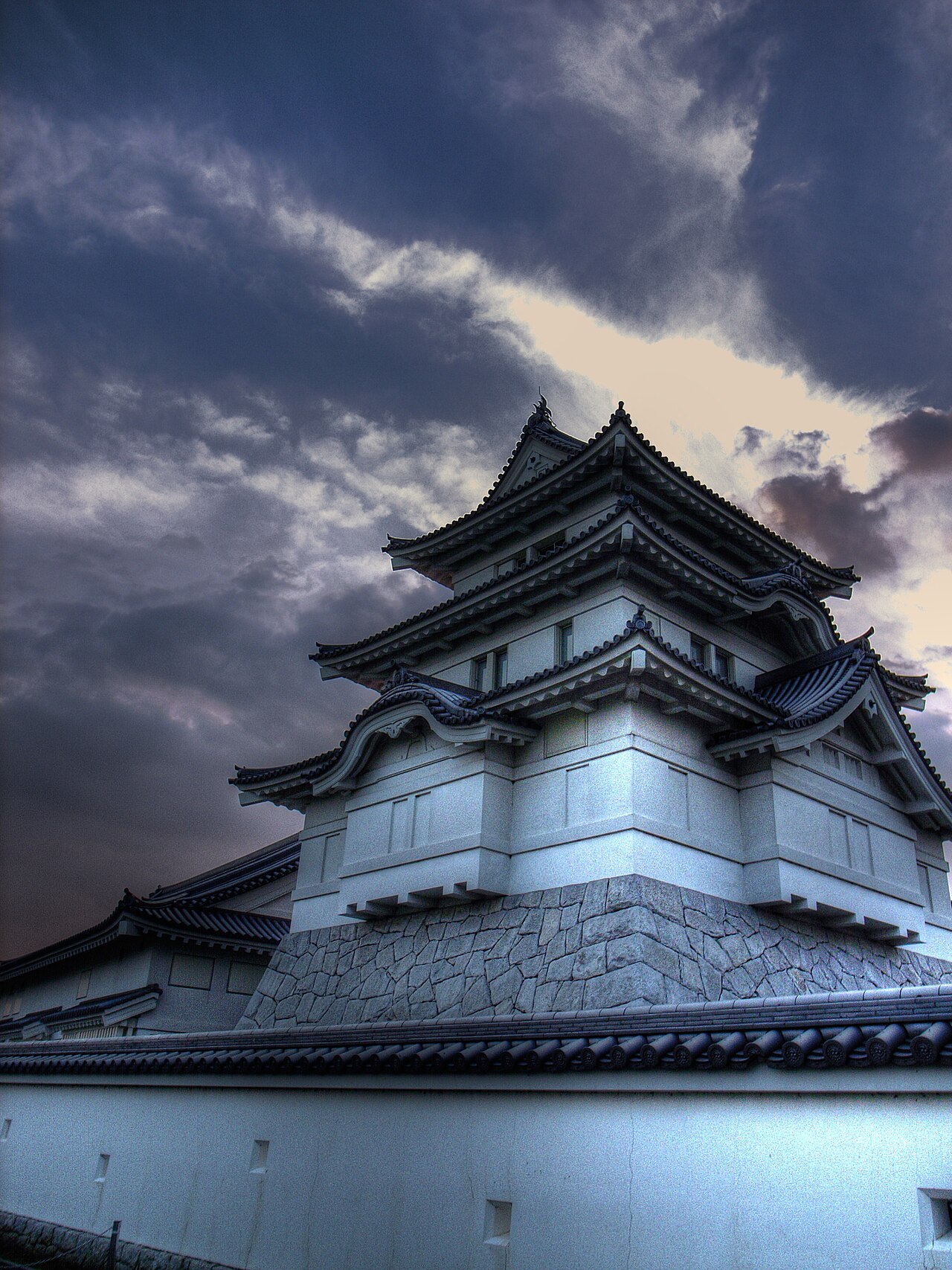
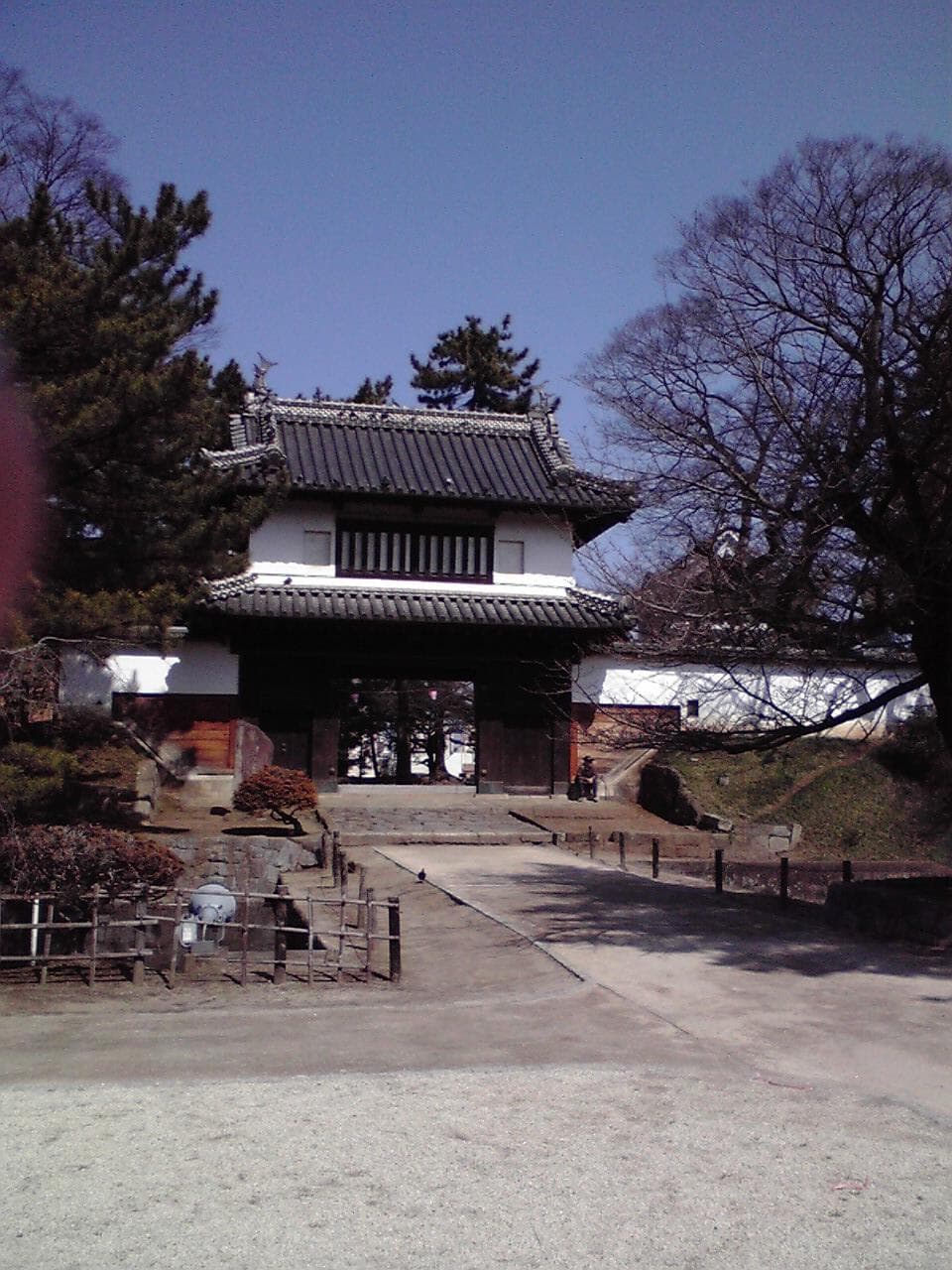
The castle featured several gates strategically placed to control access and enhance defense. These gates were constructed with heavy wooden doors reinforced with iron fittings. Watchtowers (yagura) were positioned along the walls to provide vantage points for surveillance and archery defense.
Cultural significance and preservation
Tsuchiura Castle holds cultural importance as a representation of Edo period castle architecture adapted to flatland conditions. It reflects the political and social structure of feudal Japan and the role of daimyō clans in regional administration.
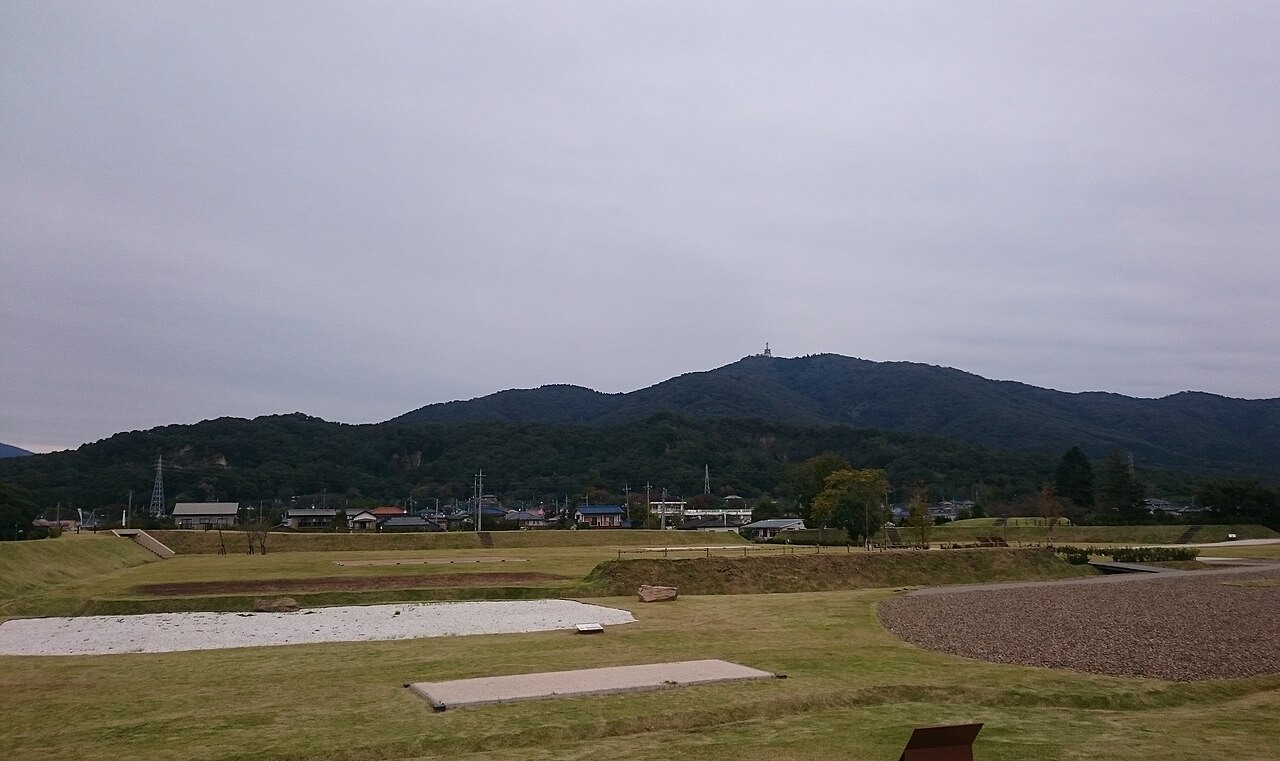
Today, much of the original castle structures have been lost due to modernization and urban development. However, parts of the moats and earthen walls remain preserved, and the site is recognized as a historic landmark within Tsuchiura city. Efforts have been made to maintain the castle grounds as a public park, allowing visitors to appreciate the castle's historical context and natural surroundings.
Visitor information
The castle grounds are accessible to the public, offering walking paths around the remaining moats and earthworks. Interpretive signage provides historical context, and seasonal events sometimes take place to celebrate the castle's heritage. Visitors can explore the nearby Tsuchiura area, which includes museums and cultural sites related to the Edo period and Japanese history.
Frequently asked questions (FAQ)
- When was Tsuchiura Castle built?
- Tsuchiura Castle was constructed during the early Edo period, which began in 1603. Precise construction dates are not well documented, but it served as the seat of the Tsuchiya clan throughout the Edo period.
- What architectural style characterizes Tsuchiura Castle?
- Tsuchiura Castle is a flatland-style Japanese castle, known as a hirajiro, featuring extensive moats and earthen walls adapted for defense on level ground rather than elevated terrain.
- Can visitors access Tsuchiura Castle today?
- Yes, visitors can explore the castle grounds, which are maintained as a public park with walking paths around the remaining moats and earthworks. Informational signage helps provide historical context.
- Why is Tsuchiura Castle called Turtle Castle?
- The nickname "Turtle Castle" comes from the shape of the castle's moats and layout, which resemble a turtle. This distinctive design is a notable feature of Tsuchiura Castle.
- What remains of Tsuchiura Castle today?
- While many original structures have been lost, parts of the moats and earthen walls remain preserved. The site functions as a historic landmark and public park in Tsuchiura city.
Photo gallery

Photo by User: (WT-shared) Tsuchiuradaigaku at wts wikivoyage•Public domain
Information
Loading map...
Visitor reviews
No reviews yet. Been here? Write the first review and help other travelers!
Write the first reviewVisited this castle? Share your experience
Your review helps other travelers and adds first-hand knowledge to our encyclopedia.