Sekiyado Castle
Sekiyado Castle (関宿城, Sekiyado-jō) is a historic hill castle situated in Noda, northwestern Chiba Prefecture, Japan. The castle holds significant historical importance as the seat of the Kuse clan, who were the daimyō of the Sekiyado Domain during the Edo period. Its strategic location near the confluence of the Tone and Edo Rivers made it a vital military and administrative center in the region.
Historical background and significance
Sekiyado Castle was originally constructed in the 16th century, during the turbulent Sengoku period when many castles were built for defense and control of territories. The castle was rebuilt and expanded multiple times, particularly during the Edo period, reflecting the evolving needs of the ruling clan and the political climate of the time.
Throughout the Edo period, Sekiyado Castle served as the administrative headquarters of the Sekiyado Domain, governed by the Kuse clan. The castle played a role in regional defense and governance, overseeing river traffic and local affairs. Its position near important waterways underscored its strategic importance in controlling transportation and trade routes.
Architectural features and layout
The castle exemplifies typical Japanese hill castle design, utilizing natural terrain for defense. It was built on elevated ground, providing commanding views of the surrounding landscape and waterways. The castle complex included multiple baileys, stone walls, moats, and fortified gates designed to repel attackers.
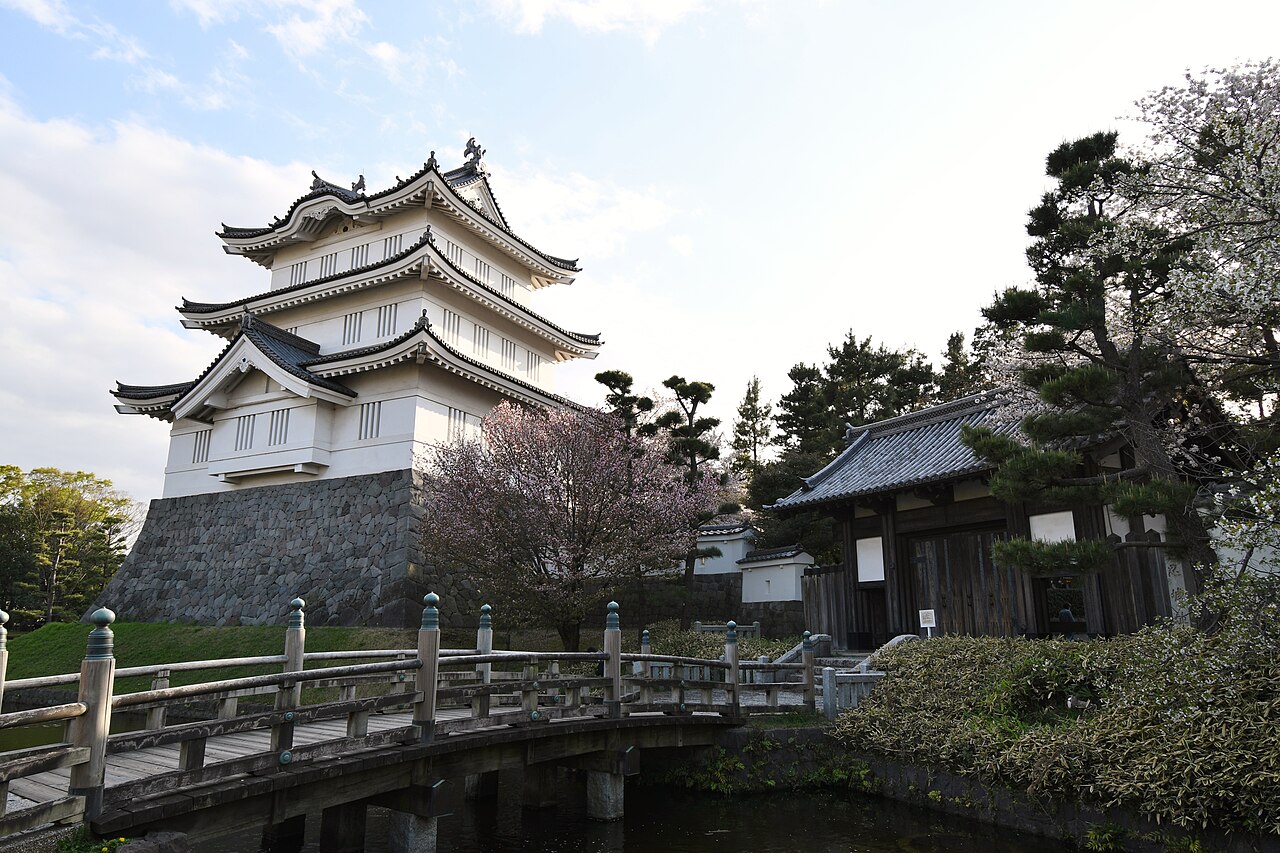
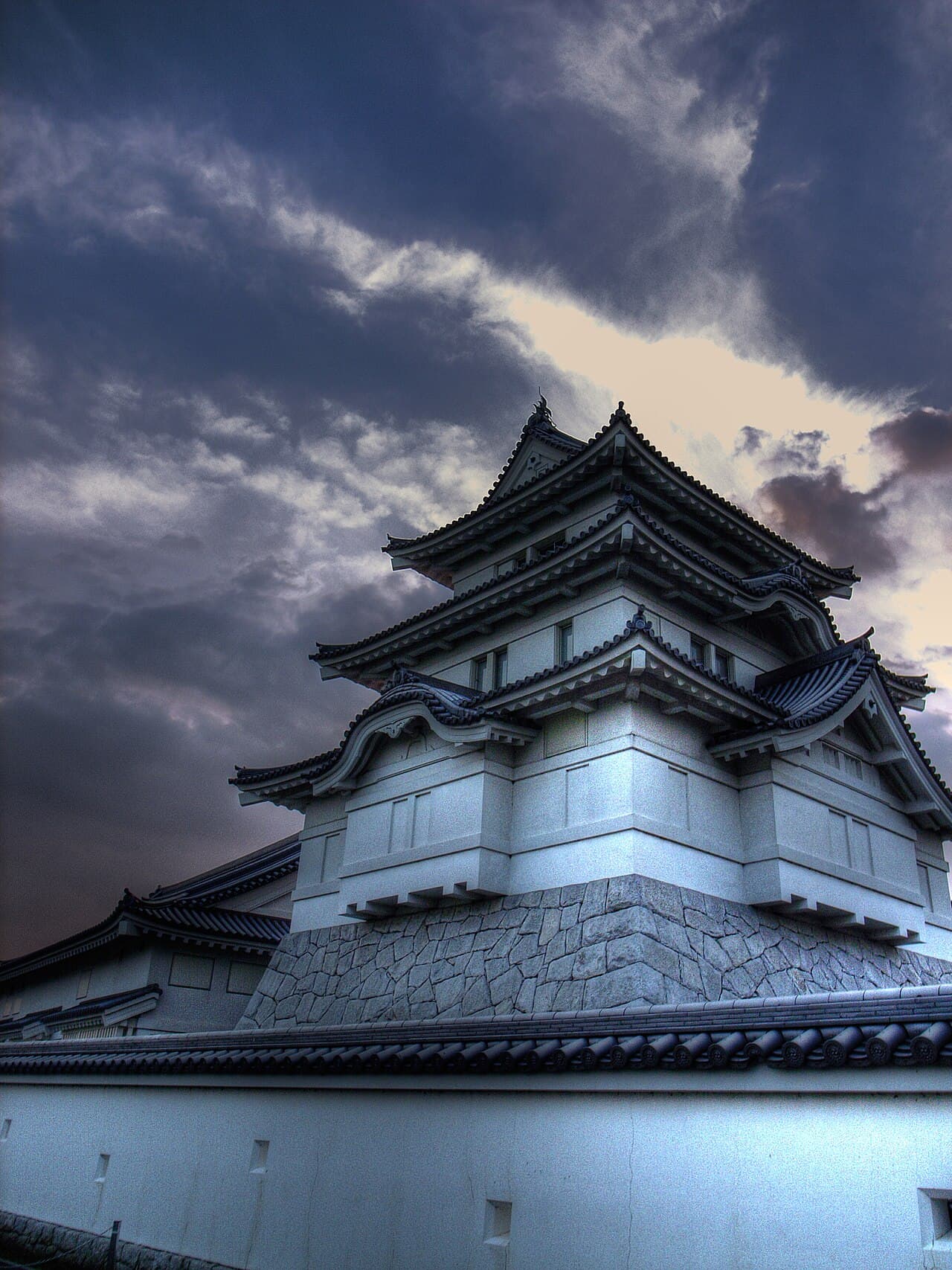
The main keep (tenshu) was a multi-storied structure serving both as a lookout and a symbol of the clan's power. The castle grounds contained residential quarters, administrative buildings, and defensive structures such as yagura (turrets) and watchtowers. The moats surrounding the castle enhanced its defenses, making it difficult for enemies to approach.
Defensive elements
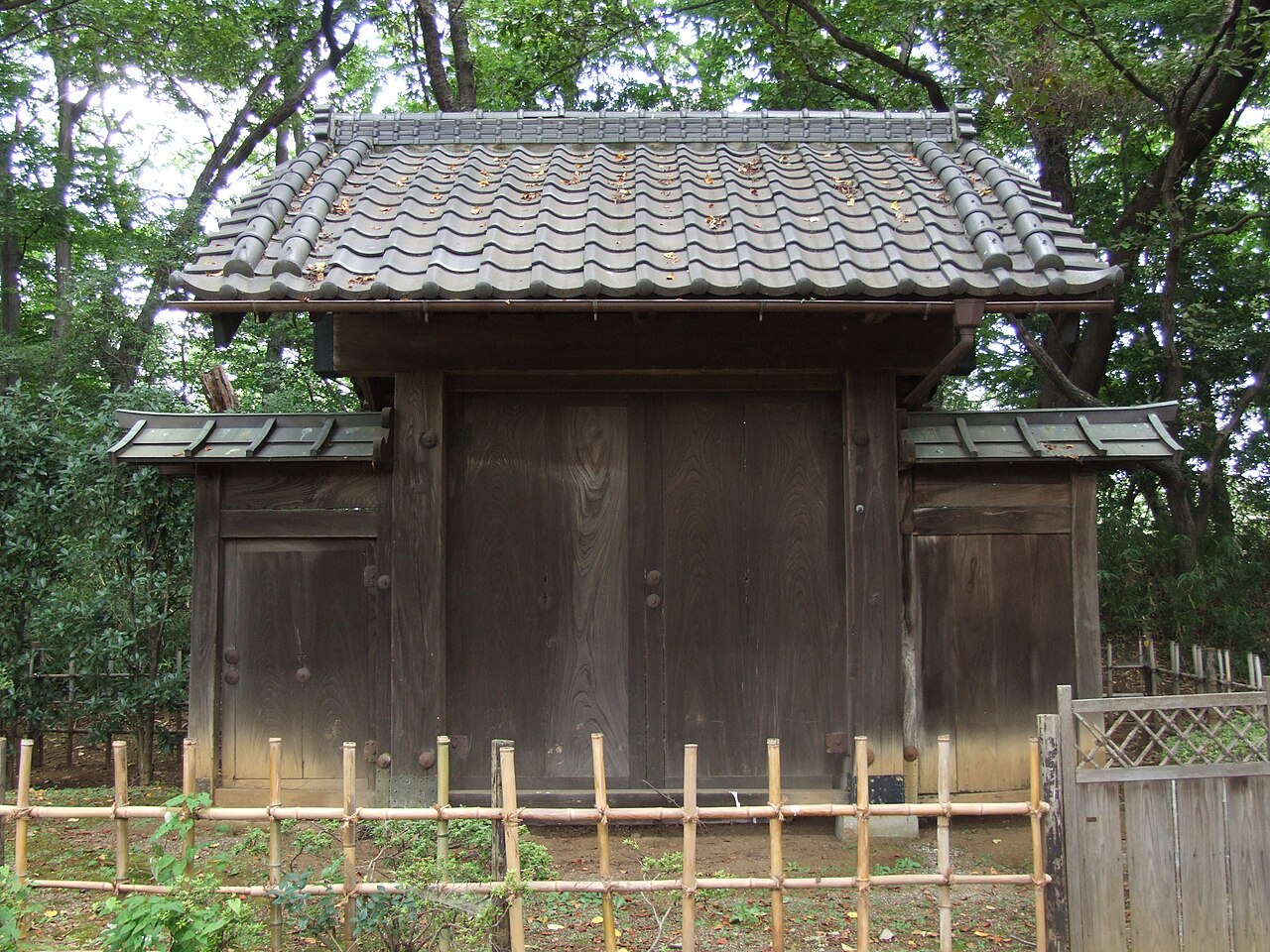
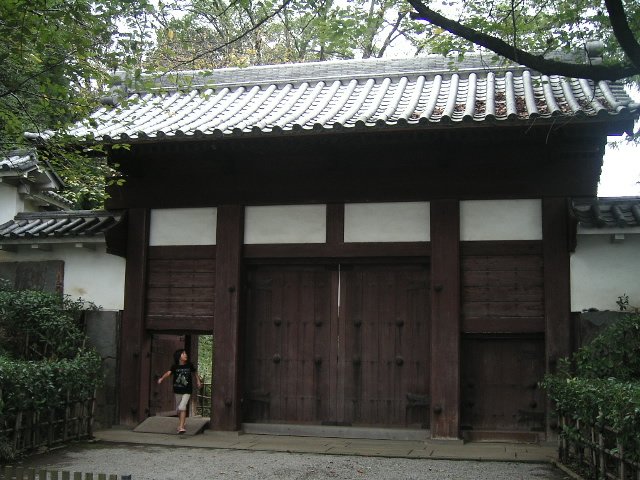
Sekiyado Castle's defenses relied heavily on its natural and man-made features. The combination of elevated position and water barriers created a formidable obstacle. Stone walls were constructed to withstand siege warfare, and gates were strategically placed to control access. The castle's design reflects the military architecture of the late Sengoku and Edo periods, emphasizing both defense and administrative functionality.
Restoration and current status
The original Sekiyado Castle was destroyed during the Meiji Restoration as part of the government's policy to dismantle feudal fortifications. However, a reconstruction of the main keep was completed in the 20th century, serving as a museum and cultural site. The reconstructed castle now functions as a historical attraction, preserving and showcasing the region's feudal heritage.
Visitors to Sekiyado Castle can explore the grounds, enjoy views of the Tone River, and learn about the castle's history through exhibits and displays. The site is well-maintained and offers insight into Japanese castle architecture and the Edo period's social structure.
Legacy and cultural importance
Sekiyado Castle remains an important cultural landmark in Chiba Prefecture. It symbolizes the region's feudal past and the role of riverine castles in Japan's military history. The castle's preservation and reconstruction efforts highlight the value placed on historical education and cultural tourism in Japan.
The castle also contributes to local identity and pride, hosting events and festivals that celebrate traditional Japanese culture and history. Its presence enriches the understanding of castle architecture and the strategic use of natural landscapes in Japanese fortifications.
Frequently asked questions (FAQ)
- When was Sekiyado Castle originally built?
- Sekiyado Castle was originally constructed in the 16th century during the Sengoku period, a time of frequent military conflict in Japan.
- What type of castle is Sekiyado Castle?
- Sekiyado Castle is classified as a hill castle, built on elevated terrain to take advantage of natural defensive features.
- Is Sekiyado Castle open to visitors today?
- Yes, the reconstructed main keep of Sekiyado Castle serves as a museum and cultural site open to the public, offering historical exhibits and scenic views.
- What clan ruled Sekiyado Castle during the Edo period?
- The Kuse clan were the daimyō of Sekiyado Domain and resided in Sekiyado Castle during the Edo period.
- What are some notable architectural features of Sekiyado Castle?
- Notable features include stone walls, moats, fortified gates, multiple baileys, a multi-storied main keep, and watchtowers designed for defense and administration.
Photo gallery

Information
Loading map...
Visitor reviews
No reviews yet. Been here? Write the first review and help other travelers!
Write the first reviewVisited this castle? Share your experience
Your review helps other travelers and adds first-hand knowledge to our encyclopedia.