Oda Castle
Oda Castle (小田城, Oda jō) is a notable example of a hira-style castle from the Muromachi period, situated in the present-day city of Tsukuba, within Ibaraki Prefecture in the northern Kantō region of Japan. Recognized for its historical and architectural significance, the castle has been designated a National Historic Site since 1935, reflecting its importance in Japanese heritage preservation.
The Muromachi period (1336–1573) was a time of considerable political upheaval and military conflict, which influenced the design and construction of castles like Oda Castle. Unlike the more common mountain castles, Oda Castle is classified as a hira-style castle, meaning it was built on flatland rather than on a hill or mountain. This strategic choice necessitated the use of extensive moats, earthen walls, and other defensive features to compensate for the lack of natural elevation.
Architectural features and layout
Oda Castle's design reflects typical characteristics of Muromachi period fortifications adapted to flatland terrain. The castle complex was surrounded by multiple layers of moats and earthen ramparts, which served as formidable barriers against attackers. The moats were often filled with water drawn from nearby rivers or canals, enhancing the defensive perimeter.
The castle's inner compound housed the main enclosure (honmaru), which contained the lord's residence and administrative buildings. Surrounding this were secondary enclosures (ni-no-maru and san-no-maru), which provided additional layers of defense and space for retainers and soldiers. The layout was carefully planned to maximize defense while allowing efficient communication and movement within the castle grounds.
Defensive structures
Although Oda Castle does not feature the towering stone walls or massive keeps seen in later Japanese castles, its defense relied heavily on earthworks and water defenses. The extensive moats, combined with steep earthen walls, created obstacles that were difficult for enemies to cross. Wooden palisades and gates controlled access points, and watchtowers were strategically placed to monitor the surrounding area.
Historical significance and ownership
During the Muromachi period, Oda Castle played a role in regional power struggles among samurai clans vying for control in the Kantō region. While specific details about its founding lord or successive owners are limited, the castle's location in Tsukuba placed it near important trade routes and political centers, making it a valuable military asset.
The castle's preservation as a National Historic Site since 1935 underscores its cultural and historical importance. Although much of the original structure has not survived intact, archaeological studies and conservation efforts have helped to maintain the site and provide insights into castle construction techniques of the era.
Present condition and visitor experience
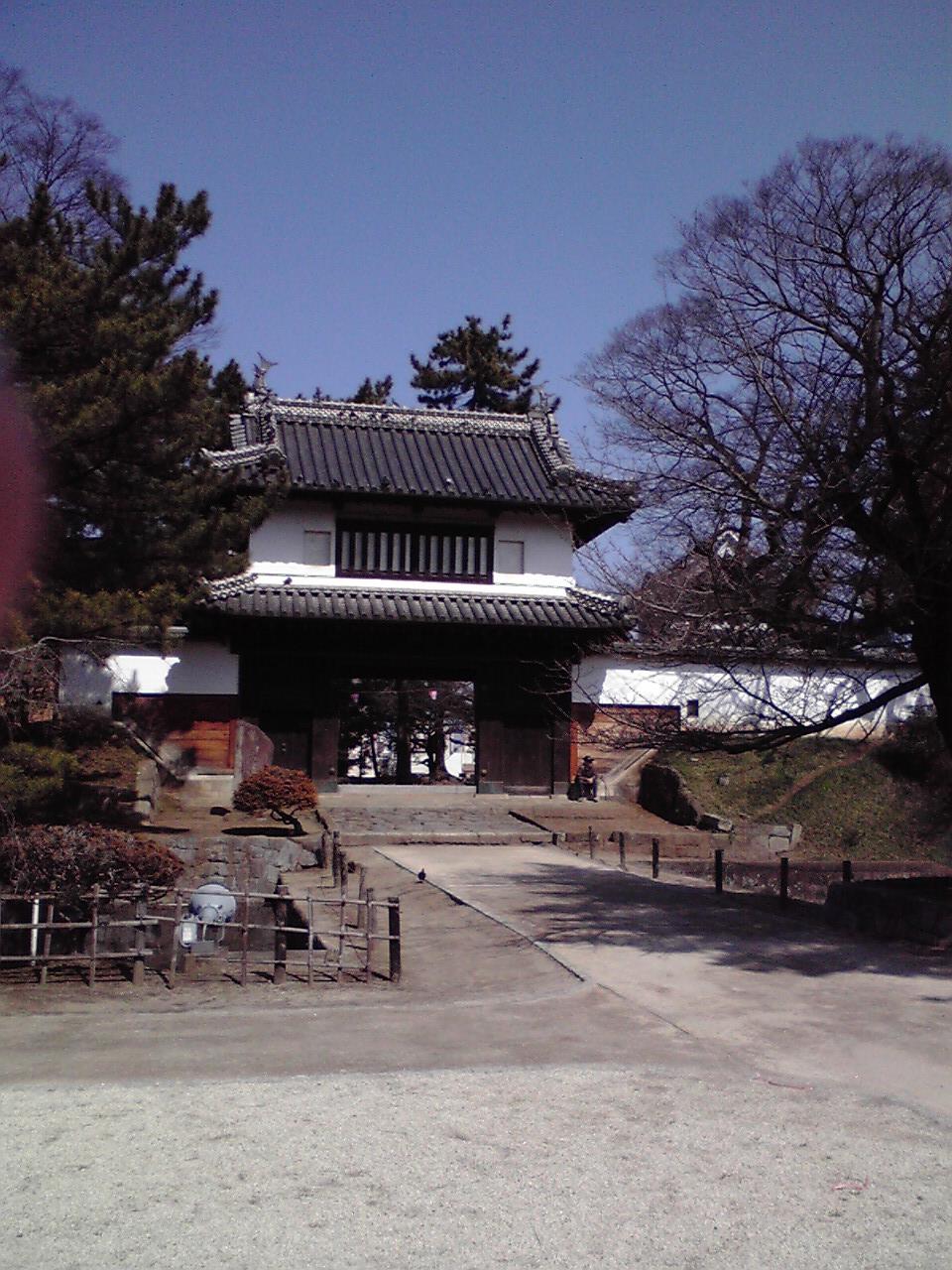
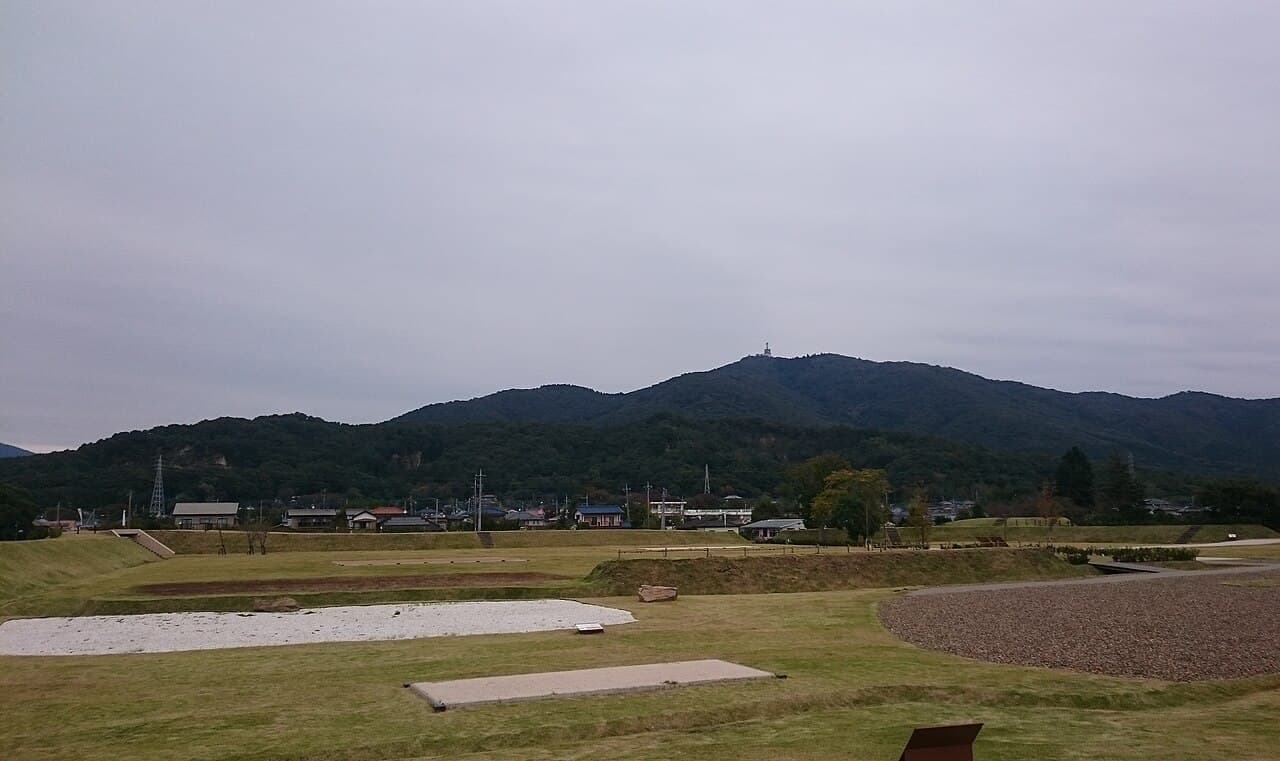
Today, Oda Castle exists primarily as an archaeological site with some reconstructed features to illustrate its original form. Visitors can explore the moated areas and remnants of earthworks, gaining an understanding of flatland castle defenses during the Muromachi period. The site is accessible to the public and often serves educational purposes, highlighting Japan's feudal history and castle architecture.
Interpretive signage and guided tours are sometimes available, offering detailed explanations of the castle's layout, construction, and historical context. The surrounding landscape, including nearby rivers and plains, helps visitors appreciate the strategic considerations involved in the castle's placement and design.
Architectural style and period context
Oda Castle exemplifies the Muromachi period's approach to castle construction before the widespread adoption of stone bases and massive keeps characteristic of the later Azuchi-Momoyama period. Its hira-style design reflects adaptation to the flat terrain of the Kantō region, relying on earthworks, moats, and wooden structures rather than stone fortifications.
This style of castle provides valuable insight into the military architecture of the 14th to 16th centuries in Japan, illustrating the evolution of defensive strategies in response to the political climate and technological capabilities of the time.
Frequently asked questions (FAQ)
- What is the best time to visit Oda Castle?
- The best time to visit Oda Castle is during spring and autumn when the weather is mild, and the surrounding natural scenery is at its most beautiful.
- Is Oda Castle accessible to visitors year-round?
- Yes, Oda Castle is generally accessible year-round as an archaeological site, but it is advisable to check local information for any seasonal closures or special events.
- Are there guided tours available at Oda Castle?
- Guided tours may be available occasionally, providing detailed historical and architectural information about the castle. Visitors should inquire locally or check official tourism websites for schedules.
- What defensive features are notable at Oda Castle?
- Oda Castle is notable for its extensive moats and earthen ramparts, which were key defensive features compensating for its flatland location.
- How does Oda Castle differ from mountain castles in Japan?
- Unlike mountain castles built on elevated terrain, Oda Castle is a flatland or hira-style castle that relies on man-made defenses such as moats and earthworks instead of natural elevation.
Photo gallery

Information
Loading map...
Visitor reviews
No reviews yet. Been here? Write the first review and help other travelers!
Write the first reviewVisited this castle? Share your experience
Your review helps other travelers and adds first-hand knowledge to our encyclopedia.