Kasama Castle — Japan castle

Kasama Castle

Kasama Castle in Ibaraki: historic hilltop Japanese fortress
Kasama, Japan
High Medieval (11th–13th c.)
Partially Preserved

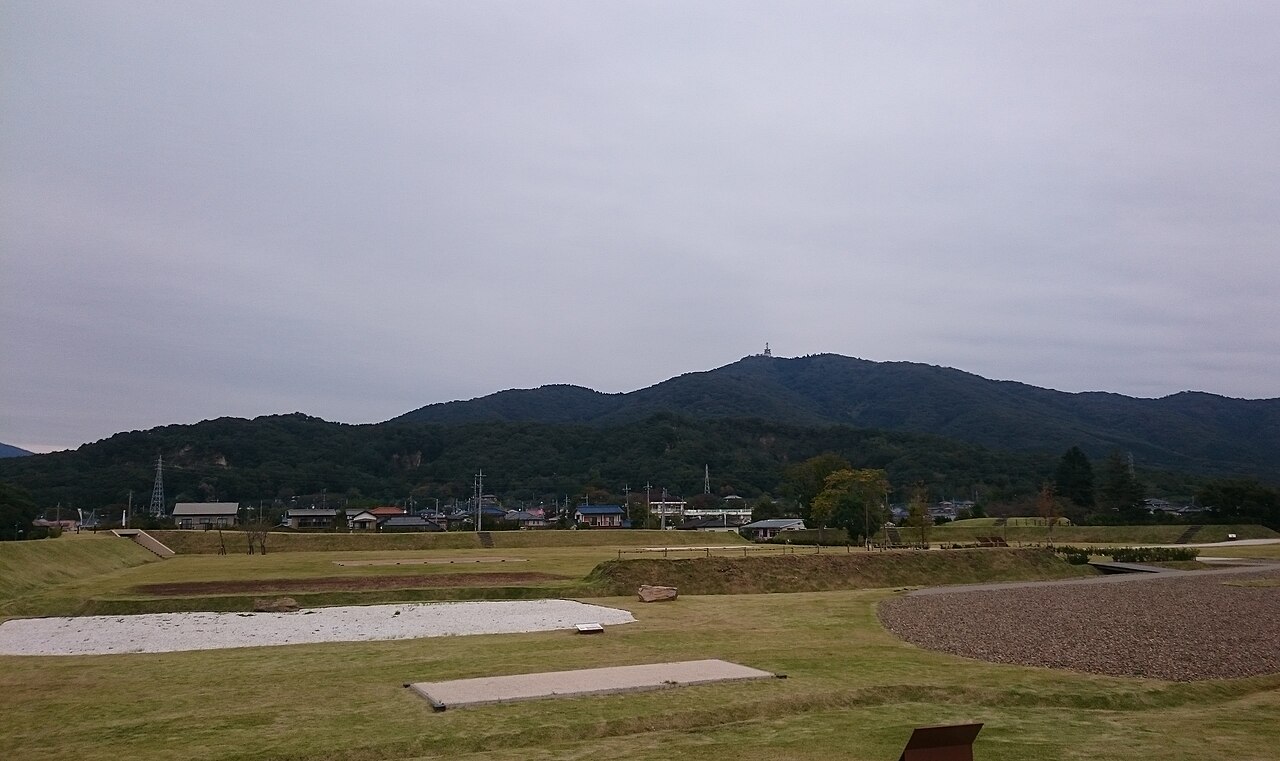
Kasama Castle (笠間城, Kasama-jō) is a historic hill castle located in the city of Kasama, within Ibaraki Prefecture in central Japan. Constructed originally in the 13th century during the high medieval period, it has played a significant role in the region's feudal history. The castle's strategic position atop a hill provided a commanding view of the surrounding area, enabling effective defense and control over local territories.

Early history and construction

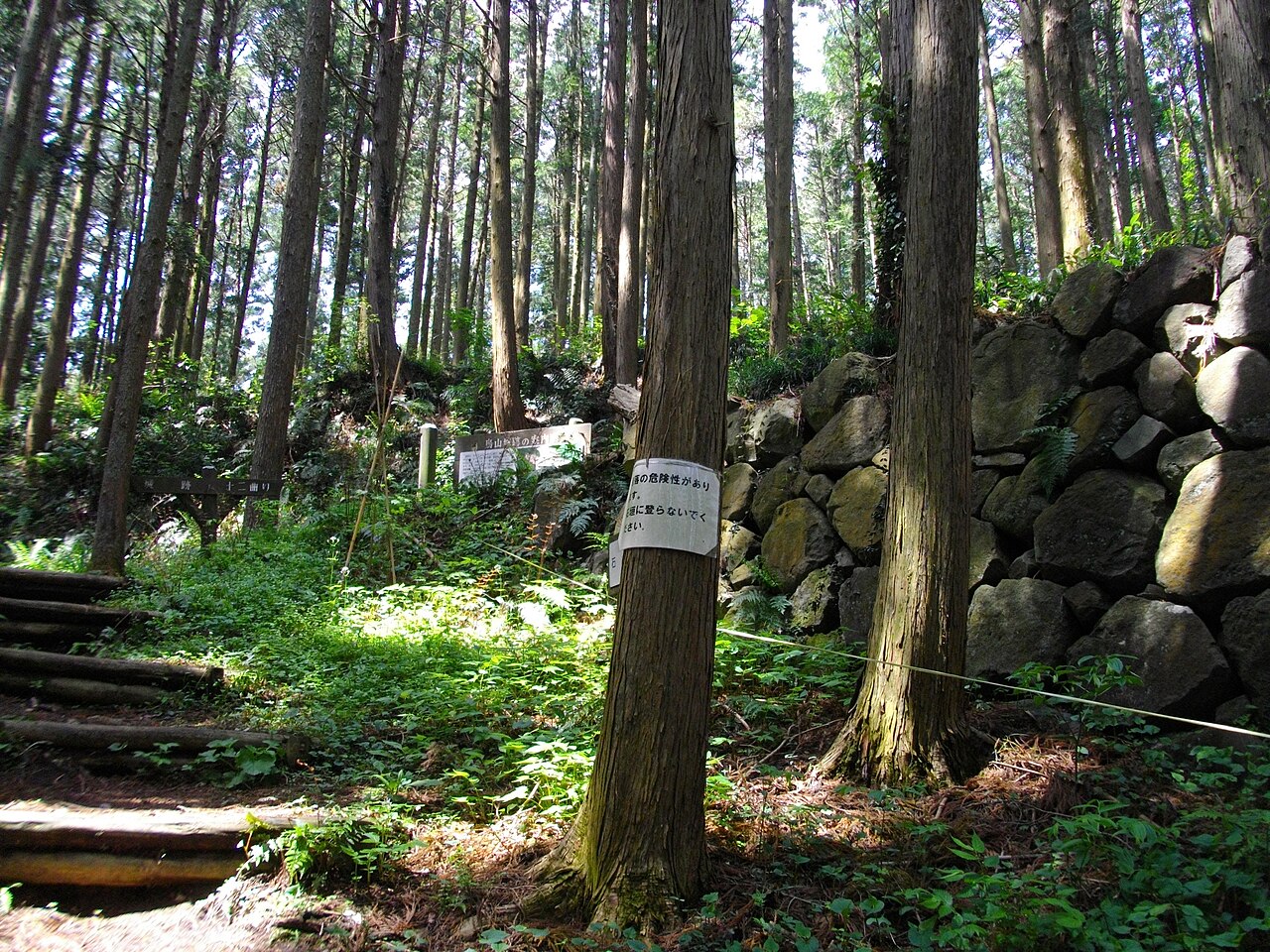
The origins of Kasama Castle date back to the Kamakura period, a time when Japan was consolidating its feudal domains under warrior clans. The castle was initially built as a fortified stronghold to secure the region and assert control over the surrounding lands. Its early construction featured typical hill castle characteristics, including earthen ramparts and wooden palisades, which were later replaced or reinforced with stone walls during subsequent renovations.

Architectural features and layout

Kasama Castle's design reflects the defensive needs and architectural styles of medieval Japan. The castle was built on a natural elevation, utilizing the hill's slope to enhance its fortifications. It originally included multiple baileys (courtyards) separated by moats and walls, with the central honmaru (main bailey) housing the main keep or tenshu. The complex also contained gates, watchtowers, and stone walls that were typical of Japanese castles from this era.

Defensive structures

The castle's fortifications included dry moats and earthen walls, designed to hinder enemy advances. The layout took advantage of the hill's natural terrain, creating steep slopes that made direct assaults difficult. Over time, stone reinforcements were added to key defensive points, enhancing the castle's resilience against siege warfare.

Kasama castle in the edo period

During the Edo period, Kasama Castle became the seat of the Kasama Domain, ruled by a junior branch of the Makino clan. The castle and domain experienced several changes in ownership among various clans in the early Edo period, reflecting the shifting political landscape under Tokugawa shogunate rule. Despite these changes, the castle remained an important administrative and military center for the region.

Residence of the makino clan

The Makino clan, as daimyō of Kasama Domain, used Kasama Castle not only as a military fortress but also as a residence and administrative headquarters. The castle grounds included living quarters, administrative buildings, and gardens, which were typical of Edo period castles serving dual military and residential functions.

Modern status and preservation

Today, Kasama Castle is recognized as a significant cultural and historical site. Although much of the original castle structures have not survived intact, the site retains important features such as portions of the stone walls, moats, and earthworks. The castle grounds are accessible to the public and serve as a place for historical education and cultural events. Preservation efforts have focused on maintaining the remaining architectural elements and promoting awareness of the castle's historical importance.

Cultural significance

Kasama Castle is valued for its representation of medieval Japanese castle architecture and its role in the feudal history of the Kanto region. It is a popular destination for visitors interested in Japanese history, traditional architecture, and the legacy of the samurai era.

Frequently asked questions (FAQ)

How do I get to Kasama Castle?
Kasama Castle is accessible by train, with the nearest station being Kasama Station. From there, it’s a short 10-minute walk to the castle grounds, making it convenient for visitors arriving by public transport.
What is the historical significance of Kasama Castle?
Kasama Castle, built in the early 17th century, served as a strategic military fortress during the Edo period. It played a vital role in regional governance and reflects the architectural style of Japanese castles from that era.
When was Kasama Castle built?
Kasama Castle was constructed in 1618 and was completed in 1620. Although it has undergone various restorations, the castle retains its historical essence, showcasing the craftsmanship of its time.
Can I visit Kasama Castle year-round?
Yes, Kasama Castle is open to visitors throughout the year. However, be sure to check the specific opening hours, as they can vary by season and during holidays.
Why is Kasama Castle a popular tourist attraction?
Kasama Castle is renowned for its beautiful architecture and scenic views of the surrounding area. Additionally, it is a symbol of local history and culture, drawing both tourists and history enthusiasts alike.
Is it possible to explore the interior of Kasama Castle?
Currently, the main keep is not open for interior tours, but visitors can explore the castle grounds and enjoy the gardens. The site offers informative displays that provide insights into the castle’s history and architecture.
What are the best times to visit Kasama Castle?
The best times to visit Kasama Castle are during spring and autumn when the weather is mild and the foliage is picturesque. Cherry blossoms in spring and vibrant autumn leaves make for a stunning backdrop to the castle.
Are there any nearby attractions to visit?
Yes, nearby attractions include the Kasama Inari Shrine and the Kasama Museum of Art. These sites complement a visit to the castle, offering a deeper understanding of the region's cultural heritage.
What are the ticket prices for Kasama Castle?
There is no entrance fee for visiting the castle grounds, making it an affordable destination for all. However, some special events or guided tours may have associated costs.
What are the opening hours of Kasama Castle?
Kasama Castle is generally open from 9 AM to 5 PM. It is advisable to check their official website for any seasonal changes in operating hours before planning your visit.

Photo gallery

Kasama Castle
Click to view

Photo by by Monado•CC BY-SA 2.5

1 photo • Click any image to view in full screen

Information

Hill Castle

Loading map...

Visitor reviews

No reviews yet. Been here? Write the first review and help other travelers!

Write the first review

Visited this castle? Share your experience

Your review helps other travelers and adds first-hand knowledge to our encyclopedia.
Write a review

(5/5)

0/2000 characters

Your review will be visible after admin approval

Nearby castles

19.3 km
Mito Castle — Japan castle

Mito Castle

Mito, Japan

Mito Castle, located in Mito, Japan, stands as a significant example of a hill castle with a rich history dating back to the early 13th century. Originally constructed in 1214 by Baba Sukemoto and initially known as Baba Castle, this fortress played a pivotal role in the region's feudal era. The Baba clan maintained control for approximately 200 years until the castle was conquered by the Edo clan, who expanded and renamed it Mito Castle. The castle's strategic importance grew under the stewardship of Satake Yoshinobu, a retainer of Toyotomi Hideyoshi, who took possession of the castle in 1590. His tenure ended after the Battle of Sekigahara, when he was relocated to Kubota Castle in Akita Prefecture. Subsequently, Tokugawa Ieyasu's fifth son, Takeda Nobuyoshi, was appointed lord of Mito Castle, marking the beginning of the Tokugawa family's rule over the castle until the Meiji Restoration. Architectural evolution and castle layout The original castle constructed by Baba Sukemoto was a typical early medieval hilltop fortress designed for defense and control over the surrounding area. The Edo clan's enlargement introduced more extensive defensive features and residential quarters, transforming the castle into a more complex stronghold. The castle's layout included multiple baileys such as the sannomaru, ninomaru, and honmaru, which are typical components of Japanese castles, each serving distinct administrative and defensive purposes. Despite extensive destruction during the Meiji Period, several structures have survived or been faithfully reconstructed in recent years. Originally, the castle featured a three-story yagura (turret) and the yakuimon gate, both of which were notable architectural elements. Unfortunately, the original yagura was destroyed by fire during World War II. Recent reconstructions and preservation efforts Since the early 2000s, Mito Castle has undergone significant restoration efforts aimed at reviving its historical presence. Key reconstructions include the Sakashita Gate and Sugiyama Gate in 2015, followed by the Otemon Gate in 2020 and the Ninomaru Sumiyagura turret in 2021. These restorations have enhanced the castle's visibility and appeal, making it a must-visit site for castle enthusiasts. The Yakuimon Gate remains the symbol of Mito Castle, though it is not officially designated as a National Important Cultural Property. This is partly due to uncertainties about its original function and the replacement of its traditional thatched roof with a metal one. Nevertheless, the gate continues to represent the historical significance of the castle. Historical significance and cultural legacy Mito Castle's history reflects the broader political and military shifts in Japan from the early medieval period through the Tokugawa shogunate era. Its association with prominent figures such as Baba Sukemoto, Satake Yoshinobu, and members of the Tokugawa family underscores its importance as a regional power center. The castle grounds have been adapted over time, with modern government buildings and educational institutions occupying parts of the former baileys. Notably, the Kodokan Mito Domain School is located within the sannomaru area, linking the site to the educational and cultural development of the domain. Visitor experience and site layout Visitors to Mito Castle today can explore the reconstructed gates and turrets, stroll along the preserved moats, and appreciate the castle's historical footprint despite urban encroachment. Informative signage throughout the grounds helps visitors understand the castle's original layout and historical context. The castle's position on a hill provided natural defensive advantages, which were enhanced by man-made fortifications such as moats and stone walls. The surviving and reconstructed elements offer valuable insights into Japanese castle architecture and feudal history. Architectural style and classification Mito Castle is classified as a hill castle, a common type of Japanese castle built on elevated terrain to maximize defensive capabilities. Its architectural style reflects the high medieval period of Japanese castle construction, characterized by wooden structures, stone foundations, and strategic use of natural topography. The castle's design integrates multiple baileys and defensive gates, typical of the period's castle architecture. The reconstructed gates and turrets showcase traditional Japanese craftsmanship and castle-building techniques. Current condition and preservation status Today, Mito Castle is partially preserved, with several key structures reconstructed to approximate their historical appearance. The original three-story yagura no longer exists, having been lost during World War II, but the reconstructions provide a tangible connection to the castle's past. The site remains an important cultural heritage location, attracting historians, architects, and tourists interested in Japan's feudal history and castle architecture.

High Medieval (11th–13th c.)
Details
29.4 km
Oda Castle — Japan castle

Oda Castle

Tsukuba, Japan

Oda Castle (小田城, Oda jō) is a notable example of a hira-style castle from the Muromachi period, situated in the present-day city of Tsukuba, within Ibaraki Prefecture in the northern Kantō region of Japan. Recognized for its historical and architectural significance, the castle has been designated a National Historic Site since 1935, reflecting its importance in Japanese heritage preservation.The Muromachi period (1336–1573) was a time of considerable political upheaval and military conflict, which influenced the design and construction of castles like Oda Castle. Unlike the more common mountain castles, Oda Castle is classified as a hira-style castle, meaning it was built on flatland rather than on a hill or mountain. This strategic choice necessitated the use of extensive moats, earthen walls, and other defensive features to compensate for the lack of natural elevation.Architectural features and layoutOda Castle's design reflects typical characteristics of Muromachi period fortifications adapted to flatland terrain. The castle complex was surrounded by multiple layers of moats and earthen ramparts, which served as formidable barriers against attackers. The moats were often filled with water drawn from nearby rivers or canals, enhancing the defensive perimeter.The castle's inner compound housed the main enclosure (honmaru), which contained the lord's residence and administrative buildings. Surrounding this were secondary enclosures (ni-no-maru and san-no-maru), which provided additional layers of defense and space for retainers and soldiers. The layout was carefully planned to maximize defense while allowing efficient communication and movement within the castle grounds.Defensive structuresAlthough Oda Castle does not feature the towering stone walls or massive keeps seen in later Japanese castles, its defense relied heavily on earthworks and water defenses. The extensive moats, combined with steep earthen walls, created obstacles that were difficult for enemies to cross. Wooden palisades and gates controlled access points, and watchtowers were strategically placed to monitor the surrounding area.Historical significance and ownershipDuring the Muromachi period, Oda Castle played a role in regional power struggles among samurai clans vying for control in the Kantō region. While specific details about its founding lord or successive owners are limited, the castle's location in Tsukuba placed it near important trade routes and political centers, making it a valuable military asset.The castle's preservation as a National Historic Site since 1935 underscores its cultural and historical importance. Although much of the original structure has not survived intact, archaeological studies and conservation efforts have helped to maintain the site and provide insights into castle construction techniques of the era.Present condition and visitor experienceToday, Oda Castle exists primarily as an archaeological site with some reconstructed features to illustrate its original form. Visitors can explore the moated areas and remnants of earthworks, gaining an understanding of flatland castle defenses during the Muromachi period. The site is accessible to the public and often serves educational purposes, highlighting Japan's feudal history and castle architecture.Interpretive signage and guided tours are sometimes available, offering detailed explanations of the castle's layout, construction, and historical context. The surrounding landscape, including nearby rivers and plains, helps visitors appreciate the strategic considerations involved in the castle's placement and design.Architectural style and period contextOda Castle exemplifies the Muromachi period's approach to castle construction before the widespread adoption of stone bases and massive keeps characteristic of the later Azuchi-Momoyama period. Its hira-style design reflects adaptation to the flat terrain of the Kantō region, relying on earthworks, moats, and wooden structures rather than stone fortifications.This style of castle provides valuable insight into the military architecture of the 14th to 16th centuries in Japan, illustrating the evolution of defensive strategies in response to the political climate and technological capabilities of the time.

Details
33.1 km
Karasuyama Castle — Japan castle

Karasuyama Castle

Nasukarasuyama, Japan

Karasuyama Castle (烏山城, Karasuyama-jō) is a historically significant hill castle located in Nasukarasuyama, in the northern part of Tochigi Prefecture, Japan. Constructed originally in the 15th century during the late medieval period, this castle played a notable role in regional defense and governance. It is also known by the alternate name Cactus Castle (臥牛, Gagyu-jō), a title reflecting certain local or cultural associations. Historical background and ownership Karasuyama Castle was established during a time of frequent military conflicts and territorial disputes in Japan, a period marked by the rise of powerful samurai clans and the need for fortified residences. By the end of the Edo period, the castle served as the seat of a branch of the Ōkubo clan, who were the daimyōs of the Karasuyama Domain. The Ōkubo clan was a significant samurai family with various branches controlling different domains throughout Japan. The castle's strategic position on a hill provided natural defensive advantages, allowing its occupants to monitor and control the surrounding area effectively. This location was typical for many Japanese castles built during the medieval era, designed to maximize defense against sieges and invasions. Architectural features and layout As a hill castle, Karasuyama Castle was constructed utilizing the natural topography to enhance its defensive capabilities. The castle complex included multiple baileys (courtyards) arranged on terraced levels ascending the hill. These baileys were protected by stone walls and earthen ramparts, which were common defensive features in Japanese castles of the period. The main keep or tenshu of Karasuyama Castle, while not as large or elaborate as those found in some other famous castles, served as the central stronghold and residence of the lord. The castle also featured gates, watchtowers, and moats adapted to the hill's contours, enhancing its defense against attackers. Over the centuries, the castle underwent various renovations and expansions to adapt to changing military technologies and the needs of its occupants. However, like many castles in Japan, it was eventually dismantled or fell into ruin after the Meiji Restoration, when the feudal system was abolished. Cultural significance and current status Karasuyama Castle holds cultural and historical importance as a symbol of the regional power dynamics during Japan's late medieval and Edo periods. It reflects the architectural styles and defensive strategies employed by samurai clans in northern Tochigi Prefecture. Today, the castle no longer stands in its original form. The site is classified as ruins, with some remnants of walls and earthworks visible to visitors. The location remains a point of interest for historians, archaeologists, and tourists interested in Japan's feudal past and castle architecture. Efforts have been made to preserve the site and provide educational information to visitors, highlighting the castle's historical context and its role within the Karasuyama Domain. The surrounding area offers scenic views and a glimpse into the strategic importance of hilltop fortifications in Japanese history. Visiting karasuyama castle The ruins of Karasuyama Castle are accessible to the public, allowing visitors to explore the historic grounds and enjoy panoramic views of the surrounding landscape. While there are no extensive facilities on site, informational signage helps contextualize the castle's history and architectural features. Visitors interested in Japanese castle architecture and history will find Karasuyama Castle a valuable site for understanding the regional variations in castle construction and the legacy of samurai governance in Tochigi Prefecture. Nearby attractions The city of Nasukarasuyama and the broader Tochigi Prefecture offer additional cultural and natural attractions, including temples, shrines, and hot springs, providing a well-rounded experience for travelers exploring Japan's historical sites.

Late Medieval (14th–15th c.)
Details