Tsu Castle
Tsu Castle (津城, Tsu-jō) is a historic hill castle located in the city of Tsu, Mie Prefecture, Japan. Constructed in the 16th century during the Sengoku period, it played a significant role in the region's military and political history. The castle is also known by its alternate name, Anotsu-jō (安濃津城), derived from the ancient name for Tsu, reflecting its deep historical roots in the area.
Historical background and strategic importance
The castle was originally built as a fortified residence for local warlords during a time of widespread conflict and territorial disputes in Japan. Its location atop a hill provided strategic advantages, allowing control over the surrounding plains and important transportation routes. Throughout the late medieval and early modern periods, Tsu Castle was a focal point of power for the ruling clans in the region.
During the Edo period (1603–1868), the castle became the seat of the Sudo clan, who were the daimyō (feudal lords) of the Tsu Domain. Under the Tokugawa shogunate, the Sudo clan controlled the provinces of Ise and Iga, making the castle a center of governance and military oversight in central Japan.
Architectural features and layout
Tsu Castle exemplifies typical hill castle design, utilizing natural elevation for defense. The castle complex included multiple baileys (courtyards) surrounded by stone walls and moats that enhanced its defensive capabilities. The main enclosure housed the tenshu or main keep, which served both as a residence and a final stronghold in case of siege.
The castle's fortifications were adapted and expanded over time, reflecting changes in military technology and the political climate. Defensive features such as watchtowers, gates with complex entryways, and layered walls were constructed to deter attackers. The use of stonework in the walls and foundations was a hallmark of Japanese castles from this period, providing durability and strength.
Moats and walls
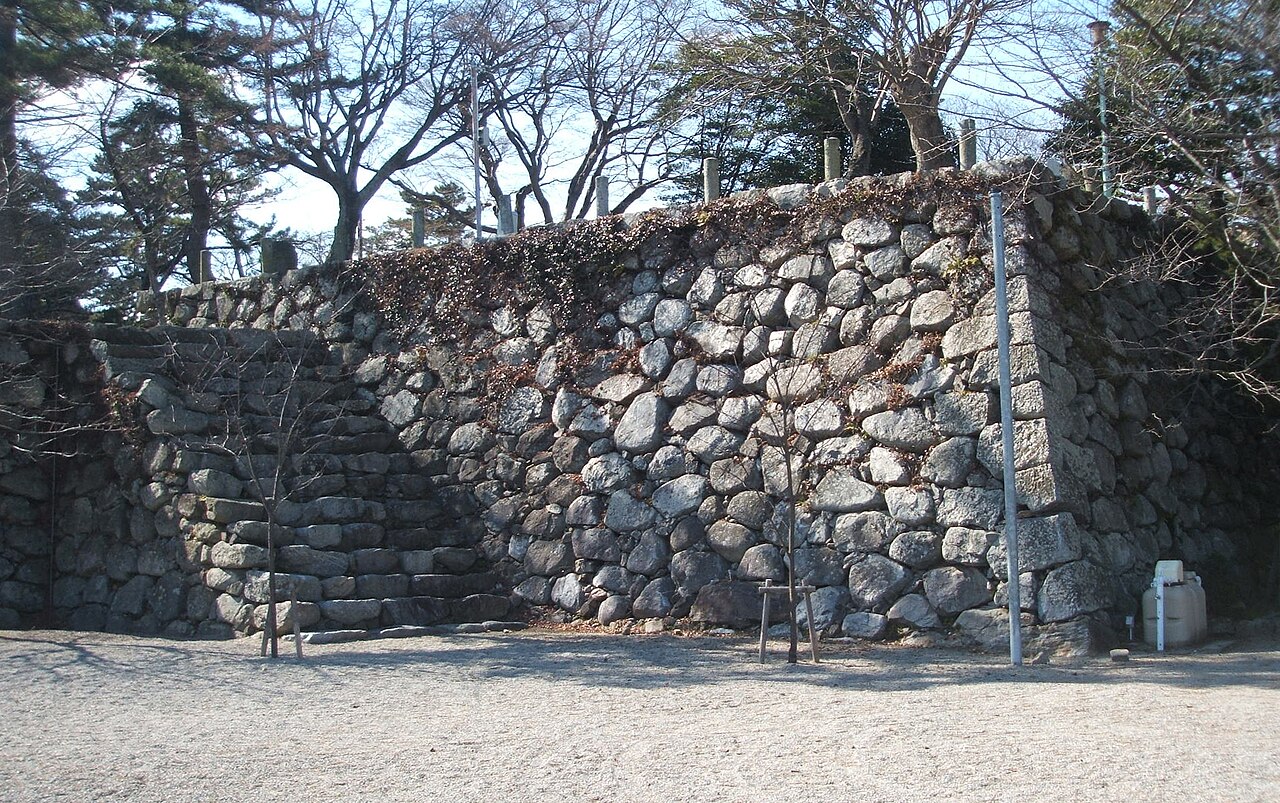
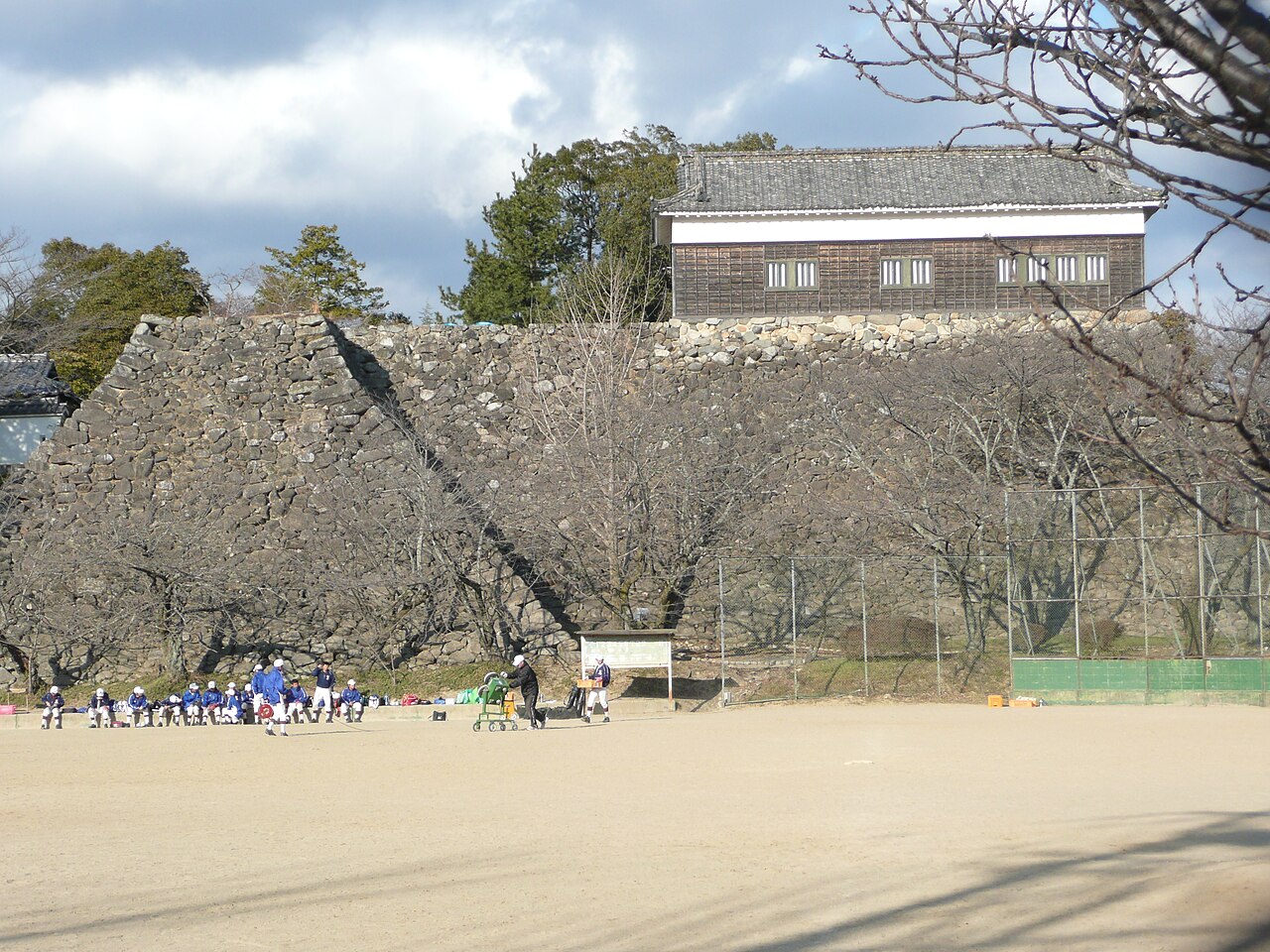
The castle was protected by a series of moats, both dry and water-filled, which encircled the baileys. These moats served as obstacles to invading forces and also helped control access to the castle grounds. The walls were built with large stones carefully fitted together without mortar, a technique known as ishigaki, which is characteristic of Japanese castle architecture.
Main keep and residential quarters
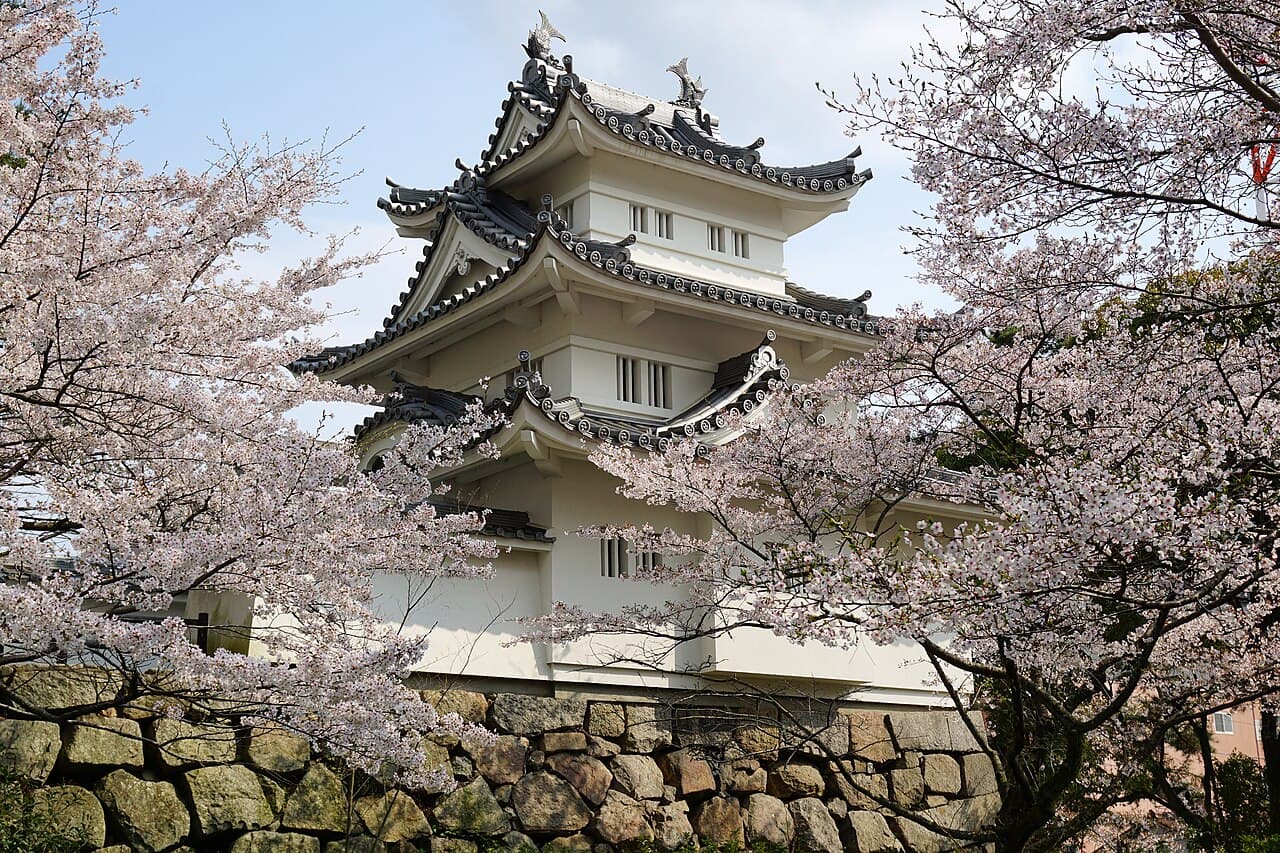
The main keep of Tsu Castle, although not as tall as some other Japanese castles, was a robust structure that combined defensive and residential functions. It was surrounded by secondary buildings including living quarters, storehouses, and administrative offices. The layout was designed to facilitate both defense and the daily operations of the domain's government.
Historical significance and legacy
Tsu Castle played a pivotal role in the region's history, especially during the Edo period when it served as the political center for the Sudo clan. The castle's position allowed the daimyō to oversee the important provinces of Ise and Iga, which were crucial for trade and military movements.
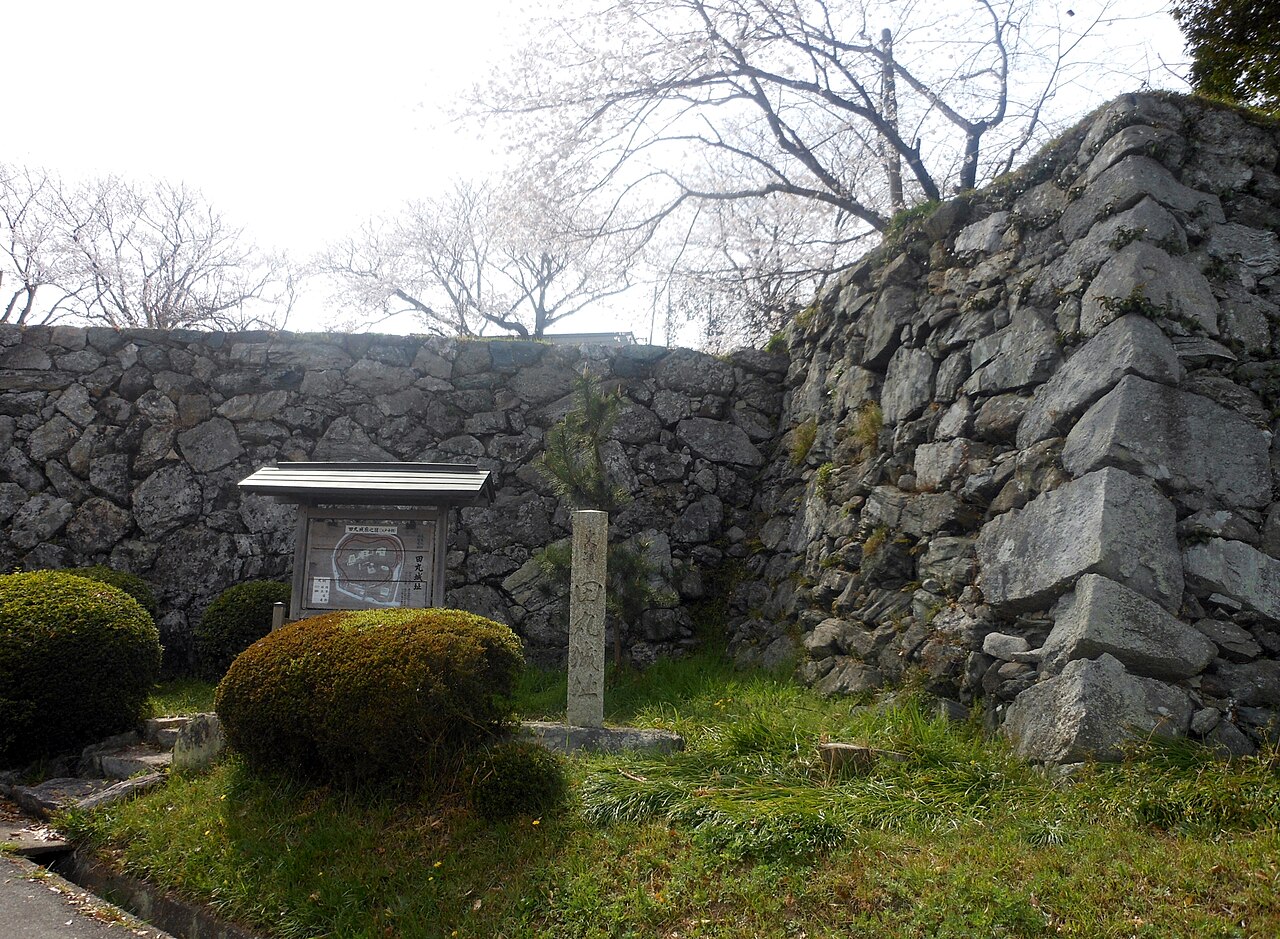
In the Meiji Restoration, like many Japanese castles, Tsu Castle was dismantled as part of the government's efforts to modernize and reduce the power of the feudal lords. Today, the castle no longer stands in its original form, but its ruins are preserved as a Prefectural Historic Site. Visitors can explore the remains of the stone walls, moats, and layout, which provide insight into the castle's past grandeur and architectural sophistication.
Visiting tsub castle today
The castle ruins are accessible to the public and offer a glimpse into Japan's feudal past. The site is appreciated for its historical value and scenic views from the hilltop location. Interpretive signs and local museums provide additional context about the castle's history and the role of the Sudo clan in the Edo period.
Walking paths around the ruins allow visitors to experience the castle's defensive structures and understand the strategic considerations behind its design. The preservation of the site as a historic landmark helps maintain the cultural heritage of Mie Prefecture and educates visitors about Japan's castle architecture and feudal history.
Frequently asked questions (FAQ)
- How do I get to Tsu Castle?
- Tsu Castle is located in Tsu City, Mie Prefecture, Japan. The easiest way to reach the castle is by taking a train to Tsu Station, followed by a short bus ride or a 20-minute walk. Public transportation is well-connected, making it convenient for visitors.
- What is the historical significance of Tsu Castle?
- Tsu Castle, originally built in the early 16th century, served as the seat of the Matsudaira clan during the Edo period. It played a crucial role in regional politics and military strategy of the time. Today, it stands as a symbol of Tsu’s rich history and cultural heritage.
- When was Tsu Castle constructed?
- Tsu Castle was constructed in 1588 by the Matsudaira clan under the leadership of Matsudaira Nobutaka. The castle underwent several renovations and reconstructions over the centuries, reflecting various architectural styles and historical influences. Its current structure largely represents the early 20th-century restoration efforts.
- Can I enter Tsu Castle?
- Yes, visitors can enter Tsu Castle and explore its grounds, which include beautiful gardens and reconstructed buildings. However, access to certain areas may be restricted depending on ongoing restoration work or special events. It’s advisable to check in advance for any visitor guidelines.
- Why is Tsu Castle a popular tourist attraction?
- Tsu Castle is popular due to its historical significance and stunning architecture, which showcases traditional Japanese castle design. The picturesque setting, combined with seasonal beauty such as cherry blossoms in spring and vibrant foliage in autumn, attracts many visitors. It also offers cultural events and exhibitions throughout the year.
- Is it possible to visit Tsu Castle year-round?
- Yes, Tsu Castle is open to visitors year-round, although opening hours may vary seasonally. It's best to check the official website for the most current information on hours and any special closures. Each season offers a different experience, making it a great destination any time of the year.
- What are the ticket prices for Tsu Castle?
- Admission to Tsu Castle is generally affordable, with ticket prices varying for adults, children, and seniors. Discounts are often available for groups or special events. Always check the official site for the latest pricing information before your visit.
- What are the best times to visit Tsu Castle?
- The best times to visit Tsu Castle are during the spring cherry blossom season (March to April) and the autumn foliage season (November). These times offer spectacular natural beauty and pleasant weather for exploring the castle grounds. Additionally, various festivals and events take place during these seasons, enhancing the visitor experience.
- Are there any nearby attractions to Tsu Castle?
- Yes, visitors can explore several nearby attractions, including Tsu City Museum, historic temples, and beautiful parks. The area is rich in culture and history, making it a great spot for a full day of exploration. Don't miss the chance to enjoy local cuisine at nearby restaurants as well.
Photo gallery

Information
Loading map...
Visitor reviews
No reviews yet. Been here? Write the first review and help other travelers!
Write the first reviewVisited this castle? Share your experience
Your review helps other travelers and adds first-hand knowledge to our encyclopedia.