Kameyama Castle (Mie)
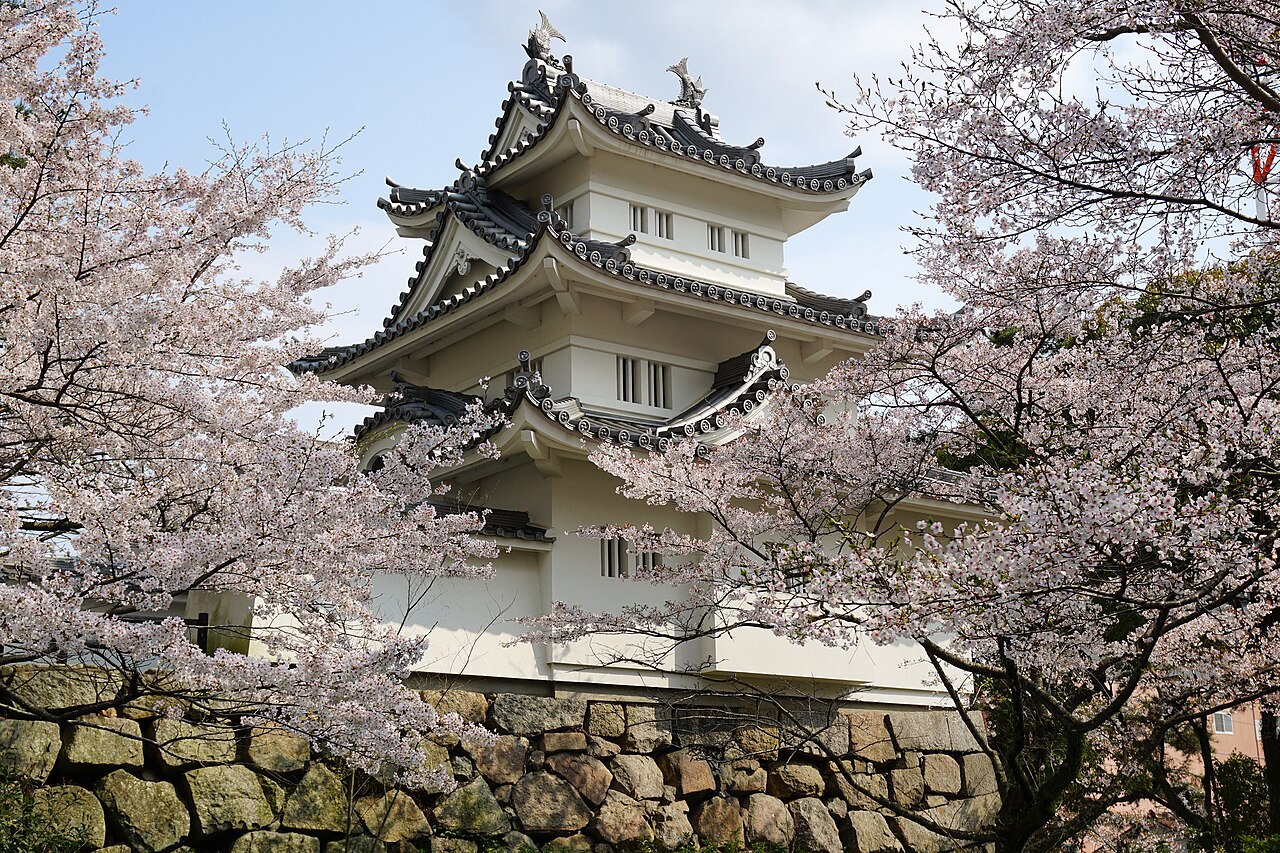
Kameyama Castle (亀山城, Kameyama-jō) is a historic hill castle situated in Kameyama city, in the northern part of Mie Prefecture, Japan. Constructed in the 16th century, this castle played a significant role during the Sengoku period and into the Edo period, serving as the seat of the Ishikawa clan, the daimyō of the Ise-Kameyama Domain. It is also known by the alternate name Kochō-jō (粉蝶城), which translates to "Butterfly Castle," reflecting a poetic aspect of its history or appearance.
Historical significance and ownership
Kameyama Castle was originally constructed in 1590 by Okudaira Nobumasa, a notable samurai and retainer of Tokugawa Ieyasu. Nobumasa was entrusted with the castle as part of the Tokugawa clan's efforts to consolidate power in the region during the late Sengoku period. The castle's strategic location on a hill provided commanding views over the surrounding plains, making it a valuable military and administrative center.
During the Edo period, the castle became the administrative headquarters for the Ise-Kameyama Domain. The Ishikawa clan governed from here, overseeing local affairs and maintaining order under the Tokugawa shogunate's feudal system. The castle's role as a political and military hub was crucial in maintaining Tokugawa authority in the area.
Architectural features and layout
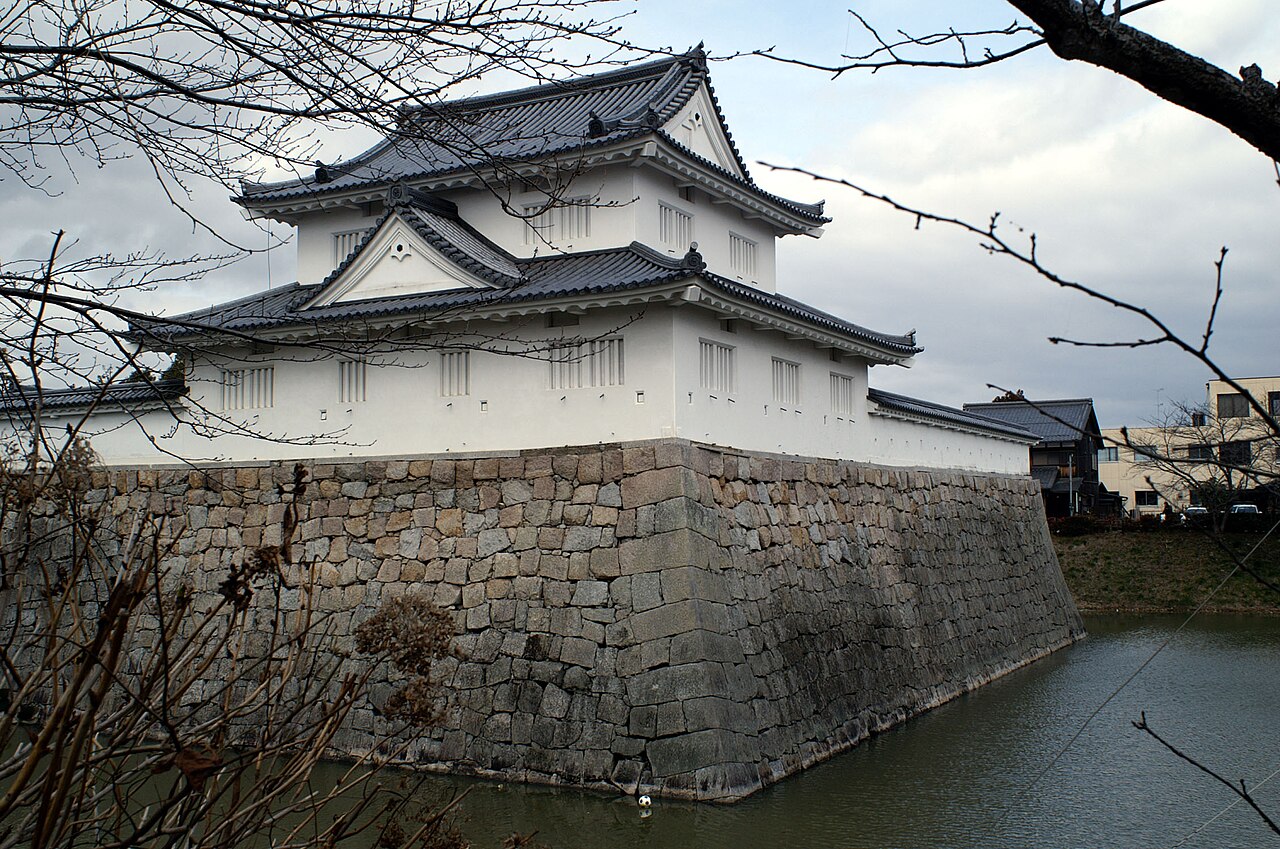
Kameyama Castle exemplifies typical Japanese hill castle architecture of the late 16th century, incorporating natural topography for defense. The castle was built on a hilltop with steep slopes, surrounded by moats and stone walls that enhanced its defensibility. Its layout included multiple baileys (courtyards), with the honmaru (main bailey) serving as the central stronghold.
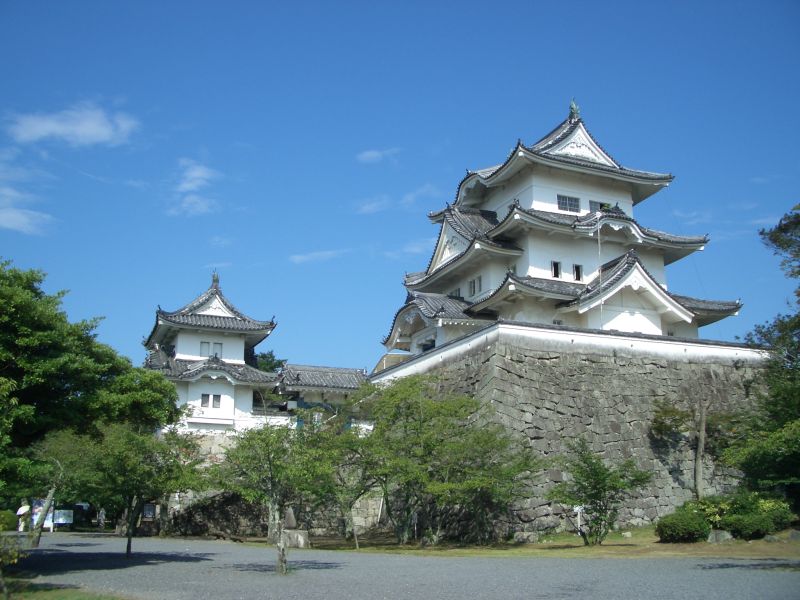
The castle featured earthen ramparts and stone walls arranged to create layered defenses against attackers. The main keep or tenshu was a multi-storied structure that dominated the skyline, though it was modest in scale compared to some contemporaries. The castle also included gates with defensive features such as masugata (square-shaped defensive enclosures) to trap invaders.
One notable architectural aspect is the castle's use of natural terrain to enhance defense, with steep cliffs and wooded areas integrated into its protective design. This approach was common in hill castles of the period, combining man-made fortifications with the landscape.
The castle during the edo period
Throughout the Edo period, Kameyama Castle served as the administrative center for the Ise-Kameyama Domain. The Ishikawa clan, as daimyō, maintained the castle and governed the domain in accordance with the Tokugawa shogunate's policies. The castle's buildings were adapted over time to suit administrative and residential needs rather than purely military functions.
Despite its military origins, the castle became more of a symbol of feudal authority and governance during this era. The castle town around it developed, serving as a hub for commerce and local culture.
Decline and current condition
Following the Meiji Restoration in the late 19th century, many Japanese castles were dismantled or fell into ruin as the feudal system was abolished. Kameyama Castle was no exception; its main structures were demolished, and much of the site was repurposed.
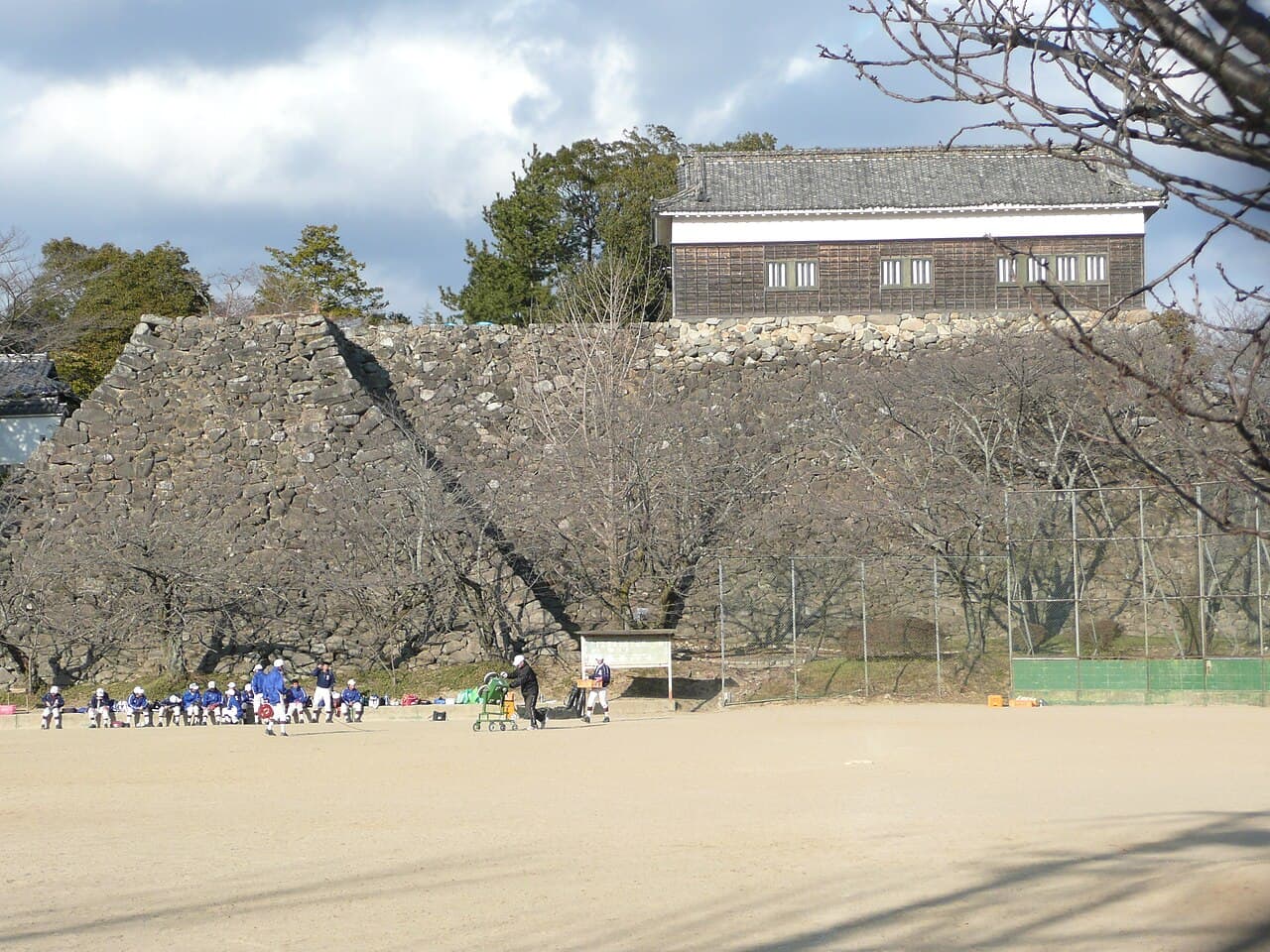
Today, the castle remains primarily as ruins, with remnants of stone walls, moats, and earthworks visible. The site is a public park, allowing visitors to explore the historic grounds and appreciate the castle's former strategic importance and architectural features. Interpretive signs provide historical context, and the location offers panoramic views of the surrounding area.
Visiting kameyama castle
Kameyama Castle is accessible to visitors year-round, with no entrance fee. The site is popular for its scenic views and historical ambiance. Walking trails lead through the ruins, highlighting key features such as the remaining stone walls and gate foundations.
The castle's location in Kameyama city makes it a convenient destination for those interested in Japanese history and castle architecture. Nearby attractions include local temples and traditional streets that complement the cultural experience.
Architectural style and classification
The castle is classified as a hill castle (yamashiro), a common type in Japan characterized by its elevated position and use of natural terrain for defense. Its architectural style reflects the late Sengoku to early Edo period military design, emphasizing practical fortifications rather than elaborate ornamentation.
While the existing metadata lists the period as Renaissance, it is more accurate to associate Kameyama Castle with the late medieval to early modern period in Japanese history, spanning the late 16th to early 17th centuries. The architectural style is distinctly Japanese feudal rather than European Renaissance.
Photo gallery

Information
Loading map...
Visitor reviews
No reviews yet. Been here? Write the first review and help other travelers!
Write the first reviewVisited this castle? Share your experience
Your review helps other travelers and adds first-hand knowledge to our encyclopedia.