Matsusaka Castle
Matsusaka Castle stands as a significant historical monument in Matsusaka, Japan, renowned for its strategic hilltop location and impressive fortifications. Constructed in 1588 by Gamo Ujisato, the castle was designed with strong influences from the famous Azuchi Castle, reflecting the architectural innovations of the late 16th century. This hill castle played a crucial role not only as a military stronghold but also as the nucleus of a thriving castle town that contributed to the region's economic development.
Architectural design and fortifications
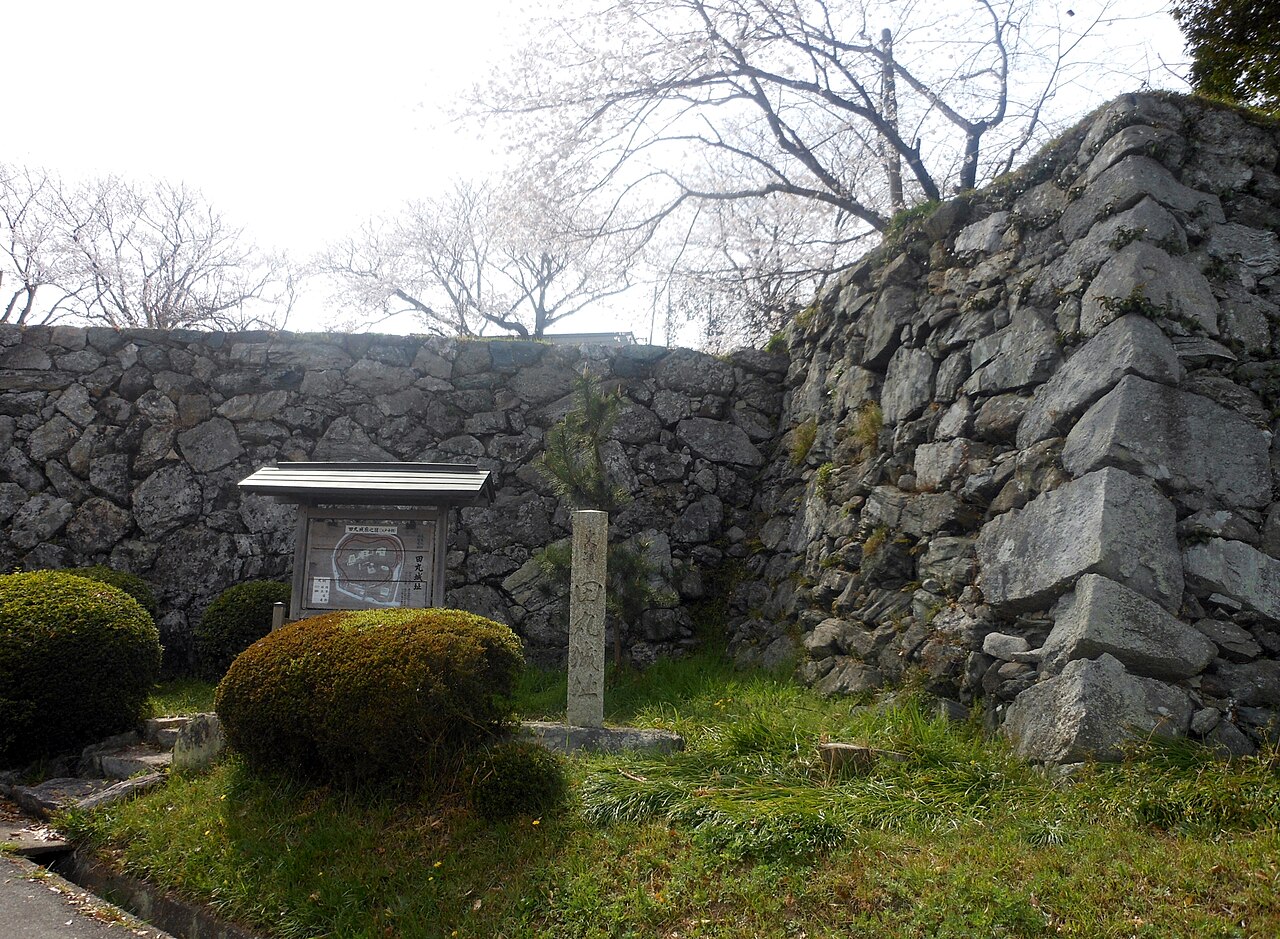
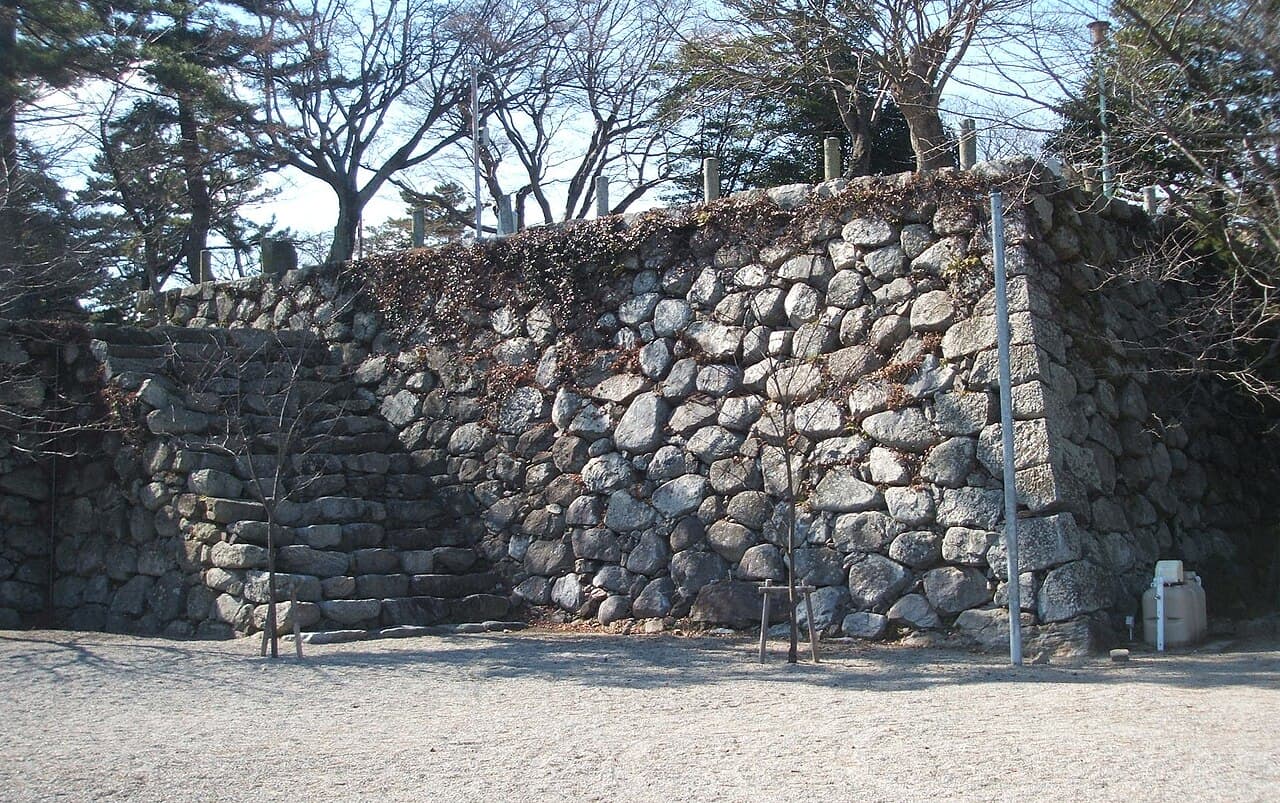
The castle's layout showcases the sophisticated defensive strategies characteristic of the Renaissance period in Japan. Matsusaka Castle features extensive stone walls (ishigaki) that enclose its multiple baileys, providing formidable protection against invaders. These stone fortifications are among the most imposing and photogenic in the region, praised for their craftsmanship and scale. Visitors can explore the remains of the honmaru sekirui (main enclosure stone structures) and several well-preserved gates that highlight the castle's defensive complexity.
Unlike many other castles, the site allows close access to the edges of the stone walls without restrictive fencing, offering a unique opportunity to appreciate the castle's original defensive architecture. The castle's position on a hill enhances its strategic advantage, providing sweeping views of the surrounding city and landscape.
Historical significance and castle town development
Gamo Ujisato, the castle's builder, was not only a military leader but also a visionary urban planner. He implemented the Rakuichi-rakuza system, a policy promoting free trade to stimulate economic growth. Ujisato actively developed the castle town by constructing and redirecting the Sangu-kaido road, a vital route connecting Matsusaka to the important religious site of Ise Shrine.
He encouraged the migration of moneylenders from Matsugashima Castle, merchants from Hino in Omi, and shipping agents to Matsusaka, fostering a bustling commercial center. This economic vitality continued under the Tokugawa shogunate, particularly during the tenure of Tokugawa Yorinobu, when local merchants prospered and were granted the right to print hansatsu (domain-issued currency) for the Kishu-han domain.
The city is historically famous for its production of Matsusaka momen (cotton textiles), Ise Oshiroi (traditional cosmetics), and Gikaku-shi (a type of paper), and today it is renowned worldwide for Matsusaka beef.
Visitor experience and surrounding attractions
Today, Matsusaka Castle is partially preserved, with the stone walls and some structures remaining as ruins that are easily accessible to visitors. The castle grounds require no uphill hiking, making exploration convenient and enjoyable. From the top of the ruins, visitors can enjoy panoramic views of Matsusaka city and spot other historic sites.
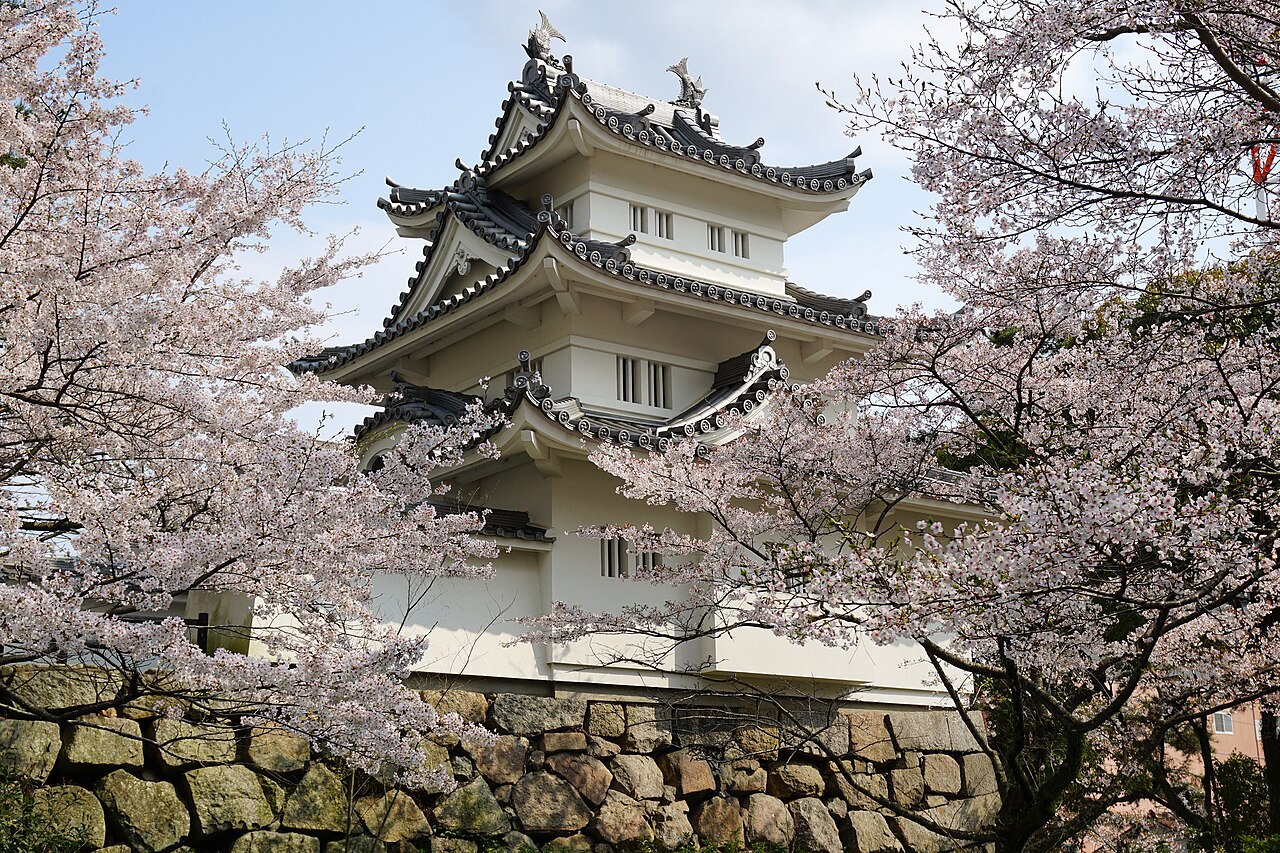
The nearby Municipal Museum of History and Folklore offers a Hyakumeijo stamp for castle enthusiasts and exhibits detailing the rich history of Matsusaka as a merchant town. The museum is open daily from 9:00 to 16:00 with a modest entry fee. Visitors are also encouraged to explore the nearby Tamaru Castle ruins, which feature additional impressive stone walls and castle remains.
Additional cultural attractions in Matsusaka include the birthplace of the Mitsui family, the house of the Hasegawas, the Memorial Museum of Matsusaka Merchants, the Memorial to Motoori Norinaga (Suzu-no-ya), and several Edo period samurai residences such as Gojoban Yashiki. The local train station is famous for selling Matsusaka beef Ekiben, a popular boxed meal featuring the region's prized beef.
Cultural and architectural legacy
Matsusaka Castle remains a valuable cultural asset, exemplifying the fusion of military architecture and urban economic planning in late 16th-century Japan. Its stone walls and gate structures are particularly admired by enthusiasts of Japanese castle architecture. The castle's historical role in fostering trade and commerce underlines its importance beyond mere military functions.
The castle's name is sometimes subject to confusion due to the kanji character for "saka"; while some sources use the character 坂, the correct character is 阪, the same as in Osaka, reflecting local linguistic nuances.
Frequently asked questions (FAQ)
- How do I get to Matsusaka Castle?
- Matsusaka Castle is located in Matsusaka city, Mie Prefecture, and is accessible by local transportation from Matsusaka Station. The castle ruins are within walking distance of the city center.
- What is the best time to visit Matsusaka Castle?
- The castle is enjoyable year-round, but spring and autumn offer pleasant weather and scenic views. The site is open daily from 9:00 to 16:00.
- Are there guided tours available at Matsusaka Castle?
- While there are no regular guided tours, the nearby Municipal Museum of History and Folklore provides detailed exhibits and brochures in English to enhance your visit.
- Can I explore the stone walls and gates of Matsusaka Castle?
- Yes, visitors can freely explore the castle's stone walls and gates without restrictions, allowing close-up views of these impressive architectural features.
- Is Matsusaka Castle suitable for families with children?
- Yes, the castle grounds are easy to navigate with no steep climbs, making it suitable for families and visitors of all ages.

Information
Sources & official resources
Verify the information above using these authoritative references.
Loading map...
Visitor reviews
No reviews yet. Been here? Write the first review and help other travelers!
Write the first reviewVisited this castle? Share your experience
Your review helps other travelers and adds first-hand knowledge to our encyclopedia.