Tamaru Castle (田丸城, Tamaru-jō) is a historically significant hill castle located in Tamaki, in the northern part of Mie Prefecture, Japan. The castle's strategic position atop a hill provided natural defensive advantages, a common feature in Japanese castle construction to oversee and control the surrounding territory. It played an important role during the Edo period, serving as the seat of the Kuno clan, who were the daimyō of the Tamaru Domain. The Kuno clan also held the hereditary position of karō, senior retainers, to the powerful Kii Domain, indicating Tamaru Castle's political and military significance within the feudal hierarchy of the time.
Historical background and significance
The origins of Tamaru Castle date back to the Sengoku period, a time of intense military conflict and political upheaval in Japan. It was constructed primarily for military defense and administration of the surrounding lands. Over time, the castle evolved under the stewardship of various clans before becoming the residence of the Kuno family during the Edo period, when Japan was unified under the Tokugawa shogunate. The Kuno clan's governance from Tamaru Castle reflects the complex feudal system where local lords managed domains while pledging loyalty to higher authorities.
Role in Edo period governance
During the Edo period, Tamaru Castle was not only a military stronghold but also a center of local administration. The Kuno clan, as daimyō, managed agricultural production, collected taxes, and maintained order within the Tamaru Domain. Their role as hereditary karō to the Kii Domain further emphasized their political importance, as they acted as senior advisors and administrators under the Kii Tokugawa family, one of the three main branches of the Tokugawa clan.
Architectural features and layout
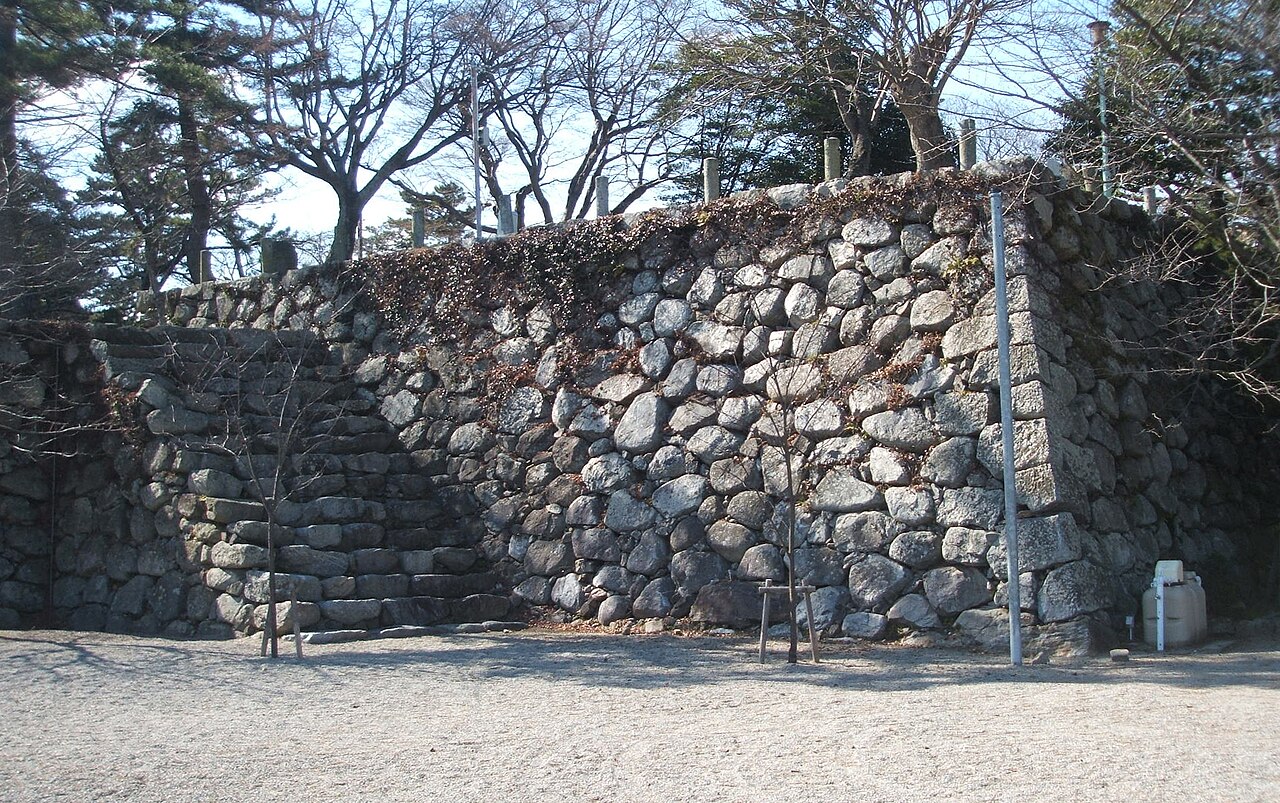
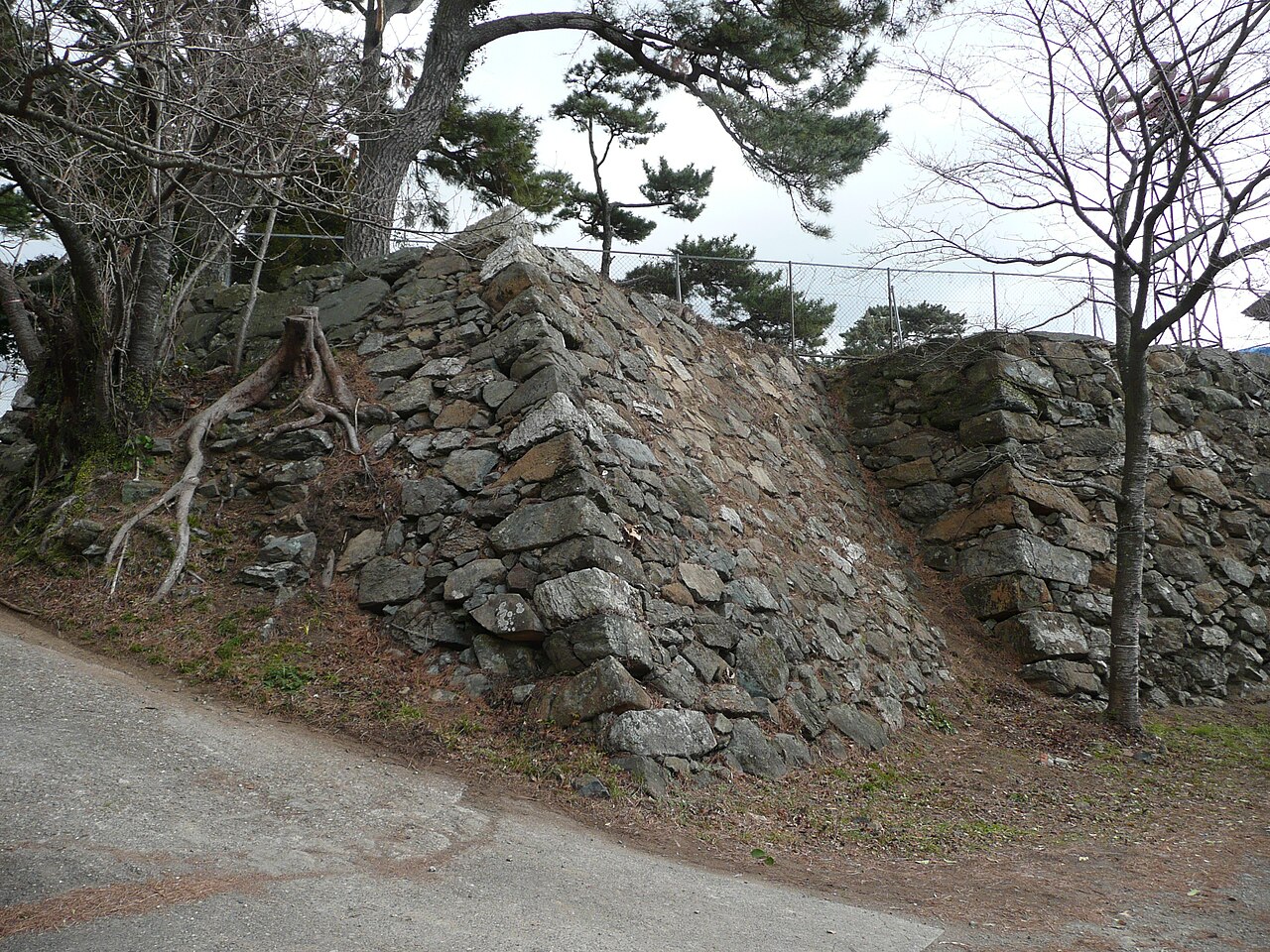
Tamaru Castle exemplified typical features of Japanese hill castles, designed to maximize natural terrain for defense. The castle complex included multiple baileys (courtyards) arranged on different elevations, connected by gates and winding paths that complicated enemy approach. The defensive structures likely included stone walls, wooden palisades, and moats, common in castles of this type and period.
Main structures and fortifications
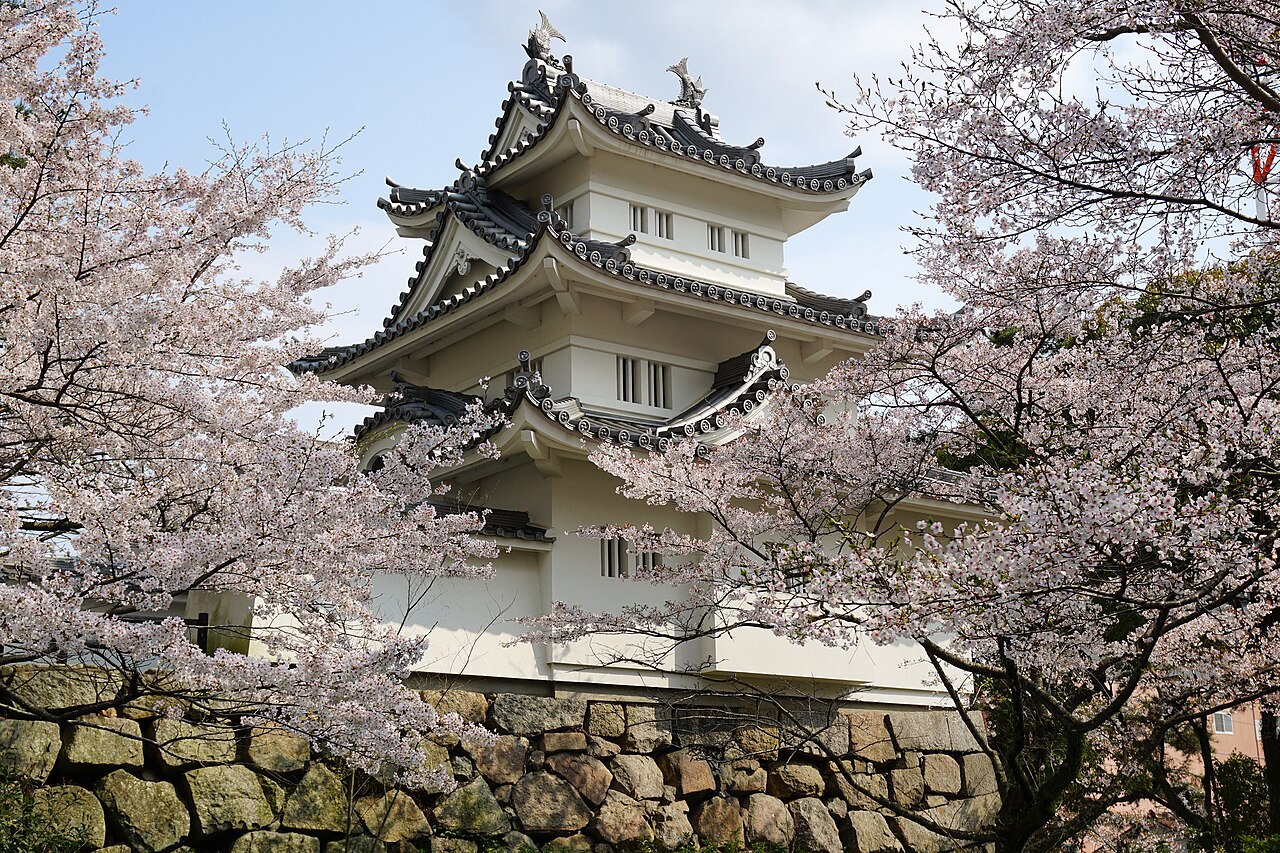
The main enclosure (honmaru) would have housed the lord's residence and central administrative buildings. Secondary enclosures (ni-no-maru and san-no-maru) provided additional layers of defense and space for retainers and storage. Watchtowers and gates were strategically placed to monitor and control access. Although much of the original wooden architecture has not survived, archaeological remains and historical records provide insight into the castle's layout and construction techniques.
Decline and preservation
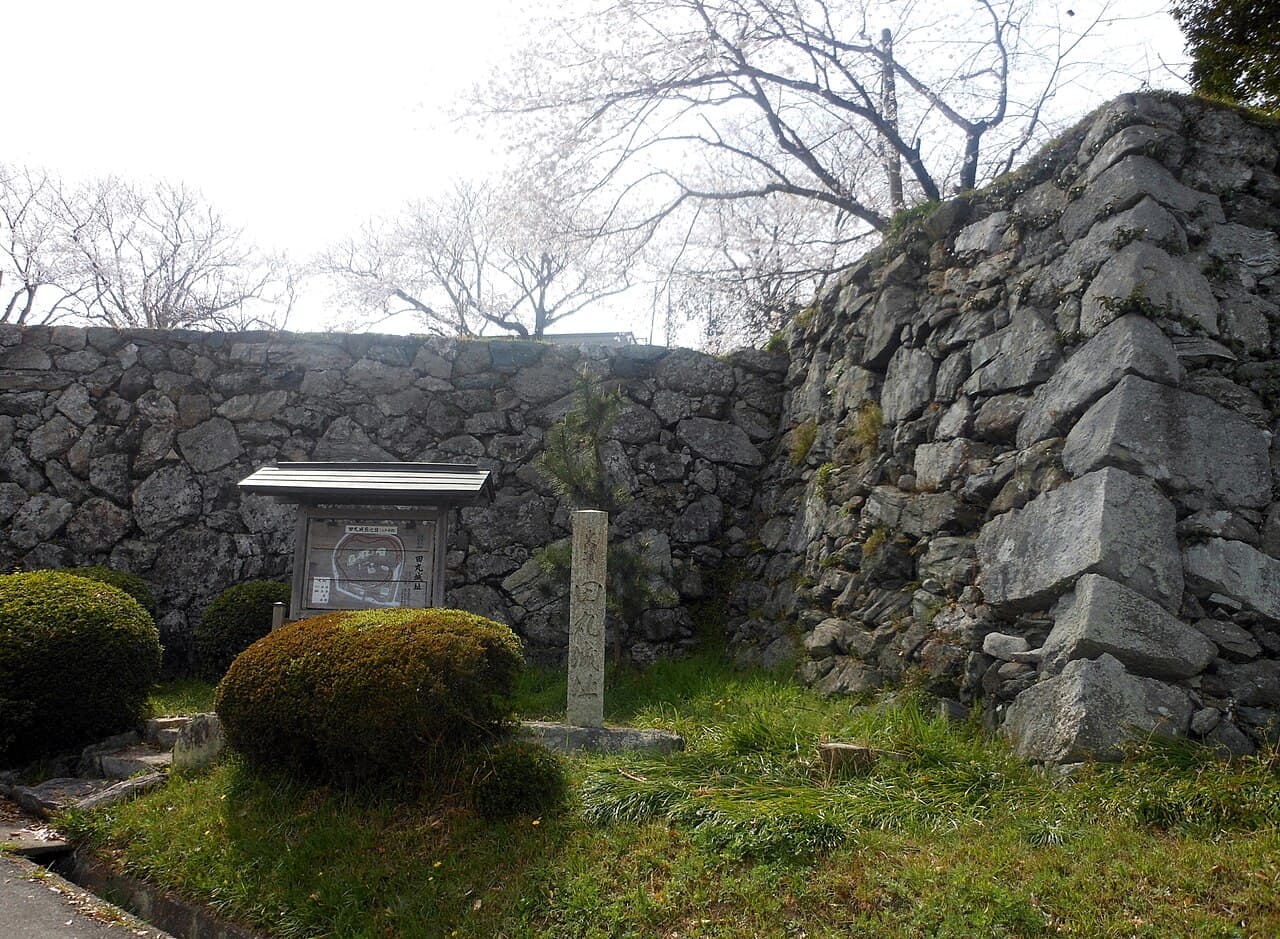
Following the Meiji Restoration and the subsequent abolition of the feudal domain system in the late 19th century, Tamaru Castle was dismantled as part of the nationwide effort to modernize Japan and reduce the power of former feudal lords. Many of its buildings were destroyed or fell into ruin. Today, the site is preserved as a Mie Prefecture Historic Site, with ruins that include remnants of stone walls and earthworks.
The castle grounds are accessible to visitors interested in Japanese history and castle architecture. Interpretive signs and local museums provide educational context about the castle's role in regional history and its architectural characteristics. The preservation of Tamaru Castle's ruins contributes to understanding Japan's feudal past and the evolution of castle design.
Visiting Tamaru Castle today
Visitors to Tamaru Castle can explore the ruins and enjoy views of the surrounding landscape from the elevated site. The location offers a glimpse into the defensive strategies employed in hill castles and the lifestyle of the Edo-period samurai class. Seasonal events and guided tours occasionally highlight the castle's history and cultural significance within Mie Prefecture.
Frequently asked questions (FAQ)
- How do I get to Tamaru Castle?
- Tamaru Castle is located in Tamaki, Japan, easily accessible by public transportation. You can take a local train or bus to Tamaki Station and then enjoy a short walk to the castle grounds.
- What is the historical significance of Tamaru Castle?
- Tamaru Castle, built in the early 17th century, played a crucial role in the region’s defense during the Edo period. It served as a strategic stronghold for local samurai and reflects the architectural styles of the time.
- When was Tamaru Castle constructed?
- Tamaru Castle was constructed in 1601 and has undergone various restorations since then. Its historical significance and well-preserved structures make it a fascinating site for visitors interested in Japanese history.
- Can I take guided tours of Tamaru Castle?
- Yes, guided tours are available at Tamaru Castle, providing visitors with in-depth knowledge about its history and architecture. These tours are offered in multiple languages to accommodate international guests.
- Why is Tamaru Castle considered an architectural marvel?
- Tamaru Castle is renowned for its unique design, featuring traditional Japanese castle architecture that includes intricate wooden structures and stone walls. The castle’s design reflects the military strategies of its time, making it an essential study for architecture enthusiasts.
- Is it possible to visit Tamaru Castle year-round?
- Yes, Tamaru Castle is open to visitors throughout the year, though some areas may be restricted during winter months due to weather conditions. It's best to check the official website for any seasonal changes in access.
- What are the opening hours for Tamaru Castle?
- Tamaru Castle typically opens at 9:00 AM and closes at 5:00 PM daily. However, these hours may vary, so it’s advisable to verify the current schedule before your visit.
- What are the ticket prices for visiting Tamaru Castle?
- Admission to Tamaru Castle is reasonably priced, with tickets available for adults, children, and seniors. Discounts may be offered for groups, so it's worth inquiring at the ticket booth upon arrival.
- When is the best time to visit Tamaru Castle?
- The best time to visit Tamaru Castle is during the spring and autumn months when the weather is pleasant, and the surrounding gardens are in full bloom. These seasons also host various cultural events that enhance the visitor experience.
- Are there any nearby attractions to visit while at Tamaru Castle?
- Yes, several attractions are located near Tamaru Castle, including beautiful parks and local museums that showcase the region's history. Visitors can also explore traditional Japanese tea houses and enjoy local cuisine in the vicinity.
Photo gallery

Information
Loading map...
Visitor reviews
No reviews yet. Been here? Write the first review and help other travelers!
Write the first reviewVisited this castle? Share your experience
Your review helps other travelers and adds first-hand knowledge to our encyclopedia.