Tsepina
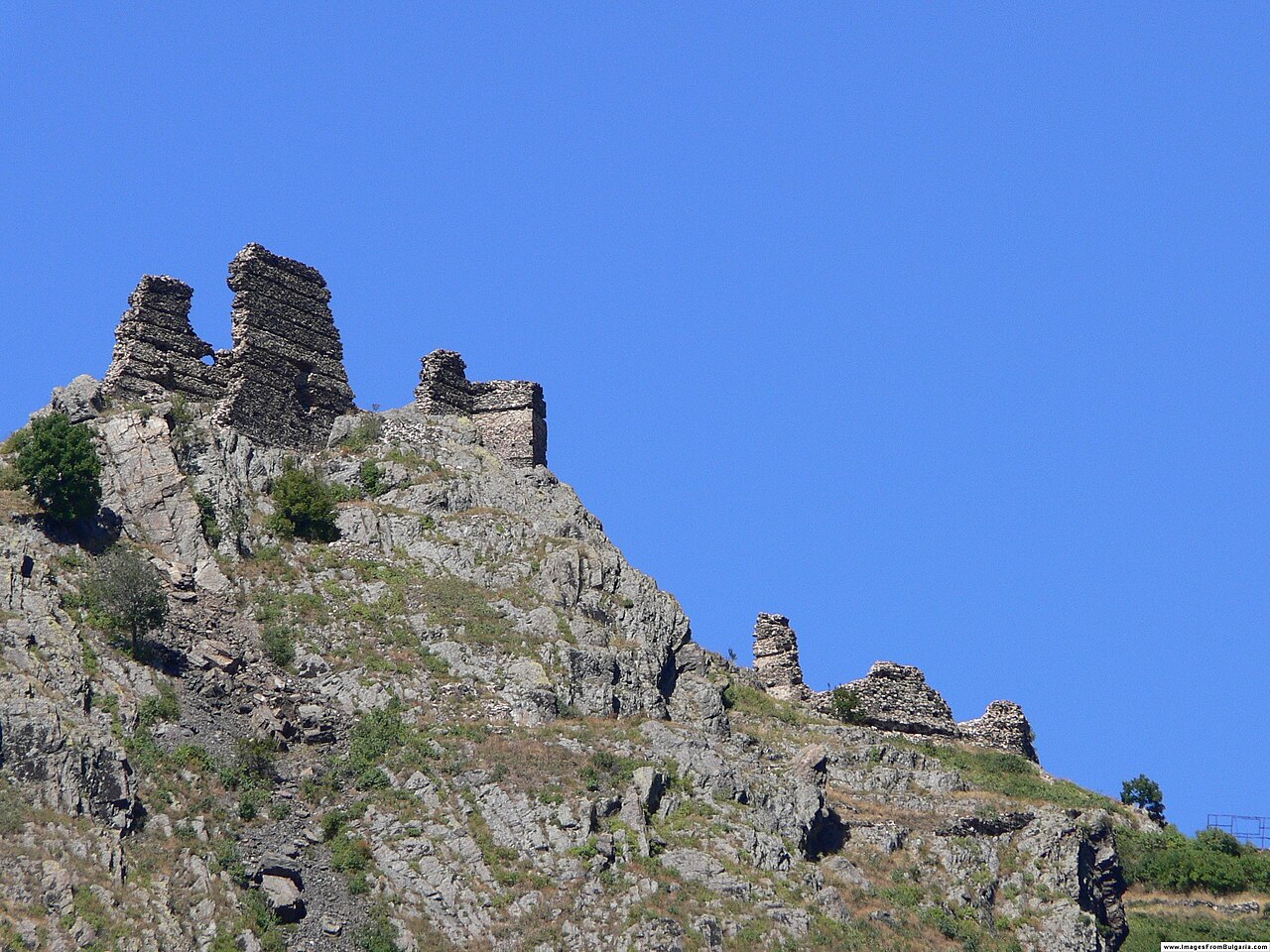
Tsepina (Bulgarian: Цепина) or Tzepaina (Greek: Τζέπαινα) is a significant medieval castle and town ruin located in the western Rhodope mountains of southern Bulgaria. Situated approximately 6 kilometres from the village of Dorkovo in the northeastern part of the Chepino Valley, the site lies at an altitude of 1,136 metres (3,727 feet) above sea level on a steep rocky height. The castle complex occupies a strategic position overlooking the surrounding landscape, which historically provided both defense and control over the region.
Historical significance and location
The remains of Tsepina reflect its former importance as a fortified settlement during the medieval period. The site was a key stronghold in the western Rhodopes, controlling vital mountain passes and trade routes. Its elevated position at over 1,100 metres gave it a commanding view and natural defensive advantages, which were further enhanced by extensive fortifications.
Architectural layout and features
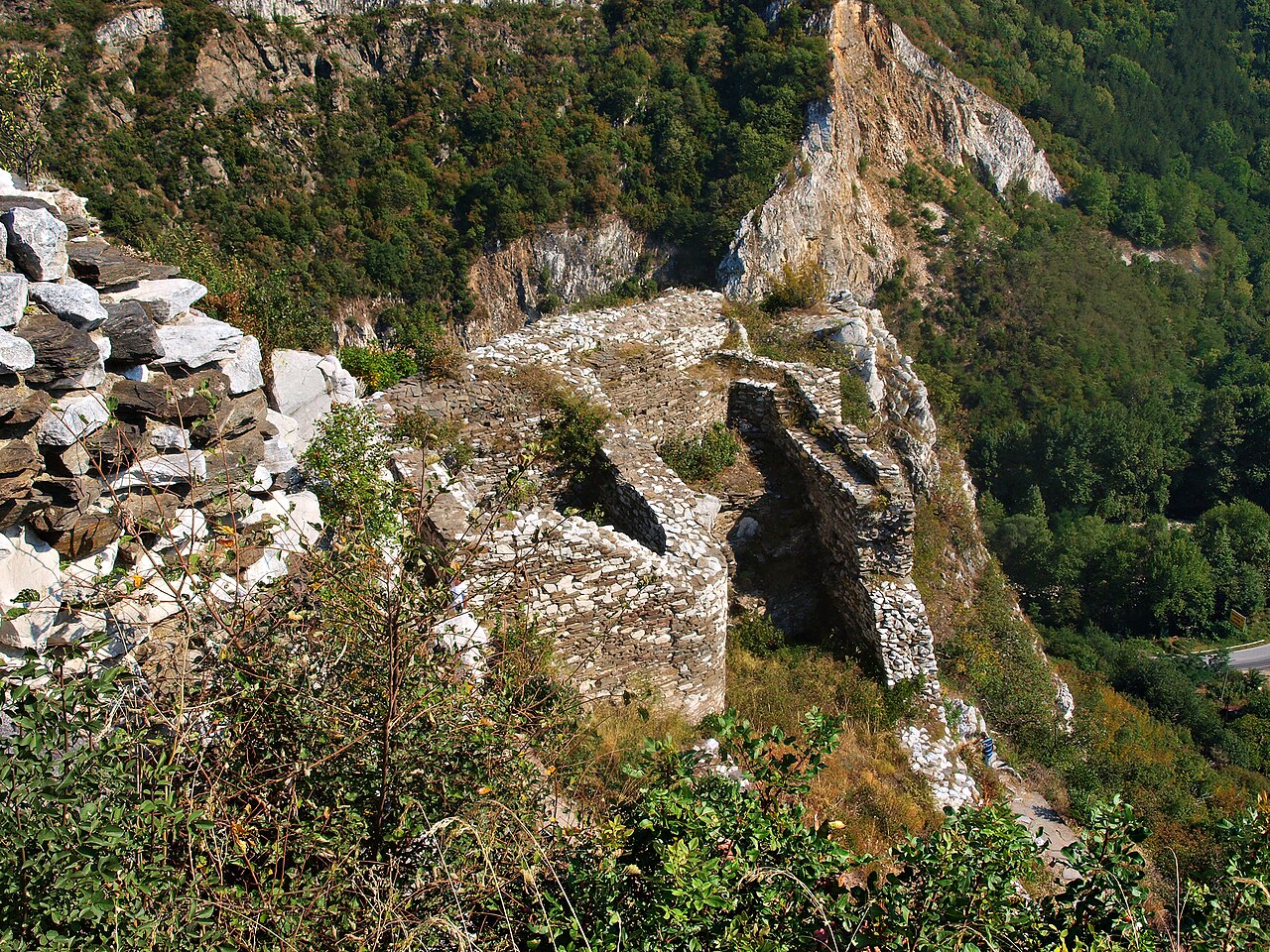
The castle's outer walls enclosed an area of about 25 decares (approximately 25,000 square meters), forming a roughly irregular perimeter adapted to the natural terrain of the steep cliff. At the highest point of the fortress stood a prominent citadel, which served as the final defensive refuge and administrative center of the castle town.
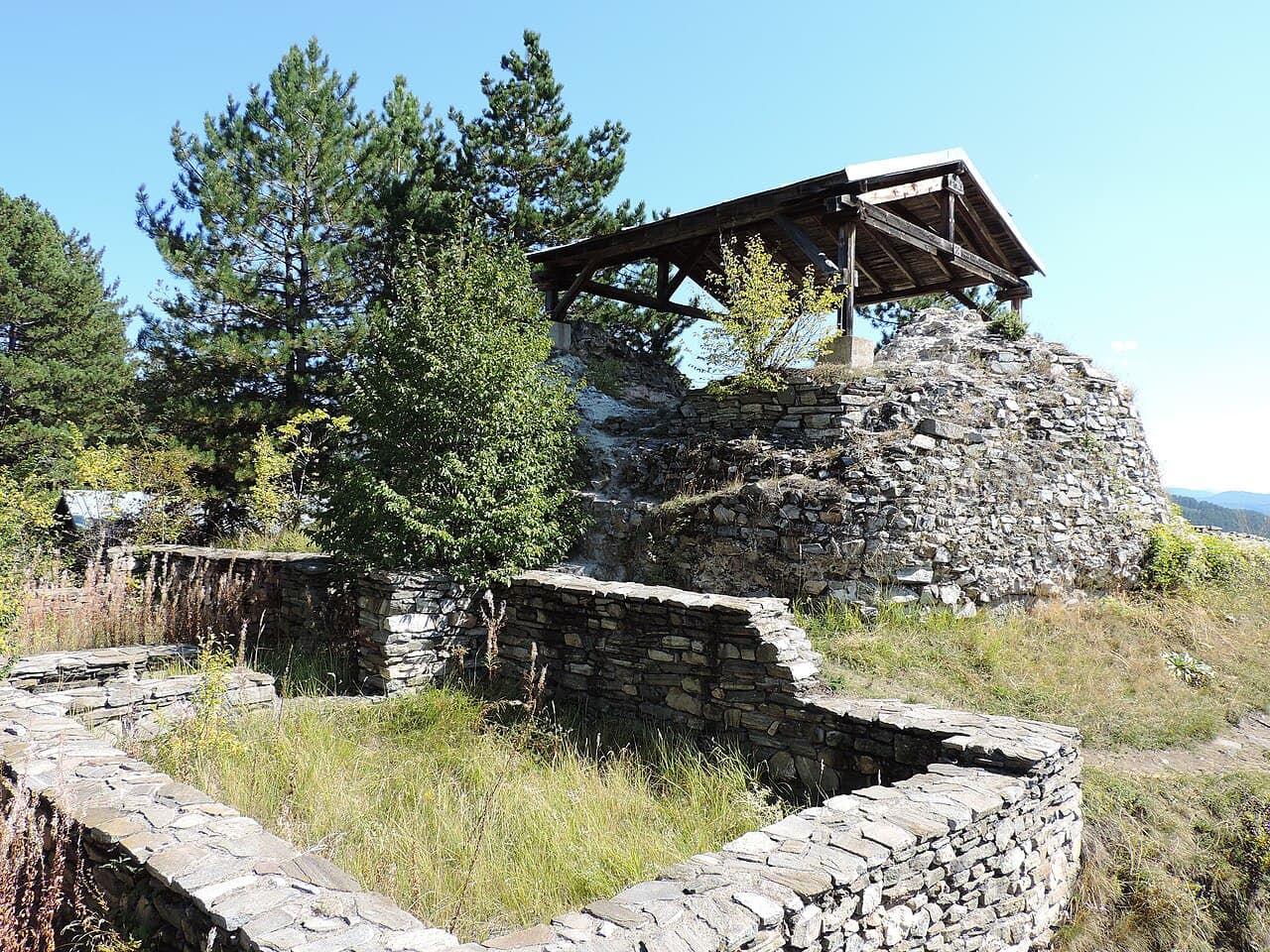
Excavations at the site have uncovered the foundations of three churches, indicating the religious significance and the presence of a settled community within the fortress walls. These ecclesiastical buildings suggest that Tsepina was not only a military installation but also a center of local spiritual life.
Another remarkable feature of the site is the discovery of four large water storage tanks, some reaching depths of up to 10 metres (33 feet). These cisterns were essential for collecting and storing rainwater, ensuring a reliable water supply during sieges or dry periods. The presence of such infrastructure highlights the advanced planning and engineering skills of the castle's builders.
Construction and materials
The castle was constructed primarily from local stone, carefully fitted to the contours of the rocky outcrop. The walls and defensive structures exhibit typical medieval masonry techniques, with thick walls designed to withstand attacks. The steep terrain and natural rock formations were incorporated into the fortifications, making the castle difficult to assault.
Current condition and archaeological research
Today, Tsepina stands as ruins, classified as an archaeological site. The remains provide valuable insights into medieval fortification architecture and settlement patterns in the Rhodope mountains. Ongoing archaeological work continues to uncover more about the castle's layout, construction phases, and the daily life of its inhabitants.
Visitors to the site can explore the ruins, including the outlines of the outer walls, the citadel area, and the church foundations. The water tanks remain visible, illustrating the ingenuity of medieval water management in a mountainous environment.
Access and surrounding landscape
The site is accessible from the nearby village of Dorkovo and offers panoramic views of the Chepino Valley and the surrounding Rhodope mountain range. The rugged terrain and natural beauty of the area add to the experience of visiting this historic fortress.
Frequently asked questions (FAQ)
- How do I get to Tsepina castle ruins?
- Tsepina castle ruins are located about 6 kilometers from the village of Dorkovo in the northeastern Chepino Valley. Visitors can reach the site by car or on foot via marked trails from Dorkovo.
- What is the historical significance of Tsepina castle?
- Tsepina was a key medieval fortress controlling mountain passes in the western Rhodope mountains. It served as a military stronghold and a local administrative center during the late medieval period.
- What can I see at the Tsepina ruins?
- Visitors can explore the remains of the outer walls, a citadel, foundations of three churches, and large water storage tanks. These features illustrate the castle's defensive and community functions.
- Is Tsepina castle accessible for visitors year-round?
- The site is generally accessible year-round, but weather conditions in the Rhodope mountains can affect access. Spring through autumn is the best time to visit for safer and more comfortable conditions.
- Are there guided tours available at Tsepina?
- Guided tours may be available through local tourism providers in the Plovdiv region. Visitors should check with local tourist information centers for current offerings.
Photo gallery

Information
Loading map...
Visitor reviews
No reviews yet. Been here? Write the first review and help other travelers!
Write the first reviewVisited this castle? Share your experience
Your review helps other travelers and adds first-hand knowledge to our encyclopedia.