Asen's Fortress
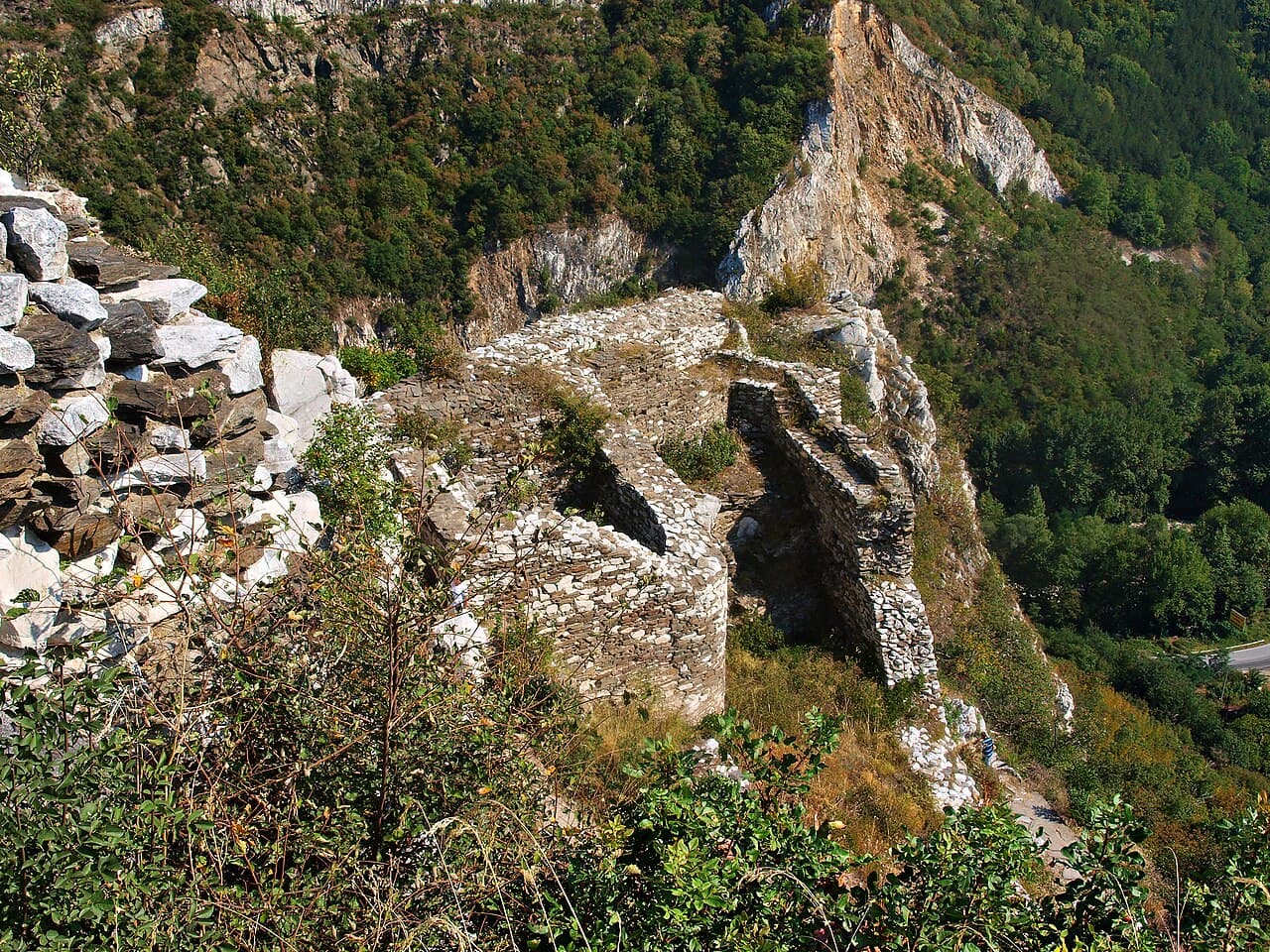
Asen's Fortress (Bulgarian: Асенова крепост, romanized: Asenova krepost) is a notable medieval fortress located in the Rhodope Mountains of southern Bulgaria. Situated approximately 2 to 3 kilometres south of Asenovgrad town, the fortress occupies a commanding position on a high rocky ridge overlooking the left bank of the Asenitsa River. At an elevation of 279 metres above sea level, it dominates the surrounding landscape and historically served as a strategic defensive site.
The fortress is often identified by researchers with the medieval town of Petrich and is part of the Asenovgrad Municipality within Plovdiv Province. Its ruins today provide valuable insight into the military architecture and regional history of the Bulgarian lands during the Middle Ages.
Historical context and significance
Asen's Fortress dates primarily from the late medieval period, with its origins likely extending back to the Second Bulgarian Empire (12th–14th centuries). The fortress was named after Tsar Ivan Asen II, one of Bulgaria's most powerful rulers, who reigned from 1218 to 1241. Under his leadership, the Bulgarian state reached a peak of territorial expansion and cultural development, and fortifications like Asen's Fortress played a key role in securing the empire's borders and protecting important routes.
The fortress was strategically important as it controlled access through mountain passes and served as a military stronghold against invasions, especially from the Byzantine Empire and later the Ottoman Turks. It was part of a network of fortifications that safeguarded the region during turbulent times marked by frequent warfare and shifting political control.
Architectural features and layout
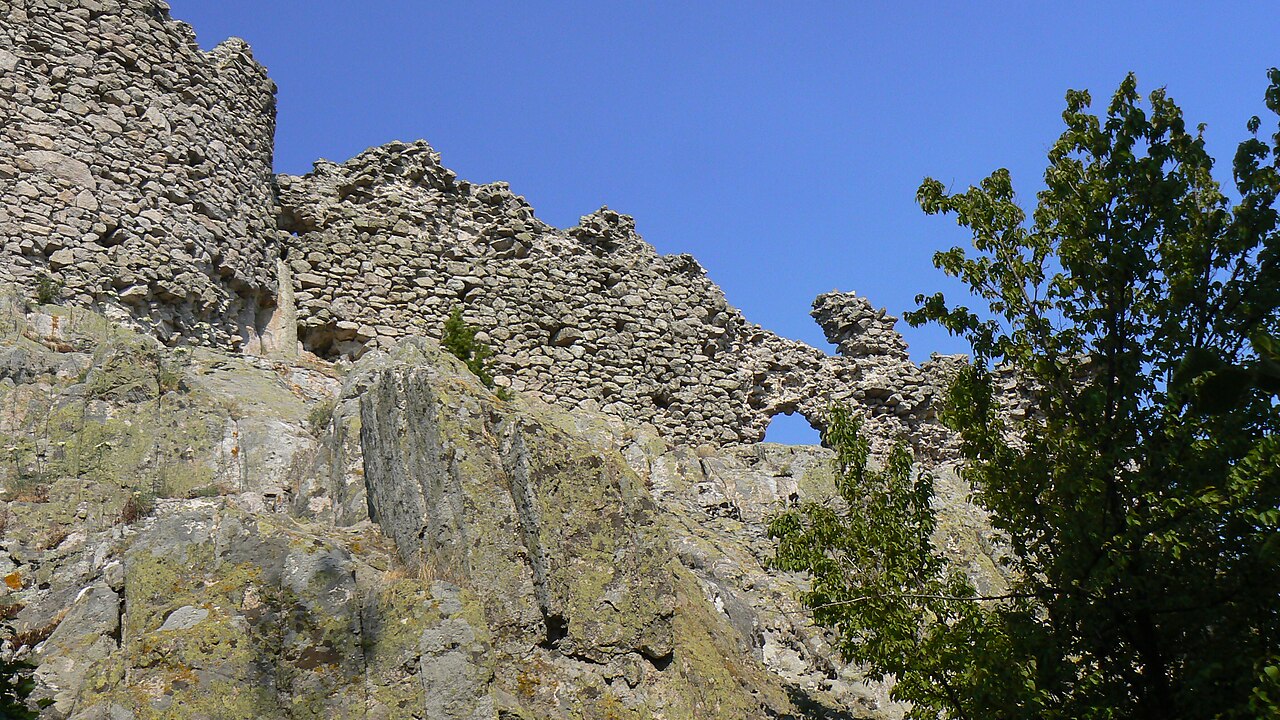
The fortress is classified as an archaeological ruin today, with much of its original structure reduced to remnants. Despite this, the site reveals the typical characteristics of medieval Bulgarian fortifications, including thick defensive walls built from local stone and mortar.
The fortress walls follow the natural contours of the rocky ridge, creating an irregular polygonal plan that maximizes defensive capabilities. Remnants of towers and bastions can be identified, which would have provided vantage points for surveillance and defense against attackers.
Within the fortress, traces of residential buildings, storage facilities, and a small church have been detected through archaeological excavations. The presence of a church indicates the religious aspect of the fortress community and reflects the medieval Bulgarian Orthodox Christian tradition.
Defensive elements
The fortress was protected by multiple layers of fortifications, including a main curtain wall and additional outer walls in some sectors. The walls were punctuated by towers at strategic points, which enhanced the defenders' ability to repel sieges.
Natural features such as steep cliffs and the river valley provided additional protection, making direct assaults difficult. The location on a high ridge allowed defenders to observe enemy movements from a distance and to signal other nearby fortresses.
Archaeological research and preservation
Asen's Fortress has been the subject of archaeological interest since the 20th century. Excavations have uncovered artifacts such as pottery, weapons, coins, and architectural fragments that illuminate the daily life and military function of the fortress.
These findings contribute to the understanding of medieval Bulgarian fortification techniques and the socio-political environment of the region during the Second Bulgarian Empire. The site is protected as a cultural monument and is accessible to visitors who wish to explore its ruins and appreciate its historical significance.
Visiting Asen's Fortress
The fortress is a popular destination for tourists and history enthusiasts. It can be reached by hiking trails from Asenovgrad, offering scenic views of the Rhodope Mountains and the surrounding valleys.
Visitors can explore the remains of the walls, towers, and the small chapel, gaining a sense of the medieval military architecture and the strategic importance of this stronghold. The site is open year-round, though weather conditions in the mountains may affect accessibility during winter months.
Nearby attractions
Close to Asen's Fortress is the town of Asenovgrad, known for its cultural heritage and traditional Bulgarian architecture. The region also offers opportunities for outdoor activities such as hiking, birdwatching, and exploring other historical sites.
Frequently asked questions (FAQ)
- How do I get to Asen's Fortress from Asenovgrad?
- Asen's Fortress is accessible by hiking trails starting from Asenovgrad. The hike offers scenic views and takes approximately 1 to 2 hours depending on your pace.
- What is the historical significance of Asen's Fortress?
- Asen's Fortress was a strategic military stronghold during the Second Bulgarian Empire, named after Tsar Ivan Asen II. It controlled important mountain passes and protected the region from invasions.
- Can I explore the ruins of Asen's Fortress?
- Yes, visitors can explore the archaeological ruins, including remnants of walls, towers, and a small chapel. The site is open year-round, but weather conditions may affect access in winter.
- Is there an entrance fee to visit Asen's Fortress?
- There is no entrance fee to visit Asen's Fortress, making it an accessible historical site for all visitors.
- What architectural features are notable at Asen's Fortress?
- Notable features include thick defensive walls following the ridge's contours, remnants of towers and bastions, and traces of a medieval church within the fortress.
Photo gallery

Information
Loading map...
Visitor reviews
No reviews yet. Been here? Write the first review and help other travelers!
Write the first reviewVisited this castle? Share your experience
Your review helps other travelers and adds first-hand knowledge to our encyclopedia.