Anevo Fortress
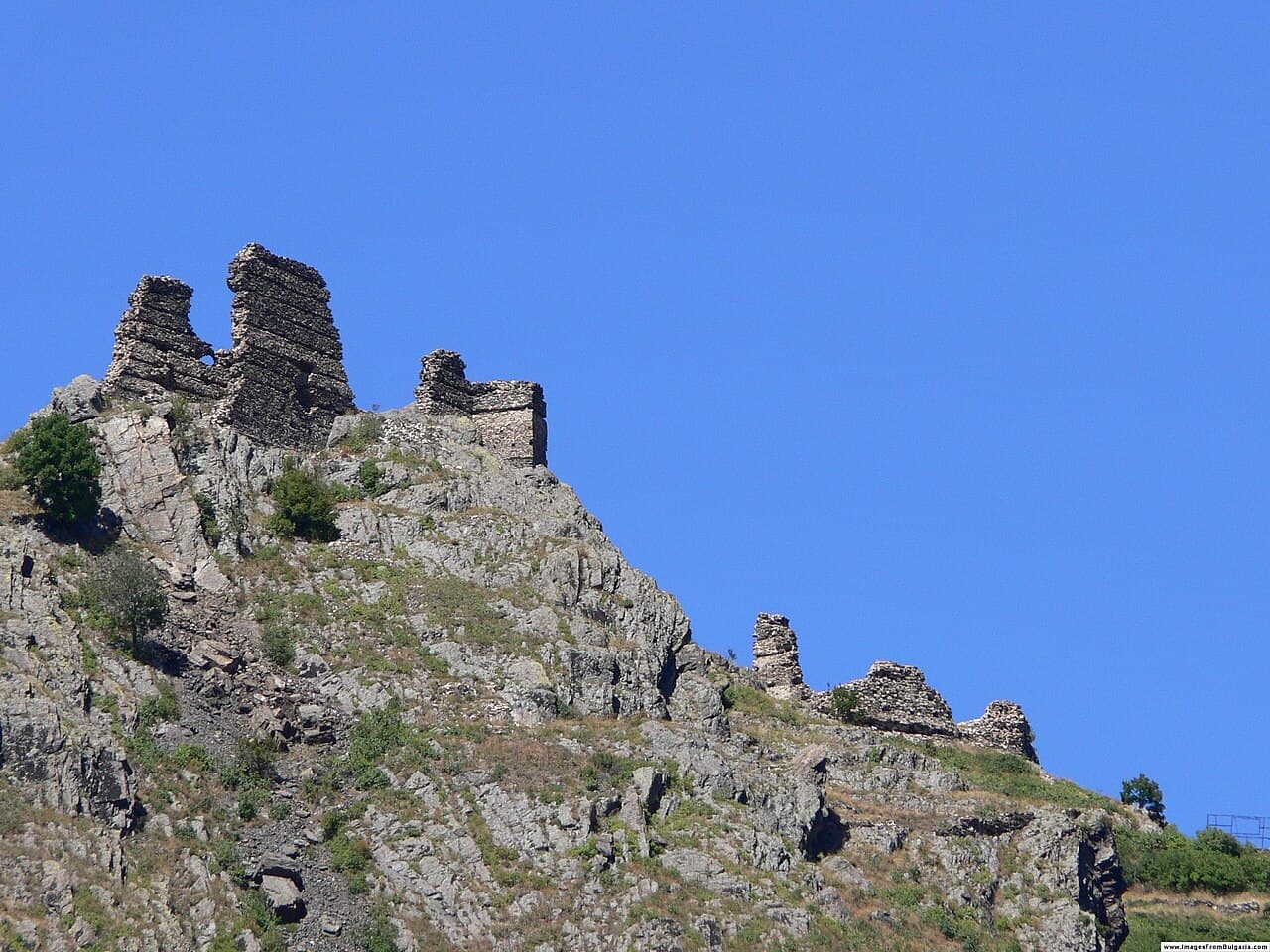
Anevo Fortress (Bulgarian: Аневско кале, Anevsko kale), also known historically as Kopsis (Копсис), is a significant medieval castle located in central Bulgaria. The fortress stands in ruins approximately 3 kilometres (1.9 miles) from the village of Anevo in Sopot Municipality, within the Plovdiv Province. It occupies a commanding position on a steep hilltop at the southern foot of the Balkan Mountains, near the Stryama River. This strategic location provided natural defenses and control over the surrounding terrain, typical of medieval fortifications designed to oversee important routes and protect local domains.
Historical context and significance
Constructed in the first half of the 12th century, Anevo Fortress was built during the High Medieval period, a time marked by frequent territorial conflicts and the consolidation of Bulgarian statehood under the Second Bulgarian Empire. The fortress played a vital role in regional defense and administration. By the end of the 13th century, Anevo Fortress became the capital of a small, short-lived quasi-independent domain governed by the brothers of Tsar Smilets of Bulgaria, Voysil and Radoslav. This period reflects the fortress's importance as a political and military center during a time of fragmentation within the Bulgarian realm.
Architectural features and layout
The fortress is classified as a bastioned fortress, a style that incorporates projecting bastions or angular structures designed to improve defensive capabilities against siege warfare. Anevo Fortress is situated on a steep hilltop, which naturally enhances its defensive potential by limiting access and providing extensive visibility over the surrounding landscape.
Fortification elements
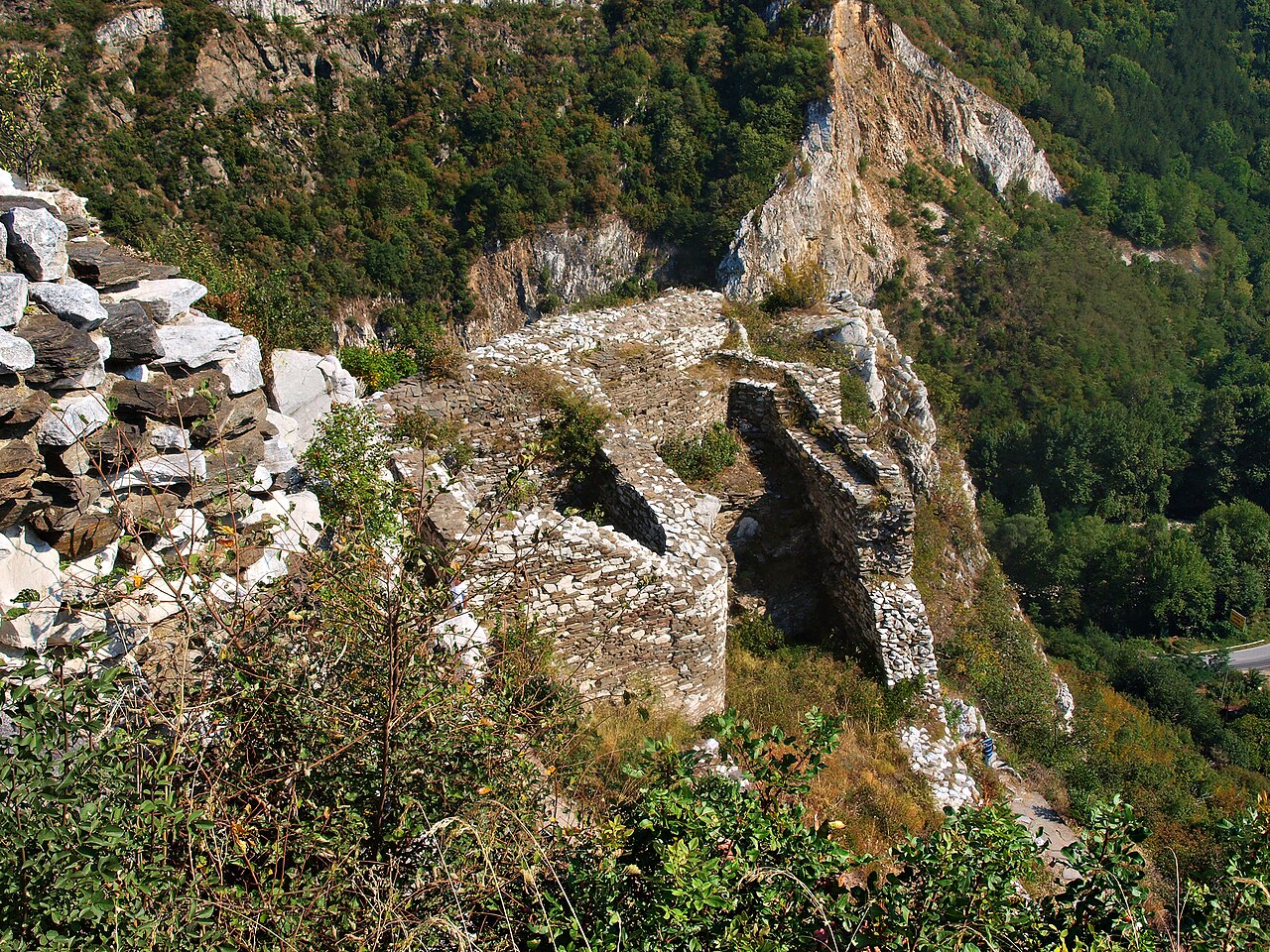
The surviving ruins reveal remnants of thick defensive walls constructed from local stone, typical of medieval military architecture in the region. The walls likely enclosed a complex of buildings including residential quarters, storage facilities, and military installations. The fortress's bastions would have allowed defenders to cover adjacent walls with crossfire, a tactical advantage in repelling attackers.
Location and natural defenses
Positioned near the Stryama River and at the foot of the Balkan Mountains, the fortress benefited from natural barriers that enhanced its defensibility. The steep slopes of the hilltop restricted the approach routes, making direct assaults difficult. This strategic siting reflects the medieval emphasis on combining natural terrain with constructed defenses to create formidable strongholds.
Historical role during the 13th century
During the late 13th century, Anevo Fortress served as the center of power for a minor principality under the rule of Voysil and Radoslav, brothers of Tsar Smilets. This era was characterized by political fragmentation and shifting allegiances within Bulgaria. The fortress's status as a capital, though brief, underscores its regional importance and the role it played in local governance and defense.
Current condition and archaeological significance
Today, Anevo Fortress exists in a state of ruins. The remains provide valuable insights into medieval Bulgarian fortification techniques and regional history. Archaeological studies have helped to uncover the layout and structural details of the fortress, contributing to the understanding of military architecture during the High Medieval period in Bulgaria.
Preservation efforts
While the fortress is not fully restored, conservation efforts aim to stabilize the ruins and protect them from further deterioration. The site is accessible to visitors interested in medieval history and castle architecture, offering a glimpse into Bulgaria's medieval past and the strategic importance of hilltop fortresses.
Visiting Anevo Fortress
The fortress is located near the village of Anevo, making it reachable for those exploring the Plovdiv Province and the Balkan Mountains region. Visitors can explore the ruins and enjoy panoramic views of the surrounding landscape, which includes the Stryama River valley. The site offers a valuable experience for history enthusiasts and scholars of medieval military architecture.
Frequently asked questions (FAQ)
- How do I get to Anevo Fortress?
- Anevo Fortress is located about 3 kilometres from the village of Anevo in Plovdiv Province, Bulgaria. Visitors can reach the site by car or local transport from nearby towns, followed by a short hike up the hill where the fortress ruins are situated.
- What is the historical significance of Anevo Fortress?
- Anevo Fortress was built in the 12th century and served as a strategic bastioned fortress in medieval Bulgaria. It was notably the capital of a small domain ruled by the brothers of Tsar Smilets in the late 13th century, reflecting its regional importance during the High Medieval period.
- Can I explore the ruins of Anevo Fortress?
- Yes, visitors can explore the ruins of Anevo Fortress. While the site is in a ruined state, it offers insight into medieval fortification architecture and provides scenic views of the surrounding Balkan Mountains and Stryama River area.
- When was Anevo Fortress built?
- Anevo Fortress was constructed in the first half of the 12th century during the High Medieval period.
- Is there an entrance fee to visit Anevo Fortress?
- There is no widely reported entrance fee for visiting Anevo Fortress, but it is advisable to check locally for any updates on access or guided tours.
Photo gallery

Information
Loading map...
Visitor reviews
No reviews yet. Been here? Write the first review and help other travelers!
Write the first reviewVisited this castle? Share your experience
Your review helps other travelers and adds first-hand knowledge to our encyclopedia.