Tsebelda fortress
Tsebelda fortress is a significant Late Antique and Early Medieval fortification located near the village of Tsebelda in the Tsebelda valley, within the region of Abkhazia, Georgia. This fortress is an important example of ancient military architecture in the Caucasus, reflecting the strategic importance of the area during turbulent historical periods.
Historical context and strategic importance
The fortress was constructed during the transition from the Late Antique period into the Early Medieval era, a time marked by frequent conflicts and shifting powers in the Caucasus region. Its location in the Tsebelda valley provided a commanding position to control key routes through the mountainous terrain, which was crucial for both defense and trade. The fortress served as a military stronghold to protect local populations and assert control over the surrounding territory.
Architectural features and fortification design
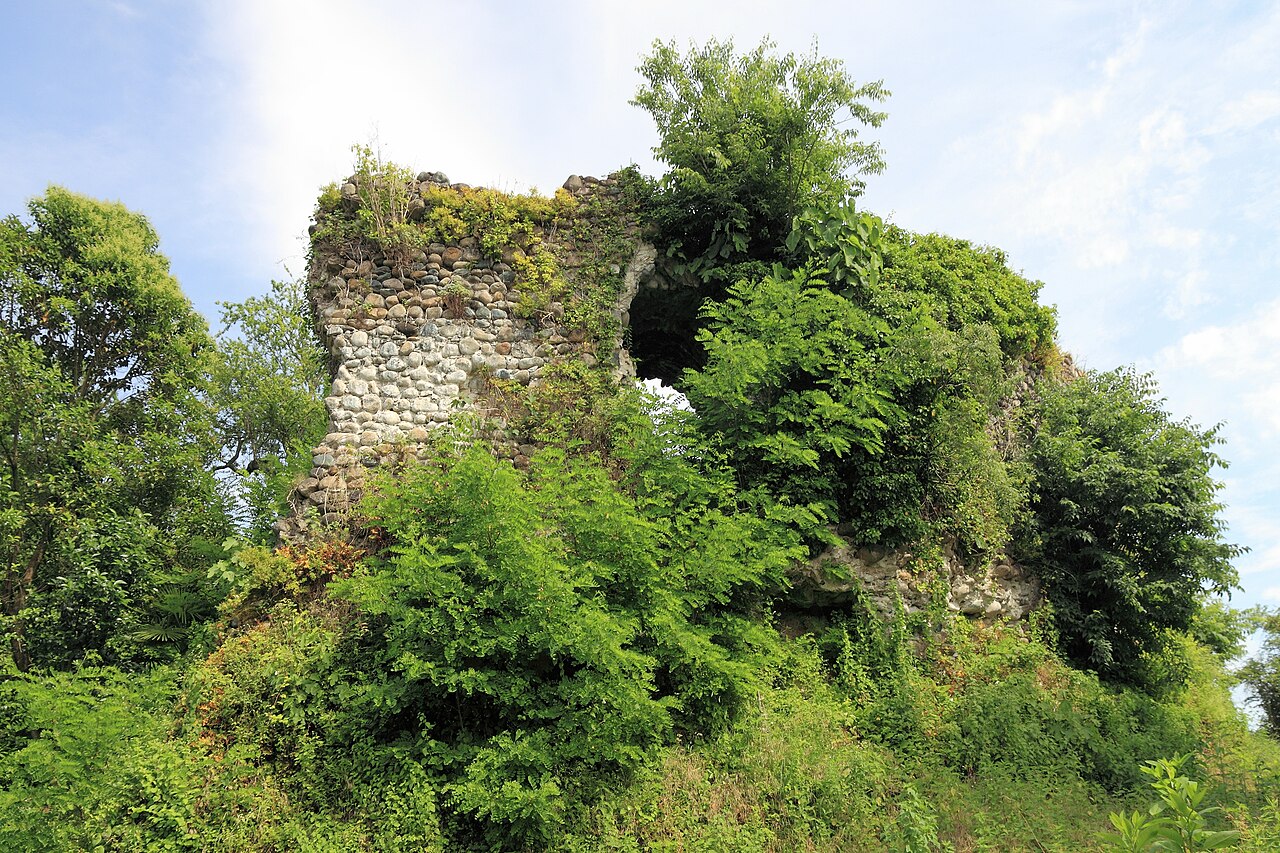
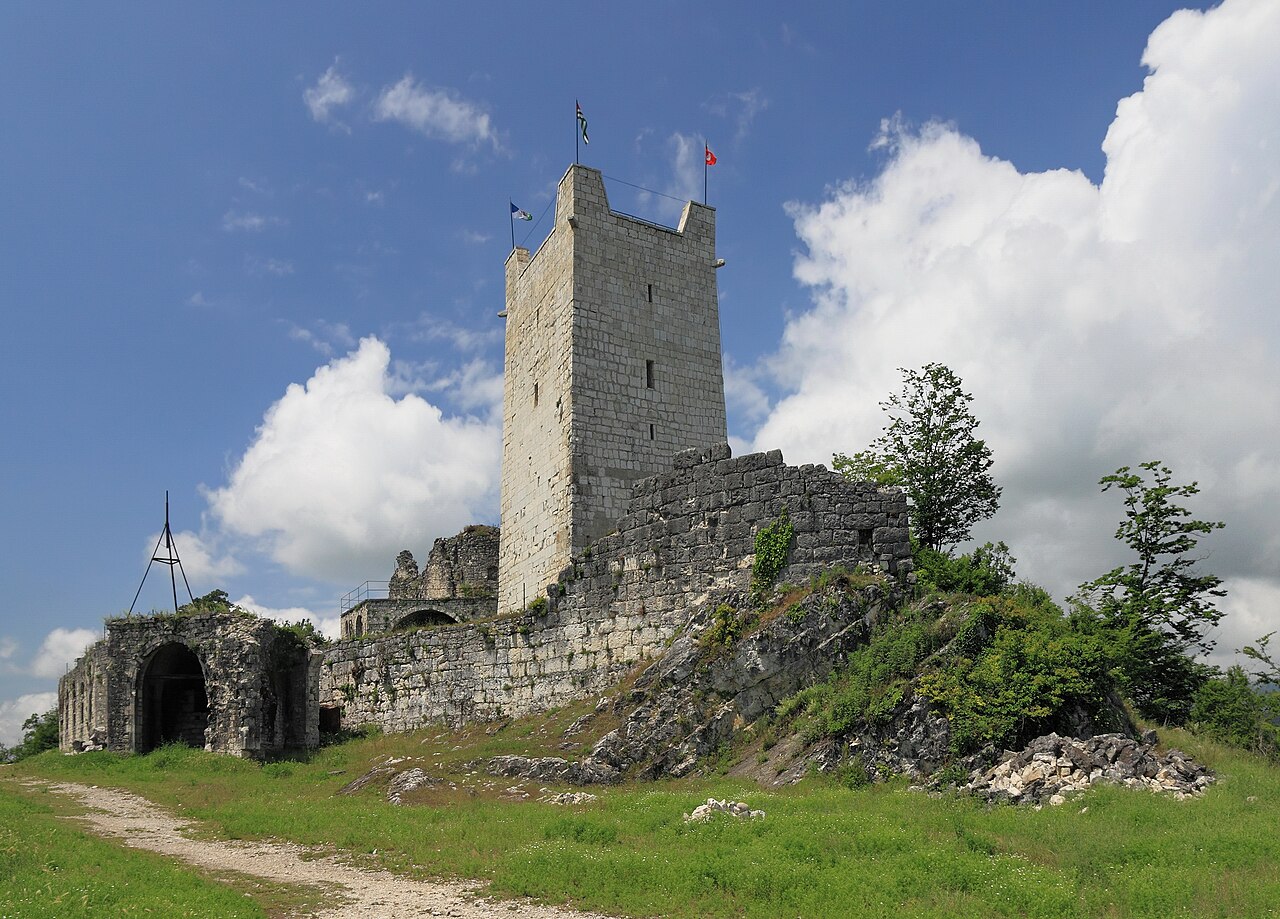
Tsebelda fortress is classified as a bastioned fortress, characterized by its robust defensive walls and bastions designed to withstand sieges and attacks. The fortress walls are constructed from local stone, forming a complex defensive perimeter that includes multiple bastions projecting outward. These bastions allowed defenders to cover adjacent walls with crossfire, enhancing the fortress's defensive capabilities against invaders.
The fortress layout includes a series of interconnected walls and towers, with an emphasis on strong defensive geometry typical of Late Antique military architecture. The bastions are arranged to maximize coverage of the approaches to the fortress, and the walls are thick and high to resist battering and scaling. This design reflects an evolution from earlier fortifications towards more complex and effective defensive structures.
Construction techniques and materials
The builders of Tsebelda fortress utilized locally sourced stone and mortar to create durable walls capable of withstanding the region's harsh climate and military threats. The masonry work demonstrates skilled craftsmanship, with carefully fitted stones and reinforced corners at bastions and gates. The use of bastions indicates an understanding of advanced military engineering principles for the period.
Cultural and historical significance
Tsebelda fortress holds cultural importance as a symbol of the region's resilience and historical heritage. It represents the military and political dynamics of the Caucasus during the Late Antique and Early Medieval periods. The fortress is a tangible link to the past, offering insights into the defensive strategies employed by local rulers and communities.
Today, Tsebelda fortress is an archaeological site that attracts historians and visitors interested in ancient military architecture and the history of Abkhazia and Georgia. Its preservation provides valuable information about construction methods and regional history during a formative period.
Current condition and preservation efforts
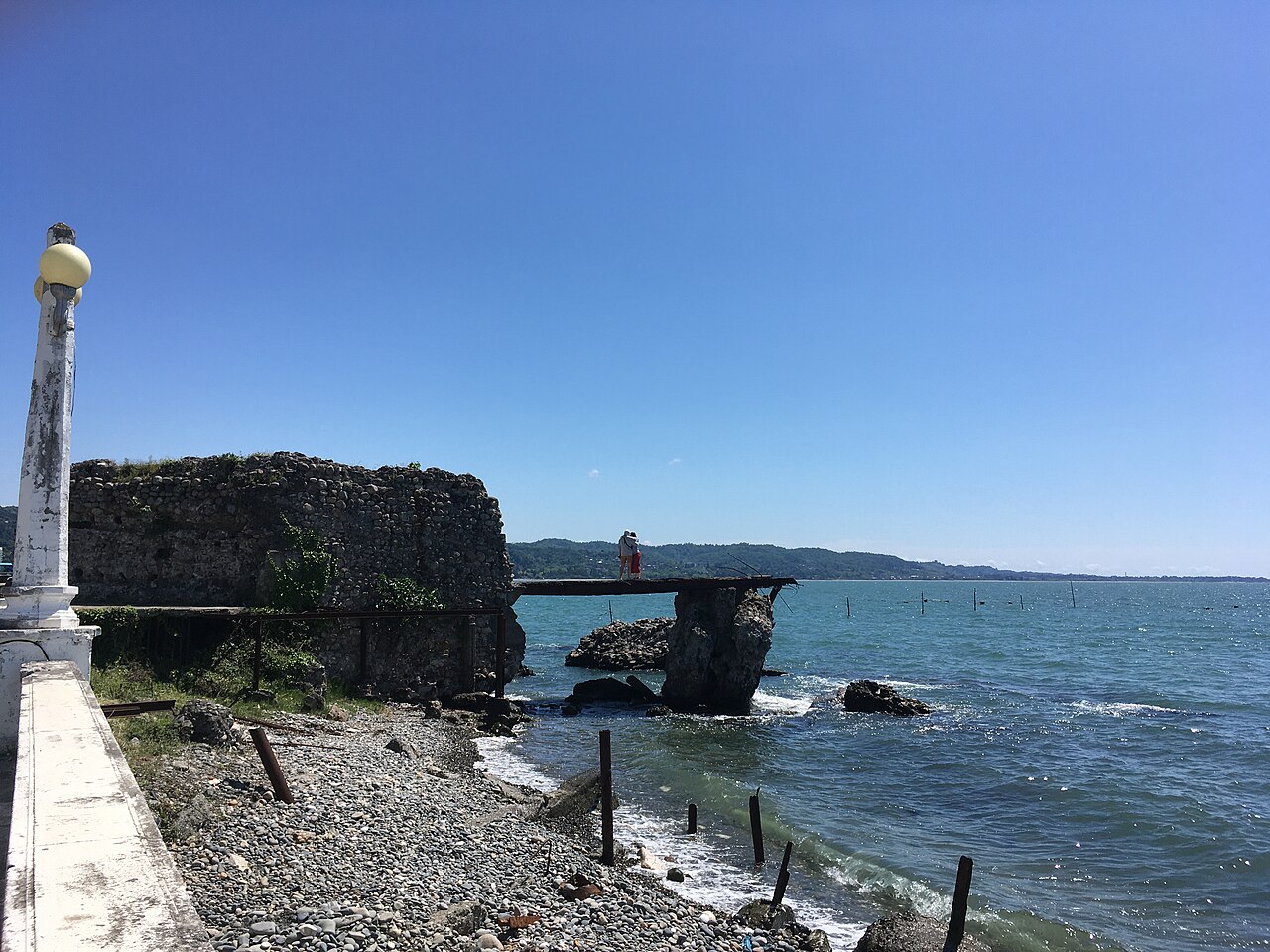
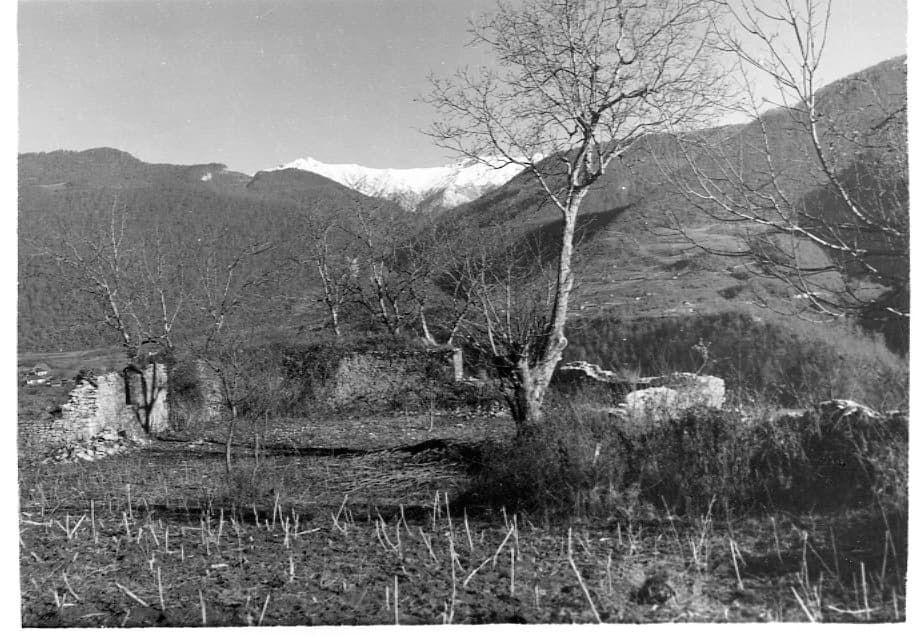
The fortress remains partially preserved, with significant sections of its bastioned walls and towers still standing. However, some areas have suffered from natural erosion and lack of comprehensive restoration. Efforts to study and conserve Tsebelda fortress are ongoing, aiming to protect this heritage site for future generations and to enhance its accessibility for educational and tourism purposes.
Frequently asked questions (FAQ)
- What is the historical significance of Tsebelda fortress?
- Tsebelda fortress is a key military site from the Late Antique and Early Medieval periods, reflecting the strategic importance of the Caucasus region in controlling trade and defense routes.
- Can visitors access Tsebelda fortress?
- Access to Tsebelda fortress may be limited due to its location in Abkhazia and preservation status. Visitors should check local conditions and regulations before planning a visit.
- What architectural features define Tsebelda fortress?
- The fortress is notable for its bastioned walls and robust defensive structures typical of Late Antique military architecture, designed to withstand sieges and attacks.
- When was Tsebelda fortress built?
- The fortress dates back to the Late Antique period, extending into the Early Medieval era, reflecting construction techniques from both periods.
- Why was Tsebelda fortress built in its location?
- Its position in the Tsebelda valley allowed control over important mountain passes and trade routes, providing strategic military advantage in the region.
Photo gallery

Information
Loading map...
Visitor reviews
No reviews yet. Been here? Write the first review and help other travelers!
Write the first reviewVisited this castle? Share your experience
Your review helps other travelers and adds first-hand knowledge to our encyclopedia.