Sukhumi fortress
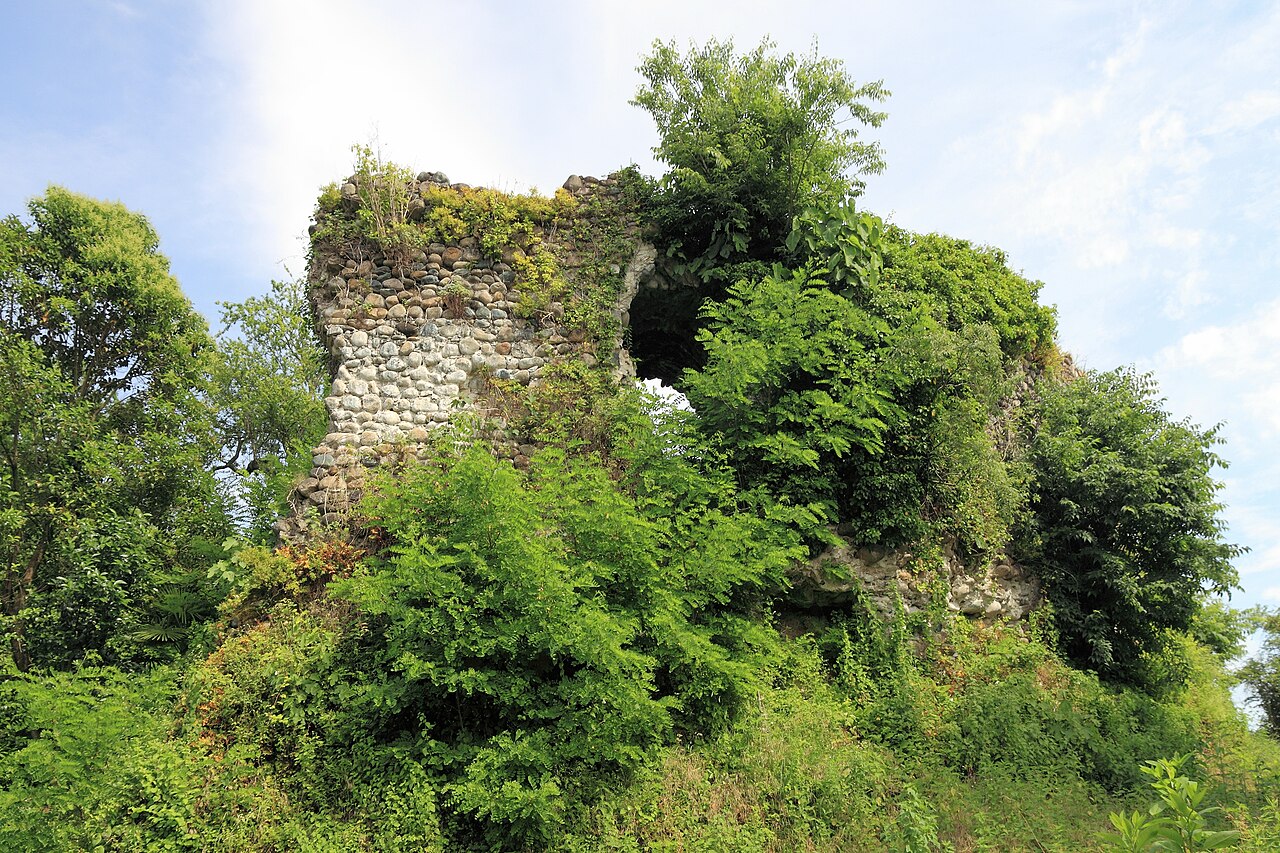
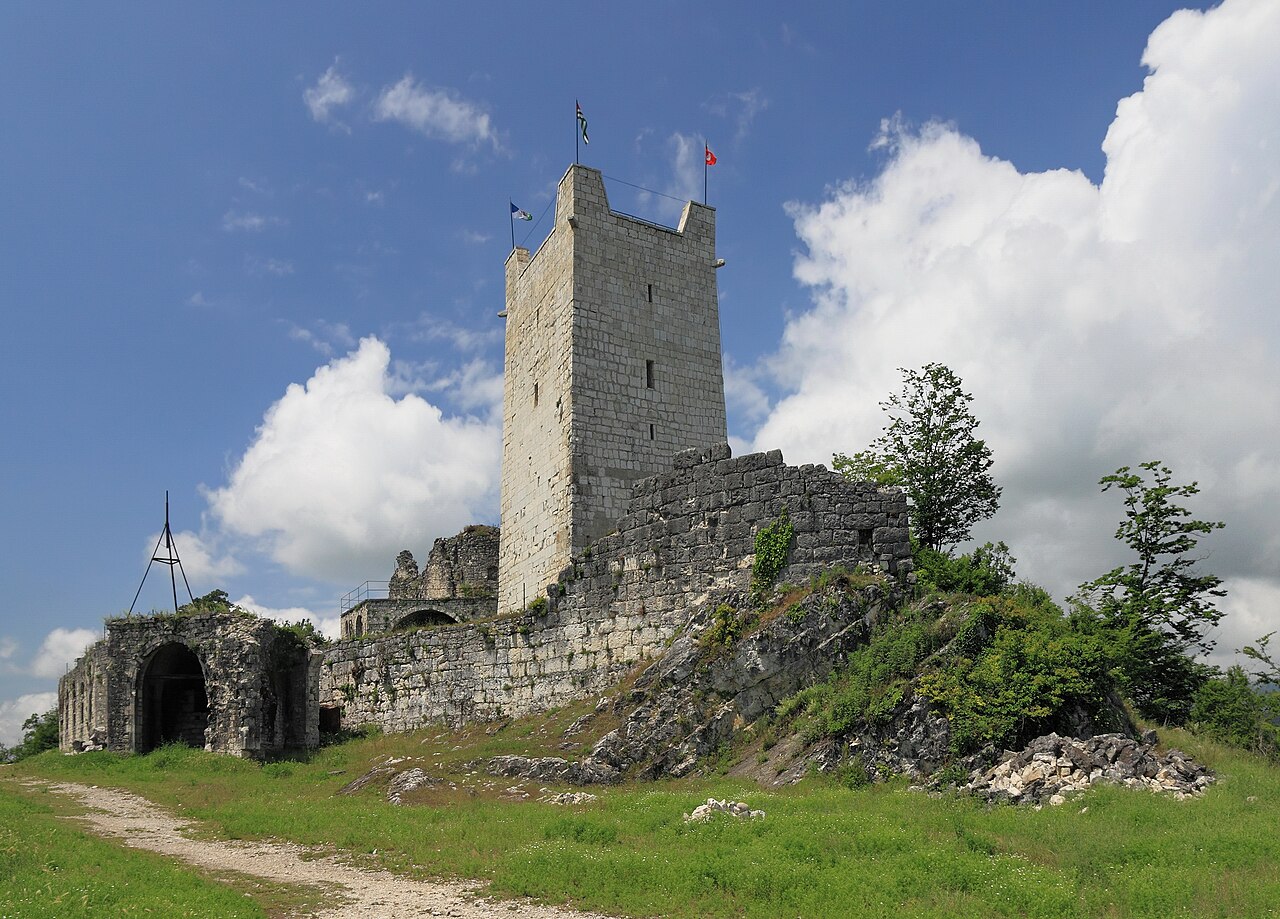
Sukhumi fortress is a historically significant bastioned fortress located in the region of Abkhazia, Georgia. Its origins trace back to the early medieval period, with archaeological evidence suggesting construction as early as the 2nd century. This fortress played a critical role in the defense and control of the coastal area along the Black Sea, serving as a military stronghold and a strategic point of trade and governance.
Historical background and significance
The site of Sukhumi fortress has been occupied since antiquity, with its earliest fortifications established during the Roman period. The fortress evolved over centuries, reflecting the changing political and military landscape of the region. Throughout the early medieval era, it was a pivotal defensive structure protecting the settlement of Sukhumi, which grew into an important port city. The fortress witnessed multiple sieges and reconstructions, particularly during periods of conflict involving Byzantine, Georgian, and later Ottoman forces.
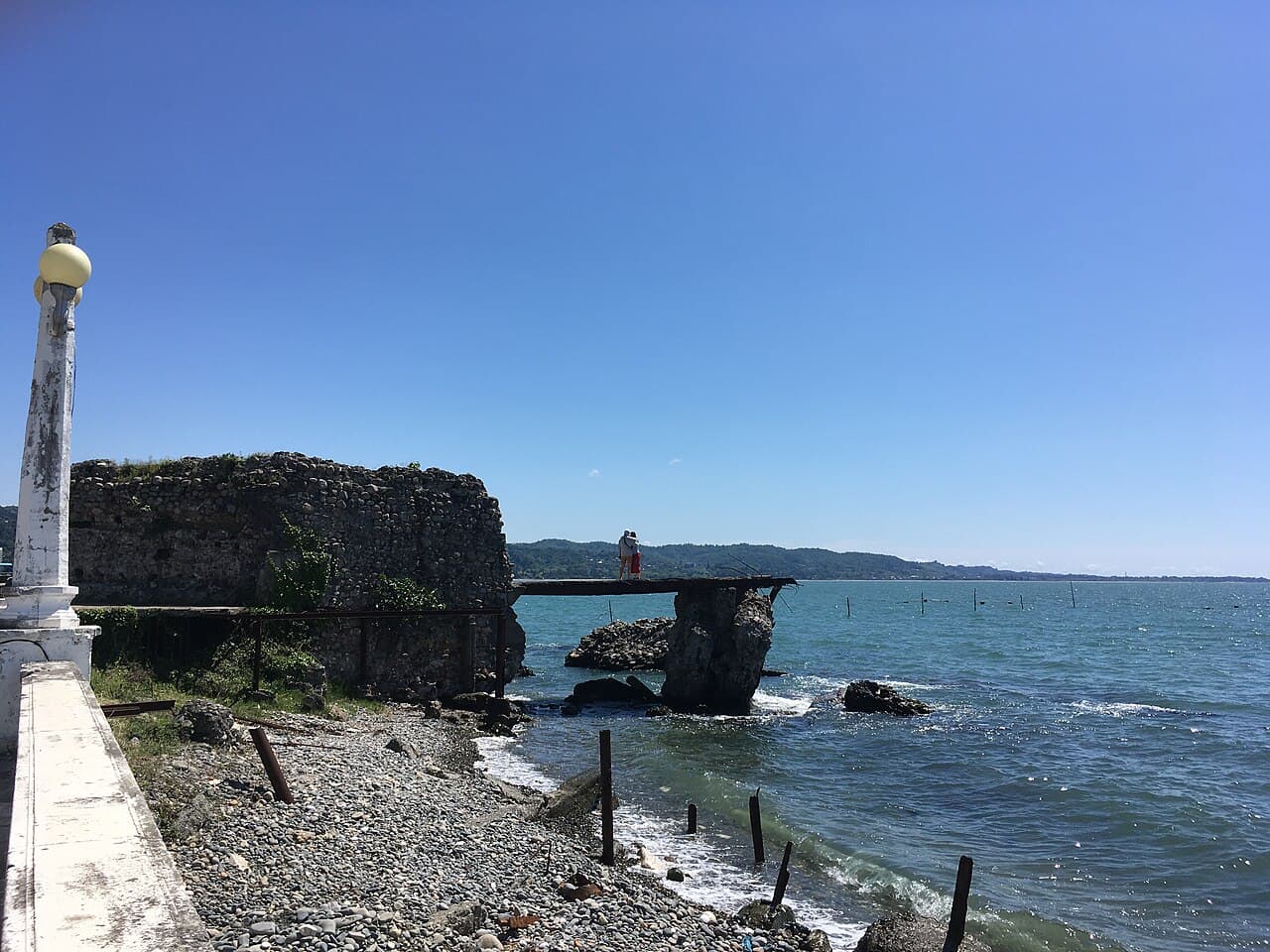
Its location on the Black Sea coast made it a valuable asset for controlling maritime routes and local trade. The fortress also functioned as a seat of local administration and a refuge for the population during invasions.
Architectural features and layout
Sukhumi fortress is classified as a bastioned fortress, characterized by its robust defensive walls and angular bastions designed to provide overlapping fields of fire. The fortress walls are constructed from local stone, with thick ramparts and battlements that have endured through centuries of warfare and natural decay.
The layout includes multiple bastions positioned at key points along the perimeter, enabling defenders to cover all approaches effectively. Inside the fortress, remnants of residential buildings, storage facilities, and military installations have been identified, indicating a self-sustaining complex capable of withstanding prolonged sieges.
Defensive structures
The bastions are notable for their polygonal shapes, a design that was innovative for its time and enhanced the fortress's defensive capabilities. The walls feature embrasures and arrow slits, allowing defenders to repel attackers while remaining protected. The fortress also includes a main gate fortified with additional defensive elements such as towers and a possible moat or ditch, although the latter's presence is less certain due to erosion and later modifications.
Archaeological research and preservation
Archaeological excavations at Sukhumi fortress have uncovered artifacts and structural details that provide insight into its construction phases and historical usage. These findings confirm the fortress's continuous occupation from the Roman period through the medieval era and into later centuries.
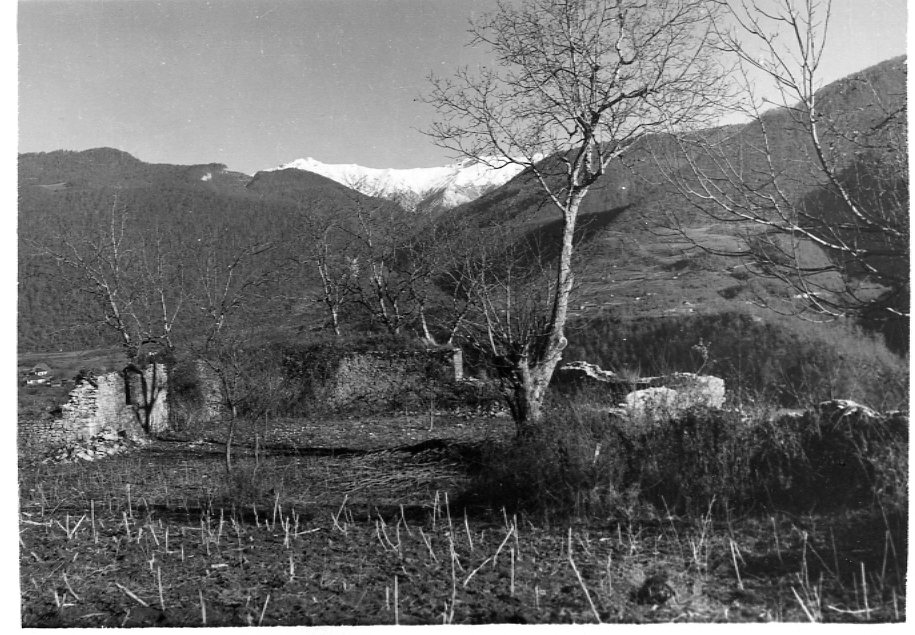
Despite its age, the fortress remains partially preserved, with significant sections of walls and bastions still standing. Preservation efforts focus on stabilizing these structures to prevent further deterioration, though the site faces challenges from environmental factors and urban development in the surrounding area.
Visitor experience and cultural importance
Today, Sukhumi fortress is a cultural landmark reflecting the rich history of the Abkhazia region and Georgia's coastal defenses. Visitors can explore the ruins and appreciate the fortress's strategic design and historical context. Interpretive signage and guided tours help convey the site's significance, though access may be limited due to preservation concerns and regional political complexities.
The fortress is an important symbol of the area's heritage, attracting historians, archaeologists, and tourists interested in early medieval military architecture and Black Sea history.
Frequently asked questions (FAQ)
- What is the historical significance of Sukhumi fortress?
- Sukhumi fortress, also known as the Abkhazian fortress, has a rich history that dates back to the 6th century. It has served as a strategic military stronghold and reflects the architectural styles of various cultures that have influenced the region over the centuries.
- When was Sukhumi fortress built?
- The construction of Sukhumi fortress began in the 6th century, with significant renovations and expansions occurring throughout the Middle Ages. The fortress played a crucial role in the defense against invasions and remains a testament to the region's tumultuous history.
- What are the opening hours for visiting Sukhumi fortress?
- Sukhumi fortress is typically open to visitors from 9 AM to 6 PM daily. However, it is advisable to check local listings or contact the fortress management for any changes in hours, especially during holidays or special events.
- Is it possible to access Sukhumi fortress with public transportation?
- Yes, Sukhumi fortress is accessible via public transportation, including local buses and taxis that operate in the area. Visitors can easily reach the fortress from the city center, making it a convenient stop for tourists exploring Sukhumi.
- Can I take guided tours of Sukhumi fortress?
- Yes, guided tours of Sukhumi fortress are available and highly recommended for a deeper understanding of its history and architecture. Local guides offer insights into the fortress's significance, making the visit more enriching and informative.
- What is the best time to visit Sukhumi fortress?
- The best time to visit Sukhumi fortress is during the spring and fall months when the weather is mild and pleasant. This allows for a comfortable exploration of the fortress and the surrounding scenic areas.
- Are there any nearby attractions to visit after Sukhumi fortress?
- Yes, nearby attractions include the picturesque beaches of Sukhumi, the Sukhumi Botanical Garden, and the historic city center. Visitors can easily plan a day trip that combines the fortress with other cultural and natural sites in the area.
- What are the ticket prices for entering Sukhumi fortress?
- Ticket prices for Sukhumi fortress are generally very affordable, with discounts available for students and seniors. It is always a good idea to check the current prices on-site or through official tourism websites before your visit.
Photo gallery

Information
Loading map...
Visitor reviews
No reviews yet. Been here? Write the first review and help other travelers!
Write the first reviewVisited this castle? Share your experience
Your review helps other travelers and adds first-hand knowledge to our encyclopedia.