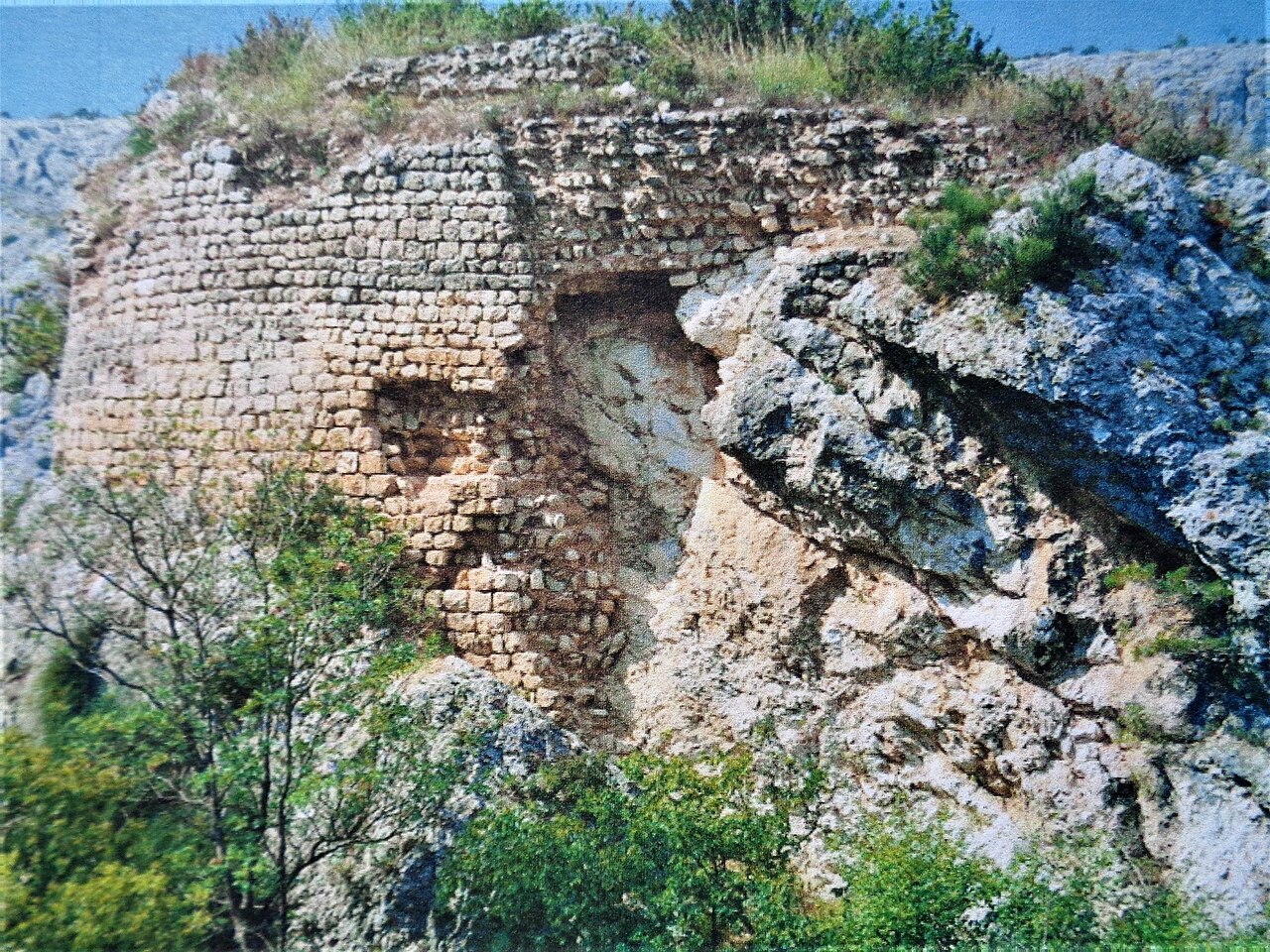
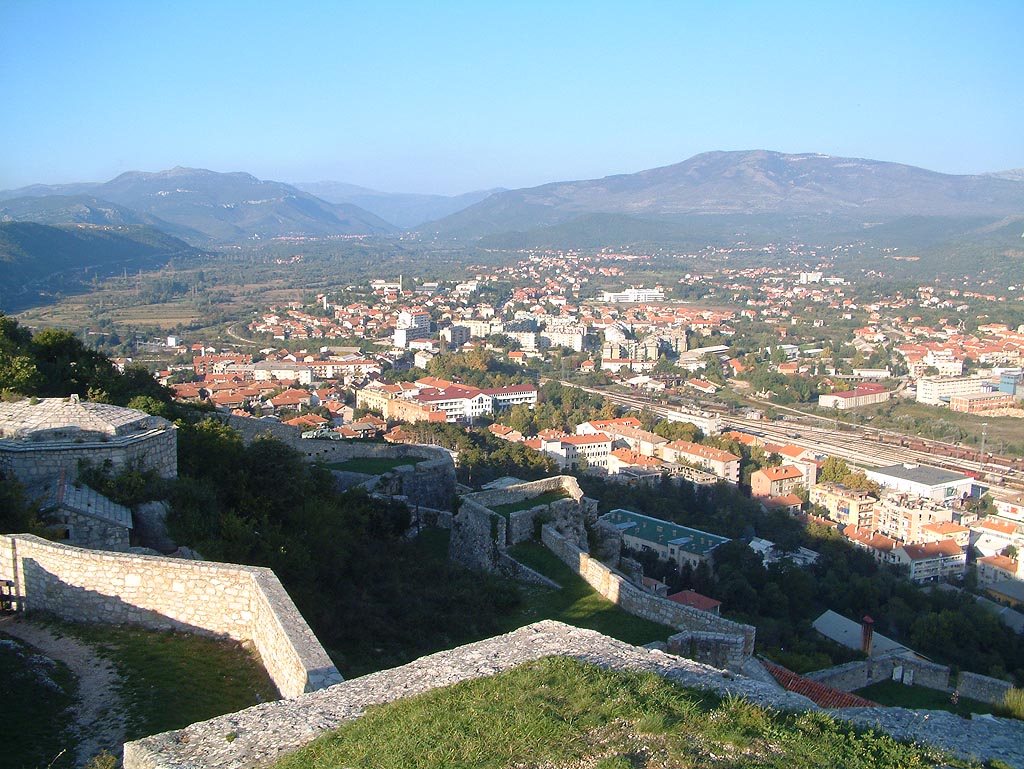
Trošenj Castle, locally known as Utvrda Trošenj, is a significant medieval fortress located east of the village of Kistanje in the Šibenik-Knin County of Croatia. This castle stands on a prominent cliff overlooking the right bank of the Krka River, commanding a strategic position that historically controlled an important trade route passing through the Krka canyon.
Historical context and construction
The castle was likely constructed in the late medieval period, around the 14th century, although some sources suggest its origins could date back to the late 13th century. It was built by the influential Šubić family, a powerful noble Croatian dynasty who sought to dominate the vital wooden bridge crossing the Krka River. This bridge was a crucial link in regional commerce and military movements, making Trošenj Castle a key defensive and administrative center.
On the opposite side of the canyon stood Nečven Castle, held by the rival Nelipić family. The proximity of these two fortresses symbolized the intense local power struggles between noble families during the medieval period. Both castles were strategically positioned to control the river crossing and assert dominance over the surrounding territory.
Architectural features and strategic importance
Trošenj Castle's location on a steep cliff provided natural defensive advantages, making it difficult to assault. The castle's architecture reflects typical late medieval fortress design with robust stone walls and defensive structures adapted to the rugged terrain. While much of the castle is now in ruins, remnants of its walls and fortifications remain visible, offering insight into its original defensive capabilities.
The castle's role was not only military but also economic, as controlling the bridge meant regulating trade along the route that connected inland Croatia with coastal regions. The castle's presence ensured the Šubić family's influence over local commerce and territorial control.
Decline and abandonment
During the Ottoman expansion into the Balkans, Trošenj Castle eventually fell under Ottoman control. It remained a strategic point until the late 17th century when Venetian forces engaged in military campaigns to reclaim the region. In 1684, Venetian troops successfully drove the Ottomans out, but the fighting resulted in significant damage to the castle and the destruction of the wooden bridge.
The destruction of the bridge severed the critical trade route, diminishing the castle's strategic value. Consequently, Trošenj Castle was abandoned and gradually fell into ruin. Unlike many other fortifications, it was never rebuilt or restored, leaving it as a historical ruin today.
Visiting Trošenj Castle today
Today, Trošenj Castle is accessible to visitors who enjoy exploring historical ruins in a natural setting. The castle can be reached by a pleasant walk of approximately 30 minutes from the nearest road, offering scenic views of the Krka River canyon and surrounding landscape.
Visitors can freely explore the site, although the castle remains in a ruined condition. The site provides an evocative glimpse into the medieval history of the region and the complex interactions between Croatian noble families and later Ottoman and Venetian powers.
Nearby historical landmarks and cultural significance
The area around Trošenj Castle is rich in cultural heritage, with the nearby Nečven Castle ruins also accessible for those interested in medieval Croatian fortifications. The Krka River region is known for its natural beauty and historical sites, making it a compelling destination for history enthusiasts and nature lovers alike.
Trošenj Castle remains an important symbol of the medieval power dynamics in Dalmatia and the strategic importance of river crossings in Croatian history.
Frequently asked questions (FAQ)
- What is the historical significance of Trošenj Castle?
- Trošenj Castle, located in Kistanje, Croatia, dates back to the 15th century and is a significant example of medieval architecture in the region. It served as a strategic fortification during various conflicts, showcasing the rich history of the area and its role in defending against invasions.
- When was Trošenj Castle built?
- Trošenj Castle was constructed in the late 15th century, specifically around 1470. Its design reflects the transition from Gothic to Renaissance architectural styles, making it an important historical landmark.
- What are the opening hours for Trošenj Castle?
- Trošenj Castle is usually open to visitors from 9 AM to 5 PM, Tuesday through Sunday. However, it is advisable to check the official website or contact local tourism offices for any changes in hours, especially during holidays.
- Can I visit Trošenj Castle year-round?
- Yes, Trošenj Castle is open for visitors throughout the year, although the best time to visit is during spring and fall when the weather is mild. Winter visits can be chilly, and some areas may be less accessible due to weather conditions.
- How do I get to Trošenj Castle?
- Trošenj Castle is accessible by car and is located just off the main road in Kistanje. Public transportation options are limited, so it is recommended to drive or arrange for a guided tour to reach the castle easily.
- Is it possible to take guided tours of Trošenj Castle?
- Yes, guided tours of Trošenj Castle are available and highly recommended for a more in-depth understanding of its history and architecture. Tours typically include expert insights and allow visitors to explore areas that may not be accessible on a self-guided visit.
- What are the ticket prices for visiting Trošenj Castle?
- Ticket prices for Trošenj Castle are generally affordable, with discounts available for students and seniors. It is best to check the current rates on the official website or at the ticket office upon arrival, as prices may vary based on special events or tours.
- What nearby attractions can I visit along with Trošenj Castle?
- While visiting Trošenj Castle, you can explore nearby attractions such as the Krka National Park, known for its stunning waterfalls and scenic views. Additionally, the town of Kistanje offers local dining and cultural experiences to enhance your visit.
- Why is the architecture of Trošenj Castle unique?
- The architecture of Trošenj Castle is unique due to its blend of Gothic and Renaissance elements, reflecting the era's evolving design philosophies. The castle features thick stone walls, defensive towers, and intricate details that showcase the craftsmanship of its time.
Information
Loading map...
Visitor reviews
No reviews yet. Been here? Write the first review and help other travelers!
Write the first reviewVisited this castle? Share your experience
Your review helps other travelers and adds first-hand knowledge to our encyclopedia.