Nečven Castle
Nečven Castle, locally known as Utvrda Nečven, is a remarkable medieval fortress that stands west of the hamlet of Puljane, in the Šibenik-Knin county of Croatia. This castle is perched dramatically on a high cliff above the left bank of the Krka River, commanding a strategic position that historically controlled an important trade route through the Krka canyon. The castle's location not only provided natural defense but also enabled control over a wooden toll bridge that once connected key regions of Dalmatia.
Constructed in the 13th century by the Nelipić family, a powerful Croatian noble lineage from Knin, Nečven Castle was a symbol of feudal strength and territorial control. While local legend suggests the site may have been fortified as early as the 9th century, historical records confirm its significant development during the High Medieval period. The Nelipić family held the castle until 1421, after which it passed through several owners before succumbing to the Ottoman Empire in 1522.
Strategic importance and historical context
The castle's position on the Krka River was of immense strategic value, as it guarded a crucial passage through the canyon. Opposite Nečven, across the river, stood the rival fortress of Trošenj, controlled by the Šubić family, notable Croatian nobles and adversaries of the Nelipićs. This proximity of two powerful fortresses highlights the area's political tensions and the importance of controlling trade and military routes in medieval Dalmatia.
Nečven and Trošenj were linked by a wooden bridge, which served as a toll point for travelers crossing between the territories of the Šubić and Nelipić families. This bridge was destroyed in 1647 during conflicts involving Don Stjepan Sorić and the Krajišnici, marking a significant moment in the castle's history and the regional power struggles.
Architectural features and fortifications
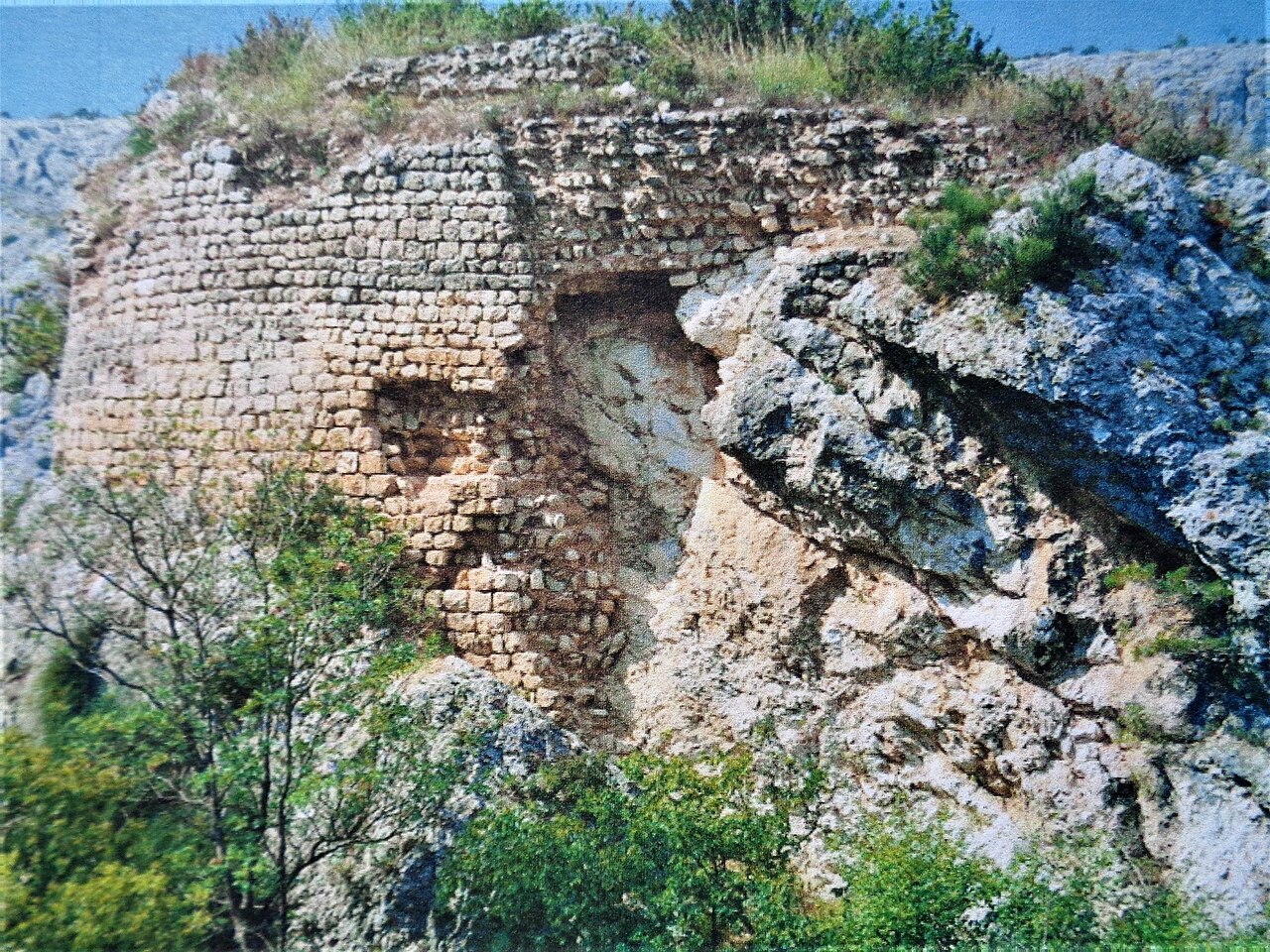
Nečven Castle is one of the largest and most well-preserved medieval fortified structures in Croatia. The fortress and its surrounding yard cover an area of approximately one square kilometer, indicating its significance as a military and administrative center. The castle was originally enclosed by high defensive walls constructed from small, roughly assembled stones bonded with lime mortar. These walls were over a meter thick and provided formidable protection against invaders.
The castle's southern walls rise steeply to a height of up to 15 meters and consist of five floors, showcasing advanced medieval masonry and defensive design. On the northern side stands a five-storey square tower, although this area is now partially filled with rubble due to centuries of neglect and conflict. The northeast courtyard was separated by a deep moat, possibly featuring a lifting bridge, which added an additional layer of defense.
Interior layout and structures
Within the walls, the castle contained various functional spaces typical of medieval fortresses. These included living quarters, administrative chambers, storage rooms, and defensive battlements. The presence of a courtyard allowed for the movement of troops and the accommodation of horses and supplies. The castle's design reflects the dual role of such fortifications as both noble residences and military bastions.
Ownership and historical events
The Nelipić family, who built and controlled Nečven Castle, were prominent figures in the region. Their power peaked after the fall of Mladen Šubić II in 1322, when Prince Nelipac emerged as a dominant force in southern Croatia. The castle remained under Nelipić control until 1421, after which it changed hands several times.
In 1522, the castle was captured by the Ottoman Empire, which transformed Nečven into a significant regional administrative center. During Ottoman rule, the fortress housed important officials such as the Dizdars (castle governors), Aghas, Begs, and Kadijas (judges), reflecting its role in governance and law enforcement. The Ottomans maintained control of Nečven until the late 17th century, except for a period between 1648 and 1670 when Venetian vassals from Šibenik and Trogir held the castle.
During the Venetian period, the castle was deliberately burned down in 1647 by orders of Leonardo Foscolo, a Venetian commander, who destroyed the wooden bridge linking Nečven to Trošenj to disrupt Ottoman control. The castle suffered significant damage but remained an important symbol of regional power.
Decline and current condition
Following the expulsion of the Turks in the late 17th century, Nečven Castle fell into decline. By this time, the fortress was already in a dilapidated state and partially ruined. The depopulation of the surrounding area in the 18th century led to the castle's final abandonment. Today, Nečven stands as a partially preserved medieval ruin, valued for its historical significance and dramatic location.
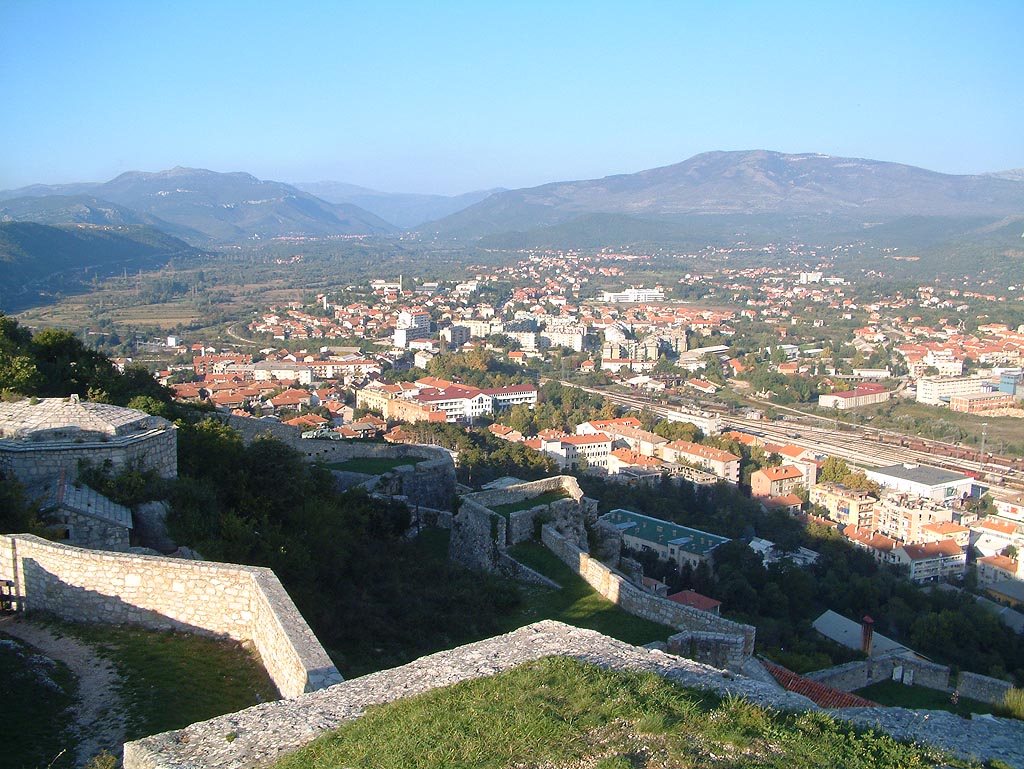
The castle is freely accessible to visitors who come to explore its ruins and enjoy the spectacular views of the Krka River canyon. Although much of the structure is in ruins, the remaining walls and towers offer a glimpse into the medieval fortification techniques and the turbulent history of Dalmatia.
Nečven's cultural and heritage significance
Nečven Castle is an important cultural monument in Croatia, representing the complex history of noble families, regional conflicts, and the Ottoman-Venetian struggles that shaped the Dalmatian coast. Its large scale and degree of preservation make it a key site for understanding medieval Croatian architecture and feudal society.
The castle's strategic location, architectural features, and historical legacy continue to attract historians, archaeologists, and tourists alike. Efforts to preserve and study Nečven contribute to the broader appreciation of Croatia's medieval heritage and the intricate history of the Šibenik-Knin region.
Frequently asked questions (FAQ)
- How do I get to Nečven Castle?
- Nečven Castle is located west of Puljane in the Šibenik-Knin county of Croatia. Visitors can reach it by car or local roads leading to the Krka River area.
- What is the historical significance of Nečven Castle?
- Nečven Castle was a strategic medieval fortress built by the Nelipić family in the 13th century. It controlled an important trade route and served as a regional administrative center under Ottoman rule.
- Can I visit Nečven Castle freely?
- Yes, Nečven Castle is freely accessible to the public. Visitors can explore the ruins and enjoy scenic views of the Krka River canyon.
- When was Nečven Castle built?
- Nečven Castle was built in the 13th century during the High Medieval period by the Croatian noble Nelipić family.
- What architectural features does Nečven Castle have?
- The castle features thick defensive walls over a meter thick, a five-storey southern wall reaching 15 meters high, a five-storey square tower, a deep moat, and remains of a wooden lifting bridge.
Information
Loading map...
Visitor reviews
No reviews yet. Been here? Write the first review and help other travelers!
Write the first reviewVisited this castle? Share your experience
Your review helps other travelers and adds first-hand knowledge to our encyclopedia.