Trolle-Ljungby Castle
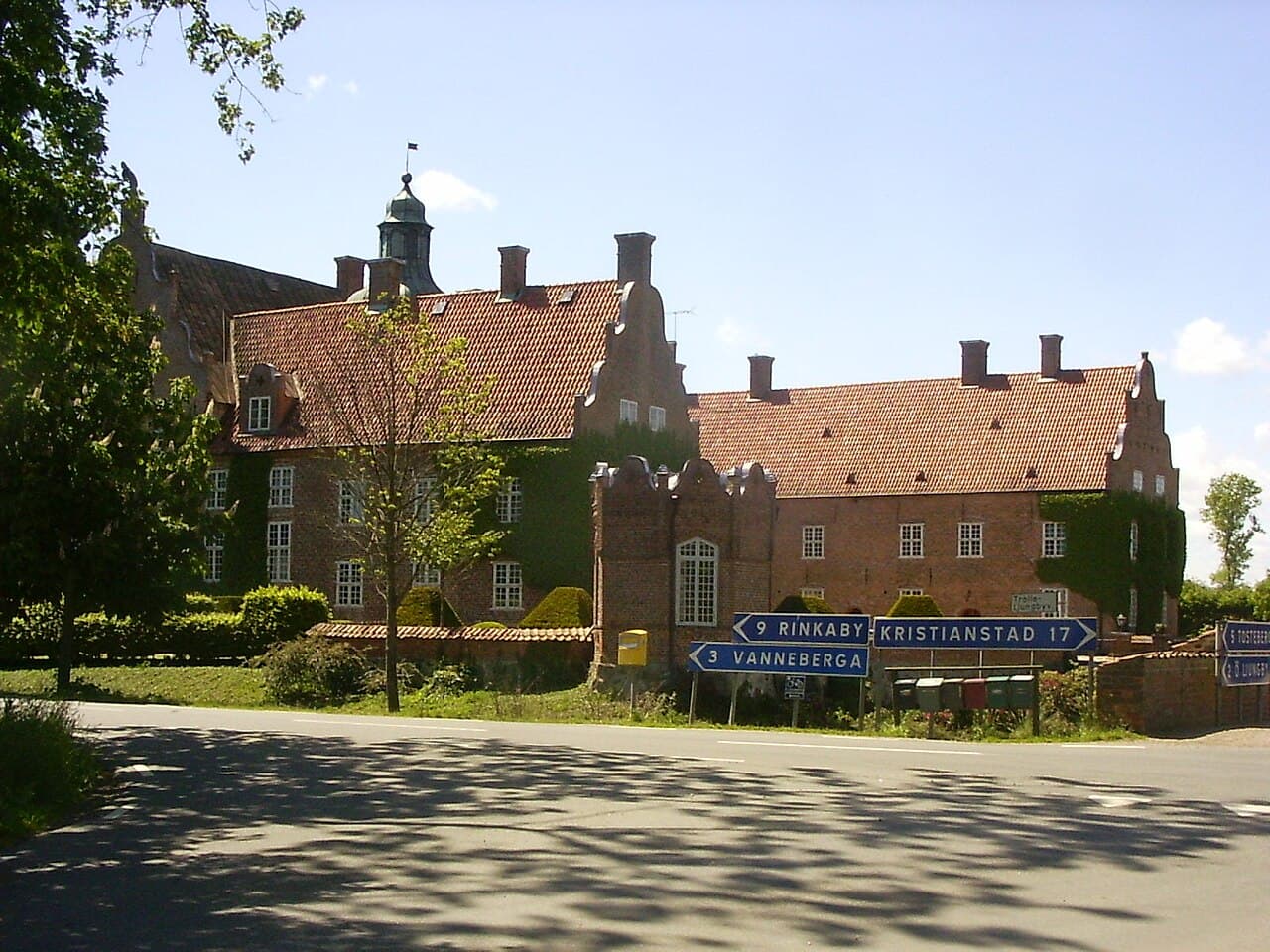
Trolle-Ljungby Castle stands as a prominent example of Renaissance architecture in southern Sweden, located in the village of Fjälkinge within Kristianstad Municipality, Scania. This hill castle is uniquely characterized by its enclosing moat, which adds to its defensive and aesthetic appeal. The castle's origins trace back to the Middle Ages when it functioned as a fortified manor house under the ownership of the Bille family.
The medieval origins and early history
Originally, the site was home to a medieval fortified manor, indicative of the feudal landscape of southern Sweden during the Middle Ages. The Bille family, a noble lineage, held possession of the estate, which was strategically important due to its location and fortifications. However, the original medieval castle was destroyed by fire in 1525, a significant event that marked the end of the medieval structure on the site.
Reconstruction and Renaissance transformation
In 1629, the castle was rebuilt on the grounds of the burnt medieval manor. This reconstruction embraced the Renaissance architectural style, which was becoming influential in Sweden during the early 17th century. The castle's design incorporated characteristic Renaissance elements such as symmetry, proportion, and the use of classical details, distinguishing it from the earlier medieval fortress.
Architectural expansions
The castle did not remain static after its initial reconstruction. A west wing was added in 1633, enhancing the living and functional spaces of the castle. Later, in 1787, the east wing was constructed, reflecting architectural trends of the late 18th century and providing further expansion to the castle's footprint.
Later modifications and features
One notable feature is the stone bridge on the northern side of the castle, built in 1806. This bridge spans the moat and serves both practical and ornamental purposes, contributing to the castle's imposing entrance and access.
Current ownership and status
The castle remains privately owned by the noble Trolle-Wachtmeister family. The current owner, Count Hans-Gabriel Trolle-Wachtmeister, and his wife, Countess Alice Trolle-Wachtmeister, who served as the Swedish Mistress of the Robes, maintain the estate. Their stewardship preserves the castle's historical and architectural legacy.
Architectural highlights and layout
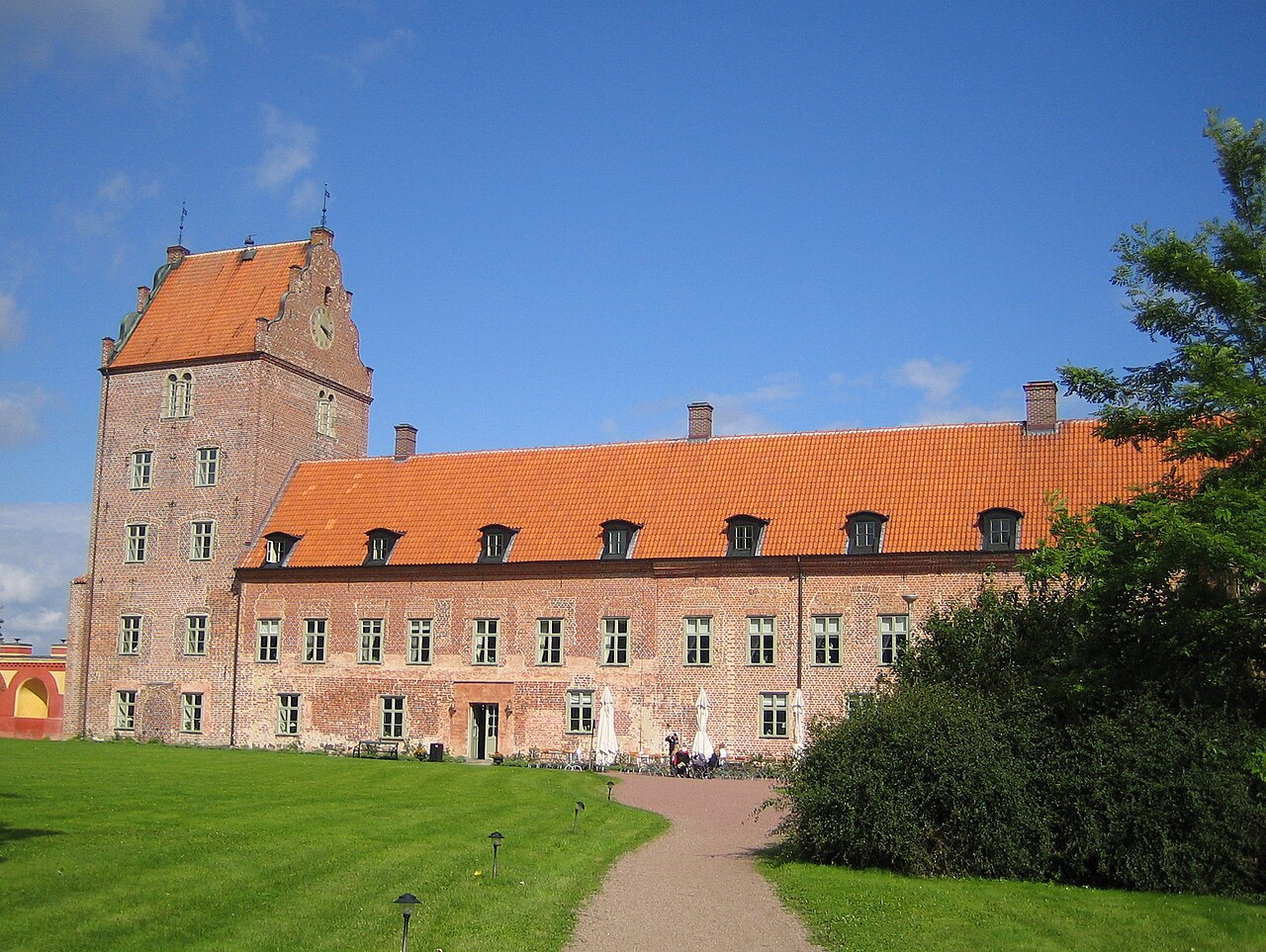
Trolle-Ljungby Castle exemplifies a hill castle typology with its elevated position and defensive moat. The castle complex includes several wings arranged around a central courtyard, a typical feature of Renaissance manor houses adapted to Swedish conditions. The moat not only served defensive functions but also enhanced the castle's visual grandeur.
The castle's walls and façades display Renaissance stylistic details, including orderly window placements and classical ornamentation. The interior, while not extensively documented in public sources, is known to contain period-appropriate features and furnishings reflecting the castle's noble heritage.
Historical significance and cultural heritage
Trolle-Ljungby Castle is among the most magnificent Renaissance buildings in Sweden, representing the transition from medieval fortifications to more residential and stylistically refined noble estates. Its continuous occupation and preservation by noble families contribute to its cultural significance in the region.
The castle's survival through centuries of Swedish history, including wars and social changes, marks it as an important architectural and historical monument. Its moat and stone bridge remain distinctive features that attract interest from historians, architects, and visitors alike.
Visiting and accessibility
Although primarily a private residence, Trolle-Ljungby Castle occasionally participates in cultural events and heritage tours. Visitors interested in Renaissance architecture and Swedish noble history find the castle a valuable site for study and appreciation, although public access may be limited and typically arranged through special events.
Frequently asked questions (FAQ)
- How do I get to Trolle-Ljungby Castle?
- Trolle-Ljungby Castle is located in Fjälkinge, Sweden, easily accessible by car or public transport. If you're driving, take the E22 highway, and follow the signs to Fjälkinge. Public transport options include local buses that connect to nearby towns.
- What is the historical significance of Trolle-Ljungby Castle?
- Trolle-Ljungby Castle dates back to the late 16th century and is a prime example of Renaissance architecture in Sweden. It has served various purposes throughout its history, including as a noble residence and a military stronghold. The castle is a testament to the region's rich history and heritage.
- When was Trolle-Ljungby Castle built?
- Construction of Trolle-Ljungby Castle began in 1580 and was completed in 1588. The castle has undergone several renovations over the centuries, preserving its historical elements while adapting to modern needs. Its long history makes it a fascinating site for visitors interested in Swedish history.
- Can I visit Trolle-Ljungby Castle year-round?
- Yes, Trolle-Ljungby Castle is open to visitors year-round, although the opening hours may vary by season. It is advisable to check the official website for the most current visiting hours and any seasonal events. Guided tours are often available, providing deeper insights into the castle's history and architecture.
- Why is Trolle-Ljungby Castle an architectural highlight?
- Trolle-Ljungby Castle showcases a blend of Renaissance and Baroque architectural styles, making it a unique example in Sweden. Its distinctive features include ornate facades, elegant towers, and beautifully landscaped gardens. The architecture reflects the wealth and status of the noble families who resided there.
- Is it possible to host events at Trolle-Ljungby Castle?
- Yes, Trolle-Ljungby Castle offers facilities for hosting various events, including weddings, conferences, and private parties. The picturesque setting and historical ambiance provide a memorable backdrop for any occasion. It is recommended to contact the castle management for specific arrangements and availability.
- What are the ticket prices for visiting Trolle-Ljungby Castle?
- Ticket prices for Trolle-Ljungby Castle vary depending on age and whether you choose a guided tour. Generally, adult tickets are priced around 100 SEK, while discounts are available for children and seniors. Check the official website for detailed pricing and any special events that may have different rates.
- What is the best time to visit Trolle-Ljungby Castle?
- The best time to visit Trolle-Ljungby Castle is during the spring and summer months when the gardens are in full bloom and the weather is pleasant. Special events and guided tours are often scheduled during this time, enhancing the visitor experience. Autumn also offers beautiful foliage, making it a picturesque season to explore the grounds.
- Are there nearby attractions to visit when I go to Trolle-Ljungby Castle?
- Yes, there are several attractions near Trolle-Ljungby Castle, including the charming town of Kristianstad, which features beautiful parks and historical sites. The nearby nature reserves offer hiking trails and scenic views, perfect for nature lovers. Combining your visit with these attractions can make for a delightful day trip.
Photo gallery

Information
Current owner
Count Hans-Gabriel Trolle-Wachtmeister and Countess Alice Trolle-Wachtmeister
Loading map...
Visitor reviews
No reviews yet. Been here? Write the first review and help other travelers!
Write the first reviewVisited this castle? Share your experience
Your review helps other travelers and adds first-hand knowledge to our encyclopedia.