Bäckaskog Castle
Bäckaskog Castle stands as a remarkable example of historical transformation, evolving from a 13th-century Premonstratensian monastery into a prominent Renaissance castle nestled between the scenic waters of Ivö Lake and Oppmanna Lake in southern Sweden. This unique location on a narrow isthmus has shaped the castle's strategic and aesthetic significance throughout its long history.
Medieval origins and monastic heritage
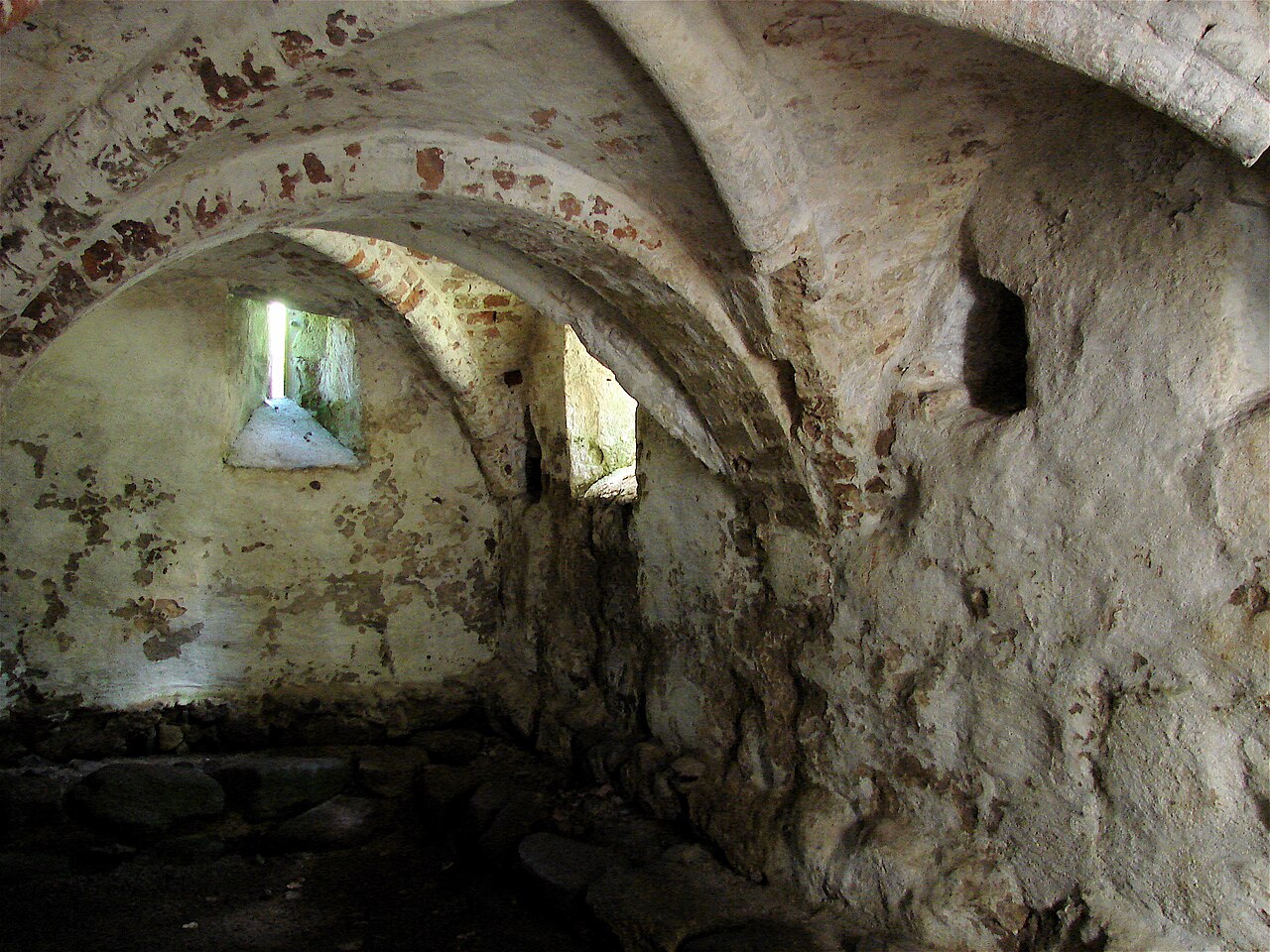
The origins of Bäckaskog Castle trace back to the early 13th century when it was founded as a Premonstratensian monastery, a Catholic religious order known for its communal life and devotion. The monastery was strategically situated on a narrow peninsula flanked by two lakes, providing natural defense and a tranquil environment conducive to monastic life. The original complex included a chapel and monastic buildings designed to support the spiritual and daily needs of the religious community.
During its monastic phase, Bäckaskog was part of a broader network of religious institutions in Scania, then under Danish rule. The monastery thrived until the Reformation in 1537, when the Danish Crown confiscated ecclesiastical properties, leading to the dissolution of the monastery. This marked a significant turning point in the site's history, transitioning from religious to secular use.
Renaissance transformation and noble ownership
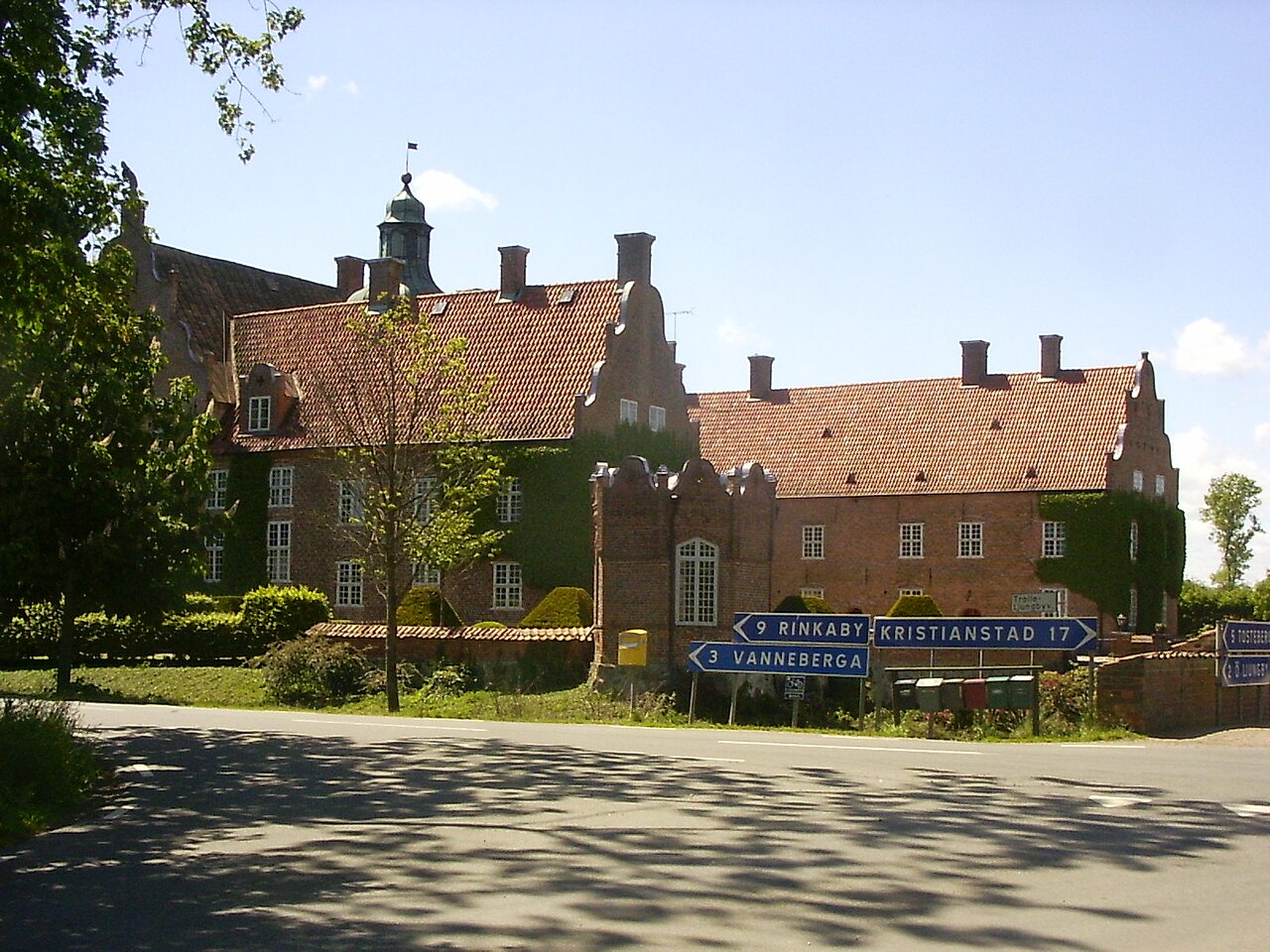
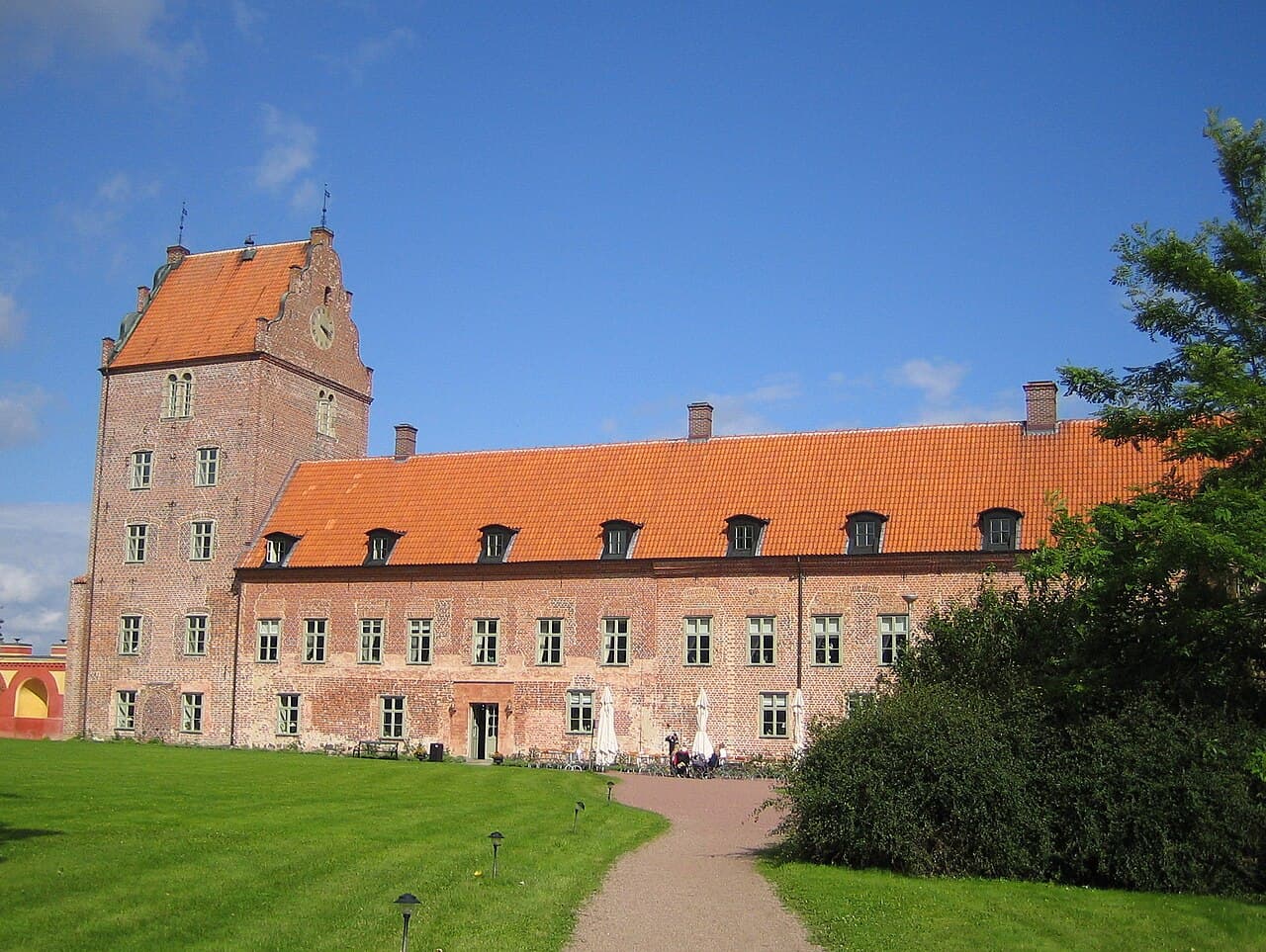
Following the Reformation, the former monastery entered the hands of various noble families, including the Ulfstand, Brahe, Bille, and Parsberg families. The most influential transformation occurred between 1584 and 1653 under the stewardship of Henrik Ramel and his son, who remodeled the site extensively to create the castle's present Renaissance appearance. This period introduced architectural elements typical of the Renaissance style, such as symmetrical layouts, ornate façades, and fortified residential features.
The castle's design during this era reflected both defensive needs and the desire for a prestigious noble residence. The incorporation of the medieval monastic structures into the new castle complex illustrates a blend of architectural styles and functions.
Swedish crown and military role
After the Treaty of Roskilde in 1658, Scania became part of Sweden, and in 1684, King Charles XI took control of Bäckaskog Castle. The estate was repurposed as the residence for the colonel commanding the Southern Scanian cavalry regiment, highlighting its strategic military importance. Despite its military association, the castle was often leased to tenants, maintaining its residential character.
19th and early 20th century developments
The 19th century saw further enhancements under notable figures such as Field Marshal Johan Christopher Toll and King Charles XV, who owned the estate from 1853 to 1872. Later, Crown Prince Frederick of Denmark acquired the castle in 1885, managing it before leasing it to chamberlain Filip Stjernswärd in 1900. These owners contributed to the castle's upkeep and adapted it for contemporary residential and agricultural use.
By the early 20th century, Per Åkers (Nilsson), a prominent industrialist, became the final tenant to both lease the castle and cultivate its agricultural lands directly. After his tenancy, the estate's agricultural and residential functions were separated in 1956, with the castle increasingly used for public events under Gustav Ferlenius.
Architectural features and landscape
Bäckaskog Castle's architecture reveals layers of history, combining its medieval monastic origins with Renaissance residential design. The castle complex includes the main buildings and the preserved castle chapel, which retains its religious significance amidst the castle's evolving role.
The surrounding park, originally part of the monastery grounds, was transformed in the early 19th century into a landscape-style garden known as the "wild park," reflecting the era's naturalistic gardening trends. Although some features like the orangery and decorative elements were removed in the early 20th century, new botanical additions such as an herb garden and a biblical garden were introduced, emphasizing the site's spiritual and educational heritage.
The park is also renowned for its extensive rose cultivation, earning Bäckaskog the nickname "the castle of roses." This horticultural tradition underscores the care given to the estate's landscape over centuries.
Cultural significance and preservation
Bäckaskog Castle has played a role in cultural works, featuring in Åsa Storck’s 1996 children’s book "Rymlingen," which imagines life at the castle during the 14th century. It has also served as a filming location for the popular television program "Stjärnorna på slottet" across multiple seasons between 2012 and 2025.
The castle's historical and architectural importance was officially recognized in 1935 when it was designated a listed building (Byggnadsminne), ensuring its protection as a cultural monument. In 1996, the Swedish National Property Board (Statens Fastighetsverk) acquired the castle, marking a new era of preservation and public engagement.
Today, Bäckaskog Castle operates as a hotel and restaurant, welcoming visitors to experience its rich history, architectural beauty, and serene lakeside setting. The castle's enduring legacy reflects its continuous adaptation from a medieval monastery to a Renaissance noble residence, military headquarters, and modern cultural landmark.
Frequently asked questions (FAQ)
- How do I get to Bäckaskog Castle?
- Bäckaskog Castle is located in Fjälkinge, Sweden, easily accessible by car or public transport. If you are driving, you can use GPS coordinates or follow local signs to the castle. Public transport options may include buses from nearby towns, so check local schedules for the best routes.
- What is the historical significance of Bäckaskog Castle?
- Bäckaskog Castle dates back to the 14th century and has a rich history tied to Swedish nobility. It served as a stronghold during various conflicts and has been a significant site for regional power dynamics. Today, it stands as a testament to medieval architecture and Swedish heritage.
- When was Bäckaskog Castle built?
- Bäckaskog Castle was originally constructed in the late 14th century, with its first recorded mention in 1377. Over the centuries, it has undergone several renovations, reflecting various architectural styles. The castle's enduring structure showcases the evolution of building techniques through the ages.
- Can I visit Bäckaskog Castle?
- Yes, Bäckaskog Castle is open to visitors, allowing you to explore its historical interiors and beautiful grounds. Guided tours are often available to provide deeper insights into the castle's history and architecture. Be sure to check the official website for any specific visitor regulations or requirements.
- Why is Bäckaskog Castle considered an architectural gem?
- The architecture of Bäckaskog Castle blends medieval elements with Renaissance influences, making it unique in design. Its well-preserved features, such as the moat and impressive towers, offer a glimpse into 14th-century construction methods. The castle's aesthetic appeal is complemented by its picturesque surroundings.
- Is it possible to host events at Bäckaskog Castle?
- Yes, Bäckaskog Castle offers facilities for various events, including weddings, conferences, and private gatherings. The stunning backdrop of the castle and its gardens makes it an ideal location for memorable occasions. Interested parties should contact the castle management for details on availability and booking.
- What are the opening hours of Bäckaskog Castle?
- Bäckaskog Castle typically opens to visitors from late spring to early autumn, with specific hours varying by season. During peak tourist months, the castle may have extended hours to accommodate more visitors. Always check the official website for the most current opening times before planning your visit.
- What are the ticket prices for visiting Bäckaskog Castle?
- Ticket prices for Bäckaskog Castle are generally affordable, with discounts available for children, students, and seniors. Special rates may apply for guided tours or events. It’s recommended to check the official website for the latest pricing information and any seasonal promotions.
- What nearby attractions can I visit while at Bäckaskog Castle?
- While visiting Bäckaskog Castle, you can explore nearby attractions such as the beautiful Lake Immeln and various hiking trails in the surrounding area. The region is rich in nature and history, with additional castles and museums within a short drive. Planning a day trip allows you to fully experience the charm of this picturesque part of Sweden.
Photo gallery

Information
Website
Visit websiteSources & official resources
Verify the information above using these authoritative references.
Loading map...
Visitor reviews
No reviews yet. Been here? Write the first review and help other travelers!
Write the first reviewVisited this castle? Share your experience
Your review helps other travelers and adds first-hand knowledge to our encyclopedia.