The architectural significance of Biskopskällaren
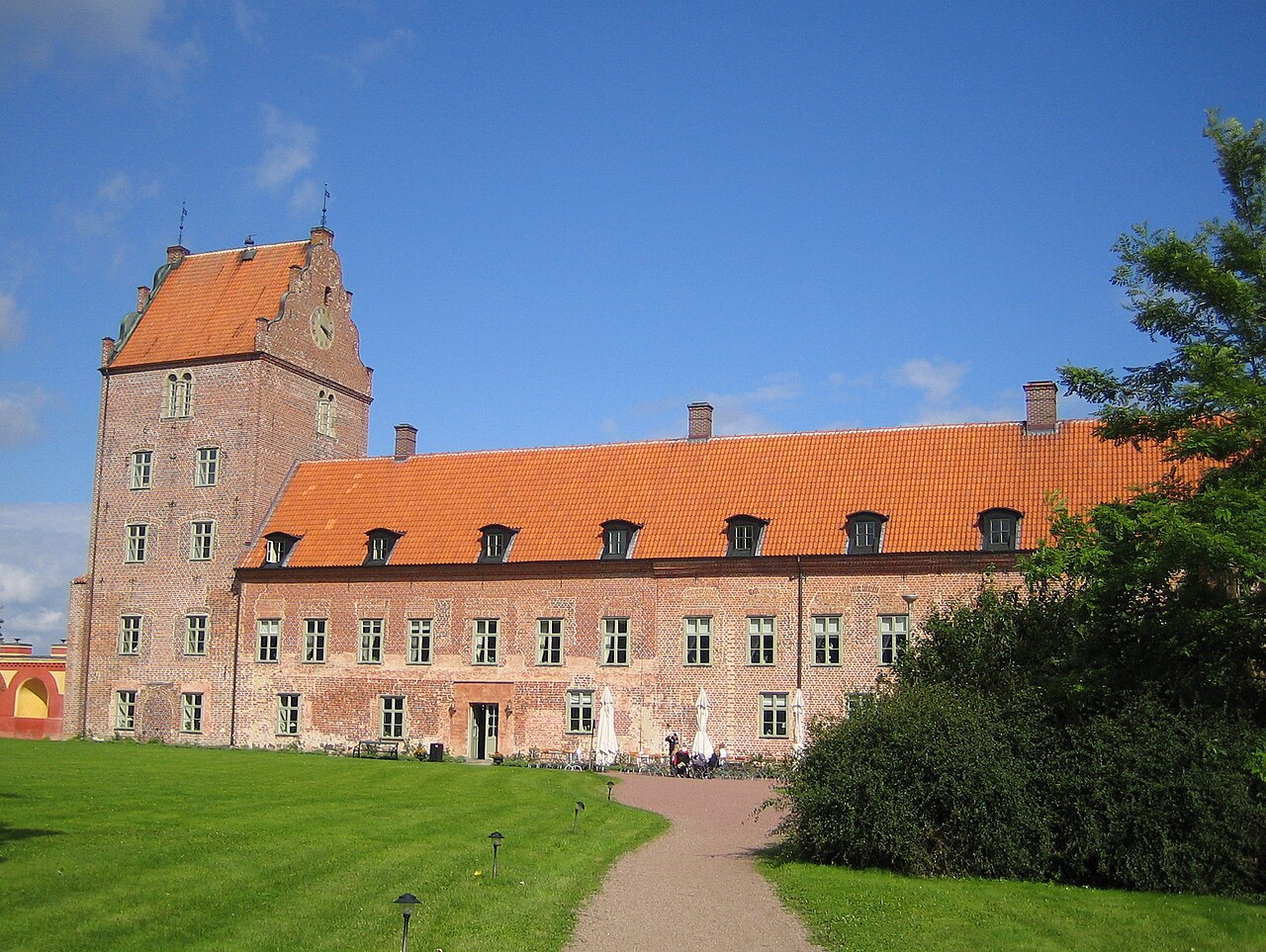
The castle's architectural style and construction period are not precisely documented, but its classification as a hill castle suggests origins in the medieval period, likely between the 12th and 15th centuries. Hill castles in Sweden commonly featured robust stone walls, fortified towers, and defensive ditches or moats adapted to the terrain. Biskopskällaren would have incorporated these elements to maximize defense while utilizing the natural landscape.
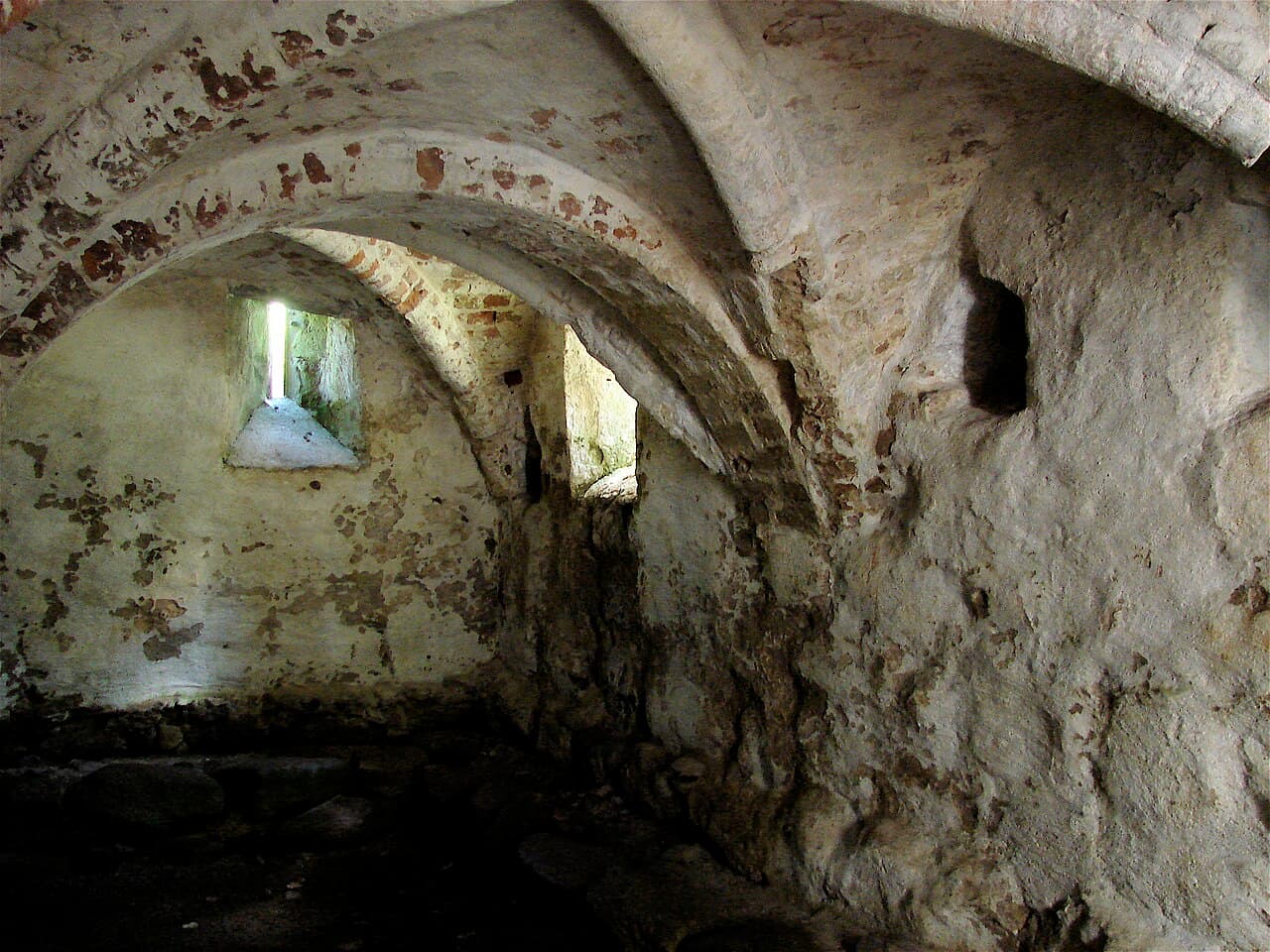
Typical features of such castles include a central keep or donjon, surrounded by curtain walls and protected by battlements and arrow slits. The elevated position often meant steep access routes, which further deterred attackers. While detailed records of Biskopskällaren's specific structures are lacking, its categorization aligns it with these medieval defensive architectural principles.
Historical context and role
Sweden's medieval castles served as both military strongholds and administrative centers. Biskopskällaren, as a hill castle, would have played a role in regional defense and governance. Castles of this type were often controlled by local nobility or ecclesiastical authorities, serving as seats of power and symbols of territorial control.
The name "Biskopskällaren" suggests a possible connection to ecclesiastical ownership or influence, as "biskop" translates to "bishop" in Swedish. This implies the castle might have been associated with a bishopric or church authority, which was common in medieval Scandinavia where church officials held significant temporal power.
Preservation and current status
The current physical condition of Biskopskällaren is not explicitly documented. Many hill castles in Sweden exist today as ruins or partially preserved sites, reflecting centuries of historical change and the impact of natural decay. Without specific information, it is reasonable to consider that Biskopskällaren may be in a ruined or partially preserved state, typical of many medieval castles in the region.
Visitors interested in Swedish medieval history and castle architecture might find Biskopskällaren a site of archaeological and cultural interest, offering insights into the defensive strategies and feudal structures of the time.
Visiting and cultural importance
While exact details on visiting hours, ticket prices, or accessibility are unavailable, hill castles like Biskopskällaren often attract historians, archaeologists, and tourists interested in medieval heritage. Such sites contribute to understanding the historical landscape of Sweden and the evolution of castle construction in Northern Europe.
Exploring Biskopskällaren would provide a glimpse into the medieval period's military architecture and the socio-political dynamics of the region. Its elevated position not only served practical defense purposes but also symbolized authority and control during its time of use.
Frequently asked questions (FAQ)
- How do I get to Biskopskällaren?
- Biskopskällaren is located in the beautiful region of Sweden, easily accessible by public transportation. You can take a train or bus to the nearest town and then enjoy a short walk to the castle.
- What is the historical significance of Biskopskällaren?
- Biskopskällaren is a remarkable example of medieval architecture and has played a crucial role in Sweden's history. It served as a residence for bishops and has witnessed many significant events throughout the centuries.
- When was Biskopskällaren built?
- Biskopskällaren was constructed in the 12th century, making it one of the oldest surviving structures in the area. Its rich history reflects the architectural styles and cultural influences of that period.
- Can I take guided tours of Biskopskällaren?
- Yes, guided tours are available at Biskopskällaren, providing visitors with in-depth knowledge about its history and architecture. These tours are typically offered in multiple languages and are highly recommended for a complete experience.
- Why is Biskopskällaren considered an architectural gem?
- Biskopskällaren is renowned for its unique blend of Romanesque and Gothic architectural styles, showcasing intricate stonework and impressive towers. Its design reflects the importance of the ecclesiastical power in medieval Sweden.
- Is it possible to explore the grounds of Biskopskällaren?
- Yes, visitors can explore the beautiful grounds surrounding Biskopskällaren, which include gardens and scenic views. There are designated paths for walking, making it a pleasant place to enjoy a leisurely stroll.
- What are the opening hours for Biskopskällaren?
- Biskopskällaren is typically open from 10 AM to 5 PM, but it's best to check their official website for any seasonal variations or special events that might affect these hours. Planning ahead can enhance your visit.
- What are the ticket prices for visiting Biskopskällaren?
- Ticket prices for Biskopskällaren are generally affordable, with discounts available for students and seniors. Family tickets can also be purchased, making it a great destination for visitors of all ages.
- When is the best time to visit Biskopskällaren?
- The best time to visit Biskopskällaren is during the late spring and early autumn months when the weather is mild and the gardens are in full bloom. This period offers a picturesque backdrop for exploring the castle and its surroundings.
- What nearby attractions can I visit while at Biskopskällaren?
- While visiting Biskopskällaren, you can explore other historical sites and natural attractions in the vicinity, including local museums and parks. Many visitors also enjoy dining at nearby restaurants that offer traditional Swedish cuisine.
Photo gallery

Photo by Orfeus•Public domain
Information
Loading map...
Visitor reviews
No reviews yet. Been here? Write the first review and help other travelers!
Write the first reviewVisited this castle? Share your experience
Your review helps other travelers and adds first-hand knowledge to our encyclopedia.