Trikala Castle
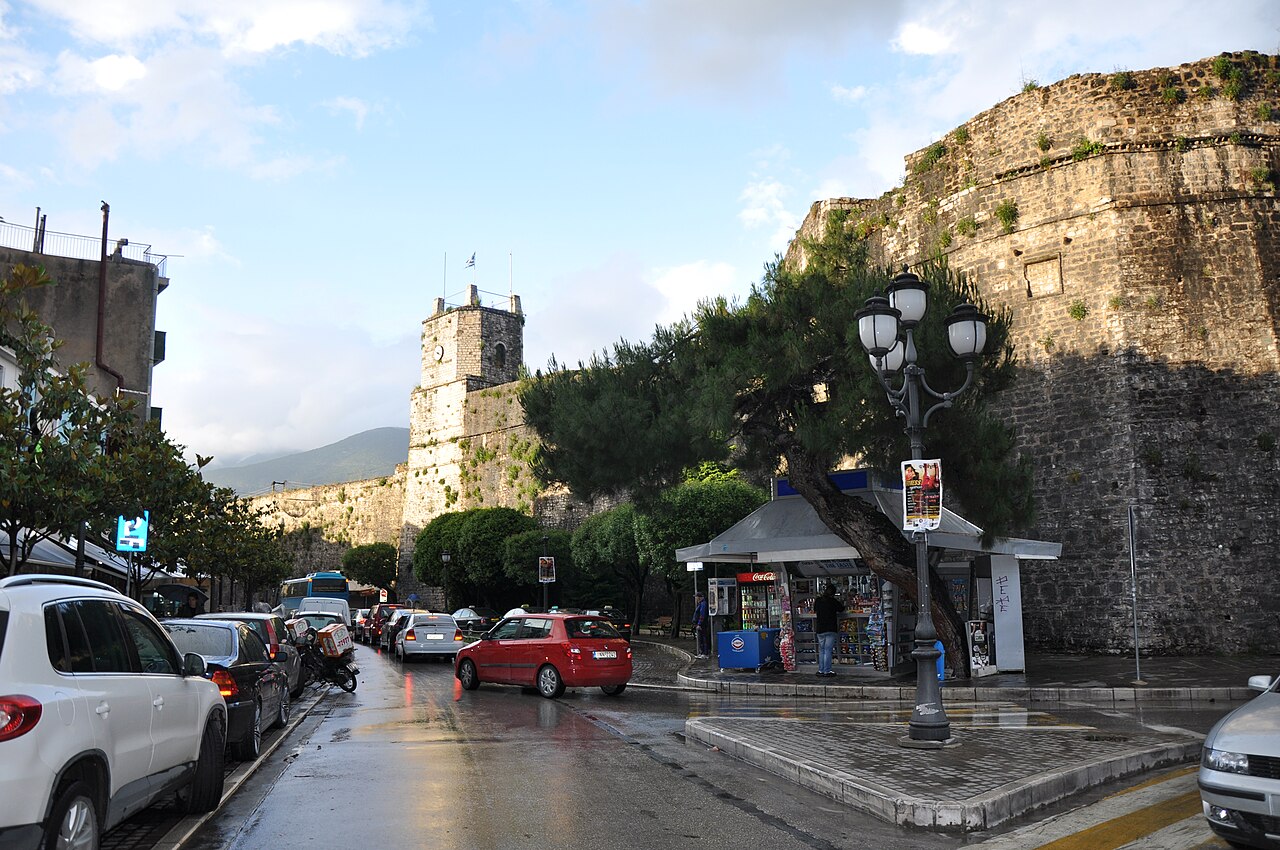
Trikala Castle (Greek: Κάστρο Τρικάλων) is a prominent Byzantine-era citadel located in the city of Trikala in western Thessaly, Greece. This hill castle occupies a strategic position overlooking the city and the surrounding plains, reflecting its historic role as a defensive stronghold controlling key routes in the region.
Historical background and construction
The castle's origins trace back to the 6th century, during the reign of the Byzantine Emperor Justinian I, who undertook extensive fortification projects across the empire to protect against invasions and raids. The initial construction of Trikala Castle was part of this broader defensive strategy, aimed at securing the important urban center of Trikala and the surrounding Thessalian plain.
Over the centuries, the castle underwent multiple phases of expansion and modification, particularly during the Middle Ages. It was adapted and reinforced under the Byzantine Empire and later by the Ottoman Turks after their conquest of the region in the 15th century. These successive layers of construction reflect the castle's continuous military importance through different historical periods.
Architectural features and layout
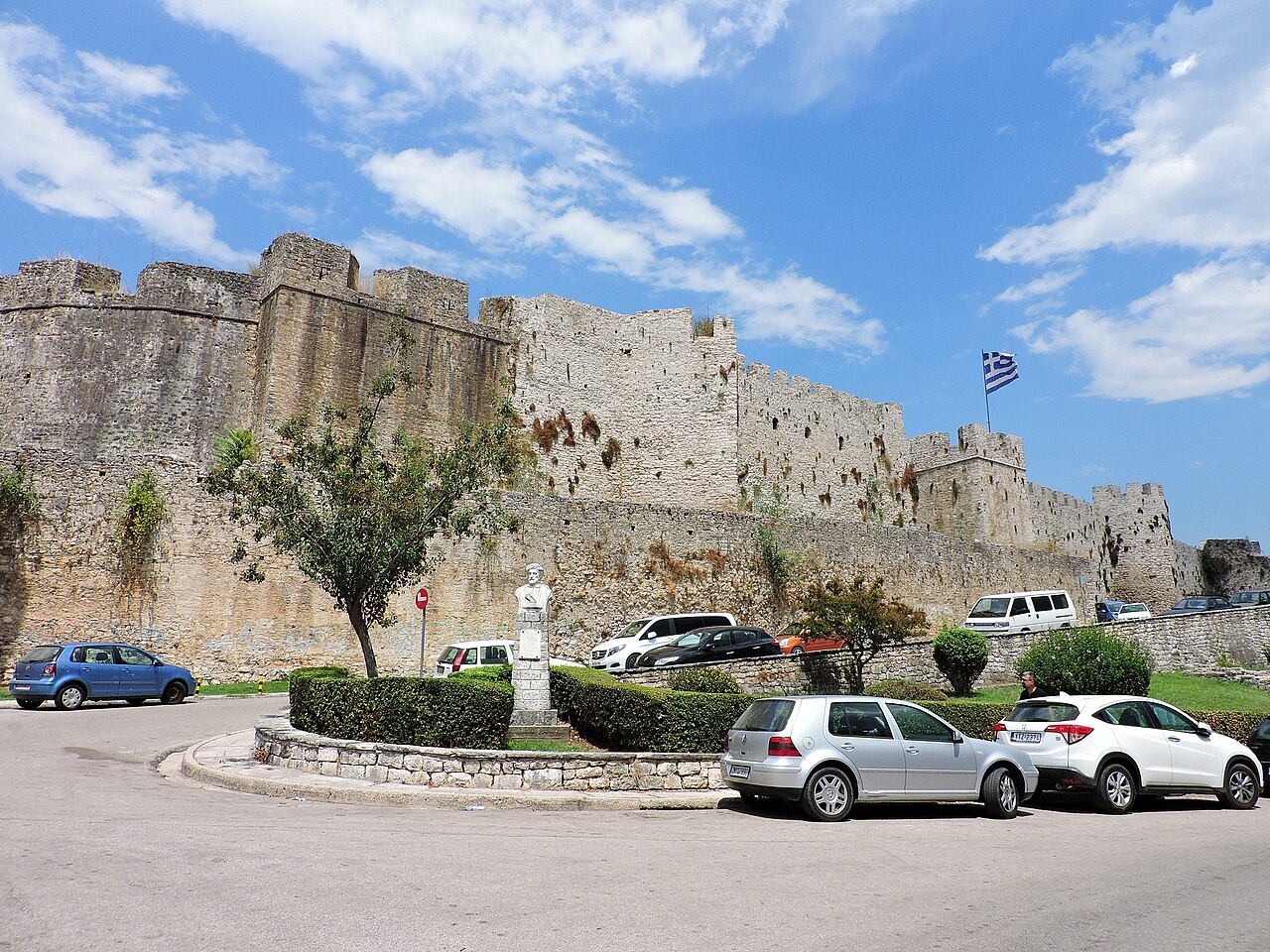
Trikala Castle is classified as a hill castle, built on elevated terrain that provides natural defensive advantages. The fortress encompasses a roughly rectangular plan, with thick stone curtain walls punctuated by towers and bastions at intervals for enhanced defense.
The walls incorporate Byzantine masonry techniques, including the use of brick bands alternating with stone blocks, a characteristic style of the period. The castle's main entrance is fortified with a gate complex designed to control access and withstand sieges.
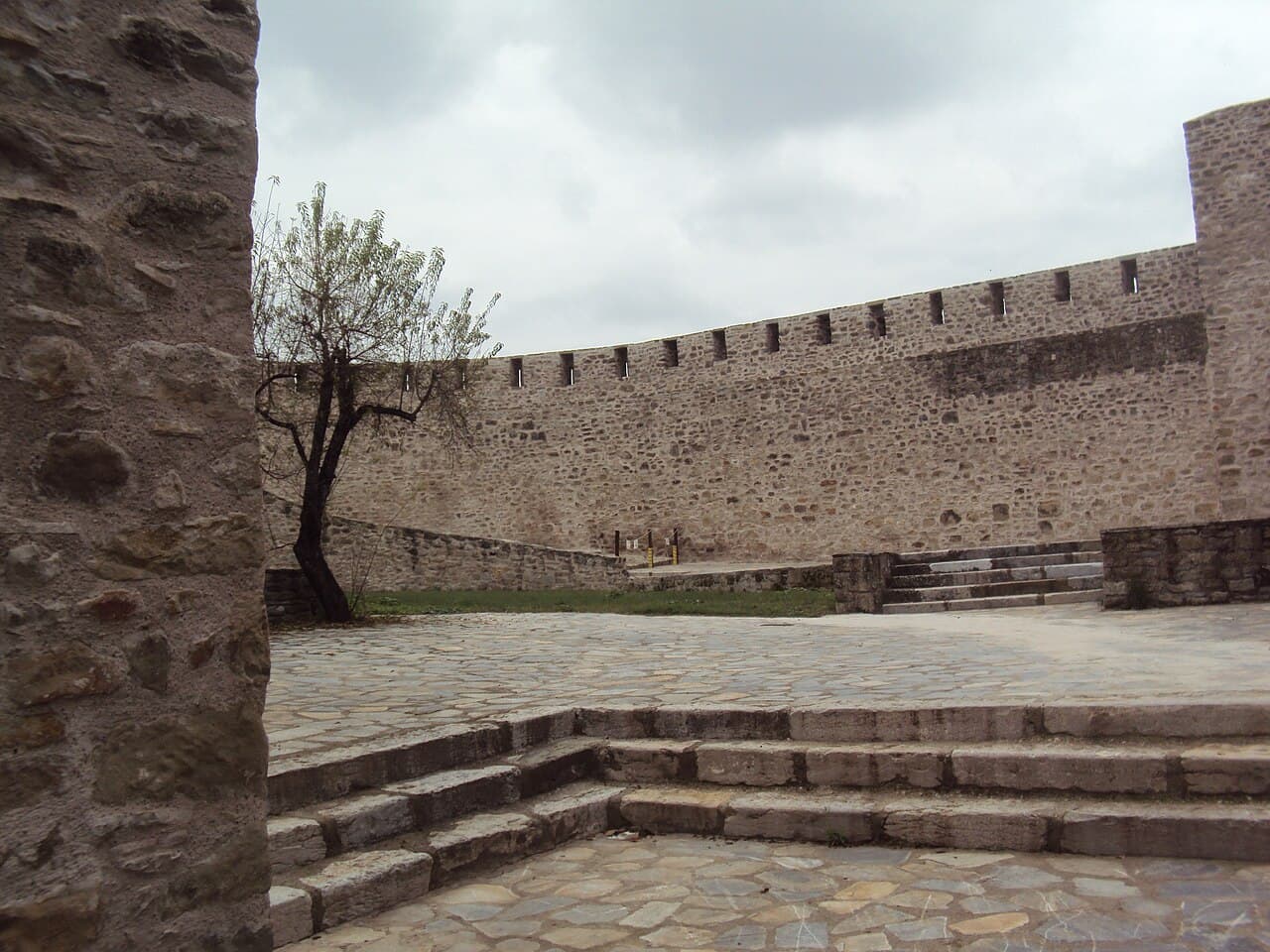
Within the enclosure, remnants of various structures survive, including residential quarters, storage facilities, and possibly a small chapel, indicating the castle's role as a self-sufficient military and administrative center.
Military significance and historical role
Throughout its history, Trikala Castle served as a crucial military bastion guarding the Thessalian plain and the routes connecting northern and southern Greece. Its elevated position allowed defenders to monitor and control movement across the region, making it a key asset in regional conflicts.
During the Byzantine period, the castle was part of a network of fortifications protecting the empire's interior from invasions by Slavic tribes, Bulgarians, and later the Normans. After the Ottoman conquest, it continued to function as a military garrison and administrative center, adapting to changing military technologies and tactics.
Current condition and cultural importance
Today, Trikala Castle remains partially preserved, with significant sections of its walls and towers still standing. The site is accessible to visitors and offers panoramic views of the city of Trikala and the surrounding landscape.
The castle is an important cultural landmark, embodying the layered history of Thessaly from the Byzantine era through the Ottoman period. It attracts historians, archaeologists, and tourists interested in medieval fortifications and Greek history.
Preservation efforts and tourism
Local authorities have undertaken preservation and restoration efforts to stabilize the remaining structures and enhance visitor access. Informational signage and guided tours provide insights into the castle's architectural features and historical context.
Visitors can explore the castle grounds, walk along sections of the ancient walls, and appreciate the blend of architectural styles that tell the story of its long history.
Architectural style and influences
The castle's architecture primarily reflects Byzantine military design, characterized by robust stone walls, strategic use of natural topography, and functional defensive elements. The masonry techniques and construction methods show influences typical of the early medieval period.
Later modifications introduced elements consistent with Ottoman military architecture, including adaptations for artillery defense. This layered architectural history makes Trikala Castle a valuable example of evolving fortification styles in Greece.
Frequently asked questions (FAQ)
- How do I get to Trikala Castle?
- Trikala Castle is located on a hill in the city of Trikala, Thessaly, Greece. It is accessible by foot from the city center, with clear paths leading up to the fortress.
- What is the historical significance of Trikala Castle?
- Trikala Castle dates back to the 6th century Byzantine era and served as a strategic military fortress guarding the Thessalian plain and regional routes.
- Can I explore the castle grounds?
- Yes, visitors can walk along the preserved sections of the castle walls, explore the ruins within the enclosure, and enjoy panoramic views of Trikala and the surrounding landscape.
- When is the best time to visit Trikala Castle?
- The castle is best visited in spring and autumn when the weather is mild. Summers can be hot, and winters may be cold and wet, affecting accessibility.
- Is there an entrance fee for Trikala Castle?
- Currently, there is no entrance fee to visit Trikala Castle, making it an accessible historical site for all visitors.
Photo gallery

Information
Loading map...
Visitor reviews
No reviews yet. Been here? Write the first review and help other travelers!
Write the first reviewVisited this castle? Share your experience
Your review helps other travelers and adds first-hand knowledge to our encyclopedia.