Arta Castle
Arta Castle is a significant hill castle located at the northeastern edge of the city of Arta in Epirus, Greece. This fortress stands on the ruins of the ancient city of Ambracia, a settlement abandoned after 31 BC following the foundation of Nicopolis by Emperor Augustus. The castle's strategic position atop a hill overlooking the Arachthos River provided natural defensive advantages, complemented by robust man-made fortifications that evolved through centuries of occupation and conflict.
Early history and byzantine foundations
The first recorded mention of the castle dates to 1082, during a norman siege that highlighted the existence of fortifications at the site. The castle gained prominence in the early 13th century when Arta became the capital of the Despotate of Epirus, a Byzantine successor state formed after the Fourth Crusade's fragmentation of the Byzantine Empire. The castle served as the citadel and administrative center of this polity.
The main phase of construction is attributed to Michael II Komnenos Doukas, the ruler of Epirus from approximately 1230 to 1266. His reign saw significant fortification efforts, as evidenced by a monogram found near the castle’s principal gate tower, linking the structure directly to his rule. These enhancements included the strengthening of the castle walls and the addition of numerous towers, adapting the fortress to the military needs of the period.
Architecture and fortifications
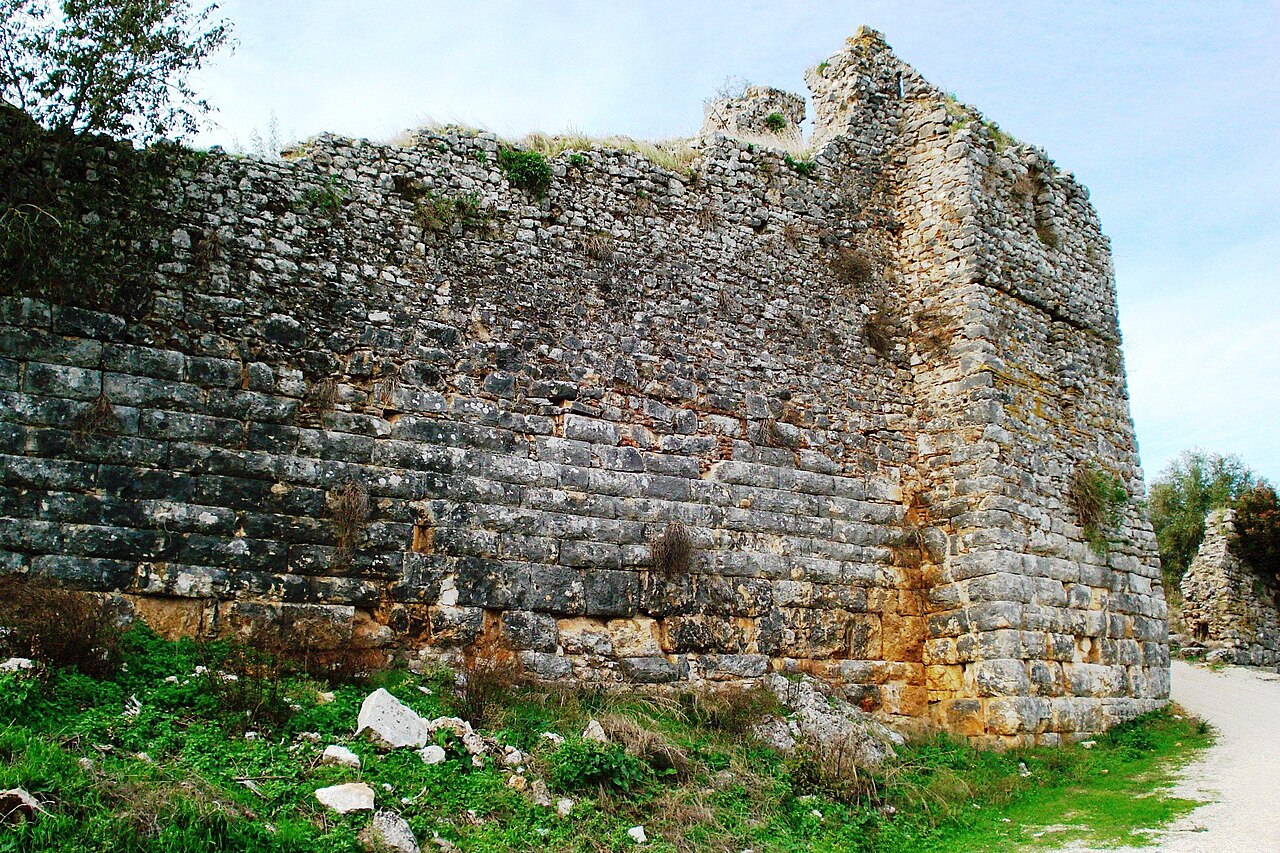
The castle is enclosed within an irregular polygonal wall approximately 280 meters in length and up to 175 meters wide, oriented northeast to southwest. The walls reach heights of about 10 meters and are roughly 2.5 meters thick, constructed primarily from stone blocks. A notable feature is the reuse of large, finely cut ashlar blocks from the ancient city of Ambracia in the eastern wall, demonstrating continuity in construction materials and techniques across centuries.
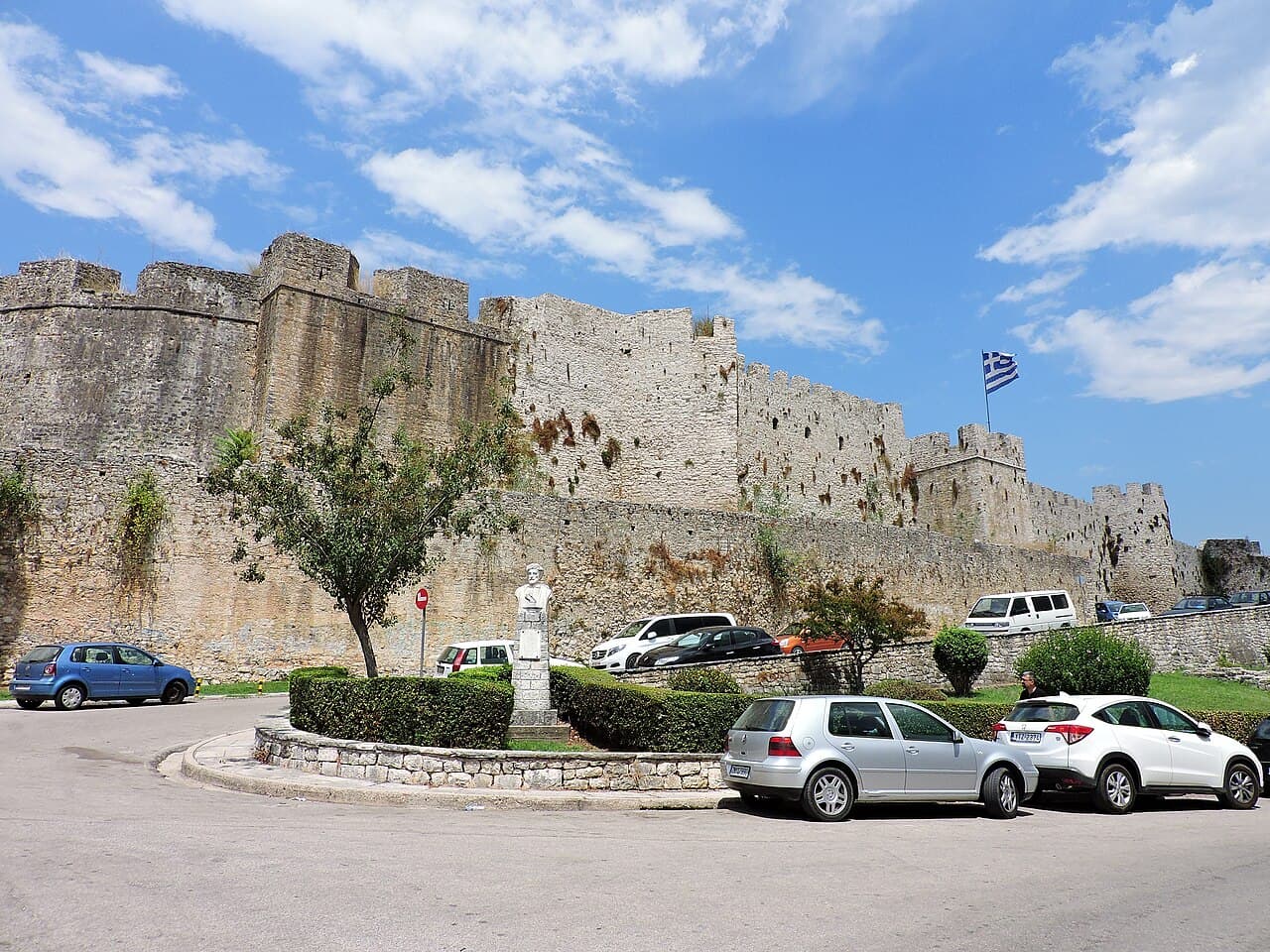
Natural defenses are enhanced by the steep cliffs on the eastern side and the proximity of the Arachthos River, which historically flowed closer to the castle than it does today. The perimeter includes eighteen towers spaced at intervals of approximately 25 meters. These towers vary in shape, including semi-circular, triangular, and polygonal designs, providing diverse vantage points and defensive capabilities.
The fortifications consist of two concentric walls on most sides. The inner wall, about 10 meters high, remains largely intact and bears the main defensive towers. The outer wall, lower at 4 to 5 meters, once provided an additional layer of defense but now survives mostly in fragments. This dual-wall system reflects typical medieval defensive architecture, enhancing the castle's resilience against sieges.
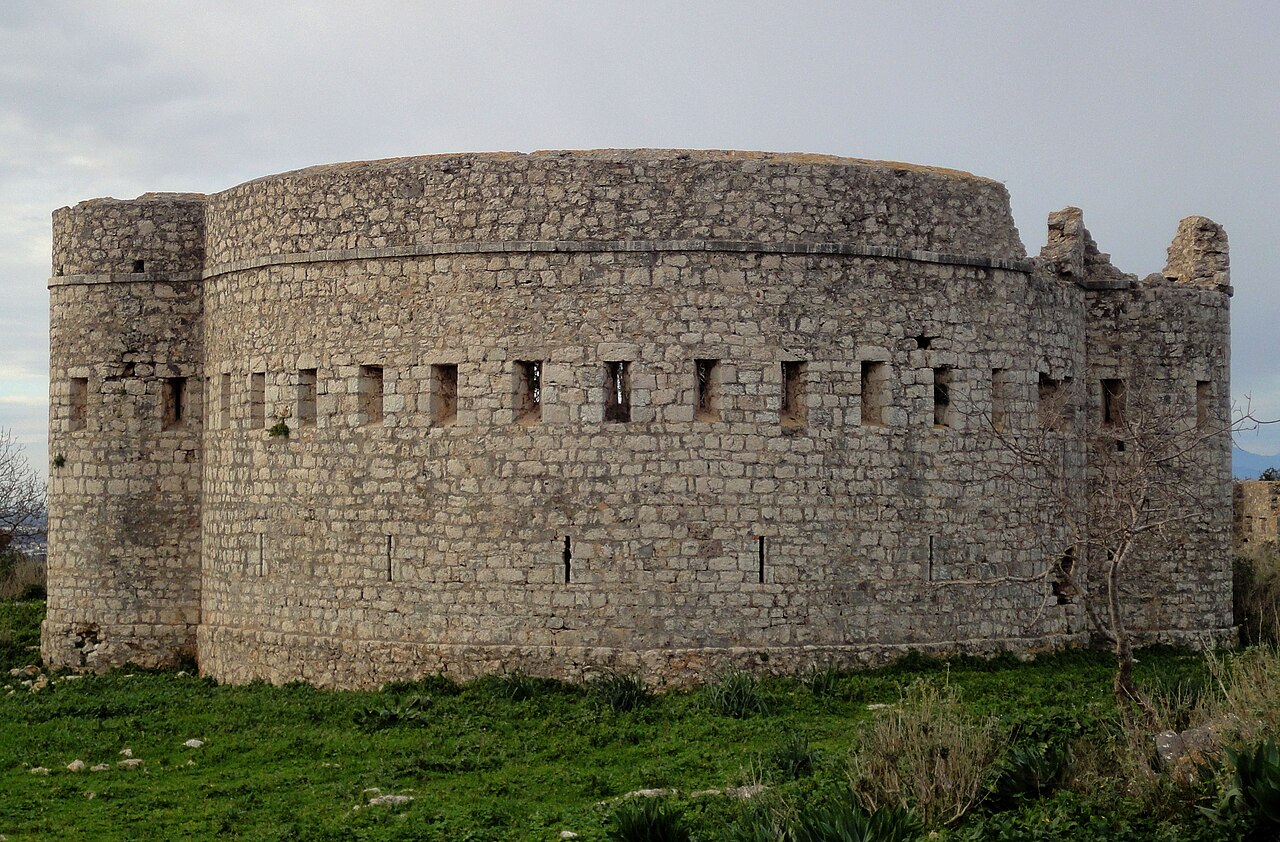
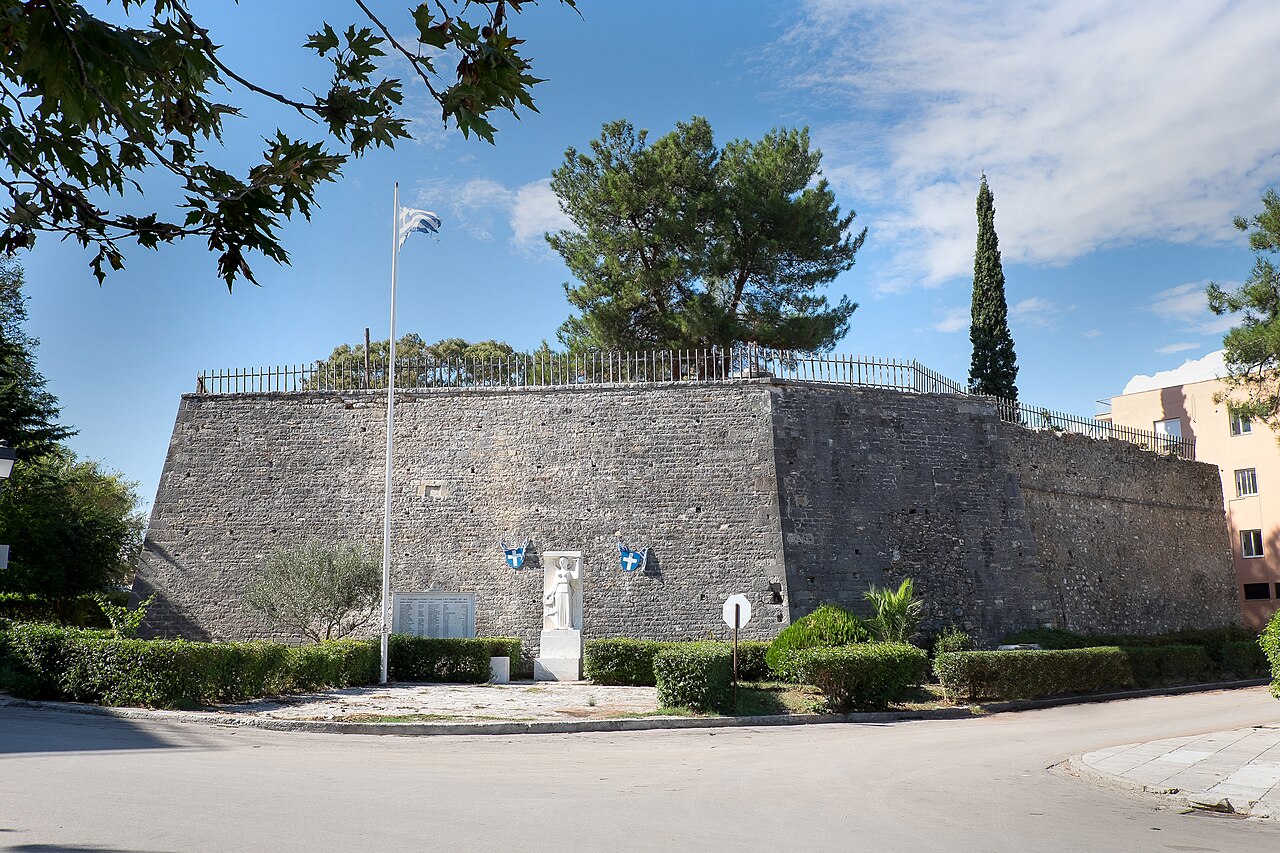
During the Ottoman and Venetian periods, the castle underwent modifications to accommodate artillery warfare. These adaptations included the addition of bastions and the creation of openings in parapets and towers for cannon and firearm use, which altered the medieval character of the walls but improved their defensive efficacy against gunpowder weapons.
A distinctive clock tower was added in 1875, symbolizing the castle's continued use and adaptation into the modern era.
Historical significance and changing rulers
Arta Castle's history reflects the turbulent political landscape of the region. After its Byzantine and Despotate of Epirus period, it passed through the hands of Serbian and Albanian rulers, followed by Angevin, Ottoman, Venetian, and French control. Each regime left its mark through architectural changes and functional adaptations.
The Ottoman conquest in 1449 integrated the castle into the empire, where it served as both a prison and the residence of the local governor. Notably, it detained prominent figures involved in the Greek War of Independence, linking the fortress to Greece's national history.
The castle became part of the modern Greek state in 1881 following territorial realignments after the decline of Ottoman power in the region.
Modern use and preservation efforts
In the 20th century, parts of the castle were repurposed for civilian uses, including the construction of the Xenia hotel within its walls, representing an example of adaptive reuse. Starting in 1987, the castle grounds hosted an open-air theater that became a cultural venue for local events and performances.
Between 2011 and 2015, extensive preservation and restoration work focused on repairing the castle's structures and improving visitor access, ensuring the site's historical integrity and enhancing its role as a cultural landmark.
Internal structures and archaeological remains
Within the castle’s enclosure, archaeological excavations have revealed remains of a Byzantine church and buildings associated with the Despotate's palace and its chapel, underscoring the castle's dual function as a fortress and a noble residence. Unfortunately, many of these internal structures suffered damage or destruction during the mid-20th century hotel construction.
The southwest corner of the castle encloses a smaller inner section known as the inner castle, which housed the palace complex of the ruling Komnenos Doukas family in the 15th century. This area highlights the castle’s role not only as a military stronghold but also as a seat of regional power and governance.
Visitor experience and cultural importance
Today, Arta Castle stands as a well-preserved example of medieval fortification architecture, offering visitors insight into the complex history of Epirus and the broader Byzantine world. The castle’s extensive walls, towers, and natural defensive features provide a tangible connection to centuries of military, political, and cultural history.
The open-air theater continues to host cultural events, integrating the castle into the contemporary cultural life of Arta. Preservation efforts have made the site accessible and informative, with signage and pathways that guide visitors through its rich historical layers.
Arta Castle remains a key heritage site in Greece, attracting historians, architecture enthusiasts, and tourists interested in the Byzantine and medieval eras.
Frequently asked questions (FAQ)
- What is the best time to visit Arta Castle?
- The best time to visit Arta Castle is during spring and autumn when the weather is mild, and the open-air theater hosts cultural events.
- Is Arta Castle accessible for visitors with mobility issues?
- While some areas of Arta Castle have uneven terrain and stairs, efforts have been made to improve accessibility, but visitors with mobility issues may find certain parts challenging.
- Can I visit the open-air theater inside Arta Castle?
- Yes, the open-air theater inside Arta Castle is open to the public during scheduled cultural events, especially in the summer months.
- What historical periods does Arta Castle represent?
- Arta Castle represents several historical periods including Byzantine, Despotate of Epirus, Ottoman, Venetian, and modern Greek eras.
- Are there guided tours available at Arta Castle?
- Guided tours may be available through local tourism offices or cultural organizations, providing detailed historical and architectural insights.
Photo gallery

Information
Website
Visit websiteSources & official resources
Verify the information above using these authoritative references.
Loading map...
Visitor reviews
No reviews yet. Been here? Write the first review and help other travelers!
Write the first reviewVisited this castle? Share your experience
Your review helps other travelers and adds first-hand knowledge to our encyclopedia.