Ioannina Castle
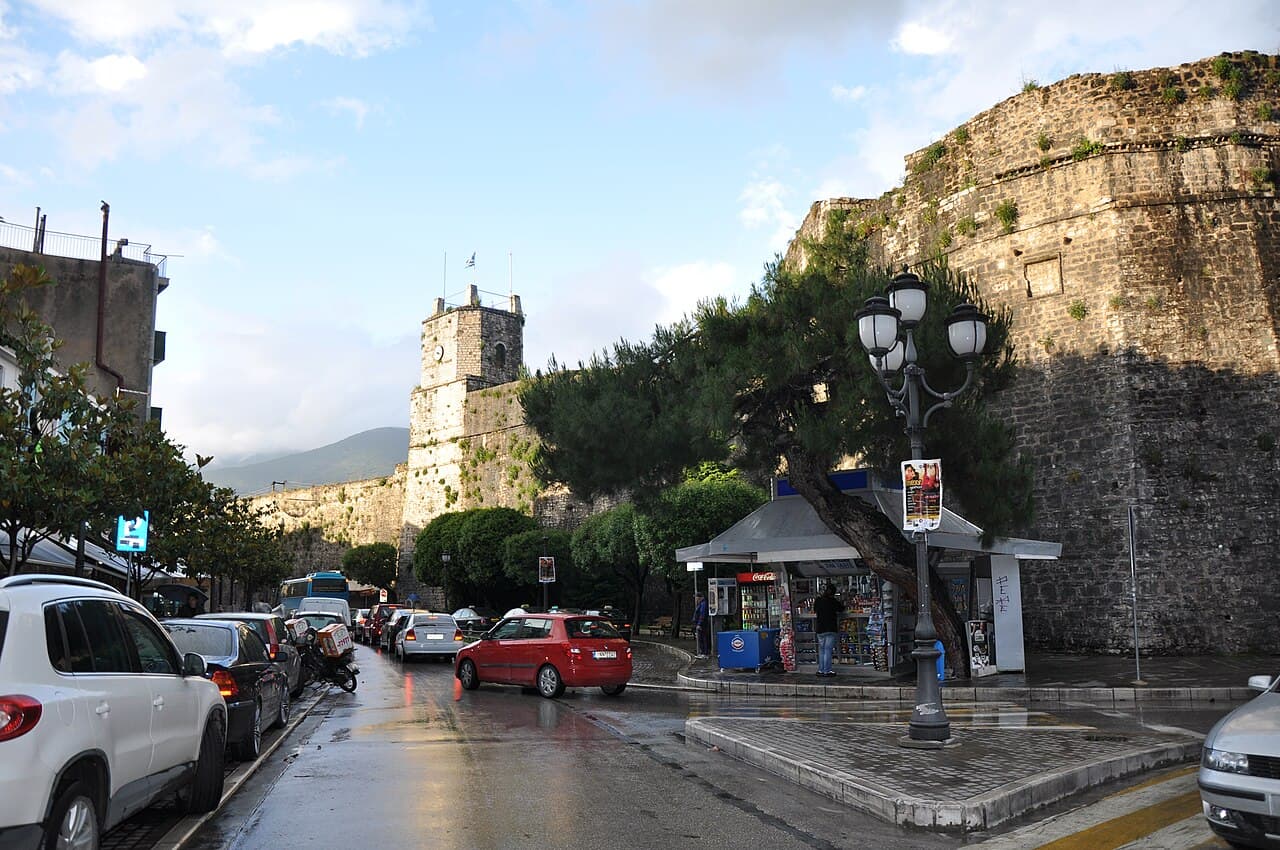
Ioannina Castle is a prominent hill castle located in the municipality of Ioannina in northwestern Greece. This fortress stands on a site with a rich history of continuous settlement and fortification, reflecting layers of architectural and political change from antiquity through the modern era. The castle's strategic position on a rocky promontory overlooking Lake Pamvotis has made it a significant defensive and administrative center for over two millennia.
Archaeological evidence indicates that the earliest fortifications at the site date back to the Hellenistic period (4th to 3rd centuries BC), establishing a foundation that influenced later Byzantine and Ottoman constructions. The castle's first definite historical mention appears in a decree from 1020 by Byzantine Emperor Basil II. However, traditional accounts suggest the initial establishment of fortifications under Emperor Justinian I in the 6th century, although no direct archaeological proof currently supports this early date.
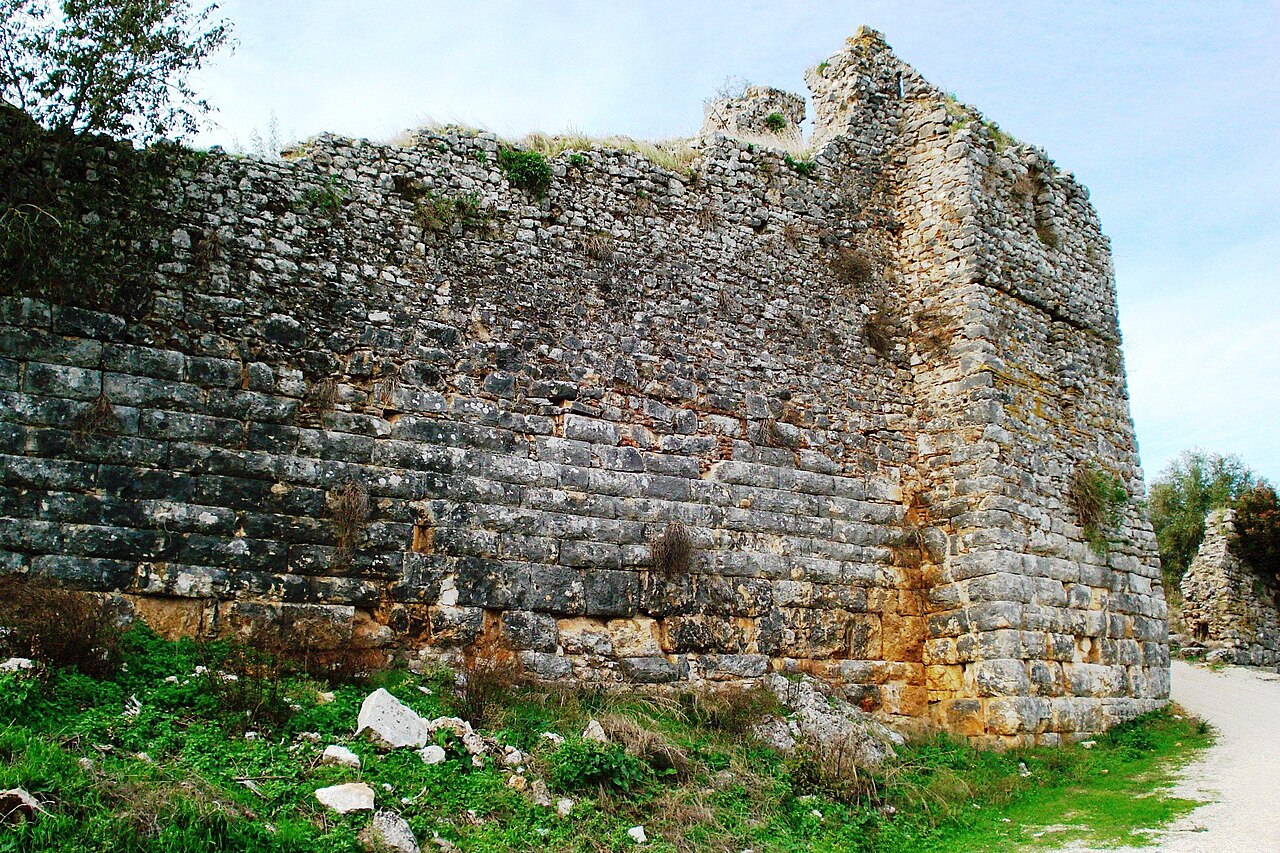
During the Byzantine period, the castle underwent significant development. In the 10th century, the construction of the northeastern citadel's core walls marked a major expansion, forming the heart of the fortress. By the late 11th century, the southeastern citadel, known as Its Kale, was added. This larger citadel is traditionally attributed to the Norman leader Bohemond of Taranto, linked to his military campaigns in the region. Excavations have revealed that the Tower of Bohemond, a large circular tower at the citadel's center, rests on even older Hellenistic foundations, highlighting the site's deep historical roots.
Medieval and early modern history
Following the tumultuous events of the Fourth Crusade in 1204, control of Ioannina Castle shifted among various powers. It was held by the Despotate of Epirus, a Byzantine successor state; the restored Byzantine Empire; the Serbian ruler Stefan Dushan; the Florentine adventurer Esau de’ Buondelmonti; and the Italian Tocco family. This succession of rulers reflects the castle's importance amid the complex political landscape of medieval Epirus until the Ottoman Empire captured it in 1430.
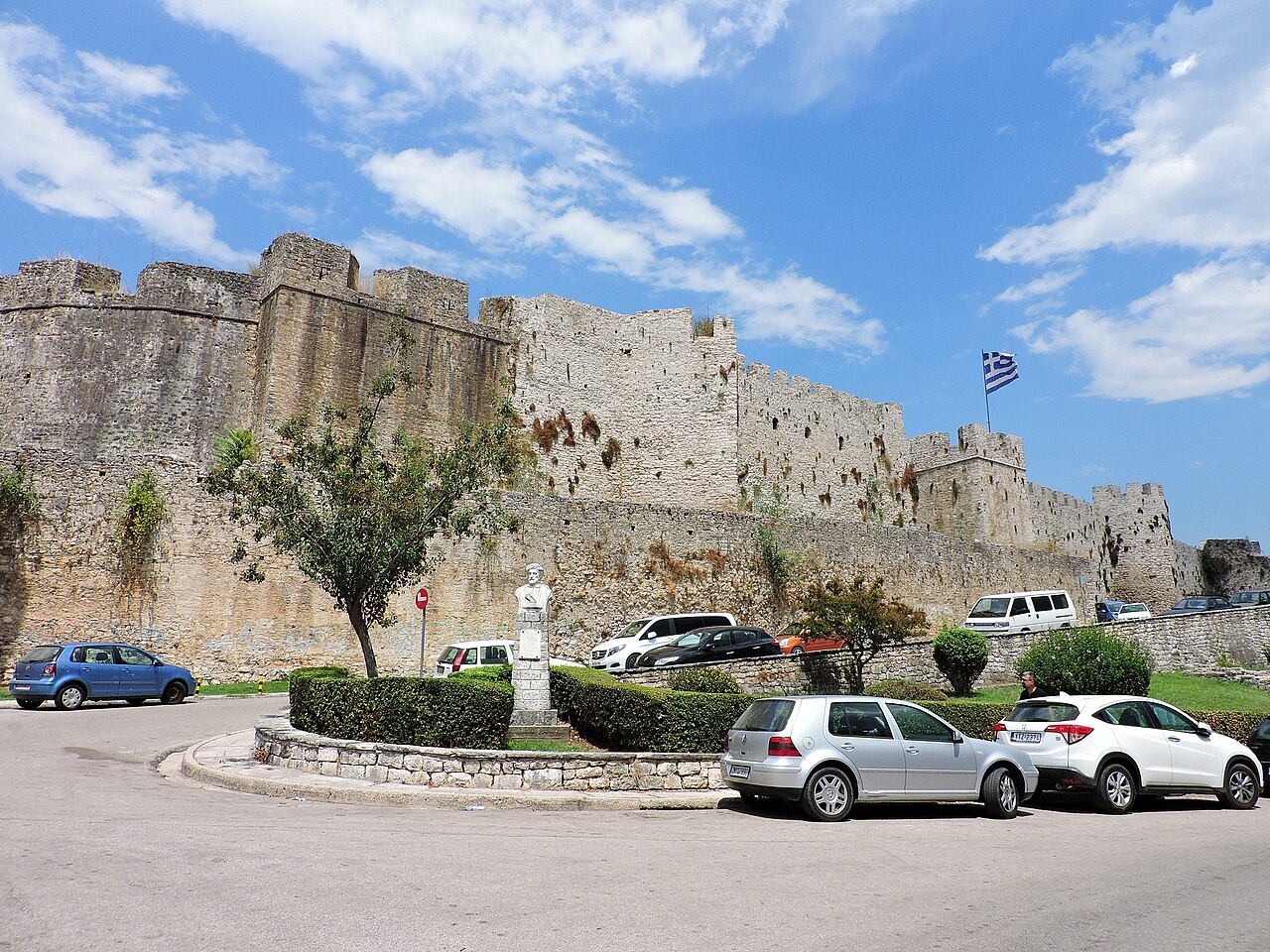
Under Ottoman rule, Ioannina Castle became a vital administrative and military center. Its prominence peaked during the rule of Ali Pasha from 1787 to 1822, who governed a semi-autonomous territory spanning parts of modern Greece and Albania. Ali Pasha undertook an extensive rebuilding of the castle's fortifications, completed by 1815. His renovations incorporated existing Byzantine walls and added a formidable outer wall featuring arched galleries and cannon platforms, enhancing the fortress's defensive capabilities in the early 19th century.
Architectural features and layout
The castle is dominated by two principal citadels established by the late 11th century. The smaller northeastern citadel covers about 6,000 square meters and retains partly Byzantine walls. Its grand southern gate is flanked by the Upper Tower, a large circular fortification that historically housed local governors and rulers of the Despotate of Epirus. Within this citadel stood a palace and a church dedicated to Saint John, demolished in 1618 to make way for the Aslan Pasha Mosque complex. This mosque ensemble, which includes the mosque, the founder's tomb (türbe), a traditional Islamic school (madrasah), and a communal kitchen, survives intact today and functions as the Municipal Ethnographic Museum.
Additional Ottoman-era structures in the northeastern citadel include the Turkish Library, likely associated with the madrasah; an Ottoman bathhouse (hamam); the Soufari Sarai cavalry barracks built during Ali Pasha's final years (1815–1820); and a Byzantine-period bath complex. These buildings illustrate the castle's layered history and its role as a vibrant administrative and military hub.
The larger southeastern citadel, Its Kale, spans approximately 30,000 square meters and served as a fortress within the old town. Excavations have uncovered Byzantine residences for city officials (archontes), the cathedral of the Taxiarches, and the church of the Pantokrator. Its Kale became Ali Pasha's principal residence starting in 1788, when he constructed a grand two-storey palace with numerous windows overlooking Lake Pamvotis. This palace complex was the administrative heart of his domain until its destruction during the siege of 1821–22 and eventual demolition in 1870.
Palace and surviving structures
Archaeological investigations have revealed the palace's layout, with the selamlik (public reception areas) on the northern side and the private harem quarters to the south. Ruins mainly belong to the southern portion, including remains of the Tower of Bohemond. Among surviving palace structures is the square Treasury building, whose original function remains uncertain but has been restored to host an exhibit on the local tradition of silversmithing. Adjacent vaulted spaces have been adapted as the Church of the Holy Unmercenaries.
Other well-preserved features include the palace kitchens from the early 19th century, now used as a communal dining space, and a gunpowder store northeast of the Fethiye Mosque, repurposed for educational activities. Excavations have also uncovered ruins of another large Byzantine circular tower and a sizable two-storey building, likely barracks or an additional palace section, currently functioning as a cultural venue. A small bath complex to the north further enriches the archaeological landscape.
Fethiye mosque and ali pasha's tomb
The Fethiye Mosque, located at the highest point on the eastern side of Its Kale, occupies the site of the former Byzantine cathedral. Originally built after the Ottoman conquest in 1430, it was rebuilt in an impressive form during the 17th century. Ali Pasha's refurbishment around 1795 gave the mosque its current appearance. Inside are the tombs of Ali Pasha and one of his wives, enclosed behind an iron lattice. An inscription within the complex commemorates the rebuilding of Its Kale under Ali Pasha's direction in 1815, marking a significant period of renewal for the fortress.
Cultural significance and modern use
Today, Ioannina Castle stands as a remarkable monument reflecting the Byzantine and Ottoman architectural heritage of northwestern Greece. It attracts visitors interested in medieval and early modern history, architecture, and the legacy of Ali Pasha's rule. Since 1995, the Byzantine Museum of Ioannina has been housed within part of the castle precinct, preserving and exhibiting the site's rich historical legacy.
The castle's strategic location, well-preserved structures, and layered history make it a key cultural landmark. Its complex of mosques, palatial ruins, defensive walls, and public buildings offers insight into the region's turbulent past and diverse cultural influences. Visitors can explore the castle's courtyards, towers, and museums, gaining a comprehensive understanding of its role from antiquity through the Ottoman period.
Frequently asked questions (FAQ)
- How do I get to Ioannina Castle?
- Ioannina Castle is located in the city center of Ioannina, Greece. It is accessible by foot from most parts of the city, and local buses also serve routes nearby.
- What are the castle's opening hours?
- The castle is open daily from 09:00 to 17:00, allowing visitors ample time to explore its extensive grounds and museums.
- Is there an entrance fee?
- Yes, the entrance fee is €5 for adults and €3 for children, which helps support the maintenance and preservation of the castle.
- What architectural styles are represented in Ioannina Castle?
- Ioannina Castle showcases a blend of Byzantine and Ottoman architectural styles, with later additions from the early 19th century during Ali Pasha's rule.
- Can I visit the Byzantine Museum inside the castle?
- Yes, the Byzantine Museum of Ioannina is located within the castle precinct and features exhibits on the region's medieval history and art.
- What is the significance of Ali Pasha's palace within the castle?
- Ali Pasha's palace was the administrative center of his semi-autonomous rule in the early 19th century. Though demolished, archaeological remains reveal its layout and significance.
- Are there guided tours available?
- Guided tours are often available through local tourism offices and can provide detailed historical and architectural insights into the castle's complex past.
Photo gallery

Information
Opening hours
09:00-17:00, daily
Ticket prices
€5 adult, €3 child
Loading map...
Visitor reviews
No reviews yet. Been here? Write the first review and help other travelers!
Write the first reviewVisited this castle? Share your experience
Your review helps other travelers and adds first-hand knowledge to our encyclopedia.