Trauttmansdorff Castle
Trauttmansdorff Castle, located in Merano within the Trentino-Alto Adige region of Italy, is a remarkable historic fortress famed for its layered architectural heritage and stunning botanical gardens. The castle's origins date back to the early 14th century when it was first established as Neuberg Fortress, serving as a strategic stronghold and noble residence. Over the centuries, it underwent numerous ownership changes and architectural transformations, reflecting the evolving styles and political shifts of the region.
Medieval origins and early history
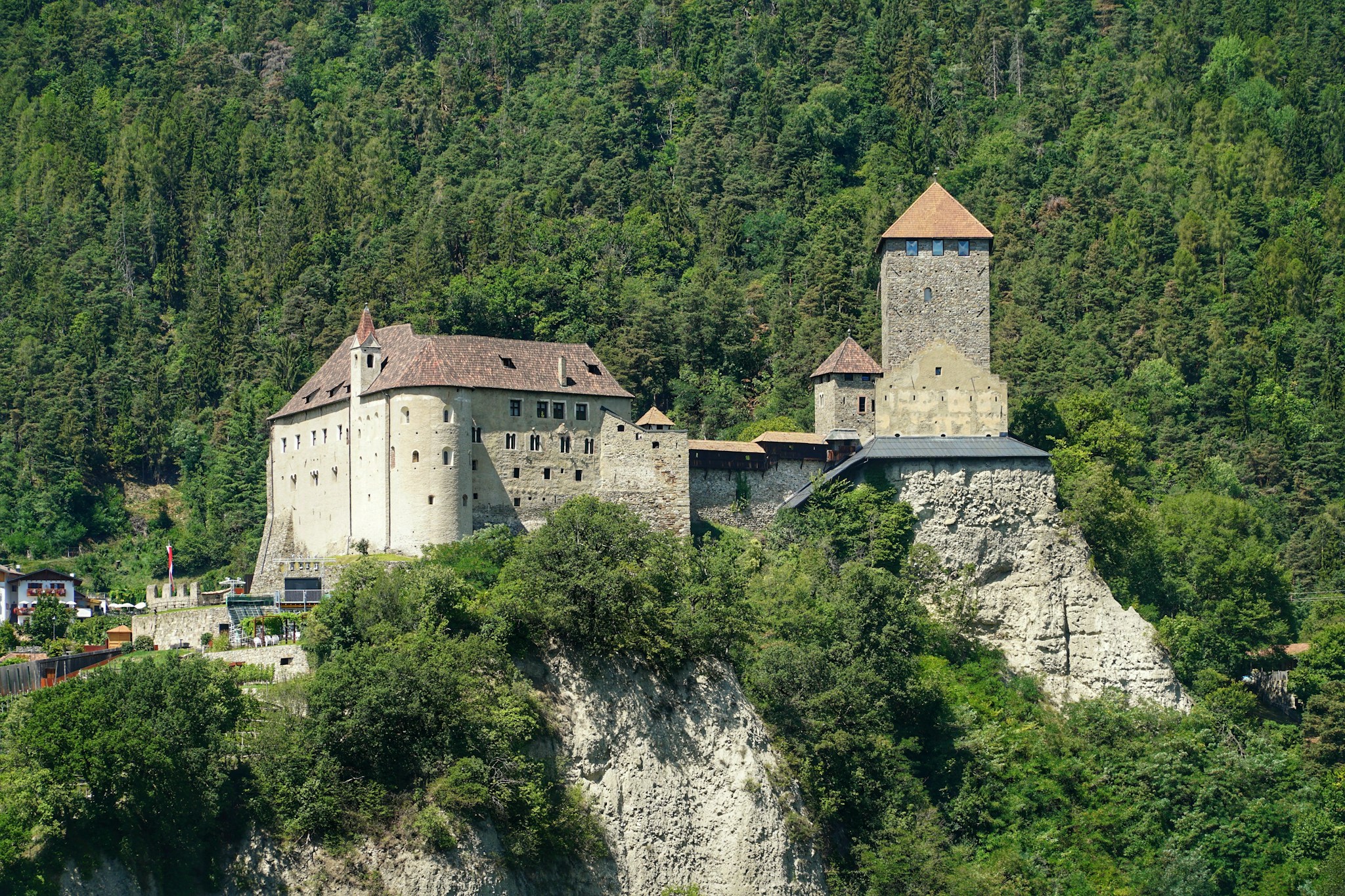
The earliest known record of the site, dating to 1327, identifies it as Neuberg Fortress. It was initially built around 1300 by local noble families to assert control over the surrounding territory. The fortress was strategically positioned on a hillside, taking advantage of natural defenses such as steep terrain and dense forests, which protected it on the eastern side, reducing the need for extensive artificial fortifications.
Throughout the 14th and 15th centuries, the castle changed hands among prominent noble families including the Angerheim, Suppan, Feigenstein, Zwingenstein, Rästler, and Santner families. These transfers were typical of feudal inheritance and alliance patterns. The Feigenstein family notably added the first chapel to the site, emphasizing its residential and religious significance.
Renaissance expansions and baroque influences
In 1543, the castle was acquired by the Trauttmansdorff family, marking a new phase of development. Under Franz von Trauttmansdorff, significant expansions were undertaken, enhancing the fortress's defensive and residential facilities. This period saw the integration of Renaissance architectural elements, blending functionality with emerging aesthetic trends.
The Trauttmansdorff lineage maintained ownership until 1678, after which the Stachelburg family took possession, followed by joint stewardship by the von Mamming and Mohr families. The 18th century brought challenges, including structural decline highlighted by the collapse of a tower in 1777 that destroyed the castle chapel.
Later modifications introduced Baroque influences, particularly visible in the interior decoration. The main hall features a richly painted Baroque ceiling mural framed by intricate moldings and supported by marble pilasters, showcasing the artistic craftsmanship of the era.
19th-century neogothic revival and notable residents
The castle experienced a revival in the 19th century when Count Joseph von Trauttmansdorff repurchased the nearly ruined estate in 1846. He undertook extensive renovations, incorporating neogothic architectural features such as pointed arch windows and ornamental stonework. These enhancements gave the castle its distinctive vertical emphasis and decorative complexity, aligning it with the Romantic movement popular in South Tyrol at the time.
Following Count Joseph's death in 1870, the castle passed to Moritz von Leon, believed to be his illegitimate son. The castle gained wider recognition when Empress Elisabeth of Austria selected it as a retreat in 1870 and 1889, staying with her daughters on the top floor. Her visits contributed to Merano's reputation as a prestigious spa and health resort destination.
In the 1890s, the property changed hands to the Gyulay family and subsequently to Friedrich von Deuster, who further restored the castle and expanded the eastern wing. Deuster added rococo-inspired decorative elements and developed orchards and gardens surrounding the estate, enhancing its aesthetic and functional appeal.
20th-century history and modern transformation
The outbreak of World War I marked the end of the castle's period of prosperity. After South Tyrol's annexation by Italy, the fascist regime confiscated the property, renaming it Castel di Nova and transferring it to the Opera Nazionale per i Combattenti. During World War II, the castle was utilized by the German Wehrmacht, underscoring its ongoing strategic importance.
Post-war, the castle remained largely unoccupied until 1977, when ownership passed to the South Tyrolean provincial administration. A significant transformation occurred in 1990 when the castle was repurposed as the Touriseum, a museum dedicated to the history of tourism, reflecting the region's cultural heritage and economic evolution.
The castle grounds were developed into expansive botanical gardens, which opened to the public in 2001. These gardens span approximately 12 hectares and include a network of seven kilometers of walking paths with a vertical elevation difference of 100 meters. The gardens are divided into four thematic zones: forest gardens, sun gardens, water and terrace gardens, and South Tyrolean landscapes.
Architectural features and botanical treasures
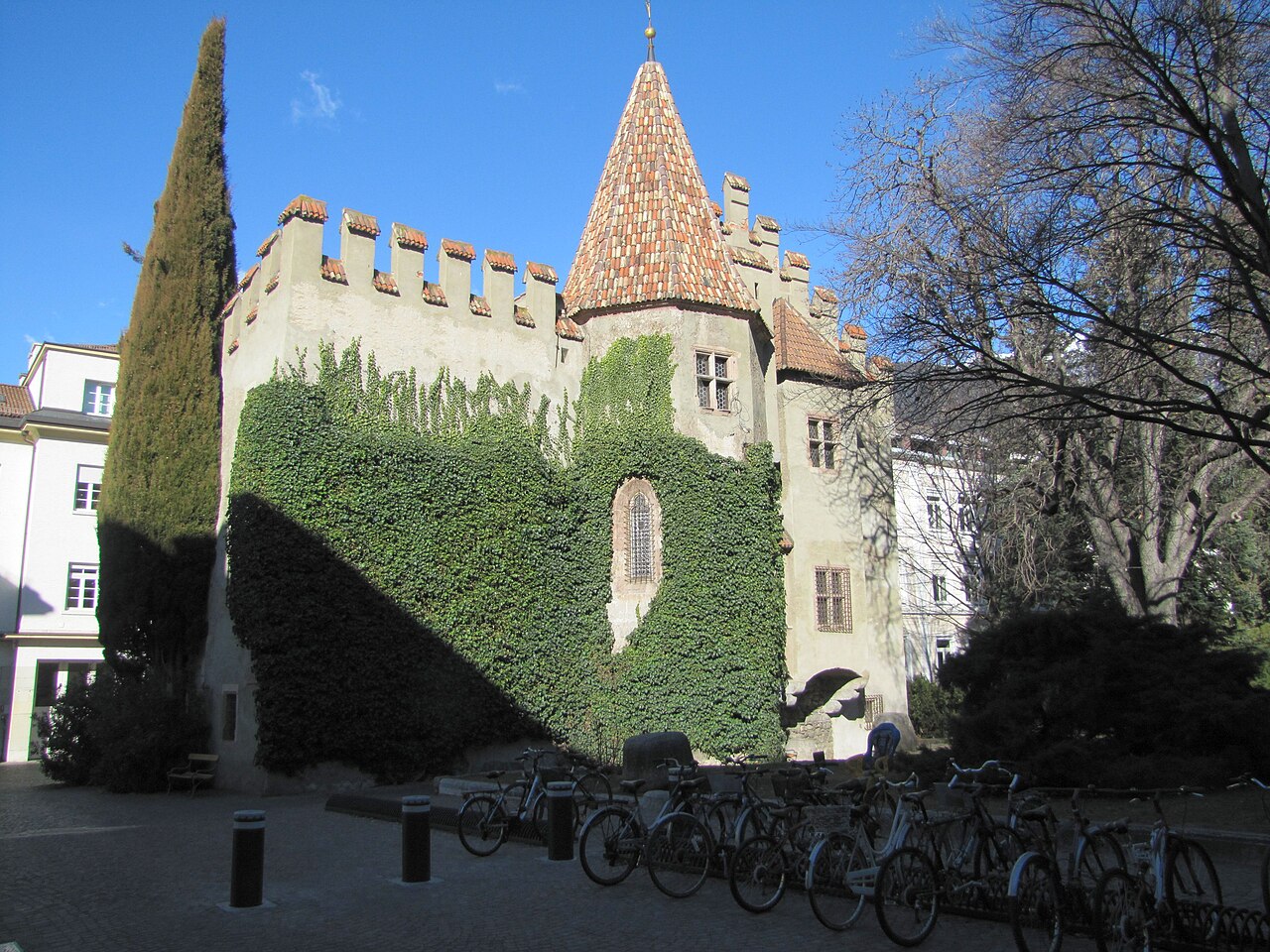
The castle complex is a fascinating palimpsest of architectural styles, combining Romanesque, Gothic, Baroque, and Neogothic elements. The oldest surviving structures are the robust fortified walls from the 14th-century Neuberg Fortress, characterized by strong stone masonry and defensive battlements enclosing the north, south, and west sides.
The 19th-century neogothic additions are evident in the pointed arch windows and ornamental stone details that soften the fortress's austere medieval appearance. The façade features a mix of window shapes, including rounded Romanesque arches and pointed Gothic arches, illustrating the castle's architectural evolution.
Inside, visitors can admire the main hall's Baroque ceiling mural and marble pilasters, alongside imperial chambers that showcase a harmonious blend of Romanesque and Gothic window designs. These interiors reflect the castle's status as a noble residence and its adaptation to changing tastes over centuries.
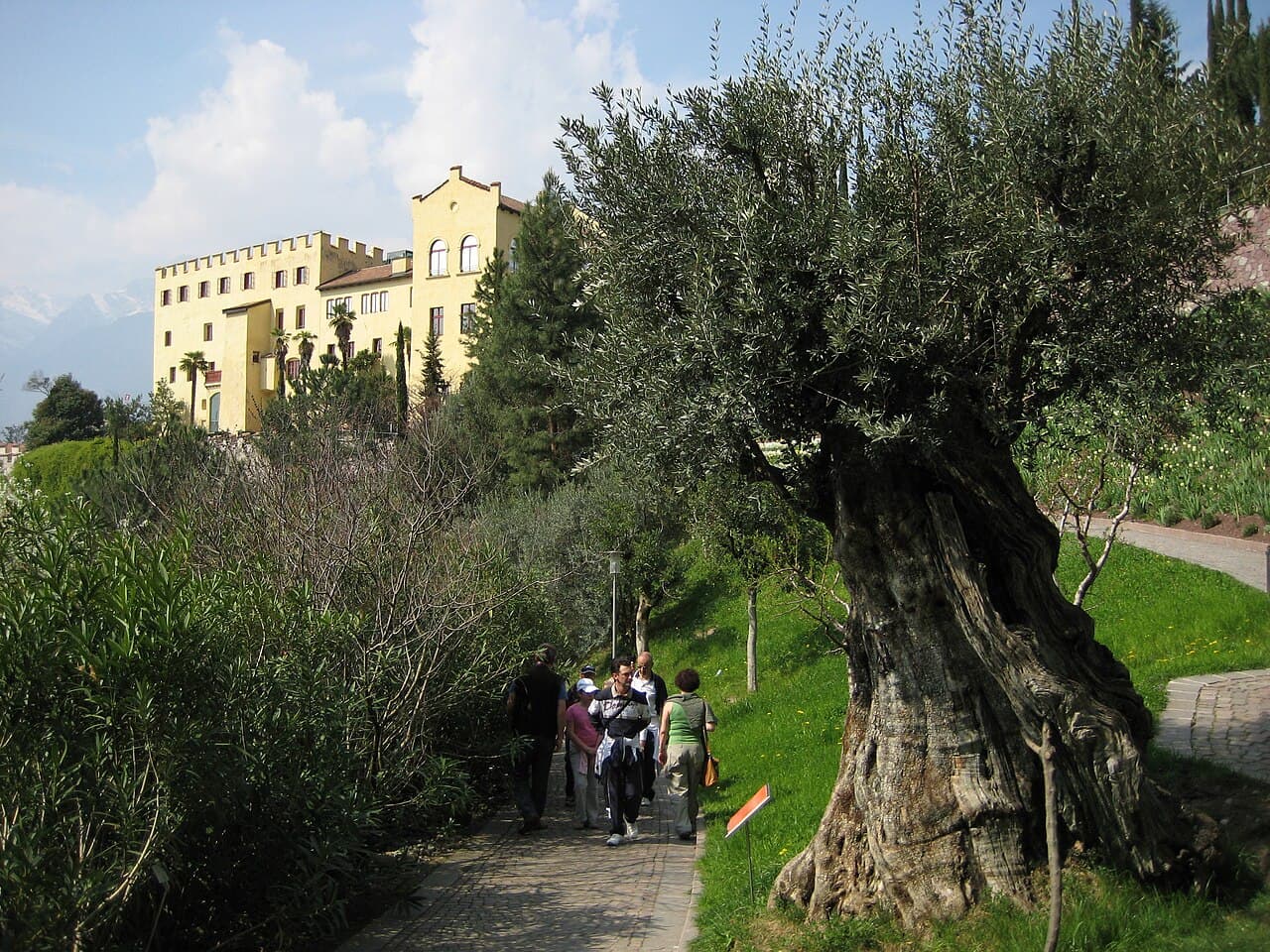
The botanical gardens surrounding Trauttmansdorff Castle are internationally renowned, featuring diverse plant collections from around the world. A highlight is the presence of the Wollemia nobilis, an ancient Australian conifer known as a living fossil, which has been on display since 2006, making the gardens the first in Italy to showcase this rare species.
These gardens not only enhance the castle's visual appeal but also serve as a center for botanical research and education, attracting visitors interested in horticulture and natural history.
Visitor experience and cultural significance
Today, Trauttmansdorff Castle stands as a well-preserved historical monument and cultural hub. The Touriseum offers engaging exhibitions detailing the development of tourism and its impact on South Tyrol, providing visitors with insight into the region's social and economic transformations.
The combination of the castle's striking architecture, rich history, and spectacular botanical gardens makes it a premier destination for tourists. Panoramic views of the Dolomite mountains and the surrounding landscape further enhance the visitor experience, offering opportunities for photography, nature walks, and cultural exploration.
Trauttmansdorff Castle's enduring legacy reflects the complex history of South Tyrol, showcasing the interplay of medieval fortification, Renaissance expansion, Baroque artistry, and 19th-century Romantic revival within a unique alpine setting.
Frequently asked questions (FAQ)
- What are the opening hours of Trauttmansdorff Castle?
- Trauttmansdorff Castle is open to visitors from 9:00 AM to 7:00 PM during the summer season, which typically runs from April to October. In the winter months, the castle may have reduced hours, so it's advisable to check their official website for the most current information before planning your visit.
- Can I buy tickets online for Trauttmansdorff Castle?
- Yes, tickets for Trauttmansdorff Castle can be purchased online through their official website. This allows you to skip the line at the entrance and ensures a smooth entry into the castle and gardens.
- When was Trauttmansdorff Castle built?
- Trauttmansdorff Castle was constructed in the 19th century, specifically between 1850 and 1853. It was originally built as a residence for the noble family of Trauttmansdorff and has since been transformed into a cultural site.
- Is Trauttmansdorff Castle accessible for visitors with disabilities?
- Yes, Trauttmansdorff Castle is committed to accessibility. The site offers ramps and pathways suitable for wheelchair users, ensuring that everyone can enjoy the beautiful gardens and explore the castle’s historical significance.
- What is the historical significance of Trauttmansdorff Castle?
- Trauttmansdorff Castle is notable for its role in the cultural and historical development of Merano. It houses a museum that tells the story of the region's history, showcasing artifacts and exhibitions related to its past.
- What is the best time to visit Trauttmansdorff Castle?
- The best time to visit Trauttmansdorff Castle is during the spring and summer months when the gardens are in full bloom. This period offers a vibrant display of flora and pleasant weather, making your visit more enjoyable.
- Are there any nearby attractions to visit along with Trauttmansdorff Castle?
- Yes, nearby attractions include the beautiful Merano Botanical Gardens and the historic city center of Merano itself, which features charming shops and cafes. These sites provide a great complement to your visit to Trauttmansdorff Castle.
- What are the ticket prices for Trauttmansdorff Castle?
- Ticket prices for Trauttmansdorff Castle vary depending on age and the type of ticket purchased, with discounts available for children and seniors. It's best to check the official website for the most accurate and up-to-date pricing information before your visit.
Photo gallery

Information
Website
Visit websiteSources & official resources
Verify the information above using these authoritative references.
Loading map...
Visitor reviews
No reviews yet. Been here? Write the first review and help other travelers!
Write the first reviewVisited this castle? Share your experience
Your review helps other travelers and adds first-hand knowledge to our encyclopedia.