Brunnenburg Castle
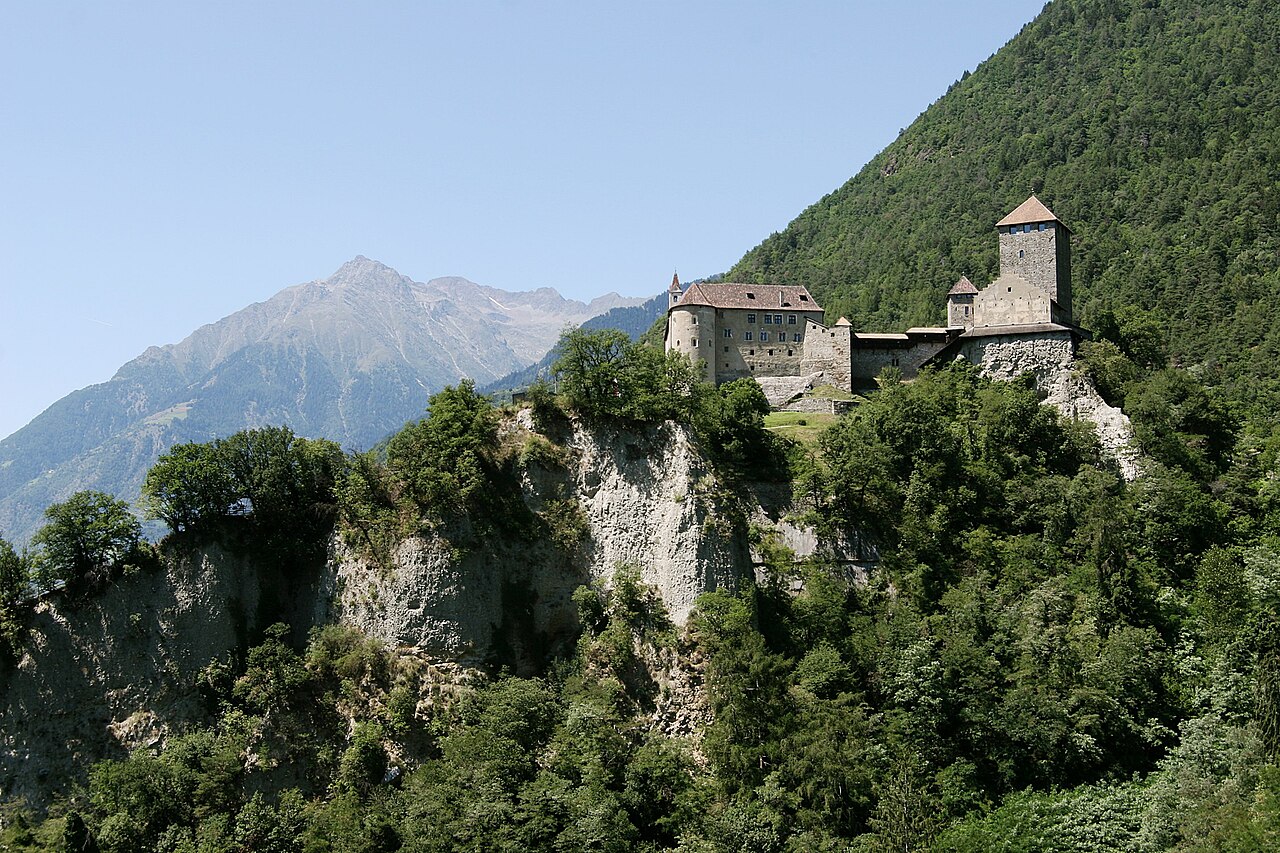
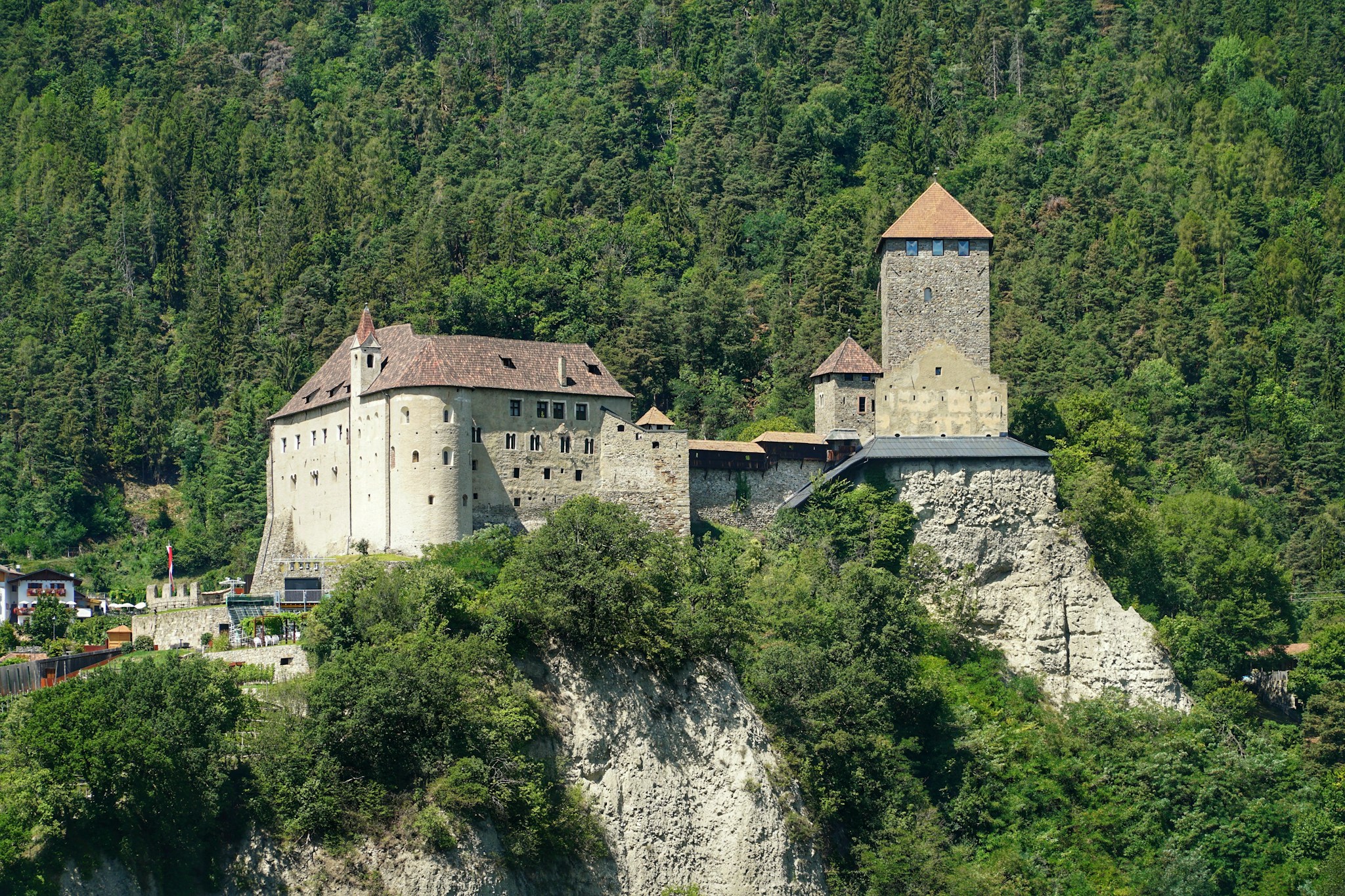
Brunnenburg Castle, also known as Castel Fontana, is a striking example of a high medieval fortress located above the city of Merano in the municipality of Tirolo, Italy. Constructed around 1250, this castle has preserved its historical significance while adapting to modern uses. Its position on a hill overlooking the valley provided strategic advantage in controlling the surrounding region during the High Middle Ages.
Medieval origins and strategic location
The castle was originally built in the high medieval period, a time characterized by the proliferation of fortified structures throughout Europe for defense and territorial control. Brunnenburg's location on the outskirts of Tirolo allowed it to serve as a watchpoint over the valley leading to Merano, an important transit and trade route. The castle’s hill castle classification reflects its elevated position designed for defense and surveillance.
Architectural features and restoration
Brunnenburg Castle exhibits typical medieval defensive architecture with thick stone walls, battlements, and towers designed to withstand sieges and attacks. The castle's layout includes a central courtyard surrounded by residential and defensive buildings. Its robust construction demonstrates the architectural style and techniques of the 13th century.
In the mid-20th century, the castle underwent a comprehensive restoration led by Boris and Mary de Rachewiltz, who transformed it into a private residence while preserving its historical integrity. This restoration balanced modern living comforts with the castle’s original medieval character, maintaining the authenticity of its high medieval architecture.
Cultural and educational role
Today, Brunnenburg Castle serves as a cultural hub by hosting an agriculture museum dedicated to the ethnology, ethnography, and folk arts of the South Tyrol region. The museum offers visitors a detailed look into traditional farming practices, including the processing of crops, bread making, butter and cheese preparation. These exhibits highlight the demanding daily life of South Tyrolean farmers in earlier centuries.
The museum also preserves knowledge of nearly forgotten professions such as shoemaking and weaving, providing insight into the diverse skills that sustained rural communities. This educational aspect is complemented by the presence of farm animals on site, which particularly attract younger visitors and offer an interactive experience.
Visitor experience and significance
Visitors to Brunnenburg Castle can explore the castle’s historic architecture alongside the agricultural exhibits, gaining a multifaceted understanding of the region’s history and cultural heritage. The castle’s combination of medieval architecture and ethnographic displays makes it a unique destination for those interested in both history and traditional rural life.
Its location near Merano, a well-known tourist destination, makes Brunnenburg easily accessible for day trips. The castle’s preserved condition and adaptive reuse as a museum contribute to the ongoing appreciation of South Tyrol’s historical landscape.
Architectural details
- Stone curtain walls with battlements for defense
- Towers providing vantage points for surveillance
- Central courtyard typical of medieval castles
- Residential quarters integrated within the defensive structure
Historical context
Brunnenburg Castle was constructed during a period of territorial consolidation and frequent conflicts in the Alpine region. Its primary function was to secure the local lord’s control over the trade routes and agricultural lands. Over the centuries, the castle witnessed various phases of use and decline before its 20th-century restoration.
Museum highlights
The agriculture museum inside Brunnenburg offers detailed exhibits on:
- Traditional farming tools and techniques
- Food production processes such as bread, butter, and cheese making
- Ethnographic displays of folk costumes and crafts
- Demonstrations of historic trades like shoemaking and weaving
- Live farm animals that engage visitors, especially children
Frequently asked questions (FAQ)
- How do I get to Brunnenburg Castle?
- Brunnenburg Castle is located in Tirolo, Italy, just a short distance from Merano. You can reach the castle by taking a scenic hike from Tirolo village or by driving and parking in the designated areas nearby. Public transportation options are also available, with buses running from Merano to Tirolo.
- What is the historical significance of Brunnenburg Castle?
- Brunnenburg Castle dates back to the 13th century and is notable for its role in the region's feudal history. It was originally built as a defensive fortress and has undergone various renovations over the centuries. Today, it serves as a museum dedicated to the history and culture of the area.
- When was Brunnenburg Castle built?
- Brunnenburg Castle was constructed in the 1200s, making it one of the oldest castles in the region. Over the years, it has witnessed numerous historical events and changes in ownership, reflecting the rich history of South Tyrol. The castle's architecture showcases elements from different periods, adding to its historical charm.
- Can I visit Brunnenburg Castle year-round?
- Yes, Brunnenburg Castle is open to visitors year-round, but it's important to check specific opening hours as they may vary by season. During the summer months, the castle is open more frequently, while winter hours may be more limited. Always verify the current schedule before planning your visit.
- Why is Brunnenburg Castle a popular tourist attraction?
- Brunnenburg Castle attracts visitors for its stunning architecture, breathtaking views of the surrounding mountains, and rich history. It also houses a museum that highlights the cultural heritage of the region, making it an educational experience for all ages. The picturesque setting and tranquil atmosphere further enhance its appeal.
- Is it possible to explore the castle's interiors?
- Yes, visitors can explore select areas of Brunnenburg Castle's interiors, including the museum that showcases local history and artifacts. Guided tours are available that provide insights into the castle's architecture and its historical significance. However, access to some areas may be restricted for preservation purposes.
- What are the ticket prices for visiting Brunnenburg Castle?
- Tickets for Brunnenburg Castle are reasonably priced, with discounts available for children, students, and seniors. Family passes are also offered, making it a great outing for all ages. Always check the official website for the most current pricing and any special promotions.
- What are the opening hours of Brunnenburg Castle?
- Brunnenburg Castle typically opens at 10 AM and closes at 5 PM, but these hours can vary by season. It is advisable to check the castle's official website or contact them directly for the most accurate and updated information regarding opening times. Visiting earlier in the day can help you avoid crowds.
- What are some nearby attractions to Brunnenburg Castle?
- Near Brunnenburg Castle, visitors can explore the charming village of Tirolo, with its quaint shops and cafes. The nearby Gardens of Trauttmansdorff Castle offer beautiful botanical displays and stunning views of the region. Additionally, the town of Merano is just a short drive away, featuring thermal baths and cultural events.
Information
Loading map...
Visitor reviews
No reviews yet. Been here? Write the first review and help other travelers!
Write the first reviewVisited this castle? Share your experience
Your review helps other travelers and adds first-hand knowledge to our encyclopedia.