Trapezitsa
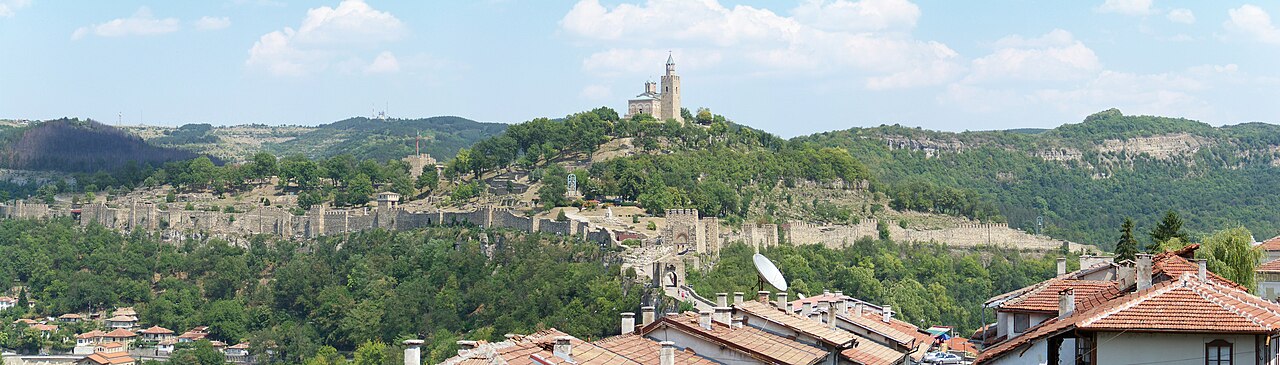
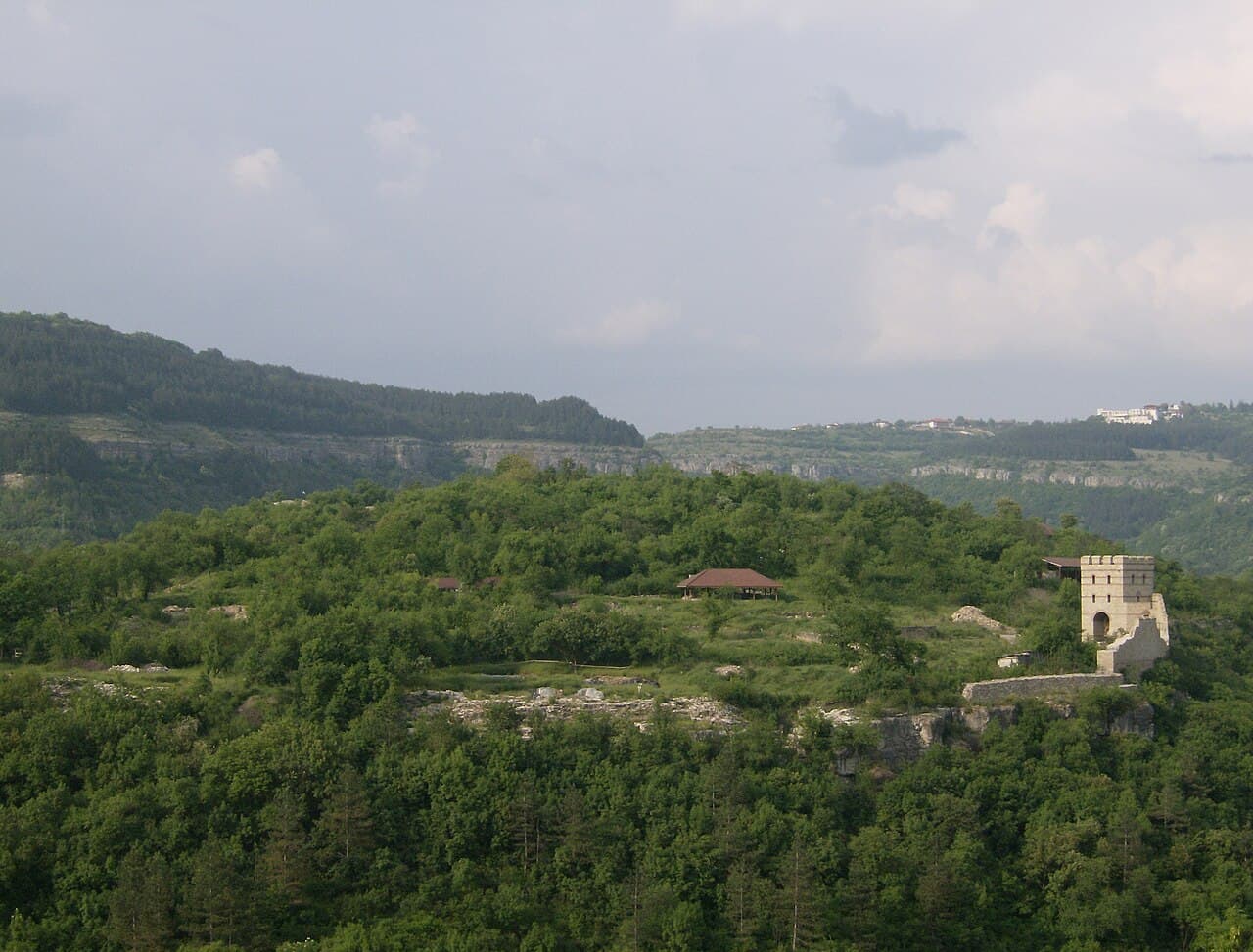
Trapezitsa is a prominent medieval fortress situated on a steep hill overlooking the city of Veliko Tarnovo in northern Bulgaria. This stronghold, dating back to the 12th century, played a crucial role during the Second Bulgarian Empire as a key defensive and residential complex. Its strategic location on a natural elevation provided commanding views of the surrounding area, making it a vital military and administrative center.
Historical significance and role in the Second Bulgarian Empire
Trapezitsa was one of the two major fortified hills in Veliko Tarnovo, alongside Tsarevets, serving as a royal and aristocratic quarter. During the High Medieval period, it was the seat of the Bulgarian nobility and a hub of political and military activity. The fortress witnessed numerous sieges and battles, reflecting the turbulent history of the region during the 12th to 14th centuries.
The fortress was an essential part of the defense system protecting the Bulgarian capital against Byzantine and later Ottoman incursions. Its walls and bastions were constructed to withstand prolonged attacks, showcasing advanced military architecture of the time.
Architectural features and fortifications
The fortress of Trapezitsa is classified as a bastioned fortress, characterized by its robust defensive walls reinforced with bastions and towers. The fortifications follow the natural contours of the hill, creating an irregular polygonal shape that maximizes defensive capabilities. The walls, built from stone and brick, reach impressive heights and thicknesses, designed to repel siege engines and infantry assaults.
Inside the fortress, archaeological excavations have revealed remains of residential buildings, churches, and fortified gates. Several medieval churches with richly decorated frescoes have been uncovered, indicating the religious and cultural importance of the site. The fortress also contained storage facilities and water cisterns, essential for withstanding long sieges.
Defensive structures
The bastions and towers were strategically placed to cover all approaches, enabling defenders to fire upon attackers from multiple angles. The main gate was heavily fortified, often featuring a barbican and additional defensive mechanisms. The use of bastions was a significant advancement in medieval military architecture, allowing for improved flanking fire and defense in depth.
Archaeological discoveries and preservation
Extensive archaeological work at Trapezitsa has uncovered a wealth of artifacts and structural remains that shed light on medieval Bulgarian life. Excavations have revealed fortification walls, residential quarters, churches, and workshops. The site provides valuable insights into the urban layout and social organization of a medieval Bulgarian fortress town.
Today, Trapezitsa is a partially preserved archaeological site open to visitors. Efforts to conserve and restore the ruins have allowed for the interpretation of the fortress's historical significance and architectural complexity. The site is an important cultural landmark and a testament to Bulgaria's medieval heritage.
Visiting Trapezitsa
Visitors to Trapezitsa can explore the remains of the fortress and enjoy panoramic views of Veliko Tarnovo and the Yantra River. The site offers walking paths and informational displays that highlight its historical context and architectural features. It is a popular destination for those interested in medieval history and Bulgarian culture.
Nearby attractions
Trapezitsa is located close to the Tsarevets Fortress, another significant medieval stronghold in Veliko Tarnovo. Together, these sites provide a comprehensive understanding of the city's historical importance as the capital of the Second Bulgarian Empire. The old town of Veliko Tarnovo, with its traditional architecture and museums, complements the experience.
Frequently asked questions (FAQ)
- What is the historical significance of Trapezitsa Castle?
- Trapezitsa Castle is one of the most important medieval fortresses in Bulgaria, serving as a significant center of culture and governance during the Second Bulgarian Empire. Its strategic location on a hill overlooking the Yantra River allowed it to play a crucial role in defending the region against invasions and establishing the authority of the Bulgarian Tsars.
- When was Trapezitsa Castle built?
- Trapezitsa Castle was constructed in the late 5th century and underwent various expansions and renovations throughout the medieval period. The castle reached its peak during the 12th and 13th centuries when it became a vital stronghold of the Bulgarian state.
- How do I get to Trapezitsa Castle?
- Visitors can reach Trapezitsa Castle by taking a short hike from the town center of Veliko Tarnovo. The castle is well-marked, and there are paths leading directly to the site, making it accessible for most travelers.
- Is it possible to visit Trapezitsa Castle year-round?
- Yes, Trapezitsa Castle is open to visitors throughout the year, allowing guests to explore its rich history and stunning views at any time. However, it's advisable to check for any seasonal hours or maintenance closures before planning your visit.
- What are the opening hours for Trapezitsa Castle?
- Trapezitsa Castle generally opens at 9 AM and closes at 6 PM, although these hours may vary depending on the season. It is recommended to verify the current hours on the official website or at the local tourist information center before visiting.
- Can I purchase tickets in advance for Trapezitsa Castle?
- Yes, visitors can purchase tickets for Trapezitsa Castle in advance through various online platforms or at the site itself. Buying tickets ahead of time can help you avoid long lines, especially during peak tourist seasons.
- What is the best time to visit Trapezitsa Castle?
- The best time to visit Trapezitsa Castle is during the spring (April to June) and autumn (September to October) months when the weather is mild, and the views are particularly beautiful. These seasons also see fewer crowds compared to the summer months, allowing for a more enjoyable experience.
- Are there any nearby attractions to visit after Trapezitsa Castle?
- Yes, after visiting Trapezitsa Castle, you can explore other nearby attractions like the Tsarevets Fortress, the Samovodska Charshiya (craftsman's street), and the historic churches of Veliko Tarnovo. Each of these sites offers a glimpse into Bulgaria's rich history and culture.
- Is Trapezitsa Castle accessible for individuals with mobility challenges?
- While Trapezitsa Castle is situated on a hill and involves some walking, efforts have been made to improve accessibility. However, visitors with mobility challenges may find some areas difficult to navigate, so it's advisable to plan accordingly and consult with the staff for assistance if needed.

Information
Loading map...
Visitor reviews
No reviews yet. Been here? Write the first review and help other travelers!
Write the first reviewVisited this castle? Share your experience
Your review helps other travelers and adds first-hand knowledge to our encyclopedia.