Trakai Castle
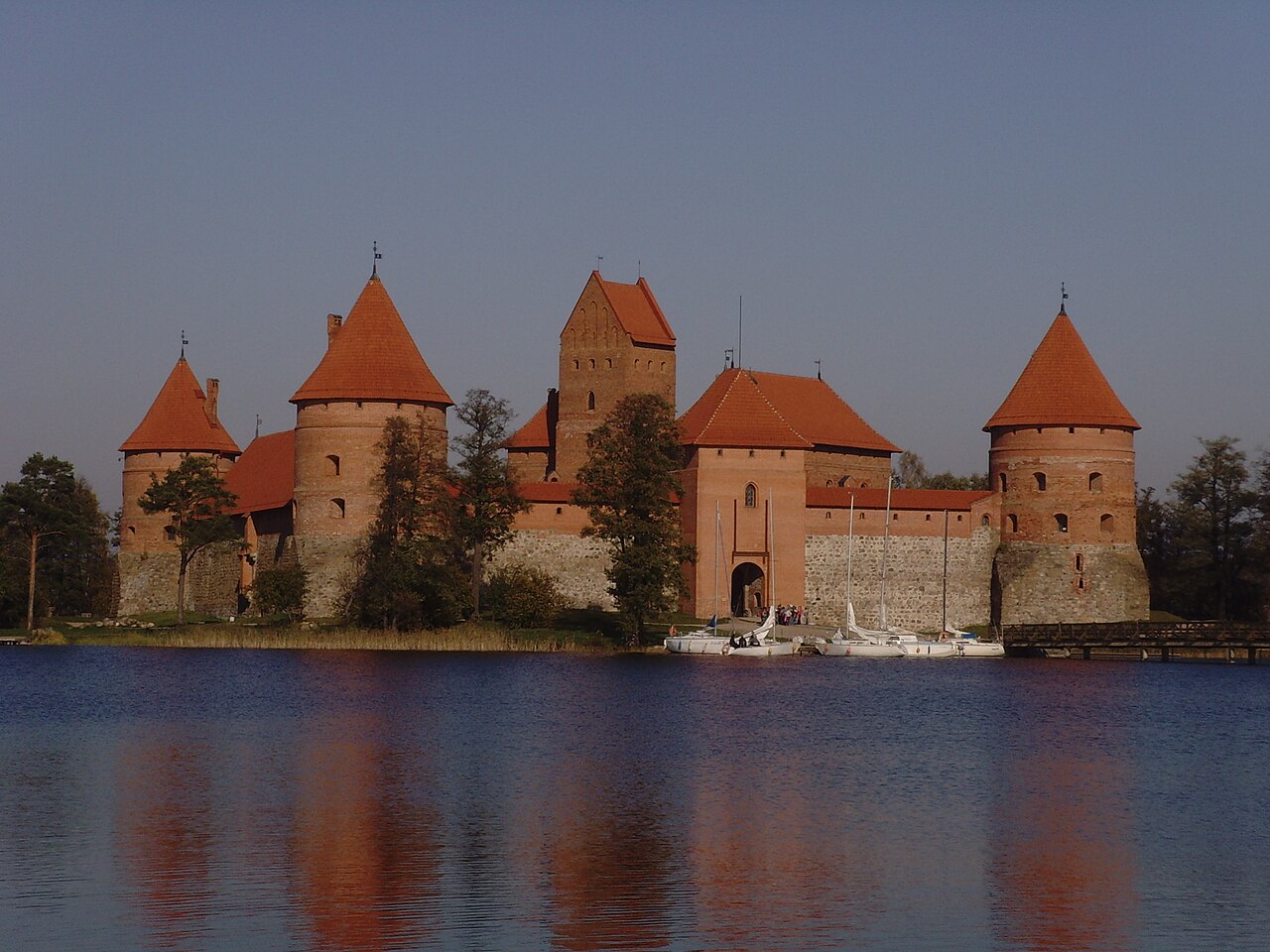
Trakai Castle stands as a remarkable example of medieval fortification in Lithuania, uniquely situated on an island in Lake Galve. This hill castle, located about 28 kilometers from Vilnius in the verdant surroundings of Vilnius County, is not only an architectural marvel but also a symbol of Lithuania's rich historical and cultural heritage. Trakai was once one of the historical capitals of Lithuania, and the castle played a pivotal role in the defense and administration of the region during the medieval period.
Historical context and construction
The origins of Trakai Castle trace back to the late 14th century, during the reign of Grand Duke Kestutis, who initiated the construction of a fortification on an island in Lake Galve. This strategic location provided natural defense advantages, surrounded by water and accessible only by boat or narrow causeways. The castle's construction was completed under the rule of Vytautas Magnus, Kestutis's son, who is one of Lithuania's most celebrated historical figures.
Vytautas Magnus significantly expanded the castle's fortifications, transforming it into a powerful stronghold capable of withstanding sieges, particularly during the frequent conflicts with the Teutonic Knights. The castle's position on the lake allowed control over the surrounding waterways and trade routes, reinforcing its military and economic importance.
Architectural features and design
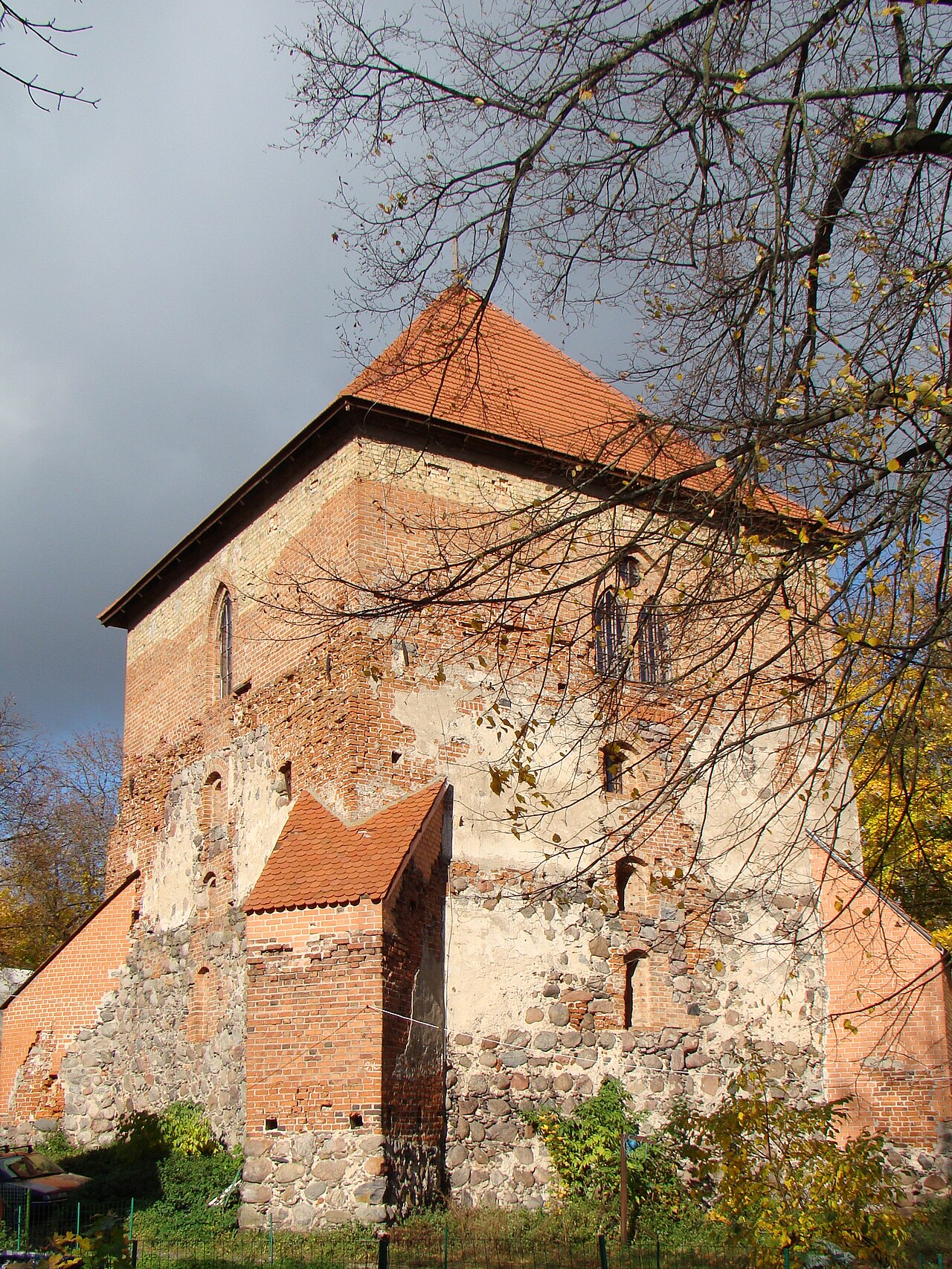
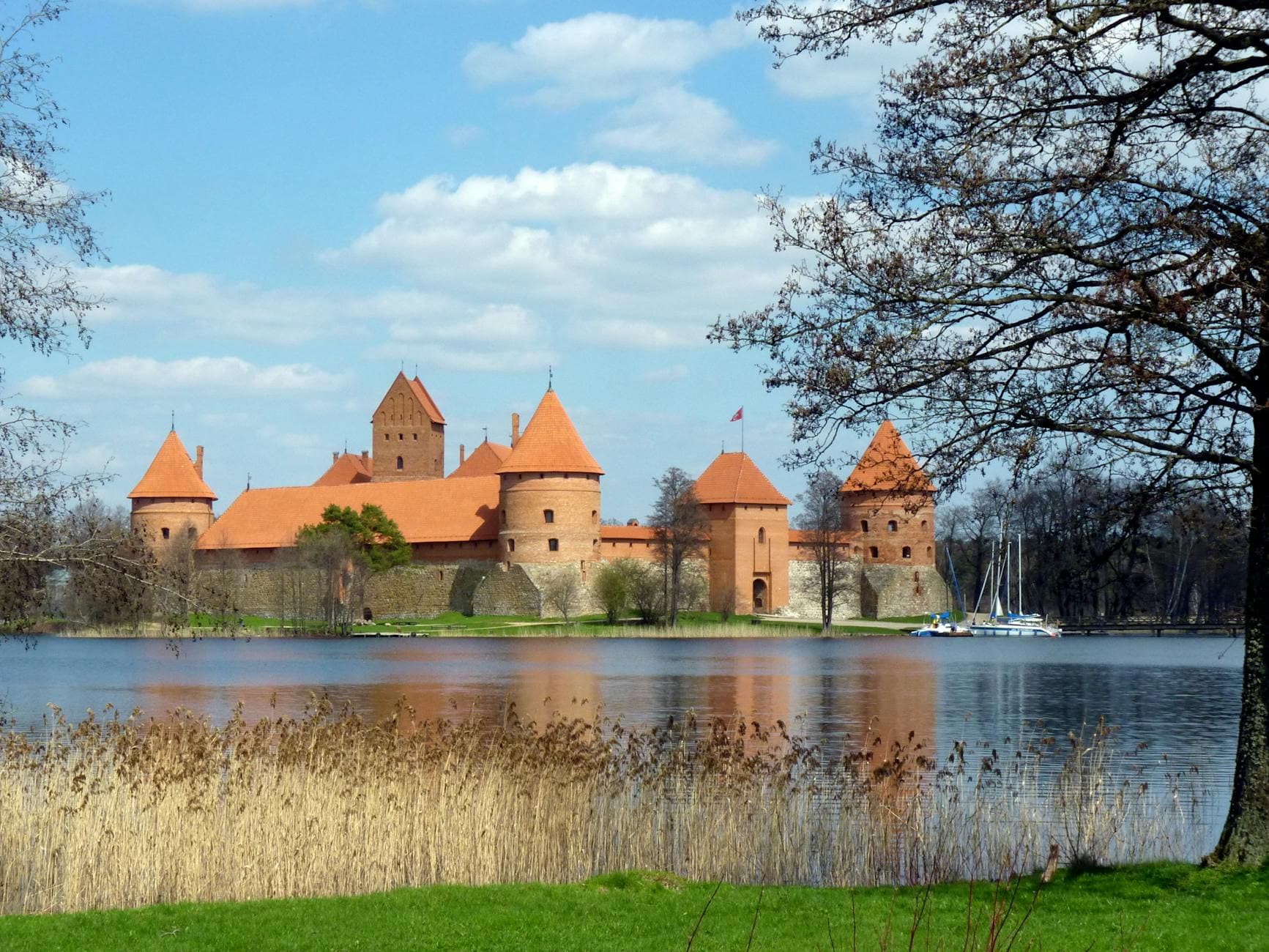
Trakai Castle exemplifies Gothic architecture adapted to a water-surrounded site, combining defensive and residential functions. Its walls are built of red brick, a common material in the Baltic region during the medieval period, and feature robust towers and battlements designed for archers and artillery defense. The castle's layout includes a central courtyard surrounded by living quarters, a chapel, and storage facilities.
The castle's island setting required innovative engineering solutions, such as causeways and bridges connecting it to the mainland. The surrounding lakes not only enhanced defense but also contributed to the castle's picturesque setting, making it a striking landmark visible from various points around the lakeshore.
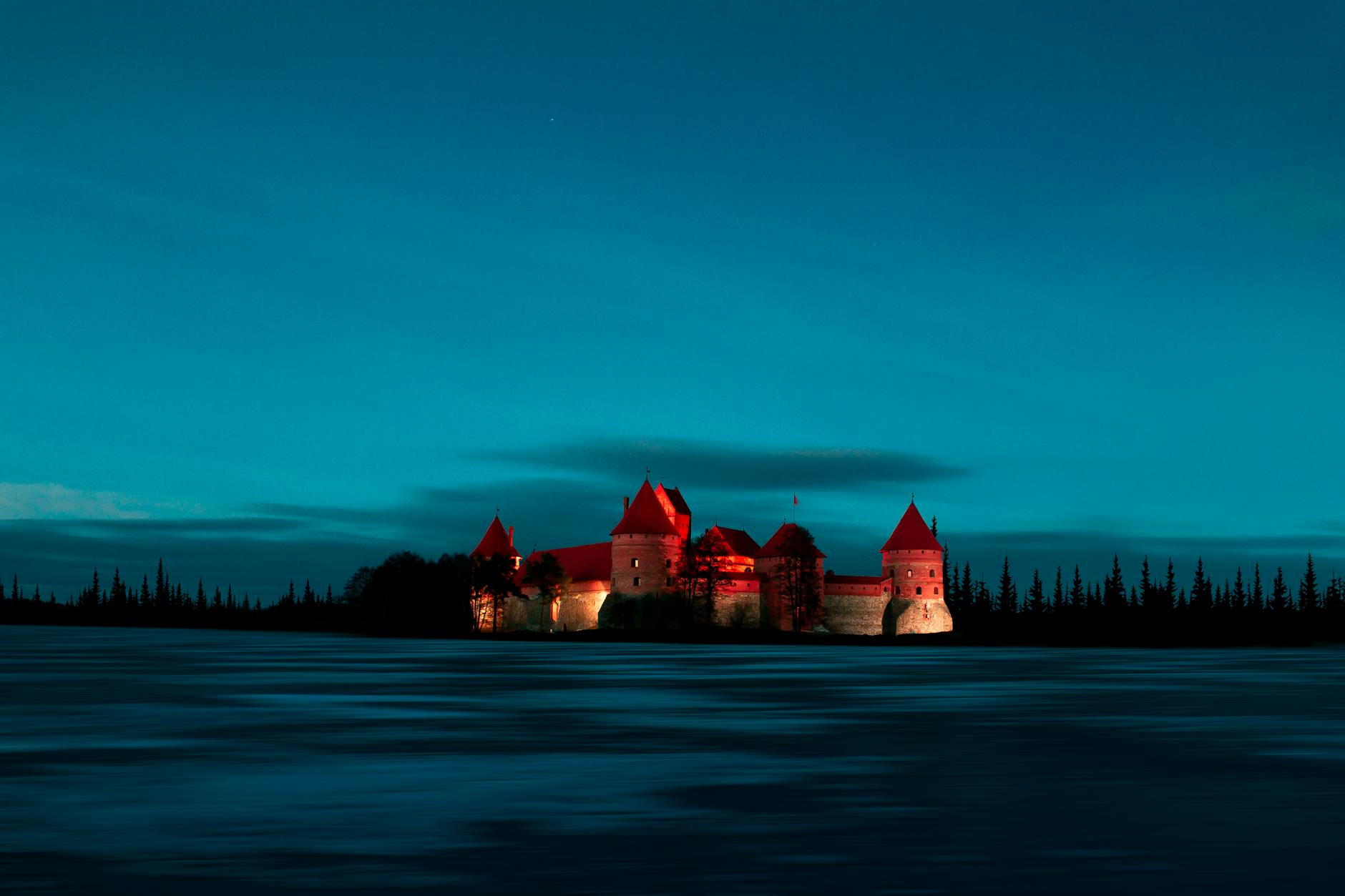
Photo by David Skyrius
Photo by David Skyrius
Restoration and museum function
After centuries of decline and damage, particularly during wars and occupations, Trakai Castle underwent extensive restoration during the late Soviet period. The restoration aimed to preserve the castle's structural integrity and historical character, allowing it to serve as a cultural and historical museum.
Today, the castle houses exhibitions that vividly illustrate the region's medieval history and cultural diversity. Although the interior lacks original furnishings, visitors can explore displays of tapestries, paintings, maps, and war relics that narrate the fierce battles fought against the Teutonic Knights. One notable exhibit room is dedicated to coins from the era of the Polish-Lithuanian Commonwealth, featuring the heraldic symbols of Poland (the eagle) and Lithuania (the Vytis or rider).
The museum also highlights the unique ethnic groups that have inhabited Trakai, particularly the Karaite and Tartar communities. The Karaites are a distinct Jewish group, historically regarded as heretical by mainstream Jewish communities due to their rejection of the Talmudic texts. These cultural exhibits provide insight into the diverse social fabric of the region over centuries.
Additional exhibition rooms document the various phases of the castle's reconstruction, offering visitors a comprehensive understanding of the preservation efforts that have returned Trakai Castle to its former glory.
Significance and cultural heritage
Trakai Castle is not only a testament to Lithuania's medieval military architecture but also a cultural symbol reflecting the country's complex history of political power, warfare, and multicultural coexistence. Its location in a national park surrounded by lakes and forests enhances its appeal as a tourist destination and a site for cultural events and historical reenactments.
The castle's preservation and museum function contribute to educating the public about Lithuania's past, fostering national pride, and promoting cultural tourism. Its unique island setting and well-restored structures make it one of the most photographed and visited castles in the Baltic region.
Visiting Trakai Castle
Visitors to Trakai Castle can enjoy scenic views of Lake Galve and the surrounding greenery, exploring the castle's fortified walls and towers. The museum provides informative guides and displays that enrich the visitor experience, making it suitable for history enthusiasts, families, and cultural tourists alike.
The castle's accessibility from Vilnius makes it a popular day-trip destination. Seasonal events, including medieval festivals and concerts, often take place within the castle grounds, adding to its vibrant cultural life.
Frequently asked questions (FAQ)
- How do I get to Trakai Castle from Vilnius?
- Trakai Castle is approximately 28 km from Vilnius and can be reached by car, bus, or organized tours, making it a convenient day trip.
- What is the historical significance of Trakai Castle?
- Trakai Castle was a key military and administrative center in medieval Lithuania, especially during the reign of Vytautas Magnus, and played a vital role in conflicts with the Teutonic Knights.
- Can I see original furnishings inside Trakai Castle?
- The castle interior does not contain original furnishings but features exhibitions with tapestries, paintings, maps, and war relics that illustrate its historical context.
- Why is Trakai Castle located on an island?
- The island location on Lake Galve provided natural defense advantages, making the castle harder to besiege and controlling important waterways.
- When was Trakai Castle restored?
- The castle underwent extensive restoration during the late Soviet period to preserve its structure and convert it into a museum.
Photo gallery

Photo by Suphot Punnachaiya
Photo by Suphot Punnachaiya


Information
Loading map...
Visitor reviews
No reviews yet. Been here? Write the first review and help other travelers!
Write the first reviewVisited this castle? Share your experience
Your review helps other travelers and adds first-hand knowledge to our encyclopedia.