Senieji Trakai Castle
Senieji Trakai Castle, located in Senieji Trakai, Lithuania, stands as a significant monument in the history of Lithuanian medieval fortifications. Constructed before 1321 by the Grand Duke Gediminas, this castle is recognized as the first enclosure-type brick castle in Lithuania. Its establishment marked a pivotal moment as Gediminas transferred the capital from Kernavė to Trakai, emphasizing the strategic and political importance of this site in the early 14th century.
The origins and historical significance
The castle was built during the late medieval period, a time when Lithuania was consolidating its territories and strengthening its defenses against external threats, particularly from the Teutonic Order. Senieji Trakai Castle was not only a military stronghold but also a residence for Lithuanian nobility. It hosted notable events such as the wedding of Grand Duke Kęstutis and Birutė, and it was the birthplace of the renowned Grand Duke Vytautas the Great in 1350. These connections highlight the castle's role as a center of power and governance during a formative period in Lithuanian history.
Architectural features and construction
The castle's design as an enclosure-type fortress was innovative for Lithuania at the time, utilizing brick masonry rather than the more common wooden structures. Archaeological excavations conducted in 1996–1997 confirmed the presence of a rectangular masonry castle wall that surrounded the hill on which the castle was built. The residential buildings were likely situated near the church and churchyard within the enclosure, indicating a complex that combined both defensive and domestic functions. The castle was strategically positioned on a hillfort mound, enhancing its defensive capabilities.
Destruction and legacy
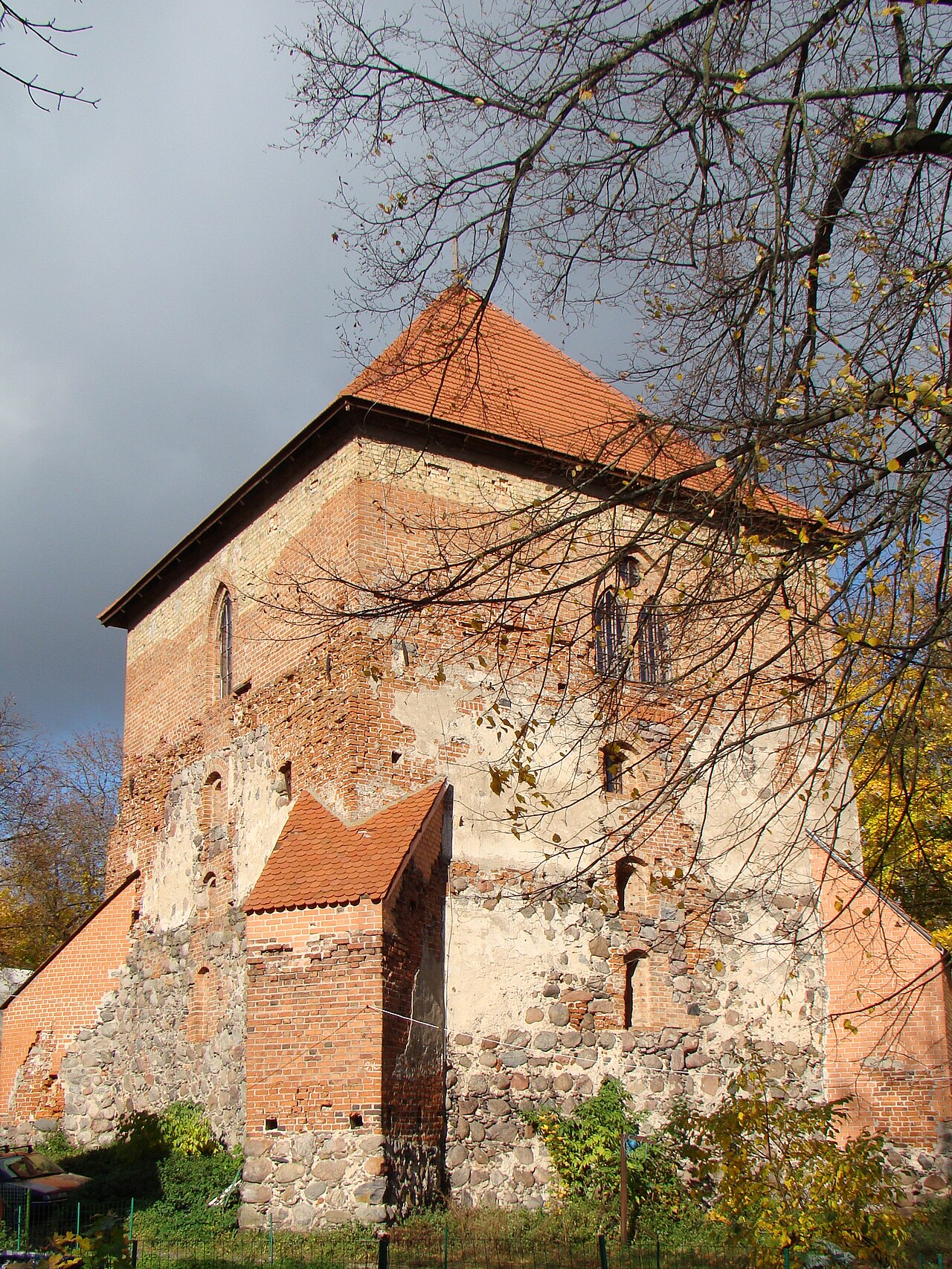
In 1391, the castle was destroyed by the Teutonic Order during their military campaigns in the region. Following its destruction, Senieji Trakai Castle was abandoned and never rebuilt. Instead, a new castle was constructed in nearby Trakai by Grand Duke Kęstutis, which took over as the principal fortress in the area. Despite its ruin, the site retained significance. In 1405, the ruins were granted by Grand Duke Vytautas to the Benedictine monks, who established a monastery there. The present monastery building, dating from the 15th century, is believed to incorporate remains of the original Gediminas castle.
Archaeological research and current state
Extensive archaeological research on the hillfort mound has provided valuable insights into the castle's layout and construction. The findings confirmed the existence of the masonry walls and suggested the arrangement of residential and religious structures within the enclosure. Today, the site is classified as ruins, with the monastery serving as a tangible link to the castle's medieval past. The ruins and archaeological remains offer a glimpse into Lithuania's early brick castle architecture and the historical narrative of the Grand Duchy of Lithuania.
Historical context and cultural importance
Senieji Trakai Castle holds a special place in Lithuanian heritage as the first brick castle in the country and as a symbol of the transition from wooden fortifications to more durable stone and brick structures. Its association with prominent historical figures such as Gediminas, Kęstutis, and Vytautas the Great underscores its importance in the political and military history of the region. The castle's destruction and subsequent abandonment reflect the turbulent conflicts with the Teutonic Order, which shaped much of Lithuania's medieval history.
Visiting Senieji Trakai Castle today
Visitors to Senieji Trakai can explore the monastery complex that stands on the site of the former castle and observe the archaeological remains of the castle walls. The site offers a unique opportunity to connect with Lithuania's medieval past and to understand the evolution of castle architecture in the region. While the original castle no longer stands intact, the ruins and the monastery provide an evocative setting for those interested in history, architecture, and cultural heritage.
Frequently asked questions (FAQ)
- What is the historical significance of Senieji Trakai Castle?
- Senieji Trakai Castle is a medieval fortress that dates back to the 14th century and served as a residence for the Grand Dukes of Lithuania. It played a crucial role in the defense of the region and is a symbol of Lithuania's rich cultural heritage.
- When is the best time to visit Senieji Trakai Castle?
- The best time to visit Senieji Trakai Castle is during the late spring and early autumn months when the weather is mild and the natural surroundings are particularly beautiful. This period also features various cultural events and festivals that enhance the visitor experience.
- What are the opening hours of Senieji Trakai Castle?
- Senieji Trakai Castle typically opens daily from 10 AM to 6 PM during the summer months and from 10 AM to 4 PM in the winter. It is advisable to check the official website for any seasonal changes or special holiday hours before planning your visit.
- Can I visit Senieji Trakai Castle with children?
- Yes, Senieji Trakai Castle is family-friendly and offers various activities suitable for children. The castle grounds and exhibitions provide an engaging experience for young visitors, and there are often educational programs available.
- Is it possible to access Senieji Trakai Castle by public transport?
- Yes, Senieji Trakai Castle is accessible by public transport from Vilnius, with regular bus services operating to Trakai. The journey takes approximately 30 minutes, making it a convenient day trip for visitors staying in the capital.
- What are the ticket prices for Senieji Trakai Castle?
- Ticket prices for Senieji Trakai Castle vary depending on the season and the type of tour chosen. Generally, adult tickets range from 5 to 10 euros, while discounted rates are available for students and seniors.
- Why is the architecture of Senieji Trakai Castle significant?
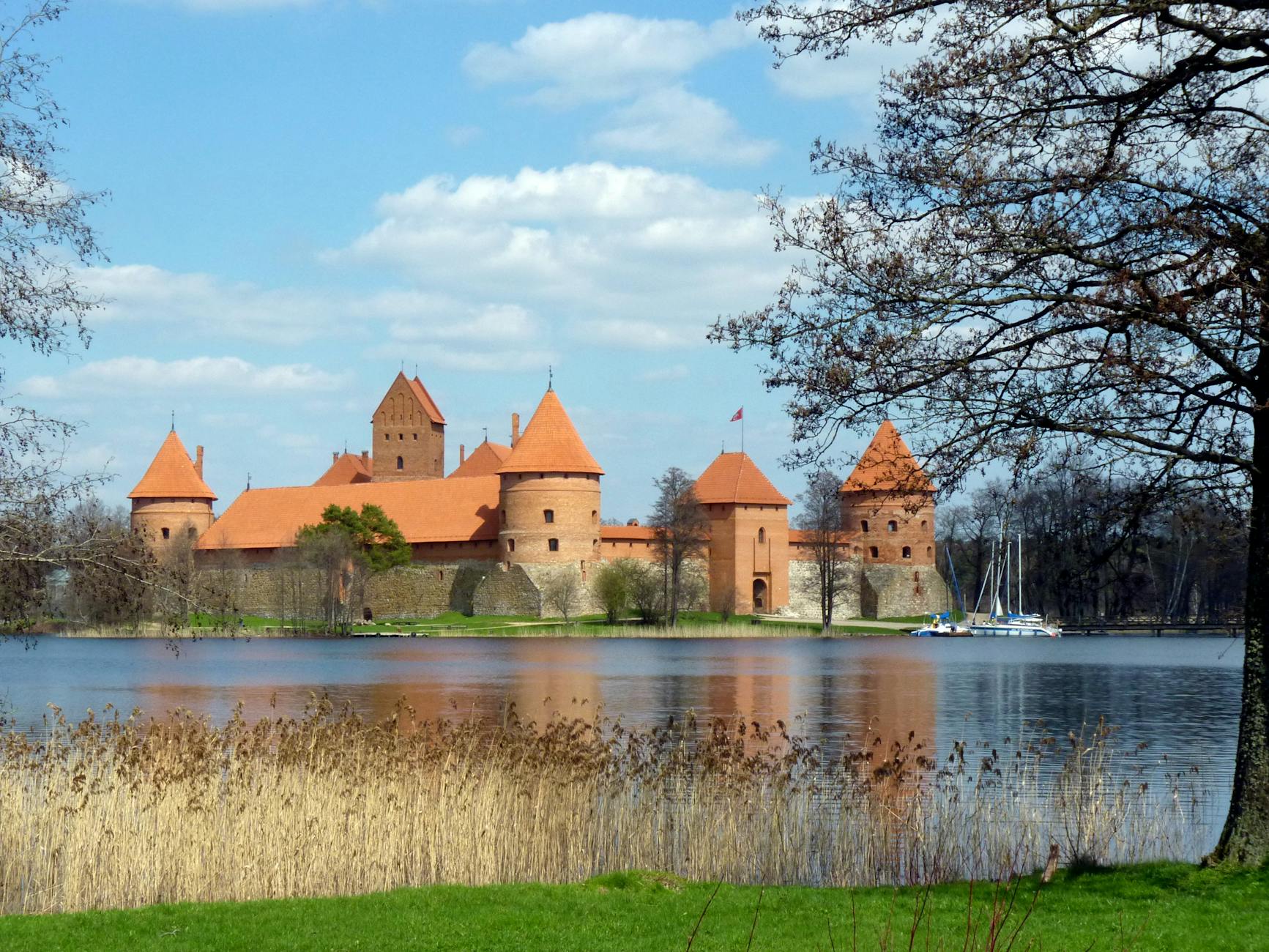
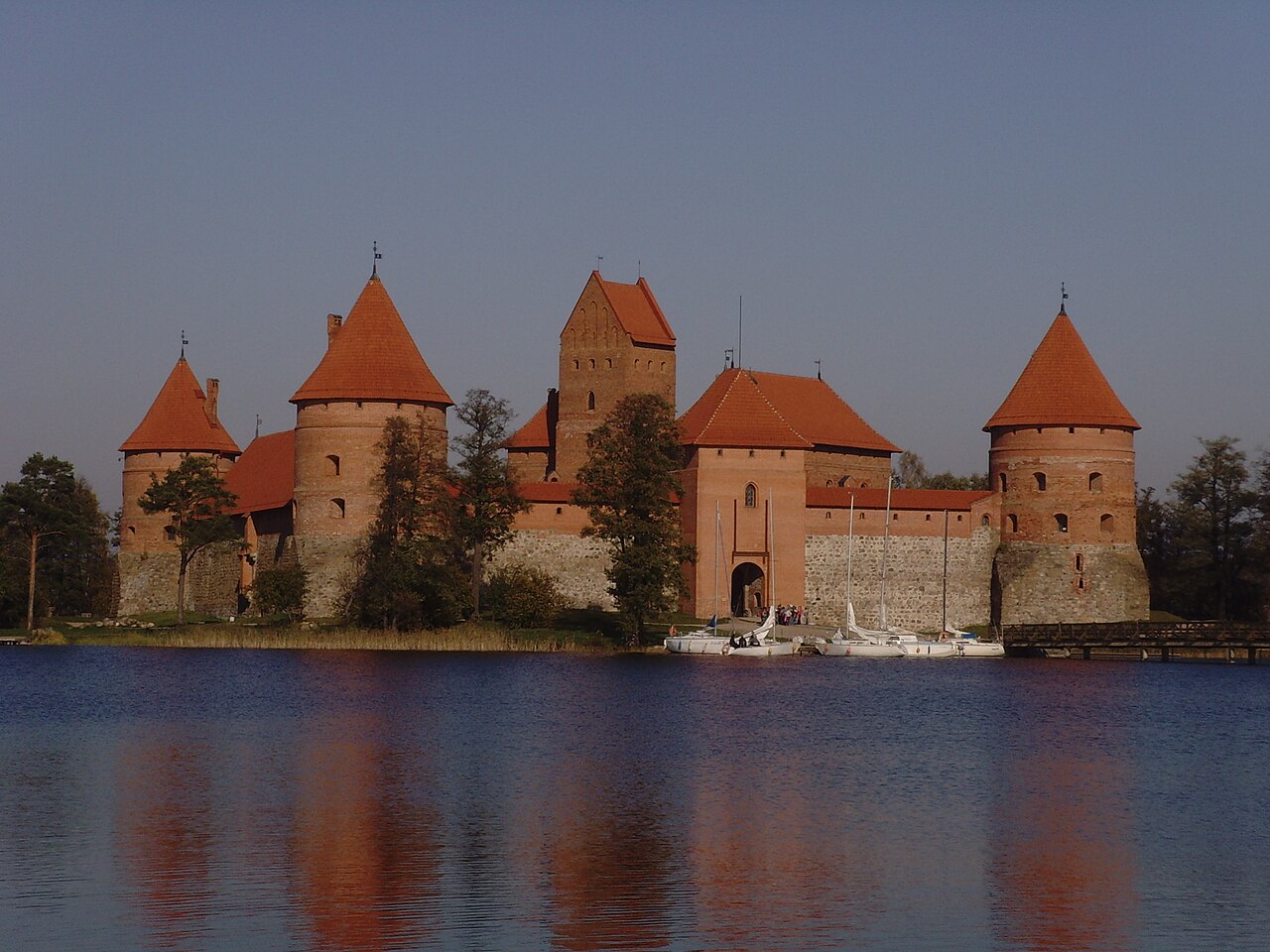
- The architecture of Senieji Trakai Castle is significant due to its unique blend of Gothic and Renaissance styles, showcasing the evolution of medieval fortification design. Its picturesque setting on an island adds to its charm and historical importance.
- What nearby attractions should I visit while in Senieji Trakai?
- While visiting Senieji Trakai, you can also explore the picturesque Lake Galvė, the Trakai History Museum, and the charming wooden houses of Trakai town. These attractions offer additional insights into the local culture and history, making your visit even more enriching.
Information
Loading map...
Visitor reviews
No reviews yet. Been here? Write the first review and help other travelers!
Write the first reviewVisited this castle? Share your experience
Your review helps other travelers and adds first-hand knowledge to our encyclopedia.