Toyama Castle
Toyama Castle (富山城, Toyama-jō), also known as Azumi Castle (安住城, Azumi-jō), is a prominent flatland castle located in the city of Toyama, within Toyama Prefecture in the Hokuriku region of Japan. Contrary to the initial classification as a hill castle, Toyama Castle is a classic example of a flatland-style Japanese castle, constructed on level ground rather than elevated terrain. This strategic choice reflects the castle's role in controlling the surrounding plains and waterways during the Sengoku period.
The castle was originally built in 1543 during the Sengoku period, a time marked by near-constant military conflict and political upheaval in Japan. Toyama Castle served as a critical stronghold for regional warlords vying for power in the Hokuriku region. Its construction and subsequent expansions were influenced by the defensive needs of the era, incorporating moats, stone walls, and multiple baileys to protect against sieges.
Historical context and significance
Toyama Castle played a significant role in the turbulent history of the 16th century. It was initially controlled by the Jinbō clan before falling under the influence of the Maeda clan, one of the most powerful families during the Azuchi-Momoyama period. The castle's location in Toyama made it a vital center for administration and military operations in the Hokuriku region.
During the Edo period, the castle became the seat of the Toyama Domain under the Tokugawa shogunate. Although the castle's military importance diminished with the establishment of peace, it remained a symbol of regional authority and governance.
Architectural features and layout
Flatland castle design
Toyama Castle exemplifies the hirajiro style, or flatland castle, which is built on plains rather than hills or mountains. This style necessitated extensive use of defensive moats and walls since the natural elevation advantage was absent. Toyama Castle features multiple concentric moats and stone ramparts that encircle the main bailey and secondary enclosures.
Castle structures and defenses
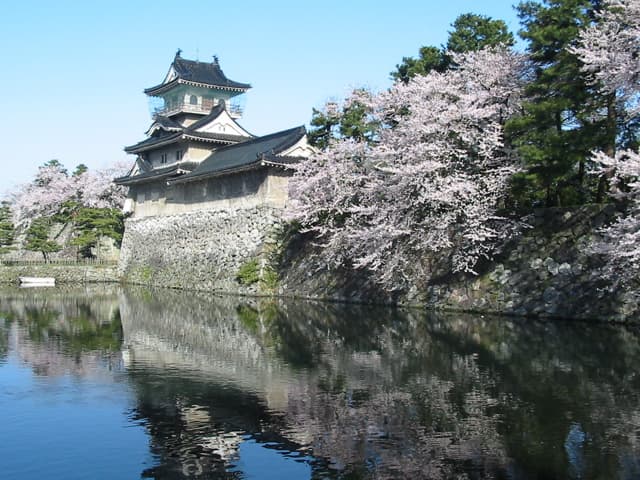
The castle's main keep (tenshu) was originally a multi-storied wooden structure, typical of Japanese castles of the period. Although the original tenshu was destroyed during the Meiji Restoration, it was reconstructed in the 20th century, serving now as a museum and cultural site. The castle grounds include gates, watchtowers, and residential buildings arranged within the defensive walls.
Moats and stone walls
The extensive moat system surrounding Toyama Castle is a defining characteristic, designed to impede attackers and control access. The stone walls, carefully fitted without mortar in many sections, demonstrate advanced masonry techniques of the period and contribute to the castle's enduring stability.
Modern preservation and public access
Today, Toyama Castle and its surrounding grounds are maintained as a public park by the government of Japan. The reconstructed main keep houses a local history museum that offers insights into the castle's past and the broader history of Toyama Prefecture.
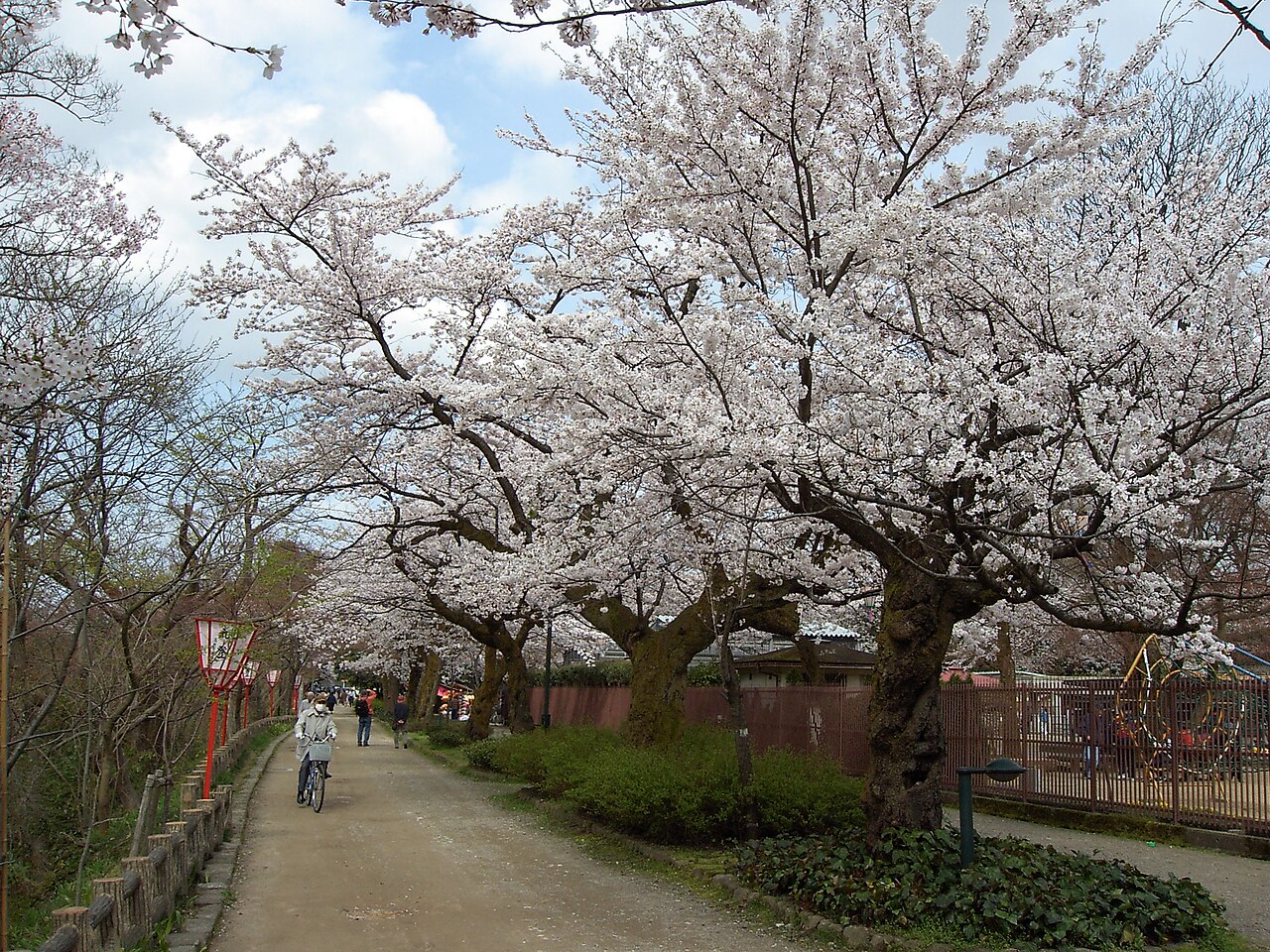
The park is a popular destination for both tourists and locals, especially during the cherry blossom season when the grounds are adorned with blooming sakura trees. The site also hosts cultural events and festivals that celebrate regional heritage.
Cultural importance and tourism
Toyama Castle is recognized as a cultural asset, representing the architectural and historical legacy of the Hokuriku region. Its preservation contributes to the understanding of Japanese castle construction techniques and feudal history.
Visitors can explore the castle grounds, enjoy scenic views of the moat and gardens, and learn about the castle's role in Japanese history through exhibits and guided tours. The castle's accessibility within Toyama city makes it a convenient and informative stop for travelers interested in Japan's samurai era.
Frequently asked questions (FAQ)
- What is the historical significance of Toyama Castle?
- Toyama Castle, also known as Toyama Jo, was originally built in the late 16th century and served as the seat of the Toyama Domain during the Edo period. It played a crucial role in the region's defense and governance, reflecting the architectural styles of Japanese castles of its time.
- When was Toyama Castle reconstructed?
- The current structure of Toyama Castle was reconstructed in 1960, following a period of decline and destruction during the Meiji Restoration. The reconstruction aimed to preserve the historical essence of the castle while making it accessible for modern visitors.
- Can I visit Toyama Castle throughout the year?
- Yes, Toyama Castle is open to visitors year-round, but the best time to visit is during the cherry blossom season in spring, typically from late March to early April. This period showcases the castle's beautiful surroundings and provides a picturesque backdrop for photos.
- What are the opening hours for Toyama Castle?
- Toyama Castle is generally open from 9:00 AM to 5:00 PM, with extended hours during peak tourist seasons. It is advisable to check the official website for any updates on opening hours or special events before your visit.
- Is there an admission fee to enter Toyama Castle?
- Yes, there is a nominal admission fee to enter the main keep of Toyama Castle, which includes access to various exhibitions. The ticket prices are quite reasonable, making it an affordable destination for both locals and tourists.
- How do I get to Toyama Castle using public transport?
- Toyama Castle is easily accessible via public transport, with the Toyama City Tram and buses providing convenient routes to the castle. It is located just a short walk from Toyama Station, making it a popular stop for visitors exploring the city.
- What nearby attractions can I visit after Toyama Castle?
- After visiting Toyama Castle, you can explore the nearby Toyama Glass Art Museum and the beautiful Matsukawa River. Both attractions are within walking distance and offer unique cultural experiences that complement your visit to the castle.
- Is Toyama Castle accessible for individuals with disabilities?
- Yes, Toyama Castle is designed to be accessible for individuals with disabilities, with ramps and elevators available for ease of movement. Visitors can enjoy the castle grounds and exhibitions comfortably, ensuring an inclusive experience for all.
Photo gallery

Public domain
Information
Loading map...
Visitor reviews
No reviews yet. Been here? Write the first review and help other travelers!
Write the first reviewVisited this castle? Share your experience
Your review helps other travelers and adds first-hand knowledge to our encyclopedia.