Masuyama Castle — Japan castle

Masuyama Castle

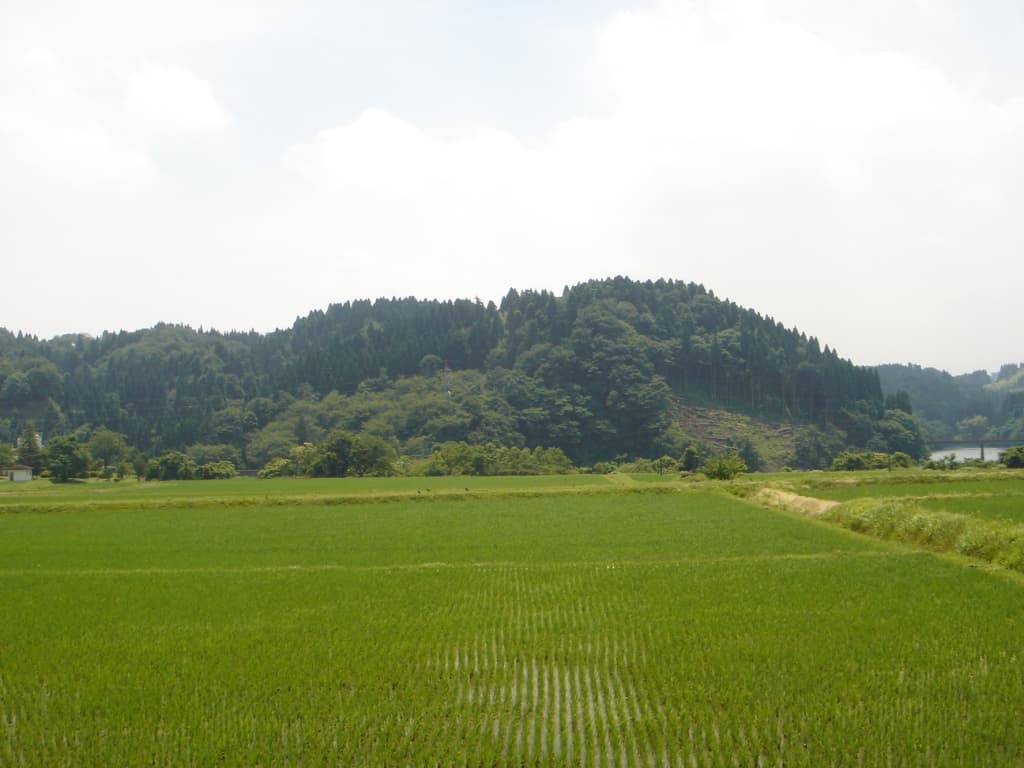
Masuyama Castle: late medieval yamashiro ruins in Toyama, Japan
Tonami, Japan
Late Medieval (14th–15th c.)
Ruins

Masuyama Castle (増山城, Masuyama-jō), also known as Wada Castle (和田城, Wada-jō), is a significant example of a yamashiro-style Japanese castle from the Muromachi period, located in what is now part of the city of Tonami in Toyama Prefecture, within the Hokuriku region of Honshu, Japan. Constructed in the 14th century, this castle played a notable role during Japan's late medieval era, reflecting the military and architectural strategies of the time. The castle's ruins have been designated a National Historic Site since 2009, underscoring its cultural and historical importance.

Historical context and significance

Masuyama Castle was built during the Muromachi period, a time marked by frequent conflicts among regional warlords, which necessitated robust fortifications. The castle's strategic location in the Hokuriku region allowed it to serve as a defensive stronghold and a center of local power. The castle was associated with the Wada clan, a prominent family in the region, which is why it was alternatively called Wada Castle. Its history is intertwined with the shifting alliances and military campaigns characteristic of the 14th to 16th centuries in Japan.

Architectural features and style

Masuyama Castle exemplifies the yamashiro or mountain castle style, which utilizes the natural terrain for defense. The castle was constructed on elevated ground, taking advantage of steep slopes and natural barriers to enhance its defensive capabilities. Typical features included stone walls, earthen ramparts, and wooden structures, although much of the original wooden architecture has not survived.

The castle's layout was adapted to the mountainous landscape, with terraced baileys and narrow pathways designed to slow and expose attackers. Defensive elements such as gates, watchtowers, and moats were integrated into the natural topography. The use of dry moats and steep embankments was common to impede enemy advances.

Ruins and archaeological remains

Today, Masuyama Castle exists as archaeological ruins, with visible remnants including stone foundations, sections of walls, and earthworks. Excavations have revealed the castle's complex defensive systems and provided insights into construction techniques of the period. The site offers valuable information about Muromachi-period military architecture and the adaptation of castle design to mountainous terrain.

Preservation and cultural importance

The designation of Masuyama Castle as a National Historic Site in 2009 reflects its importance in Japanese heritage. The ruins are preserved to protect the archaeological integrity and to facilitate ongoing research. The site attracts historians, archaeologists, and visitors interested in Japan's medieval history and castle architecture.

Efforts to maintain the site include controlled access and informational signage to educate the public about the castle's historical context and architectural significance. The preservation of Masuyama Castle contributes to a broader understanding of regional power dynamics and military strategies during the late medieval period in Japan.

Visiting Masuyama Castle

While the castle no longer stands in its original form, the ruins provide a tangible connection to Japan's feudal past. Visitors can explore the site’s earthworks and stone remains, gaining perspective on the challenges of mountain castle construction. The surrounding landscape offers scenic views typical of the Hokuriku region, enhancing the experience.

Due to the site's status as an archaeological ruin, visitors should respect preservation rules and stay on designated paths. The best time to visit is during spring and autumn when the weather is mild and the natural scenery is at its most vibrant.

Frequently asked questions (FAQ)

What is the historical significance of Masuyama Castle?
Masuyama Castle, built in the late 16th century, played a crucial role during the Sengoku period in Japan. It served as a strategic military site and is a testament to the architectural styles and feudal systems of that era.
When was Masuyama Castle constructed?
Masuyama Castle was constructed in 1580 by the notable warlord Maeda Toshiie. The castle was completed in a time of political turmoil, reflecting the resilience and power of the Maeda clan in the region.
Can I visit Masuyama Castle?
Yes, Masuyama Castle is open to the public for visits. Visitors can explore the castle grounds and enjoy scenic views of Tonami and the surrounding area.
What are the opening hours for Masuyama Castle?
Masuyama Castle is typically open from 9 AM to 5 PM daily. However, it is advisable to check for any seasonal changes or special holiday hours before planning your visit.
Is it possible to access Masuyama Castle by public transportation?
Yes, you can access Masuyama Castle via public transportation. There are local buses that connect to the castle from Tonami Station, making it convenient for visitors.
What is the best time to visit Masuyama Castle?
The best time to visit Masuyama Castle is during the cherry blossom season in spring or the vibrant foliage in autumn. These seasons enhance the natural beauty of the castle and its surroundings, providing perfect photo opportunities.
Are there any nearby attractions to Masuyama Castle?
Yes, there are several nearby attractions, including the Tonami Tulip Park and the historic city center of Tonami. These locations provide additional cultural and natural experiences for visitors.
What are the ticket prices for visiting Masuyama Castle?
Admission to Masuyama Castle is generally free, allowing visitors to explore the grounds without any cost. However, there may be fees for certain guided tours or special exhibitions.
What architectural features can I expect to see at Masuyama Castle?
Masuyama Castle features traditional Japanese castle architecture, including wooden structures and stone walls. Visitors can admire the intricate designs and historical preservation that showcase the craftsmanship of the era.

Photo gallery

Masuyama Castle
Click to view

Photo by Nhrdsk at Japanese Wikipedia•Public domain

1 photo • Click any image to view in full screen

Information

Archaeological Site / Ruins

Current owner

State museum

Loading map...

Visitor reviews

No reviews yet. Been here? Write the first review and help other travelers!

Write the first review

Visited this castle? Share your experience

Your review helps other travelers and adds first-hand knowledge to our encyclopedia.
Write a review

(5/5)

0/2000 characters

Your review will be visible after admin approval

Nearby castles

11 km
Takaoka Castle — Japan castle

Takaoka Castle

Takaoka, Japan

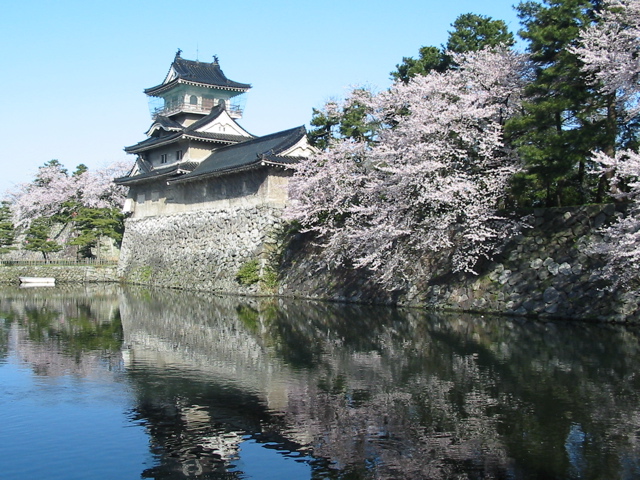
Takaoka Castle stands as a significant example of a hirajiro, or flatland castle, located in Takaoka, Japan. Constructed in 1609 by Maeda Toshinaga, the castle was intended to replace the earlier Toyama Castle after it was destroyed by fire. Despite its ambitious beginnings, Takaoka Castle was never fully completed and was decommissioned shortly after Toshinaga's death in 1614, following the implementation of the One Castle per Domain law in 1615. This law mandated the reduction of castles to prevent feudal lords from maintaining multiple fortifications, reflecting the Tokugawa shogunate's efforts to consolidate power and stabilize the country during the early Edo period. The castle's location on flat terrain classifies it as a lowland castle, a type known for its reliance on moats, stone walls, and earthen ramparts rather than elevated natural defenses. Today, the site is preserved as a public park, designated in 1875, offering visitors a glimpse into Japan's feudal past through its remaining defensive structures. Architectural features and layout Takaoka Castle is notable for its well-preserved earthworks (dorui), moats (mizubori), and stone-piled walls (ishigaki). These features exemplify the defensive strategies employed in flatland castles during the early 17th century. The castle's layout includes multiple baileys, with the honmaru (main bailey) and ninomaru (second bailey) connected by an earthen bridge flanked by two tall segments of ishigaki. These stone ramparts are particularly impressive, showcasing intricate stonework with visible kokuin—carved impressions on the stones that feature patterns such as the manji (swastika) and kushidango (skewered rice balls). The castle's moats are a defining characteristic, surrounding the baileys and enhancing the defensive perimeter. Visitors can experience the moat firsthand through boat rides, which provide unique views of the stone walls and water defenses, although the tour is brief and primarily suited for casual visitors rather than detailed architectural study. Stone walls and kokuin The ishigaki at Takaoka Castle are remarkable for their size and craftsmanship. The stone blocks are carefully fitted without mortar, a technique typical of Japanese castle construction, allowing for both strength and flexibility against earthquakes. The presence of kokuin adds cultural and artistic value, reflecting the symbolic and aesthetic considerations of the builders. These marks may have served as mason's marks or clan symbols, contributing to the castle's identity. Historical significance and context Maeda Toshinaga, the second lord of the Kaga Domain, played a pivotal role in the castle's construction. His decision to build Takaoka Castle was influenced by the need to establish a new administrative center after the destruction of Toyama Castle. However, Toshinaga's death and the Tokugawa shogunate's policies curtailed the castle's development, leading to its abandonment as a military stronghold. The One Castle per Domain law was a crucial policy that shaped the fate of many castles across Japan during the early Edo period. By limiting each domain to a single castle, the shogunate aimed to reduce the military power of feudal lords and prevent rebellion. This law resulted in the decommissioning of many castles, including Takaoka, which was never fully utilized as a defensive structure. Post-feudal era and preservation After centuries of disuse, the castle grounds were transformed into a public park in the late 19th century, reflecting a shift in the site's role from military to cultural and recreational. The park now features various facilities, including a zoo and shrine buildings, which coexist with the castle ruins. While some modern structures obscure parts of the original earthworks, the site remains a valuable historical and natural space. Visitor experience and current condition Today, Takaoka Castle is classified as ruins, with significant portions of its defensive structures still visible. The site offers an immersive experience for visitors interested in Japanese castle architecture and history. The extensive earthworks, moats, and stone walls can be explored on foot, with pathways leading around the various baileys and along the outer moat. The park is particularly popular in spring when cherry blossoms and other flowers bloom, creating a picturesque setting. Birdsong and seasonal wildlife add to the natural ambiance, making it a pleasant destination for families and history enthusiasts alike. The free-access zoo within the park provides an additional attraction, allowing visitors to enjoy both cultural heritage and leisure activities. Accessibility and amenities The castle ruins are easily accessible within the city of Takaoka. Visitors can navigate the site independently, with informational signage available to guide exploration. Boat rides on the moat offer a different perspective of the stone walls, although these are brief and more suited for casual observation than in-depth study. Facilities within the park include walking paths, rest areas, and recreational spaces, making it a well-rounded destination. While some modern developments partially obscure the original castle features, the overall preservation of the ruins allows for meaningful engagement with Japan's feudal architectural heritage. Cultural importance and legacy Takaoka Castle represents a transitional moment in Japanese history, bridging the turbulent Sengoku period and the stable Edo era. Its incomplete state and subsequent abandonment illustrate the impact of national policies on regional fortifications. The castle's ruins serve as a tangible reminder of feudal Japan's architectural ingenuity and political evolution. The site also contributes to the cultural landscape of Takaoka, enriching the city's historical identity and offering educational opportunities. Preservation efforts and public access ensure that Takaoka Castle remains a cherished landmark, connecting contemporary visitors with Japan's rich past.

Renaissance (15th–17th c.)
Details
15.8 km
Toyama Castle — Japan castle

Toyama Castle

Toyama, Japan

Toyama Castle (富山城, Toyama-jō), also known as Azumi Castle (安住城, Azumi-jō), is a prominent flatland castle located in the city of Toyama, within Toyama Prefecture in the Hokuriku region of Japan. Contrary to the initial classification as a hill castle, Toyama Castle is a classic example of a flatland-style Japanese castle, constructed on level ground rather than elevated terrain. This strategic choice reflects the castle's role in controlling the surrounding plains and waterways during the Sengoku period. The castle was originally built in 1543 during the Sengoku period, a time marked by near-constant military conflict and political upheaval in Japan. Toyama Castle served as a critical stronghold for regional warlords vying for power in the Hokuriku region. Its construction and subsequent expansions were influenced by the defensive needs of the era, incorporating moats, stone walls, and multiple baileys to protect against sieges. Historical context and significance Toyama Castle played a significant role in the turbulent history of the 16th century. It was initially controlled by the Jinbō clan before falling under the influence of the Maeda clan, one of the most powerful families during the Azuchi-Momoyama period. The castle's location in Toyama made it a vital center for administration and military operations in the Hokuriku region. During the Edo period, the castle became the seat of the Toyama Domain under the Tokugawa shogunate. Although the castle's military importance diminished with the establishment of peace, it remained a symbol of regional authority and governance. Architectural features and layout Flatland castle design Toyama Castle exemplifies the hirajiro style, or flatland castle, which is built on plains rather than hills or mountains. This style necessitated extensive use of defensive moats and walls since the natural elevation advantage was absent. Toyama Castle features multiple concentric moats and stone ramparts that encircle the main bailey and secondary enclosures. Castle structures and defenses The castle's main keep (tenshu) was originally a multi-storied wooden structure, typical of Japanese castles of the period. Although the original tenshu was destroyed during the Meiji Restoration, it was reconstructed in the 20th century, serving now as a museum and cultural site. The castle grounds include gates, watchtowers, and residential buildings arranged within the defensive walls. Moats and stone walls The extensive moat system surrounding Toyama Castle is a defining characteristic, designed to impede attackers and control access. The stone walls, carefully fitted without mortar in many sections, demonstrate advanced masonry techniques of the period and contribute to the castle's enduring stability. Modern preservation and public access Today, Toyama Castle and its surrounding grounds are maintained as a public park by the government of Japan. The reconstructed main keep houses a local history museum that offers insights into the castle's past and the broader history of Toyama Prefecture. The park is a popular destination for both tourists and locals, especially during the cherry blossom season when the grounds are adorned with blooming sakura trees. The site also hosts cultural events and festivals that celebrate regional heritage. Cultural importance and tourism Toyama Castle is recognized as a cultural asset, representing the architectural and historical legacy of the Hokuriku region. Its preservation contributes to the understanding of Japanese castle construction techniques and feudal history. Visitors can explore the castle grounds, enjoy scenic views of the moat and gardens, and learn about the castle's role in Japanese history through exhibits and guided tours. The castle's accessibility within Toyama city makes it a convenient and informative stop for travelers interested in Japan's samurai era.

Late Medieval (14th–15th c.)
Details
35.5 km
Kanazawa Castle — Japan castle

Kanazawa Castle

Kanazawa, Japan

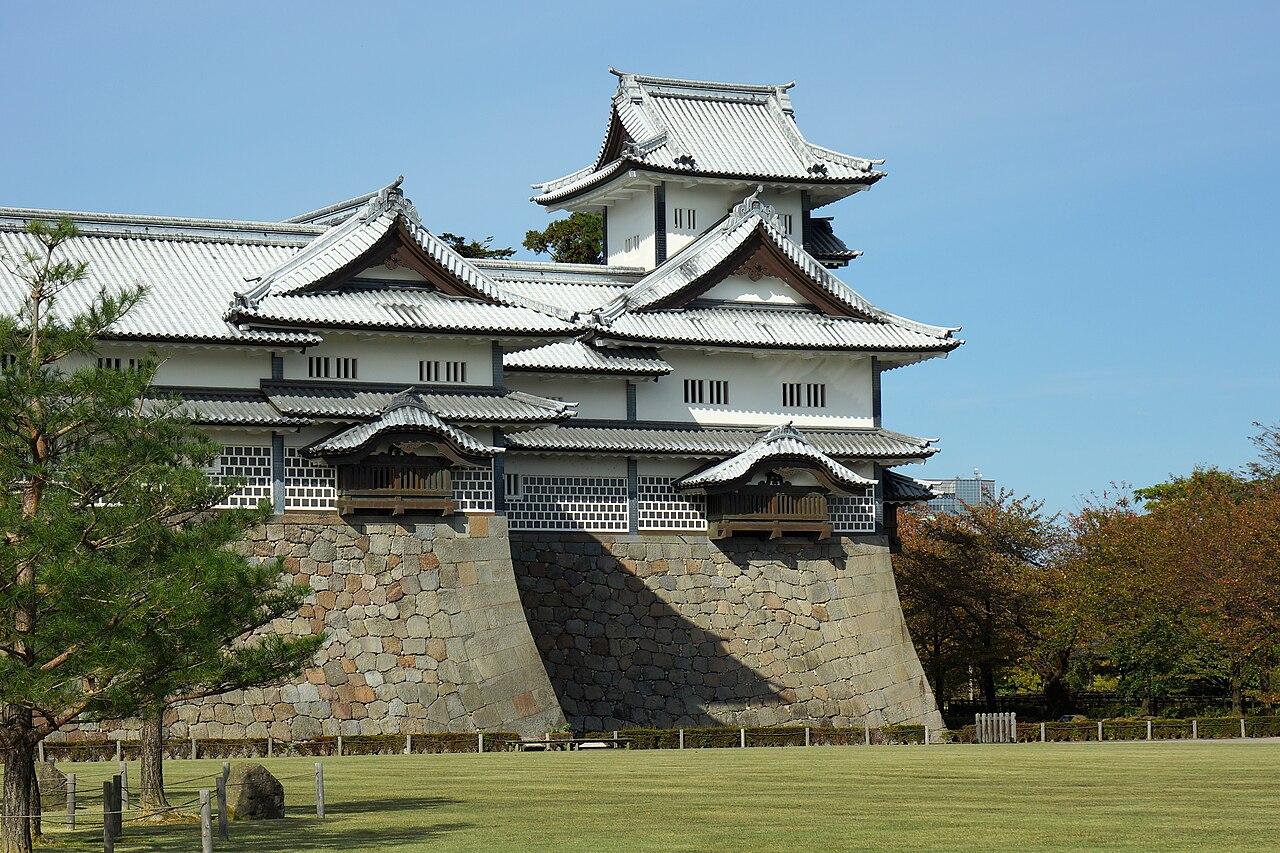
Kanazawa Castle stands as a significant historic fortress located in Kanazawa, within the Ishikawa region of Japan. Founded in 1580 by Sakuma Morimasa, a retainer of the powerful warlord Oda Nobunaga and nephew of Shibata Katsuie, the castle marks an important chapter in Japan's feudal history. Although Morimasa began the construction of the castle and its surrounding castle town, his defeat and execution by Toyotomi Hideyoshi at the Battle of Shizugatake in 1583 halted his efforts. The castle was subsequently taken over by Maeda Toshiie, an influential ally of Hideyoshi who governed the neighboring Noto province and was granted control over the Kaga province. Under Maeda's stewardship, the castle underwent significant development, becoming the administrative and military center of the prosperous Kaga Domain. Historical significance and maeda clan rule The Maeda clan emerged as one of the most powerful and wealthy families during the Azuchi-Momoyama and Edo periods, ruling the Kaga Domain peacefully for 14 generations until the end of the Meiji period. The clan's influence was bolstered by their control of multiple provinces, including Kaga and later Ecchu, granted in 1585, which made them one of the richest daimyo families under the Toyotomi regime. This wealth and stability allowed for the castle's continuous maintenance and expansion over centuries. Architectural features and castle layout Kanazawa Castle is classified as a hill castle, strategically positioned to oversee and control the surrounding region. The castle originally featured a large six-level main keep (tenshu), an imposing structure that served as both a defensive stronghold and a symbol of the Maeda clan's power. Unfortunately, this main keep was destroyed by fire in 1602 and was never rebuilt, a fate not uncommon among Japanese castles of the era due to frequent fires and changing military needs. The castle complex is renowned for its extensive and well-preserved stone walls, which demonstrate advanced masonry techniques of the period. These walls, combined with moats and strategically placed gates, formed a formidable defense system. Among the surviving original structures are the Ishikawamon Gate, the Sanjikken Yagura (a turret), and the Tsurumaru Storehouse. These buildings provide valuable insight into the castle's original architectural style and defensive capabilities. Defensive structures and fortifications The castle's defenses included multiple layers of walls and gates designed to slow and confuse attackers. The Sogamae defense ruins are remnants of these outer fortifications, illustrating the castle's complex defensive network. The castle also featured various yagura (turrets) that served as watchtowers and platforms for archers and gunners. Kenrokuen garden and its role Adjacent to the castle lies the famous Kenrokuen Garden, one of Japan's most celebrated landscape gardens. Established in 1676 at approximately the same elevation as the castle's Honmaru (main bailey), the garden was initially intended as a place for leisure and entertaining guests. Over the next 150 years, it was gradually expanded and refined, becoming a masterpiece of Japanese garden design that harmonizes natural beauty with architectural elements. Despite its primary function as a garden, Kenrokuen also served a strategic military role. If an enemy managed to penetrate the city's defenses and reach this area, the garden's location made it a suitable site for establishing a forward base for further attacks on the castle. As such, it was lightly fortified and considered a satellite fortification supporting the main castle. Cultural heritage and current condition Today, Kanazawa Castle is recognized as a cultural treasure, reflecting centuries of Japanese history, architecture, and garden artistry. While much of the original castle structures were lost to fires over the centuries, the site remains partially preserved with several authentic buildings and extensive stone walls intact. The castle grounds have undergone careful restoration and reconstruction efforts to preserve its historical integrity and provide visitors with an authentic experience. Visitors to the castle can explore the restored gates, turrets, and storehouses, as well as the adjacent samurai residences that offer a glimpse into the lifestyle of the warrior class. The combination of architectural remains, reconstructed buildings, and the stunning Kenrokuen Garden makes Kanazawa Castle a must-see destination for history enthusiasts and tourists alike. Visitor experience and exploration The castle complex is extensive, and thorough exploration can take several days. Enthusiasts can wander through the castle's expansive grounds, admire the impressive stone walls, and visit the samurai homes that have been preserved or reconstructed nearby. The castle's rich history and architectural significance are complemented by the beautiful natural surroundings and the tranquil atmosphere of Kenrokuen Garden. Kanazawa Castle's blend of historical architecture, military significance, and cultural beauty offers a comprehensive insight into Japan's feudal era and the legacy of the Maeda clan. It remains a symbol of regional pride and a testament to the enduring heritage of Japanese castle construction and garden design.

Renaissance (15th–17th c.)
Details