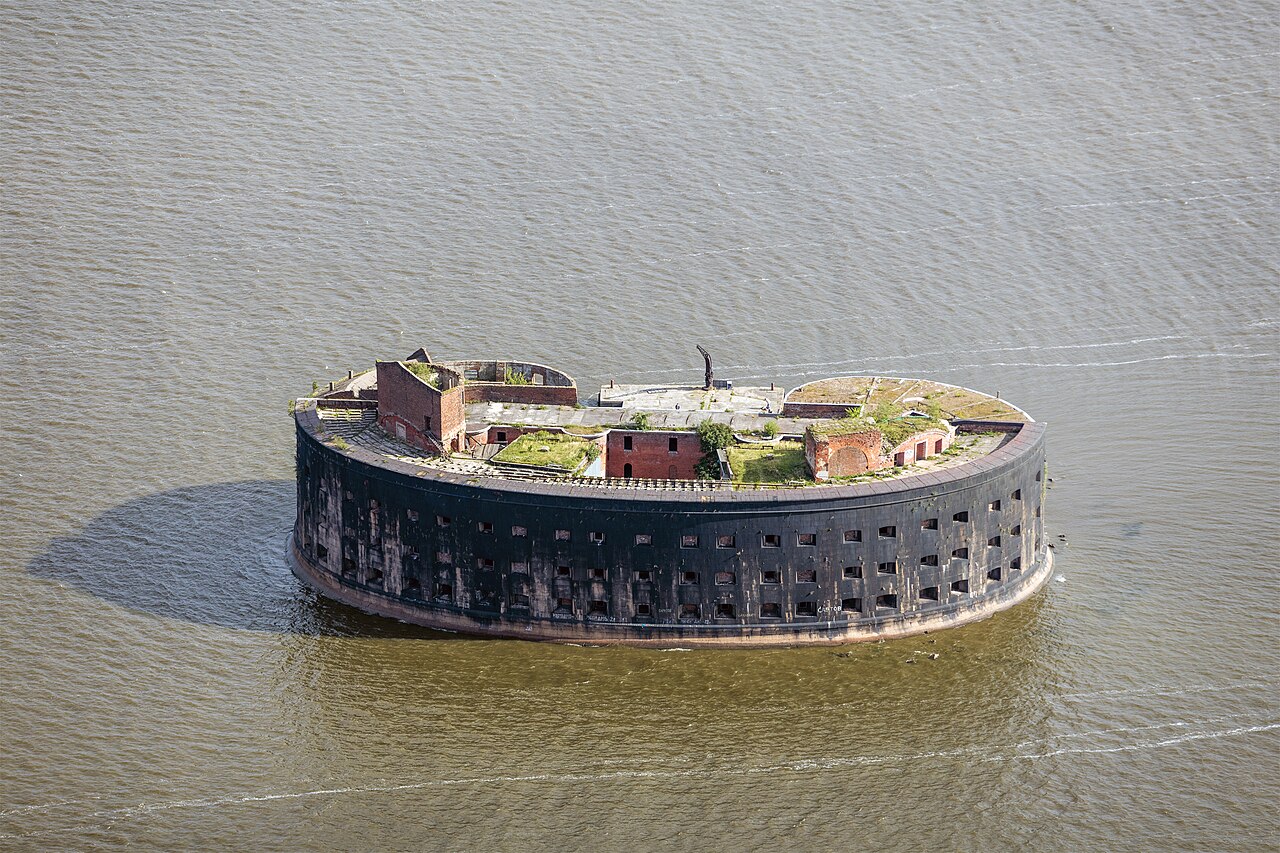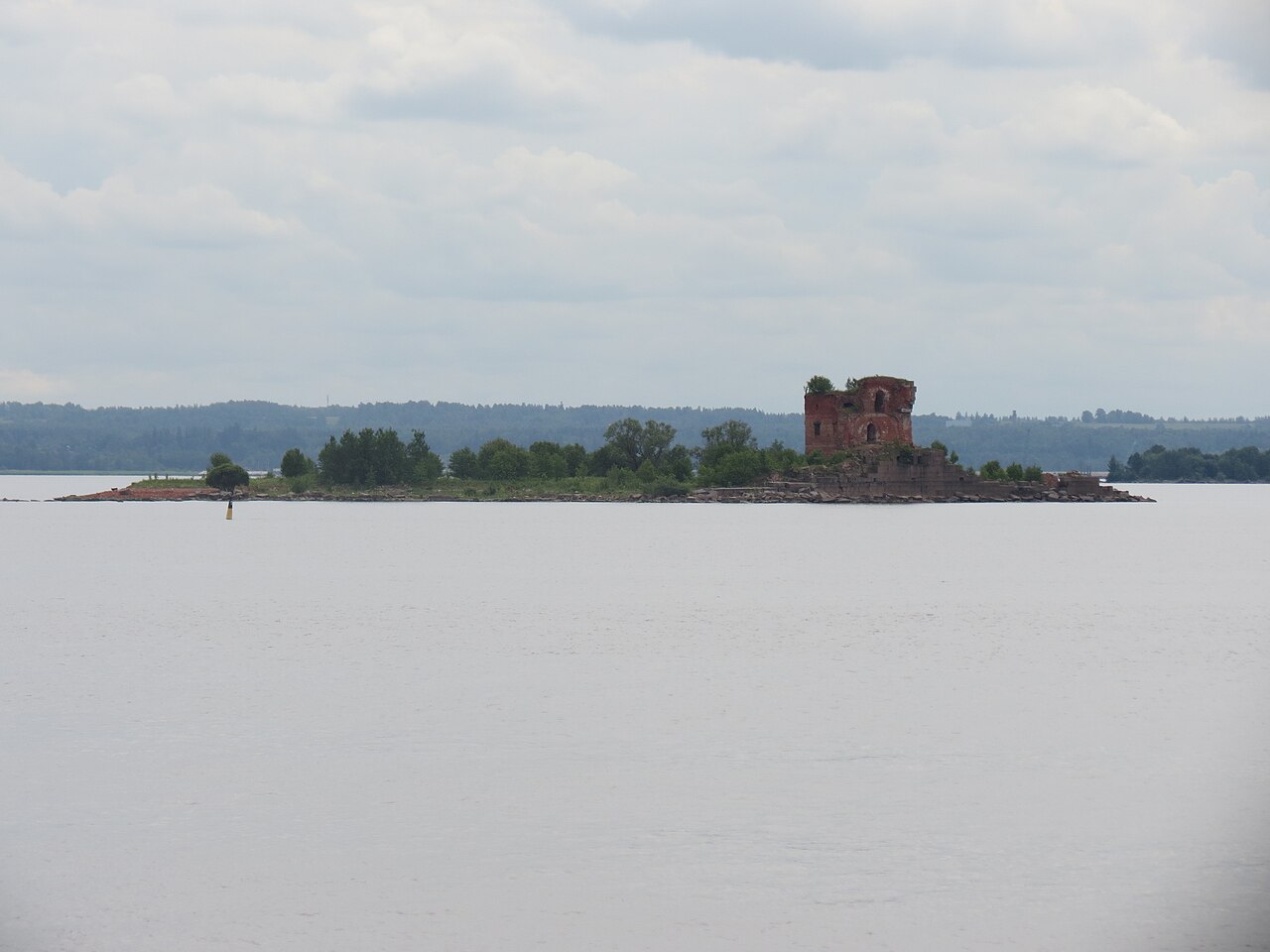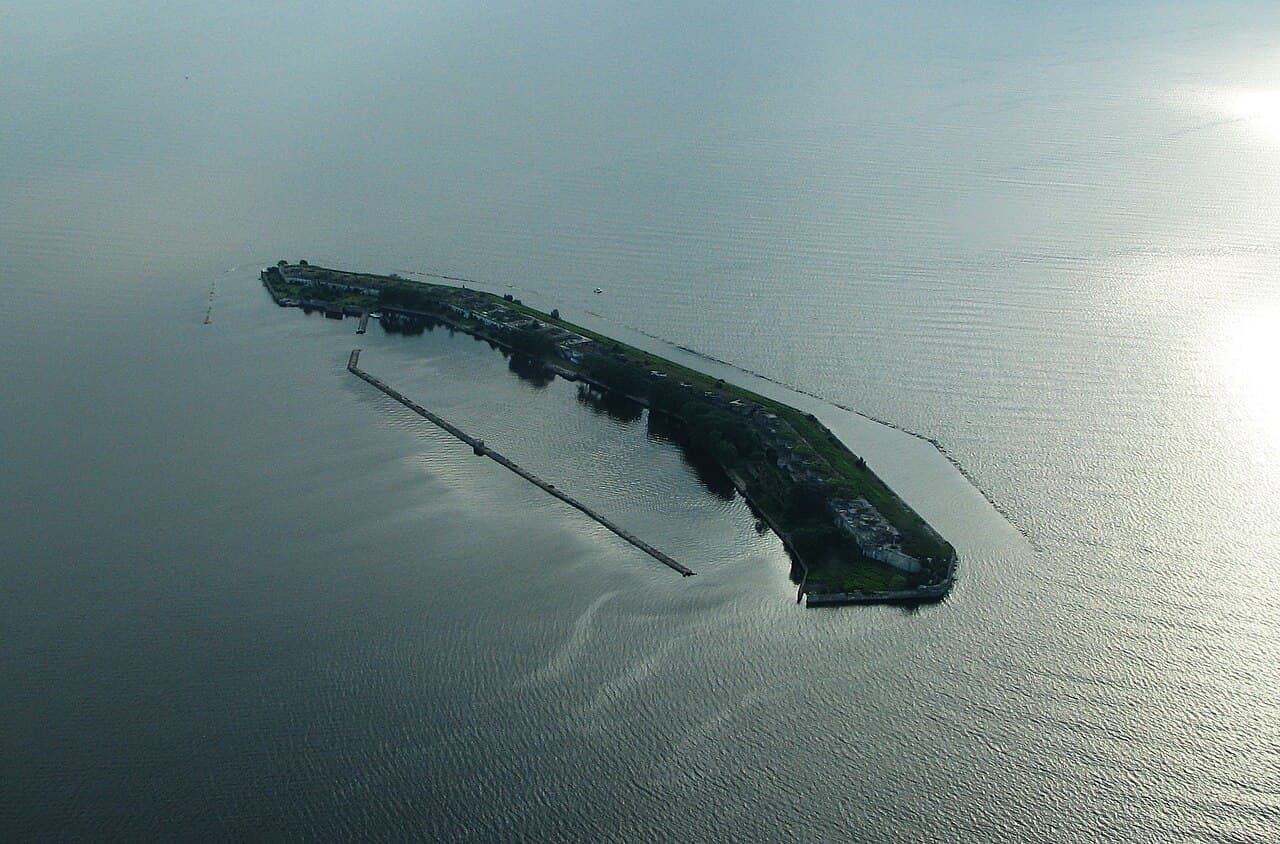
Totleben bastioned fortress is a significant example of 19th-century military architecture located in the Russian Federation. Constructed during the modern period, this fortress showcases the strategic defensive design typical of the era, emphasizing bastioned fortifications that were developed to withstand artillery advances.
Historical context and strategic importance
Built in the 19th century, the Totleben fortress was part of a broader effort by the Russian Empire to modernize its defensive structures in response to evolving military technologies and geopolitical threats. The fortress was named after a notable military engineer, reflecting the importance of expert design in fortification construction during this period.
During this time, bastioned fortresses were integral to military defense, designed to provide overlapping fields of fire and reduce blind spots. Totleben's location, while not precisely documented in available sources, would have been chosen for its strategic value, likely controlling key transportation routes or protecting important settlements or military installations.
Architectural features and design
The fortress is classified as a bastioned fortress, a style characterized by angular bastions projecting from the main walls. These bastions allowed defenders to cover adjacent walls with gunfire, eliminating dead zones and enhancing the fortress's defensive capability.
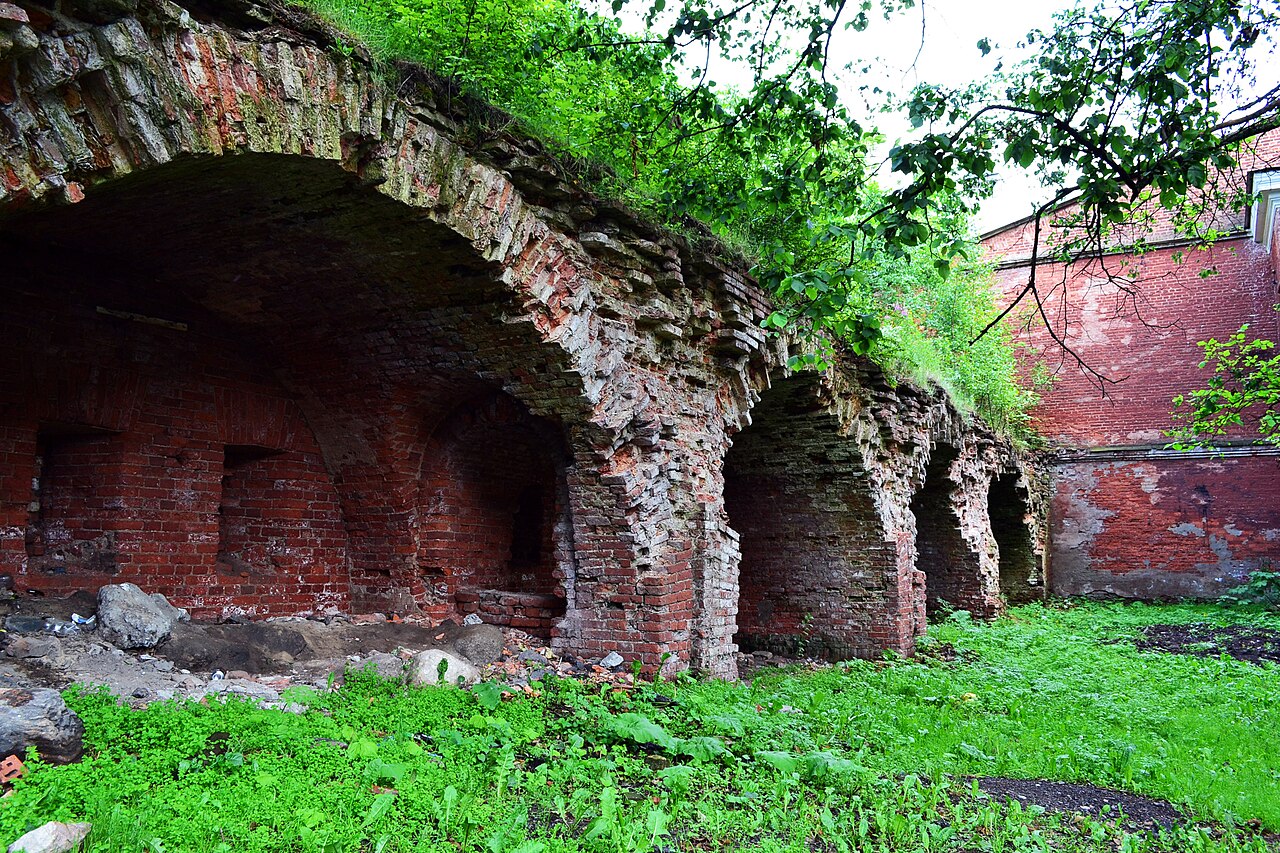
Typical features include thick, sloped walls designed to deflect cannonballs, deep moats or ditches surrounding the perimeter, and robust gatehouses controlling access. The design would have incorporated casemates and bombproof shelters to protect troops and ammunition.
While specific details of Totleben's layout are scarce, the fortress likely followed the principles of Vauban-style fortifications, which were influential in Russian military architecture during the 18th and 19th centuries. This includes star-shaped outlines, layered defensive walls, and strategic positioning of artillery emplacements.
Construction and materials
The construction of Totleben fortress would have involved extensive use of stone and brick masonry, materials chosen for their durability against artillery fire. The walls were probably reinforced with earthworks to absorb the impact of cannonballs.
Given the era, the fortress construction likely employed both traditional masonry techniques and emerging engineering practices, including precise geometric planning and the use of gunpowder for excavation and shaping of defensive ditches.
Military role and later history
Throughout its operational history, Totleben fortress would have served as a garrison point, controlling regional military movements and serving as a deterrent against invasions. Its bastioned design allowed it to mount significant artillery defenses, making it a formidable obstacle to enemy forces.
As military technology advanced into the 20th century, many bastioned fortresses, including Totleben, became obsolete due to the rise of more mobile and powerful artillery and air power. The fortress's current condition is not extensively documented, but such structures often face challenges from neglect and changing land use.
Cultural and heritage significance
Totleben fortress represents an important phase in the evolution of military architecture in Russia. Its bastioned design reflects the adaptation of European fortification principles to local strategic needs. Preserving such sites contributes to understanding the military history and engineering achievements of the period.
Visitors and historians interested in 19th-century fortifications and Russian military history may find Totleben a valuable subject of study, although accessibility and preservation status may vary.
Frequently asked questions (FAQ)
- What is the historical significance of Totleben Castle?
- Totleben Castle, located in the Russian Federation, is a prominent example of 19th-century military architecture. Built during the reign of Tsar Nicholas I, it served as a strategic fortress during various conflicts, reflecting the military innovations of its time.
- When was Totleben Castle built?
- Construction of Totleben Castle began in 1840 and was completed in 1850. Named after the notable general Eduard Totleben, the castle played a crucial role in the defense of the region during its operational years.
- What are the opening hours for Totleben Castle?
- Totleben Castle is open to visitors from Tuesday to Sunday, from 10 AM to 6 PM. It is closed on Mondays and on national holidays, so it’s advisable to check the schedule in advance for any special events.
- Can I take photographs inside Totleben Castle?
- Yes, visitors are generally allowed to take photographs inside and outside of Totleben Castle. However, it is recommended to respect the guidelines provided by the staff regarding photography in certain areas.
- Is it possible to access Totleben Castle by public transportation?
- Yes, Totleben Castle is accessible via local public transportation, including buses and trains, which connect to nearby towns. Visitors can check local transit schedules for the most convenient routes to reach the castle.
- What is the best time to visit Totleben Castle?
- The best time to visit Totleben Castle is during the late spring and early autumn months when the weather is mild and pleasant. These seasons also offer beautiful surroundings, making your visit more enjoyable.
- Are there any nearby attractions to visit while at Totleben Castle?
- Yes, there are several nearby attractions including historical parks and museums that showcase the region's rich history. Visitors can explore local markets and enjoy scenic views that enhance the overall experience of the area.
- What are the ticket prices for visiting Totleben Castle?
- Ticket prices for Totleben Castle are quite affordable, typically ranging from 200 to 500 rubles depending on age and special discounts. It is advisable to check the official website or visitor center for the latest pricing and any available promotions.
Photo gallery

Information
Loading map...
Visitor reviews
No reviews yet. Been here? Write the first review and help other travelers!
Write the first reviewVisited this castle? Share your experience
Your review helps other travelers and adds first-hand knowledge to our encyclopedia.