Kronstadt Fortress
Kronstadt Fortress stands as a significant bastioned fortress located on Kotlin Island in the Gulf of Finland, serving as the primary maritime defense for Saint Petersburg, Russia. Founded in 1704 by Peter the Great following his capture of Kotlin from the Swedes in 1703, Kronstadt was designed to protect the approaches to the newly established capital and its vital seaport. Its strategic position made it a cornerstone of Russian naval power in the Baltic Sea, housing the Russian Baltic Fleet and the seat of the Russian admiralty for centuries.
Founding and early construction
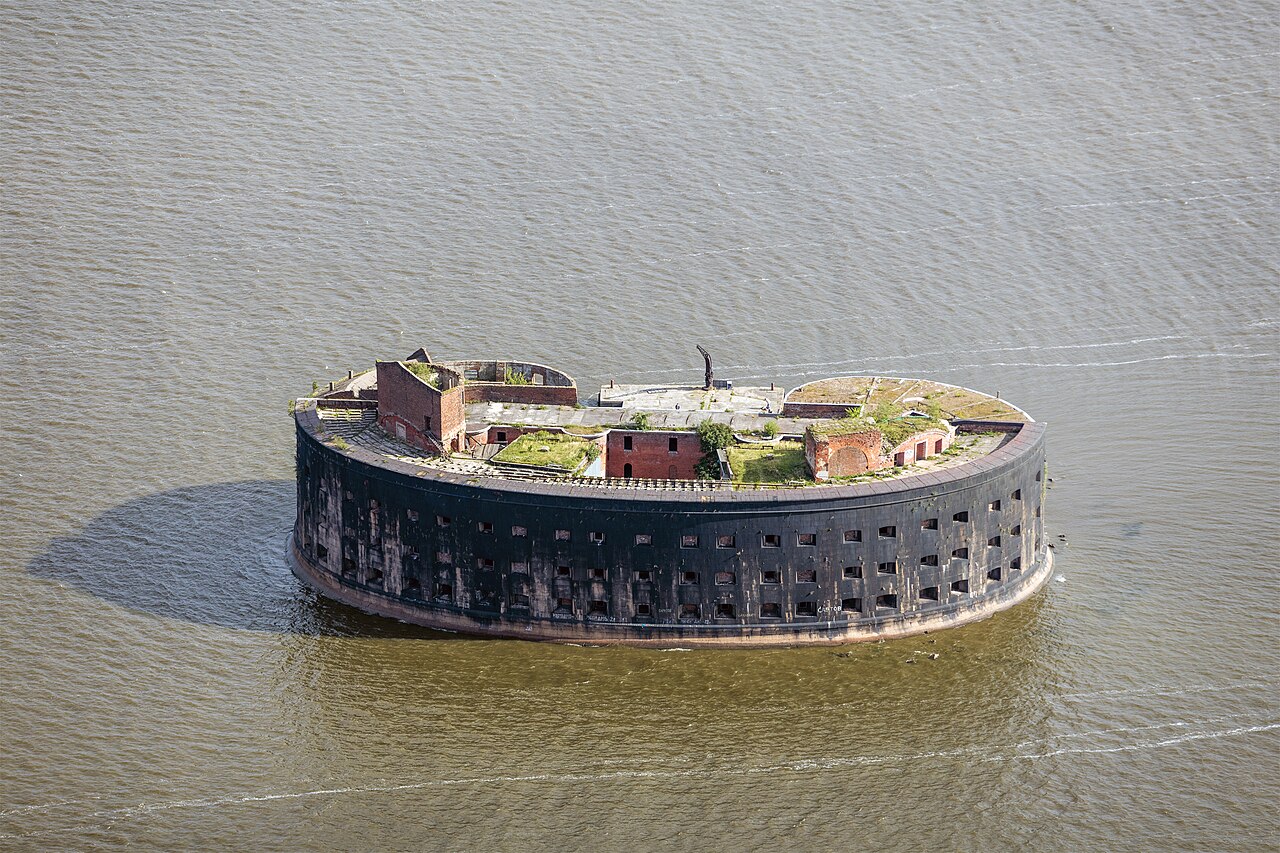
The fortress's initial construction was overseen by Abram Petrovich Gannibal, a notable military engineer and the great-grandfather of the Russian poet Alexander Pushkin. The first fortifications were inaugurated on 18 May 1704, marking the rapid establishment of Kronstadt as a formidable maritime stronghold. The builders employed innovative techniques to overcome the challenging environment of the frozen Gulf of Finland during winter. Workers used thousands of oak log frames filled with stones, transported over the ice by horses, to create artificial islands on which forts were erected. This method effectively closed off access to Saint Petersburg by sea, leaving only two narrow navigable channels heavily guarded by the strongest forts.
Architectural evolution and 19th-century refortification
Throughout the 18th and 19th centuries, Kronstadt Fortress underwent significant expansions and modernizations to adapt to evolving military technologies and threats. The original three-decker forts, five in total, which had successfully resisted Anglo-French fleets during the Crimean War, were eventually supplemented by new fortifications designed by the renowned military engineer Eduard Totleben. Between 1856 and 1871, Totleben's plans led to the construction of the Constantine Fort and several batteries, including four defending the main southern approach and seven covering the shallower northern channel. These new defenses featured low, thickly armored earthworks armed with Krupp heavy guns mounted in turrets, reflecting advances in artillery and fortification design.
The town of Kronstadt itself was enclosed by a strong enceinte, providing an additional layer of protection. The fortress's layout and armaments exemplify the post-Renaissance bastioned fortress style, combining angled bastions and robust earthworks to maximize defensive capabilities against naval and land attacks.
Kronstadt in russian history and conflicts
Kronstadt played a pivotal role in several major historical events, particularly during the 19th and early 20th centuries. During the Crimean War (1853–1856), the fortress withstood attacks by Anglo-French fleets, demonstrating its strategic importance. In the early 20th century, the sailors of Kronstadt gained a reputation as fervent revolutionaries, notably during the February Revolution of 1917 when they joined the uprising and executed their officers.
During the Russian Civil War (1917–1921), Kronstadt was a key Bolshevik naval base. However, in 1921, the fortress became the site of the Kronstadt rebellion, where sailors and civilians demanded political reforms such as freedom of speech and liberation of soviets from party control. The uprising was suppressed by forces led by Leon Trotsky, marking a significant moment in Soviet history.
In the World War II period, Kronstadt endured repeated bombings by the German Luftwaffe starting in August 1941, underscoring its continued military significance. Until 1998, Kronstadt remained a closed city due to its naval importance but has since opened to tourists as a site of rich historical and architectural heritage.
Architectural features and surviving structures
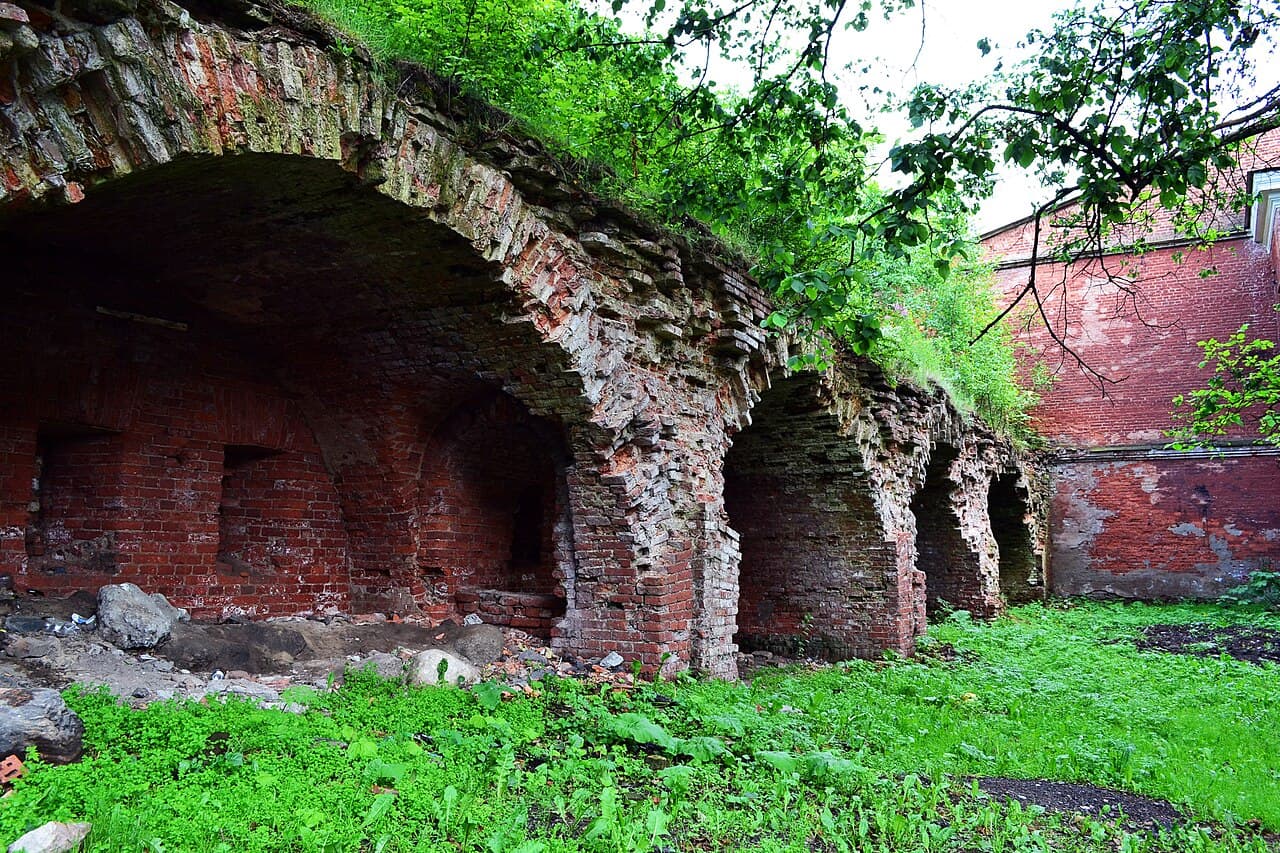
Today, much of the original fortress complex has been altered or lost, but key elements remain. The Northern Wall, located along Vosstaniya Street in Kronstadt's center, survives in good condition. This wall dates from the 19th century and reflects the fortress's extensive refortification during that period.
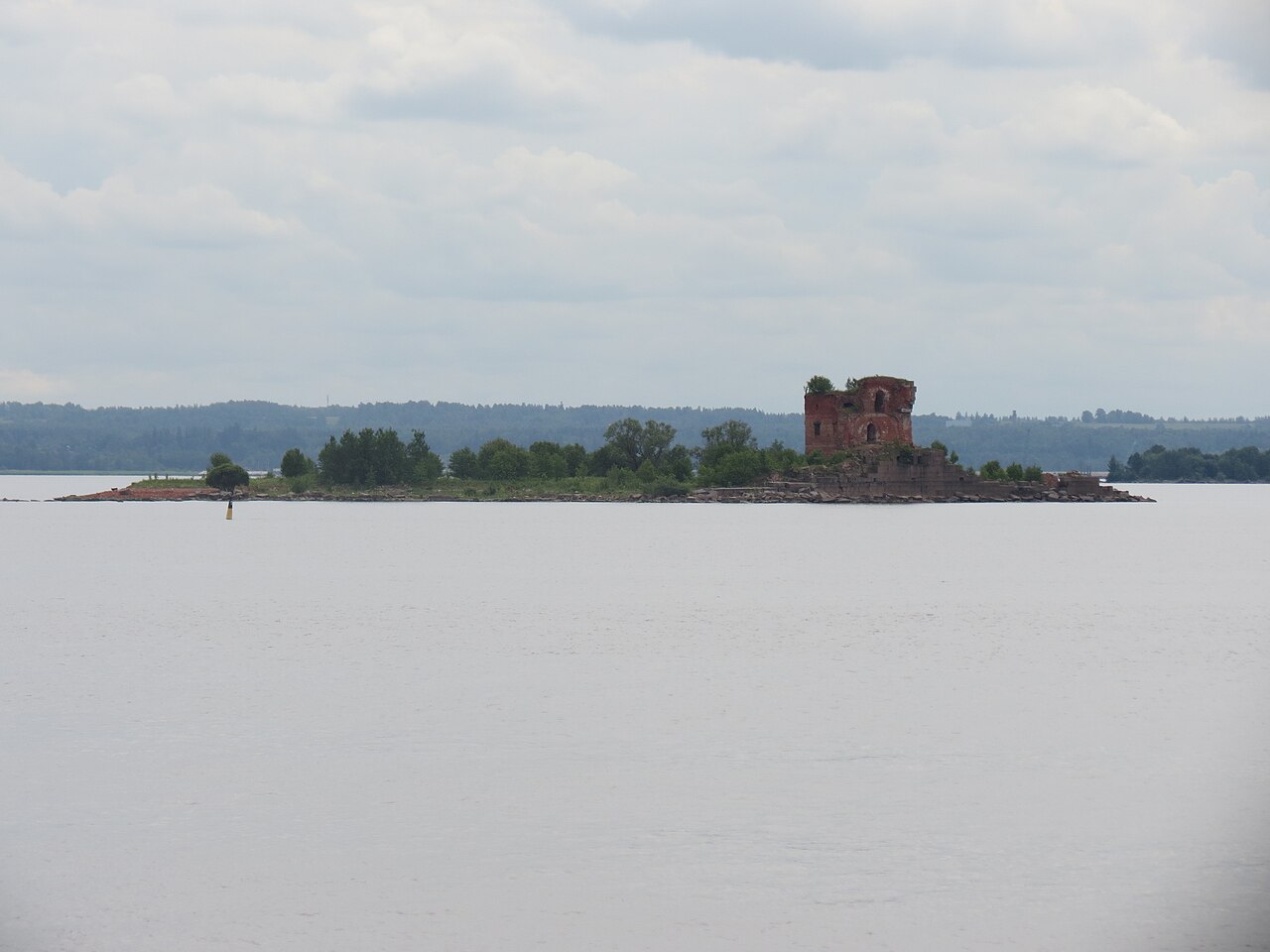
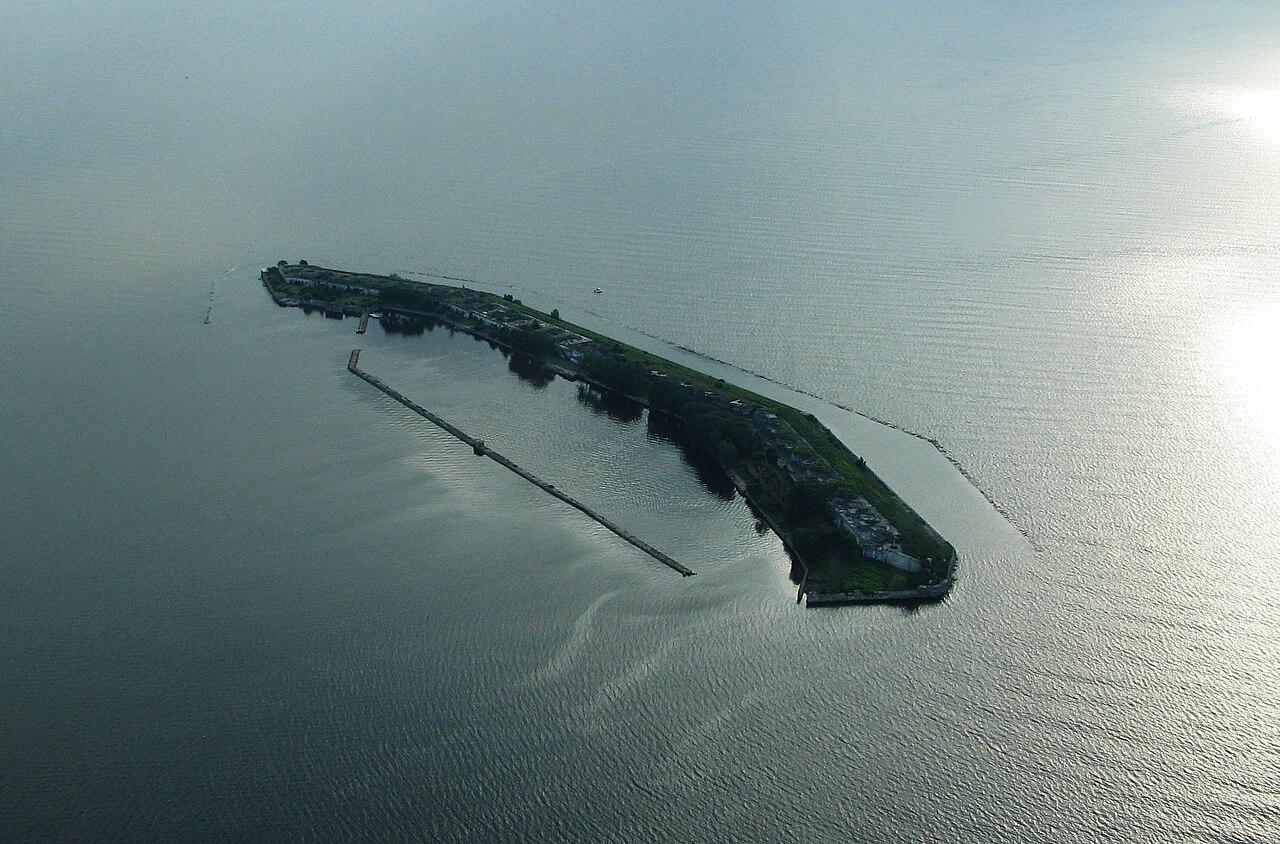
The fortress's design integrates multiple forts, batteries, and earthworks arranged on artificial islands, controlling access through the Gulf of Finland. The use of oak log frames filled with stones to create these islands was a distinctive engineering solution to the frozen maritime environment. The combination of bastioned defenses and heavy artillery emplacements illustrates the evolution of military architecture from the early 18th century through the late 19th century.
Cultural and heritage significance
Kronstadt Fortress is part of the Saint Petersburg UNESCO World Heritage Site, recognized for its historical and architectural value. It represents a key chapter in Russian naval history and the development of bastioned fortifications in northern Europe. The site attracts visitors interested in military history, architecture, and Russian heritage, offering insights into the strategic defense mechanisms that protected one of Russia's most important cities for over three centuries.
The fortress's role in major historical events such as the Crimean War, the Russian revolutions, and World War II adds layers of significance beyond its architectural merits, making Kronstadt a multifaceted monument to Russia's maritime and political history.
Visiting kronstadt fortress today
Since the lifting of its closed city status in 1998, Kronstadt has become accessible to tourists. Visitors can explore the surviving fortifications, including the well-preserved Northern Wall, and learn about the fortress's role in Russian history through local museums and guided tours. The fortress's unique location on Kotlin Island provides scenic views of the Gulf of Finland and Saint Petersburg's maritime approaches.
While some parts of the fortress remain in ruins or have been repurposed, the site offers a tangible connection to centuries of military engineering and Russian naval power. Visitors are advised to check local opening hours and access conditions, as some areas may still be restricted due to ongoing naval activities or preservation efforts.
Frequently asked questions (FAQ)
- How do I get to Kronstadt Fortress?
- Kronstadt Fortress is located in Kronstadt, a town situated on Kotlin Island, accessible from Saint Petersburg. You can reach the fortress by taking a ferry from the city, which offers a scenic view of the Gulf of Finland. Alternatively, public transport options such as buses or taxis are available for a more direct route.
- What is the historical significance of Kronstadt Fortress?
- Kronstadt Fortress, built in the 18th century, played a crucial role in Russia's naval defense during various conflicts. It served as a strategic military stronghold and a base for the Russian Navy, reflecting the architectural and military innovations of its time. Today, it stands as a symbol of Russia's maritime history and heritage.
- When was Kronstadt Fortress constructed?
- The construction of Kronstadt Fortress began in 1704 and continued for several decades, with significant expansions and modifications made throughout the 18th and 19th centuries. The fortress was designed to protect the naval base of Kronstadt and was completed in its primary form by the early 19th century. Its design showcases the evolution of military architecture from the era.
- Can I visit Kronstadt Fortress year-round?
- Yes, Kronstadt Fortress is open to visitors year-round, although certain areas may be restricted during the winter months due to weather conditions. It's advisable to check the fortress's official website or local tourism information for any seasonal changes in accessibility. Guided tours are available, providing insights into the fortress's rich history.
- Why is Kronstadt Fortress a popular tourist attraction?
- Kronstadt Fortress attracts tourists due to its impressive architecture, historical significance, and picturesque waterfront views. Visitors can explore its expansive grounds, military museums, and exhibitions that detail its storied past. The fortress also offers a unique opportunity to learn about Russia's naval history and enjoy recreational activities in the surrounding area.
- Is it possible to take guided tours of Kronstadt Fortress?
- Yes, guided tours of Kronstadt Fortress are available, providing an in-depth look at its history, architecture, and significance. These tours are led by knowledgeable guides who can answer questions and share fascinating stories about the fortress. It's recommended to book in advance, especially during peak tourist season.
- What are the opening hours of Kronstadt Fortress?
- Kronstadt Fortress typically operates from 10 AM to 6 PM, but hours may vary depending on the season and specific events. It's advisable to check the fortress's official website for the most current opening hours before your visit. Special events may also have different schedules, so planning ahead is key.
- What are the ticket prices for visiting Kronstadt Fortress?
- Ticket prices for Kronstadt Fortress vary depending on age, student status, and whether you opt for a guided tour. Generally, entry fees are modest, making it accessible for a wide range of visitors. Discounts may be available for children, seniors, and groups, so be sure to inquire when purchasing your tickets.
- What nearby attractions can I visit while at Kronstadt Fortress?
- While visiting Kronstadt Fortress, you can explore other notable attractions in the area, such as the Naval Cathedral of Saint Nicholas and the Monastery of St. John the Baptist. The charming town of Kronstadt offers beautiful parks and waterfront areas for leisurely strolls. Additionally, local museums provide further insights into the region's maritime history.
Photo gallery

Information
Loading map...
Visitor reviews
No reviews yet. Been here? Write the first review and help other travelers!
Write the first reviewVisited this castle? Share your experience
Your review helps other travelers and adds first-hand knowledge to our encyclopedia.