Torup Castle — Sweden castle

Torup Castle

Torup Castle in Svedala, Sweden
Svedala, Sweden
Renaissance (15th–17th c.)
Restored

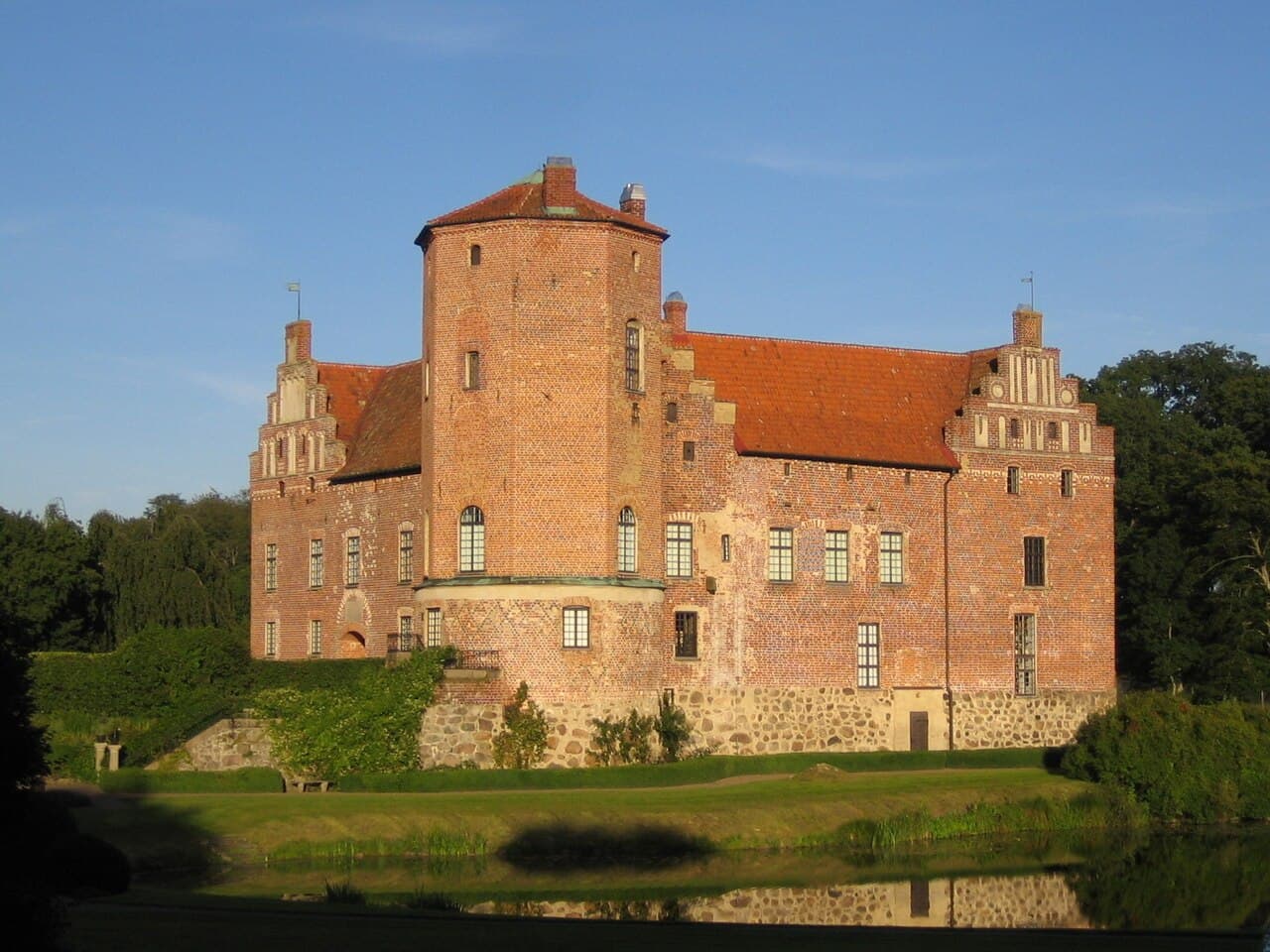
Torup Castle, located in Svedala, Sweden, stands as one of the most remarkable examples of Renaissance architecture among Sweden's historic castles. Completed around 1540, this hill castle was originally constructed by the noblewoman Görvel Fadersdotter (Sparre), a prominent figure in Swedish history. The castle's strategic position on elevated terrain provided both defensive advantages and commanding views of the surrounding landscape, typical of hill castles of its era.

Architectural evolution and restoration

Torup Castle underwent significant restoration and expansion between 1602 and 1630, which shaped the castle into the form visible today. These renovations embraced the Renaissance style, characterized by symmetrical layouts, ornate facades, and classical details that reflected the cultural influences spreading through Europe at the time. The castle's sturdy stone walls, elegant towers, and carefully designed courtyards exemplify the blend of defensive functionality and residential comfort typical of Renaissance noble residences.

The castle's well-preserved state is a testament to the quality of its construction and the care taken by successive owners. Its restored condition allows visitors to appreciate the architectural details and historical ambiance that have been maintained over centuries.

Historical ownership and significance

After its initial construction by Görvel Fadersdotter, Torup Castle passed through the hands of several notable families, including the Stjernblad and Coyet families. These owners contributed to the castle's upkeep and its role as a noble residence in the region. Since 1970, the castle has been owned by the Malmö municipality, which has ensured its preservation and public accessibility.

The tragic 1775 accident

One of the most poignant events in the castle's history occurred on May 21, 1775, when a boating accident on the castle's lake resulted in the drowning of four members of the noble Trolle family: Cornet Fredrich Trolle, his aunt Frederica Harms, and her sisters Brita Sophia Trolle and Elisabeth Augusta Trolle. This tragedy was widely reported across Sweden and remains a somber chapter in the castle's story.

Architectural features and layout

Torup Castle's design reflects the typical Renaissance emphasis on harmony and proportion. The castle complex includes several towers that served both as defensive structures and status symbols. Its courtyards provide open spaces that connect the various wings and halls, facilitating both daily life and ceremonial functions.

The castle's stone walls are robust, designed to withstand sieges and the harsh Nordic climate. Inside, the rooms are arranged to balance practicality with elegance, featuring chambers that were used for living quarters, administrative functions, and social gatherings. The castle's setting near a lake adds to its scenic and strategic value, with water features historically used for defense and leisure.

Cultural heritage and public access

Today, Torup Castle is recognized as a significant cultural heritage site in Sweden. Its preservation by the Malmö municipality ensures that the castle remains accessible to the public, offering visitors a window into Renaissance noble life and Swedish history. The castle hosts various events, exhibitions, and guided tours that highlight its architectural splendor and historical narratives.

Visitors can explore the castle's interiors, admire its architectural details, and learn about the families who shaped its history. The surrounding grounds and lake provide a picturesque setting for cultural activities and leisure, enhancing the castle's appeal as a destination for history enthusiasts and tourists alike.

Visiting information and practical details

While specific visiting hours and ticket prices may vary, Torup Castle is generally open to the public during warmer months, with guided tours available to enrich the visitor experience. The castle's location in Svedala makes it accessible from Malmö and other nearby cities, making it a convenient day trip for those interested in Swedish history and Renaissance architecture.

Accessibility features and visitor amenities continue to be developed to accommodate diverse audiences, ensuring that Torup Castle remains a treasured landmark for generations to come.

Frequently asked questions (FAQ)

How do I get to Torup Castle?
Torup Castle is located in Svedala, Sweden, and is easily accessible by car or public transport. If you're traveling by train, the nearest station is Svedala, from where you can take a short taxi ride to the castle.
What are the opening hours for Torup Castle?
Torup Castle is open to visitors from April to September, typically from 10 AM to 5 PM. However, it's advisable to check the official website for any seasonal variations or special events that might affect opening hours.
Is there an admission fee to visit Torup Castle?
Yes, there is a small entrance fee to visit Torup Castle, which helps maintain the site. Ticket prices are generally affordable, making it accessible for families and groups, and discounts may be available for children and seniors.
When was Torup Castle built?
Torup Castle was originally constructed in the 16th century, with significant renovations taking place in the 18th century. Its rich history is reflected in the architectural styles seen throughout the castle.
Can I take a guided tour of Torup Castle?
Yes, guided tours are available at Torup Castle, providing visitors with in-depth knowledge of its history and architecture. These tours are led by knowledgeable guides who can answer questions and share fascinating stories about the castle.
Why is Torup Castle historically significant?
Torup Castle holds great historical significance as it served as a noble residence and reflects the architectural trends of its time. It is also an important cultural landmark in the region, showcasing Sweden's heritage.
What is the best time to visit Torup Castle?
The best time to visit Torup Castle is during the late spring and summer months when the weather is pleasant and the gardens are in full bloom. Additionally, many events and activities are held during this period, enhancing your experience.
Is Torup Castle accessible for visitors with disabilities?
Yes, Torup Castle is committed to providing accessibility for all visitors. The castle grounds are designed to accommodate those with mobility challenges, and staff are available to assist with any specific needs.
What nearby attractions can I visit while at Torup Castle?
While visiting Torup Castle, you can explore the beautiful surrounding park and nature trails. Additionally, the nearby town of Svedala offers charming shops and cafes for a complete day out.

Photo gallery

Torup Castle
Click to view

Photo by User Jorchr on sv.wikipedia•CC BY-SA 3.0

1 photo • Click any image to view in full screen

Information

Hill Castle

Loading map...

Visitor reviews

No reviews yet. Been here? Write the first review and help other travelers!

Write the first review

Visited this castle? Share your experience

Your review helps other travelers and adds first-hand knowledge to our encyclopedia.

Write a review

(5/5)

0/2000 characters

Your review will be visible after admin approval

Nearby castles

4.7 km

Skabersjö Castle

Svedala, Sweden

Skabersjö Castle is a historic manor located in Svedala, Sweden, with origins tracing back to the 14th century. Initially known as a residence for the Passow and Ulfstrand families, the site has witnessed significant transformations through the centuries. The original moated castle was destroyed by fire in 1523 and subsequently rebuilt by Holger Ulfstand, a notable nobleman of the time. Early history and medieval origins The earliest records of Skabersjö Castle highlight its importance as a fortified residence during the medieval period. The castle's location was strategic, featuring defensive elements typical of the era such as a moat, which provided protection against invaders. The castle served as a noble estate and a local administrative center, reflecting the feudal structure of medieval Sweden. The destruction in 1523 marked a turning point, after which the castle was reconstructed to maintain its status and function. 18th-century reconstruction and architectural features The current appearance of Skabersjö Castle primarily dates from the 18th century, when it was rebuilt into a manor house consisting of a two-storey main building flanked by two wings. This transformation reflects the architectural trends of the post-Renaissance period in Sweden, emphasizing symmetry, proportion, and classical details rather than medieval fortifications. Between 1775 and 1782, the castle underwent extensive restoration under the direction of Governor Tage Thott. This restoration enhanced the manor's structural integrity and aesthetic appeal, updating it to contemporary standards of the late 18th century. The restoration likely included improvements to the interiors and possibly the surrounding gardens or parkland, which were common features of manors of this period. Architectural style and layout Skabersjö Castle is an example of a post-Renaissance manor rather than a traditional medieval fortress. Its design features a symmetrical layout with a central building and two wings, typical of Swedish manor houses of the 18th century. The castle lacks the defensive elements of earlier periods, such as battlements or a functional moat, reflecting its evolution from a military stronghold to a noble residence. The building materials and stylistic details correspond to the architectural preferences of the time, with an emphasis on clean lines, balanced proportions, and classical motifs. The castle’s interiors, while not extensively documented, would have been adapted to the needs of aristocratic living, including reception rooms, private chambers, and service areas. Ownership and current status Today, Skabersjö Castle is owned by the Skabersjö gods AB foundation, which manages the estate. The castle is not generally open to the public but can be visited by appointment, allowing for private tours and events. This controlled access helps preserve the castle’s condition and maintain its historical integrity. The estate surrounding the castle likely includes gardens and parkland, typical of Swedish manors, although detailed descriptions of the grounds are limited. Skabersjö Castle remains a significant cultural landmark in the region, representing centuries of Swedish noble life and architectural evolution. Cultural significance and heritage As a manor with roots in the medieval period and substantial 18th-century modifications, Skabersjö Castle illustrates the transition of Swedish noble residences from fortified castles to elegant manors. Its history reflects broader social and architectural changes in Sweden, including shifts in defensive needs, aristocratic lifestyles, and aesthetic preferences. The castle’s connection to notable families such as the Ulfstand lineage and figures like Tage Thott adds to its historical importance. Preservation efforts by the current foundation ensure that Skabersjö Castle continues to be recognized as part of Sweden’s architectural and cultural heritage.

Post-Renaissance (17th–18th c.)
Details
5.3 km

Klågerup Castle

Klågerup, Sweden

Klågerup Castle, located in Klågerup, Sweden, is a historic estate with origins tracing back to the early 15th century. Initially owned by Peter Spoldener and his son, the estate has witnessed centuries of architectural evolution and local historical events. The castle's history reflects the changing styles and social dynamics of the region, culminating in a significant 19th-century reconstruction that defines its current appearance. Early history and ownership The estate of Klågerup was first recorded in the early 1400s, marking it as a site of importance in the region for over six centuries. The initial ownership by Peter Spoldener and his son established the estate as a notable property in the area. Over the following centuries, the estate changed hands and underwent various modifications, reflective of the architectural and functional needs of its owners. 18th-century restoration and challenges By the 18th century, the buildings on the estate had fallen into considerable disrepair. In 1737, Fredrik Trolle initiated an extensive restoration project aimed at revitalizing the estate's structures. This restoration was crucial in preserving the estate through a period when many similar properties faced neglect or demolition. The efforts undertaken by Trolle ensured that Klågerup remained a significant local landmark. 19th-century reconstruction and architectural style The present main building of Klågerup Castle owes its distinctive appearance to a major reconstruction completed in 1858. This rebuilding was executed in the French Renaissance style, a choice that reflected contemporary tastes and the desire to convey prestige and elegance. The architect responsible for this transformation was Helgo Zettervall, a prominent figure known for his work on numerous Swedish historical buildings. Zettervall's design introduced characteristic elements of the French Renaissance, including symmetrical façades, ornate detailing, and steeply pitched roofs, which remain defining features of the castle today. Helgo zettervall's influence Helgo Zettervall was a leading architect in Sweden during the 19th century, renowned for his restoration and redesign of medieval and Renaissance structures. His work at Klågerup Castle exemplifies his skill in blending historical styles with modern construction techniques of the time. The castle's elegant proportions and decorative features showcase Zettervall's architectural vision and his contribution to Swedish cultural heritage. Historical events: the 1811 peasant riots Klågerup Castle was notably a center of local unrest during the 1811 peasant riots. These riots were part of broader social tensions in Sweden, where rural populations expressed grievances against authorities. The rebellion at Klågerup was quickly suppressed within a few days, but it remains a significant episode in the estate's history, illustrating the social challenges of the period and the castle's role as a focal point in local affairs. Modern use and cultural significance Today, Klågerup Castle serves not only as a historical monument but also as a cultural venue. One of its wings houses a small doll museum, which is open to visitors by appointment only. This museum adds a unique dimension to the castle's public appeal, attracting visitors interested in both history and specialized collections. The castle's preservation and adaptive reuse demonstrate ongoing efforts to maintain its relevance and accessibility. Visitor information and accessibility While the castle itself is a private estate, the doll museum provides a rare opportunity for public engagement. Visitors interested in exploring this collection should arrange visits in advance. The castle's location in Klågerup makes it accessible for day trips from nearby cities, contributing to its role in regional tourism. Architectural features and estate layout Klågerup Castle's architecture is characterized by its French Renaissance style elements, including steep roofs, decorative gables, and symmetrical windows. The estate layout typically includes the main building, several outbuildings, and landscaped grounds. Although detailed descriptions of the interior are limited, the castle's exterior reflects the 19th-century revivalist trends favored by Swedish nobility and architects like Zettervall. Preservation status The castle is currently in a well-preserved condition, maintaining much of its 19th-century architectural integrity. Preservation efforts have ensured that the castle remains a prominent example of French Renaissance revival architecture in Sweden, contributing to the country's cultural and architectural heritage.

Modern (19th–20th c.)
Details
9.4 km
Lindholmen Castle Ruins — Sweden castle

Lindholmen Castle Ruins

Svedala, Sweden

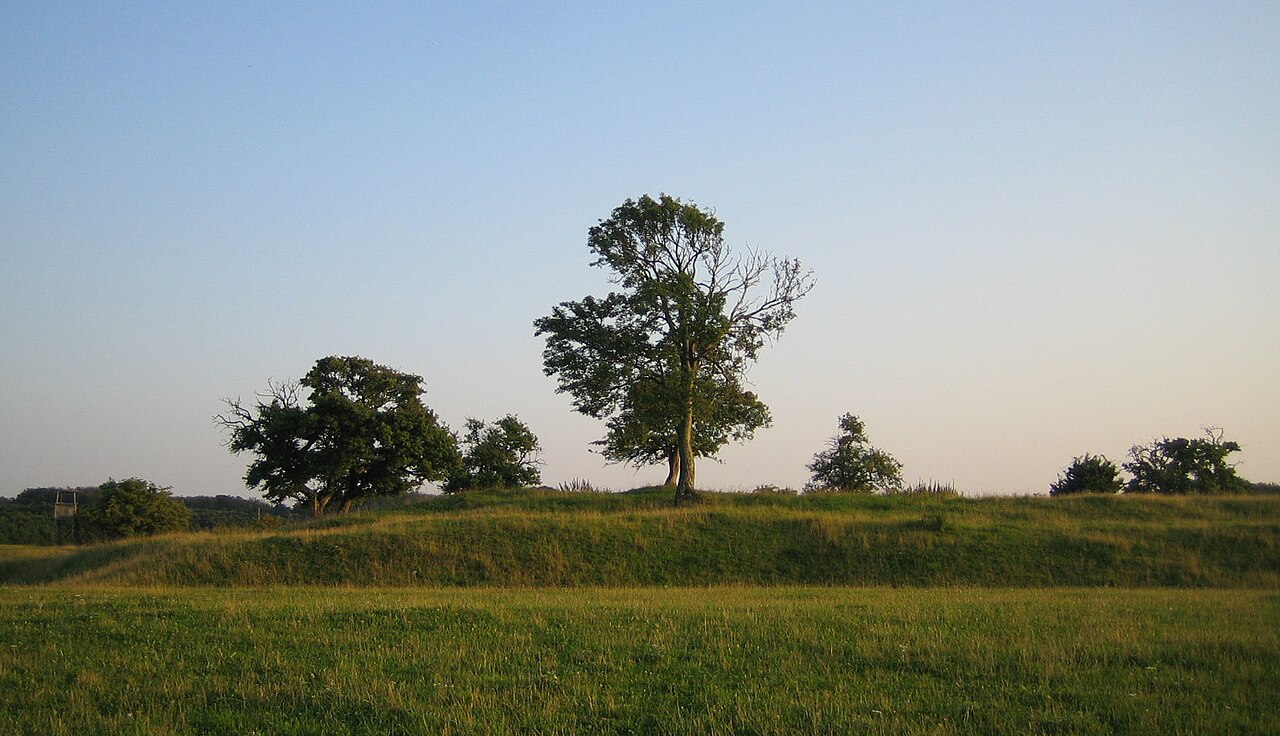
Lindholmen Castle stands as a significant medieval archaeological site located on the banks of lake Börringe in Svedala Municipality, within the historical province of Scania, Sweden. Originally constructed in the 14th century during the Late Medieval period, this castle was a crucial fortification when Scania was part of the Kingdom of Denmark. Though today only grassy mounds and scattered stones mark its location, the castle's historical and architectural importance remains noteworthy. Strategic location and defensive features Lindholmen Castle was strategically positioned on a natural elevation by the lake, surrounded by a small river and extensive marshlands that created natural defensive barriers. The castle was further protected by double moats and strong encircling defensive walls, making it difficult for enemies to approach. These defensive features were typical of Late Medieval fortifications in Scandinavia, designed to withstand sieges and control important waterways and land routes. Historical significance and political role Initially a private stronghold, the castle became royal property in 1339 when it was transferred to King Magnus Eriksson, who ruled Sweden, Norway, and Scania. This transition marked Lindholmen's rise in political importance as a royal fortress. The castle played a pivotal role during the turbulent period of Scandinavian history marked by conflicts between Denmark and Sweden. Imprisonment of king albrecht von mecklenburg One of the most notable episodes in Lindholmen's history was the imprisonment of King Albrecht von Mecklenburg of Sweden. Captured after his defeat at the Battle of Falköping in 1389, Albrecht was held prisoner at Lindholmen for nearly seven years. During this time, the Danish queen, Margaret I of Denmark, effectively ruled Sweden, consolidating her power over the region. Peace negotiations of 1395 In 1395, Lindholmen Castle was the venue for significant peace negotiations between Queen Margaret I and the deposed Swedish king, Albrecht von Mecklenburg. The talks lasted for sixteen days and were attended by numerous nobles and dignitaries, so many that tents had to be erected on the castle grounds to accommodate them. These negotiations were crucial in shaping the political landscape of Scandinavia at the time, reinforcing Margaret's authority. Decline and dismantling Following its prominence in the 14th century, Lindholmen Castle's importance declined during the 15th century. By the 16th century, the castle was deliberately dismantled to provide building materials for the construction of Malmöhus Castle, another major fortress in the region. This practice of repurposing stone from older castles was common in the period and contributed to the loss of many medieval structures. Later ownership and current state After the Treaty of Roskilde in 1658, when Scania was ceded from Denmark to Sweden, the Lindholmen estate, including the adjacent Börringe Abbey, was granted by King Charles X Gustav to his son Gustaf Carlson. During the Swedish crown's reduction policies, the estate reverted to crown property and was subsequently leased out. In 1723, the estates were purchased by Erasmus Clefwe, and by 1827, the combined properties were divided and sold in smaller parcels. Today, Lindholmen Castle exists only as an archaeological ruin, with a grassy mound marking the site of the former castle and a few stones visible on the ground. The site offers valuable insights into medieval fortification techniques and the complex history of Danish-Swedish relations in Scania. Architectural characteristics While no significant structures remain standing, archaeological studies indicate that Lindholmen Castle featured typical Late Medieval defensive architecture with robust stone walls and a layout designed for both defense and residence. The presence of double moats and placement on a natural elevation highlight the strategic considerations in its design. The castle likely included a keep, curtain walls, and gatehouses, common in Scandinavian castles of the period. Cultural and heritage importance Lindholmen Castle is an important cultural heritage site, reflecting the medieval history of Scania and the shifting control between Denmark and Sweden. Its ruins serve as a reminder of the region's complex past and medieval military architecture. The site is accessible to visitors interested in history and archaeology, offering a tangible connection to the events that shaped Scandinavian history.

Late Medieval (14th–15th c.)
Details