Skabersjö Castle
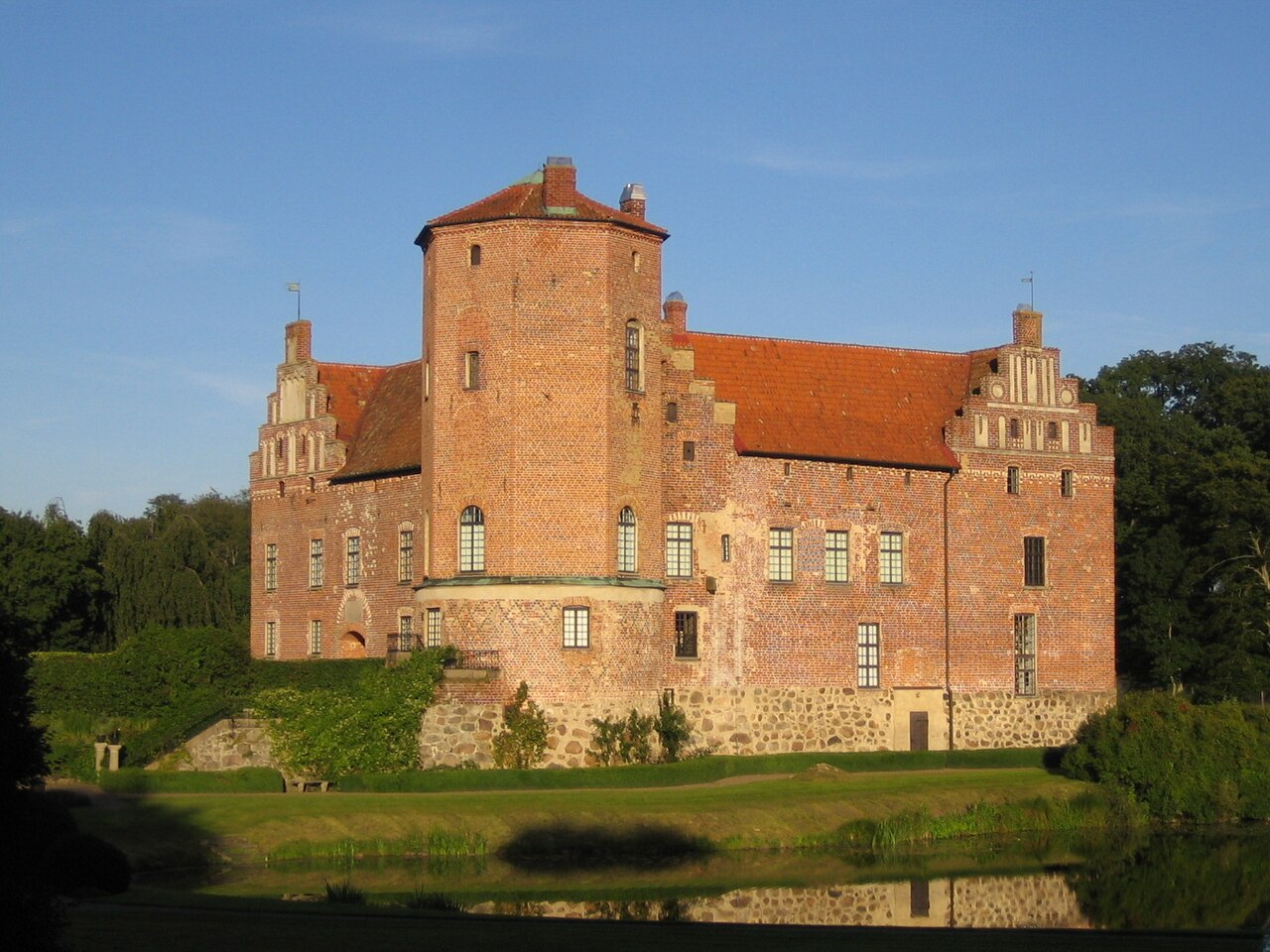
Skabersjö Castle is a historic manor located in Svedala, Sweden, with origins tracing back to the 14th century. Initially known as a residence for the Passow and Ulfstrand families, the site has witnessed significant transformations through the centuries. The original moated castle was destroyed by fire in 1523 and subsequently rebuilt by Holger Ulfstand, a notable nobleman of the time.
Early history and medieval origins
The earliest records of Skabersjö Castle highlight its importance as a fortified residence during the medieval period. The castle's location was strategic, featuring defensive elements typical of the era such as a moat, which provided protection against invaders. The castle served as a noble estate and a local administrative center, reflecting the feudal structure of medieval Sweden. The destruction in 1523 marked a turning point, after which the castle was reconstructed to maintain its status and function.
18th-century reconstruction and architectural features
The current appearance of Skabersjö Castle primarily dates from the 18th century, when it was rebuilt into a manor house consisting of a two-storey main building flanked by two wings. This transformation reflects the architectural trends of the post-Renaissance period in Sweden, emphasizing symmetry, proportion, and classical details rather than medieval fortifications.
Between 1775 and 1782, the castle underwent extensive restoration under the direction of Governor Tage Thott. This restoration enhanced the manor's structural integrity and aesthetic appeal, updating it to contemporary standards of the late 18th century. The restoration likely included improvements to the interiors and possibly the surrounding gardens or parkland, which were common features of manors of this period.
Architectural style and layout
Skabersjö Castle is an example of a post-Renaissance manor rather than a traditional medieval fortress. Its design features a symmetrical layout with a central building and two wings, typical of Swedish manor houses of the 18th century. The castle lacks the defensive elements of earlier periods, such as battlements or a functional moat, reflecting its evolution from a military stronghold to a noble residence.
The building materials and stylistic details correspond to the architectural preferences of the time, with an emphasis on clean lines, balanced proportions, and classical motifs. The castle’s interiors, while not extensively documented, would have been adapted to the needs of aristocratic living, including reception rooms, private chambers, and service areas.
Ownership and current status
Today, Skabersjö Castle is owned by the Skabersjö gods AB foundation, which manages the estate. The castle is not generally open to the public but can be visited by appointment, allowing for private tours and events. This controlled access helps preserve the castle’s condition and maintain its historical integrity.
The estate surrounding the castle likely includes gardens and parkland, typical of Swedish manors, although detailed descriptions of the grounds are limited. Skabersjö Castle remains a significant cultural landmark in the region, representing centuries of Swedish noble life and architectural evolution.
Cultural significance and heritage
As a manor with roots in the medieval period and substantial 18th-century modifications, Skabersjö Castle illustrates the transition of Swedish noble residences from fortified castles to elegant manors. Its history reflects broader social and architectural changes in Sweden, including shifts in defensive needs, aristocratic lifestyles, and aesthetic preferences.
The castle’s connection to notable families such as the Ulfstand lineage and figures like Tage Thott adds to its historical importance. Preservation efforts by the current foundation ensure that Skabersjö Castle continues to be recognized as part of Sweden’s architectural and cultural heritage.
Frequently asked questions (FAQ)
- How do I arrange a visit to Skabersjö Castle?
- Skabersjö Castle is open to visitors by appointment only. To arrange a visit, you should contact the Skabersjö gods AB foundation in advance to schedule a private tour or event.
- What architectural style is Skabersjö Castle known for?
- Skabersjö Castle primarily reflects post-Renaissance architectural characteristics typical of 18th-century Swedish manor houses, emphasizing symmetry and classical details rather than medieval fortifications.
- When was Skabersjö Castle originally built?
- The site of Skabersjö Castle dates back to the 14th century, but the current manor house mainly dates from the 18th century following extensive reconstruction and restoration.
- Is Skabersjö Castle accessible for public tours?
- Yes, Skabersjö Castle is accessible for tours, but only by prior appointment. This allows for controlled visits that help preserve the castle's condition.
- Who was responsible for the major restoration of Skabersjö Castle in the 18th century?
- Governor Tage Thott oversaw the extensive restoration of Skabersjö Castle between 1775 and 1782, updating the manor to the architectural standards of the time.
Information
Opening hours
Open by appointment
Current owner
Skabersjö gods AB foundation
Loading map...
Visitor reviews
No reviews yet. Been here? Write the first review and help other travelers!
Write the first reviewVisited this castle? Share your experience
Your review helps other travelers and adds first-hand knowledge to our encyclopedia.