Torrestrella Castle
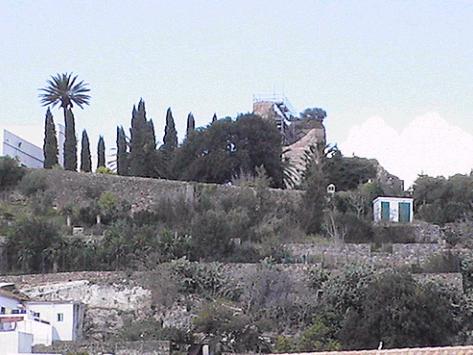
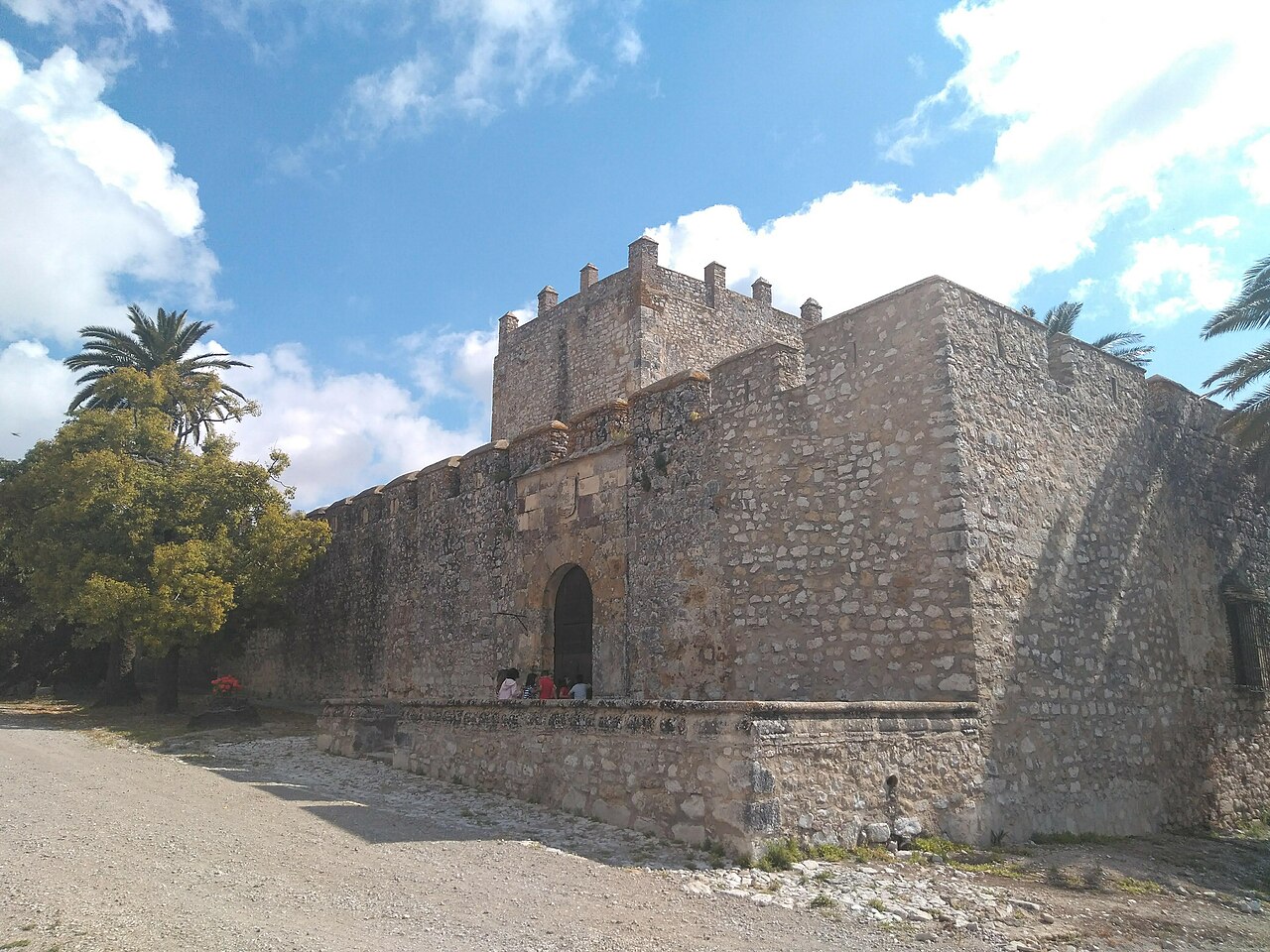
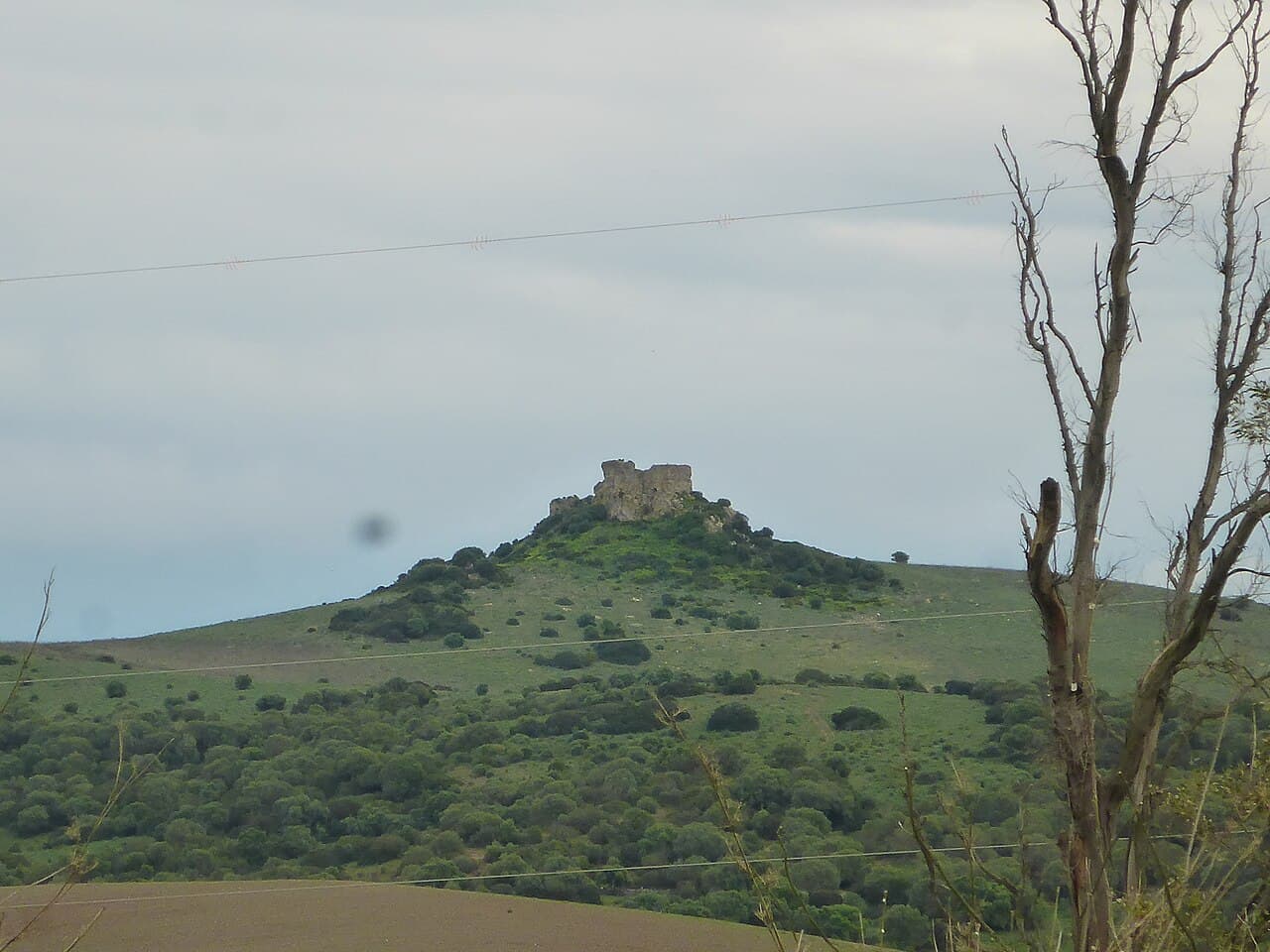
Torrestrella Castle, known in Spanish as Castillo de Torrestrella, is a 13th-century hill castle located on a rocky hilltop overlooking the historic town of Medina-Sidonia in southern Spain. This fortress is a notable example of High Medieval military architecture in the region, built strategically to control the surrounding landscape and important medieval routes.
Historical background and significance
The castle's origins date back to the 13th century, a period marked by intense military and political activity in Andalusia during the Christian reconquest of the Iberian Peninsula. Constructed primarily as a defensive stronghold, Torrestrella Castle played a role in the border conflicts between the Nasrid Kingdom of Granada and the Christian Kingdoms to the north. Its position on a rocky hill provided natural defensive advantages and visibility over the surrounding countryside, essential for early warning and control.
Throughout its history, the castle witnessed various phases of occupation and conflict. By the 18th and 19th centuries, it had fallen into disuse as a formal military fortification and was reportedly used by local bandits, capitalizing on its remote and rugged location for shelter and strategic advantage.
Architectural features and layout
Torrestrella Castle exemplifies the typical characteristics of a hill castle, adapted to the natural topography of the rocky outcrop on which it stands. The castle's design integrates the rugged terrain to enhance its defensive capabilities.
Fortifications and walls
The castle is surrounded by thick, irregular stone walls that follow the contours of the hill, providing a formidable barrier against attackers. These walls incorporate battlements and defensive towers at key points to allow for surveillance and protection. The use of local stone materials contributes to the castle's harmonious blending with the natural environment.
Towers and gates
Several towers punctuate the perimeter, serving both as lookout points and defensive strongholds. The main gate is strategically positioned to control access, typically accessed via a narrow, winding path that would have been easy to defend. The towers likely contained arrow slits and other defensive features typical of 13th-century military architecture.
Interior structures
While much of the castle is now in ruins, remnants of internal buildings such as living quarters, storage areas, and possibly a chapel can still be discerned. These structures would have supported the garrison stationed at the castle and provided essential functions for prolonged defense and habitation.
Later history and cultural importance
After its military use declined, Torrestrella Castle became associated with local folklore and history, particularly due to its use by bandits in the 18th and 19th centuries. This period adds a layer of social history to the site, reflecting the changing nature of power and control in rural Andalusia.
Recognizing its historical and architectural value, the castle was declared a Bien de Interés Cultural (a category of Spanish heritage listing) in 1993. This designation helps protect the ruins and promotes awareness of the site’s significance in Spain's medieval and early modern history.
Visiting Torrestrella Castle
Today, Torrestrella Castle remains a partially preserved ruin accessible to visitors interested in medieval architecture and Spanish history. Its hilltop location offers panoramic views of the surrounding landscape, including the town of Medina-Sidonia and the Andalusian countryside.
Visitors should be prepared for uneven terrain and limited facilities on site. The castle’s remote setting contributes to its atmosphere, providing a tangible connection to the past and the natural environment that shaped its history.
Architectural context and regional heritage
The castle is part of a broader network of medieval fortifications in Andalusia, reflecting the region's turbulent history during the Reconquista. Its hill castle typology is characteristic of military strategies that favored elevation and natural defenses. The castle’s architecture showcases the adaptation of medieval military design to the local geography and the materials available.
Torrestrella Castle stands as a cultural landmark within Medina-Sidonia, contributing to the understanding of medieval military architecture and the historical landscape of southern Spain.
Frequently asked questions (FAQ)
- How do I get to Torrestrella Castle?
- Torrestrella Castle is located near Medina-Sidonia in Andalusia, Spain. Visitors can reach the site by car or local transport, followed by a hike up the hill to the castle ruins.
- What is the historical significance of Torrestrella Castle?
- Built in the 13th century, Torrestrella Castle served as a defensive fortress during the Reconquista and later was used by bandits in the 18th and 19th centuries.
- Is Torrestrella Castle open to the public?
- Yes, the castle ruins are accessible to visitors. However, facilities are limited, and the terrain can be uneven, so appropriate footwear is recommended.
- When is the best time to visit Torrestrella Castle?
- The best time to visit is during spring or autumn when the weather is mild. Summers can be hot, and winters may be chilly and wet.
- Are there guided tours available at Torrestrella Castle?
- Guided tours are not regularly available on site, but local tourism offices in Medina-Sidonia may offer information or arrange visits.
Photo gallery

Information
Current owner
Spanish heritage authorities
Loading map...
Visitor reviews
No reviews yet. Been here? Write the first review and help other travelers!
Write the first reviewVisited this castle? Share your experience
Your review helps other travelers and adds first-hand knowledge to our encyclopedia.