Alcalá de los Gazules Castle
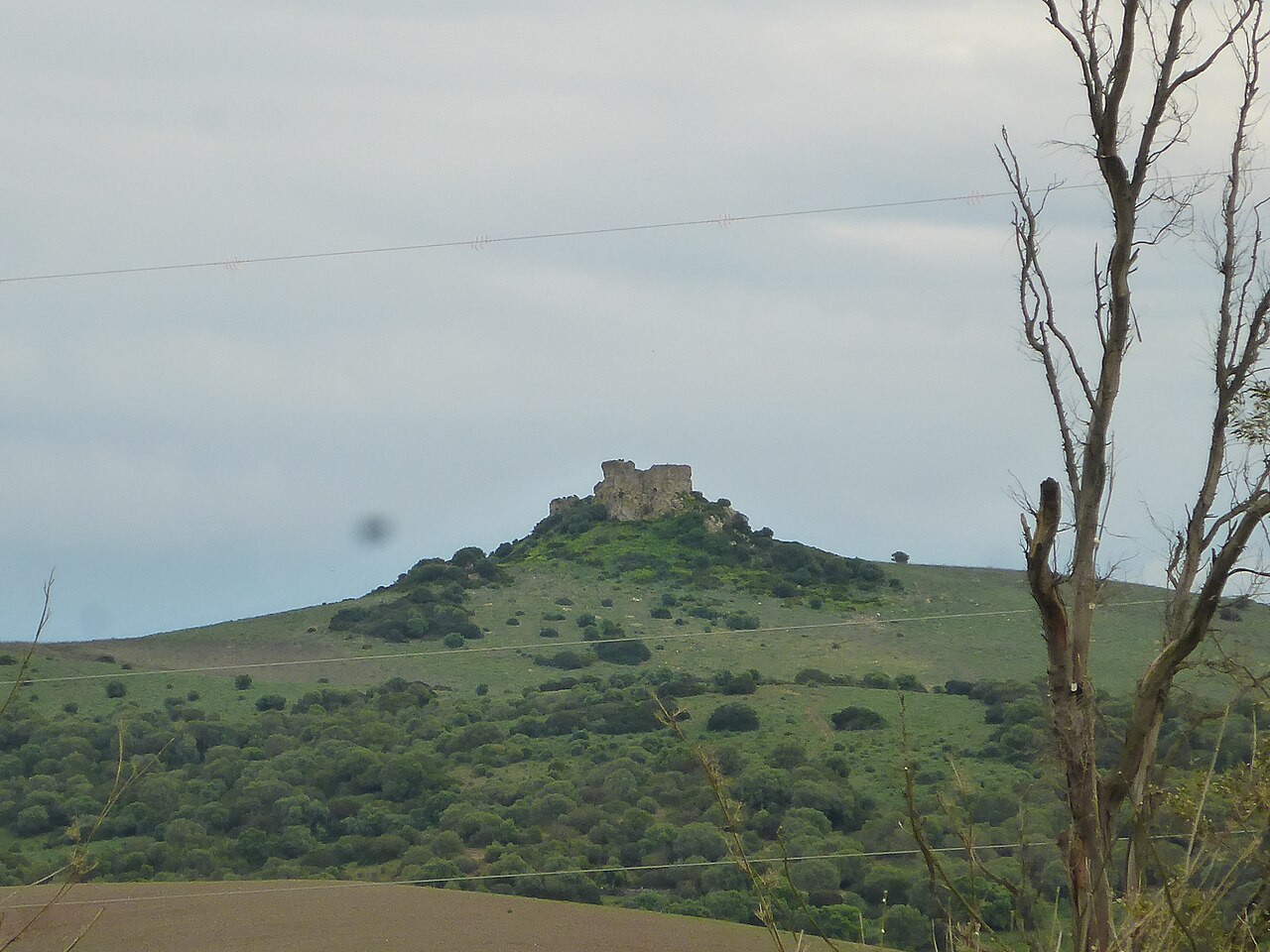
The Castle of Alcalá de los Gazules is a significant 12th-century Moorish fortress situated on a prominent hill overlooking the town of Alcalá de los Gazules in southern Spain. This hill castle was originally constructed during the High Medieval period by Muslim craftsmen under the influence of the Almohad dynasty, reflecting the military architectural styles of that era. Its strategic location provided extensive views over the surrounding landscape, crucial for defense and control during the medieval period.
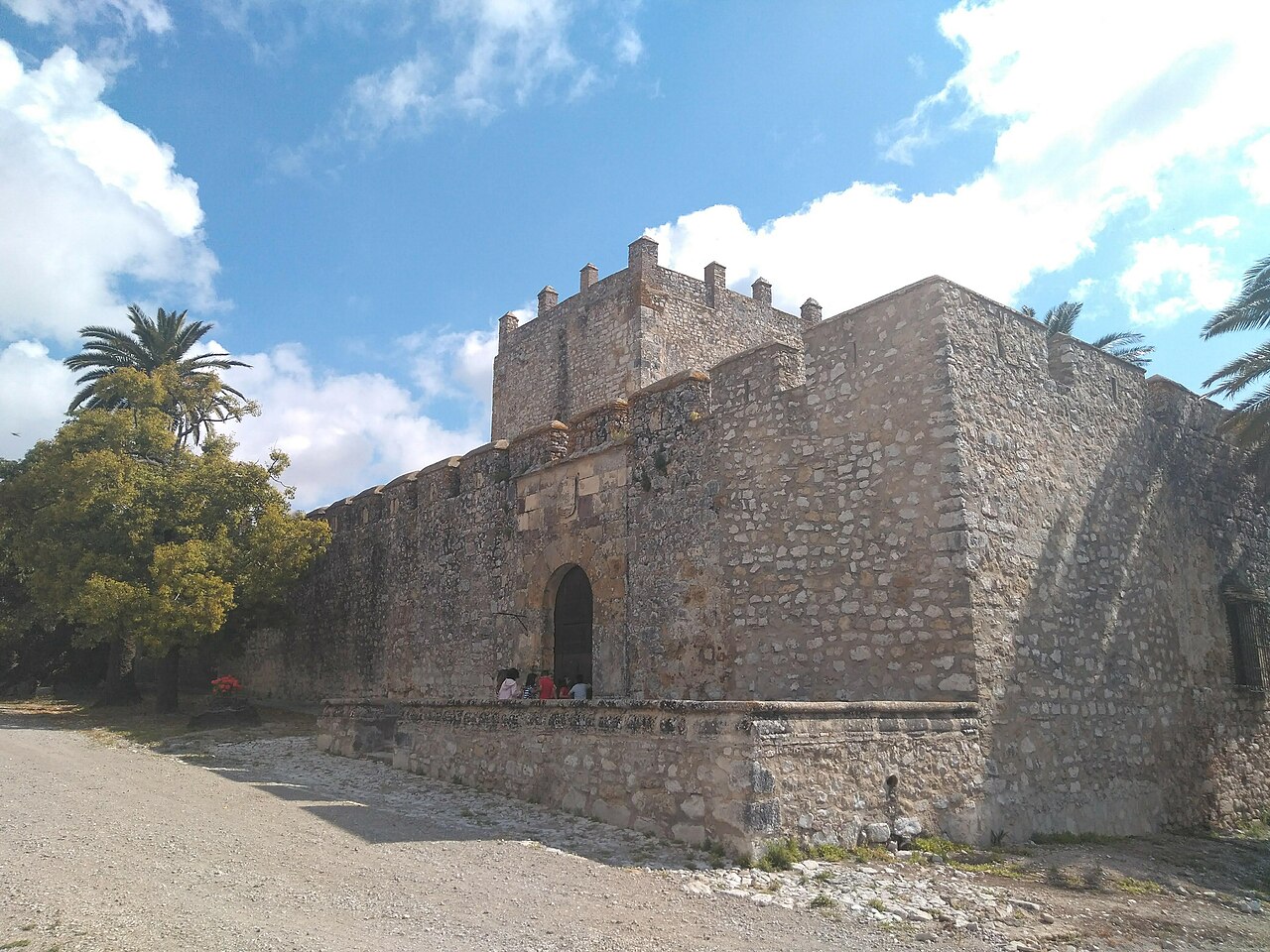
The castle's most notable surviving structure is the Torre del Homenaje (Homage Tower), a rectangular keep with characteristic sloping walls designed to deflect attacks. The tower's interior reveals multiple floors separated by a historic door, with remnants of vaulted ceilings and pointed arches indicating several phases of construction and adaptation. This tower served as the stronghold's central defensive and residential feature.
Historical background and significance
The site of Alcalá de los Gazules has a history that predates the castle itself, with Roman-era settlements established in the area. However, the castle as it stands today was primarily built in the 12th and 13th centuries during the Muslim rule of the Iberian Peninsula. Known then as Qalat at Yazula, the fortress was a fortified enclosure typical of Almohad military architecture, designed to secure control over the region.
Following the Christian Reconquista, the castle was captured in 1264 by King Alfonso X of Castile, known as "the Wise." He renamed the town Alcalá de los Gazules and granted the castle to the Order of Santa María de España, a religious military order. Subsequently, the castle came under the authority of the House of Alcalá, whose leader held the title of Duke of Alcalá, cementing the fortress's role in the Christian feudal system.
Throughout the late medieval and early modern periods, the castle remained a key defensive position. By the late 18th century, it was governed by Alonso Delgado de Mendoza y Pérez de Brea, a knight of the Royal Cavalry Maestranza of Ronda. The fortress continued to play a role in military conflicts, notably during the Peninsular War in the early 19th century. In 1810, the town resisted French occupation, but in 1811, French troops partially destroyed the castle with an explosion as retaliation.
Architectural features and fortifications
The castle complex is enclosed by robust defensive walls typical of Almohad military design, including multiple towers and gates that formed a protective coraza or defensive enclosure. Two main gates, the Villa gate and the Nueva gate, controlled access to the fortress and remain partially preserved, offering insight into the castle's strategic layout.
The Torre del Homenaje is the centerpiece of the castle’s defenses. Its rectangular plan and sloping walls are characteristic of the period’s military architecture, intended to resist siege engines and direct assault. Inside, the tower’s division into three floors with vaulted ceilings and pointed arches reflects the multifunctional use of space for both defense and habitation.
Though much of the castle is now in ruins, the remaining walls and towers allow visitors to appreciate the original scale and complexity of the fortifications. The castle’s elevated position on the hilltop was a deliberate choice to maximize visibility and defensive advantage over the surrounding territory.
Restoration and cultural heritage
In recognition of its historical and cultural importance, the Castle of Alcalá de los Gazules was declared a Bien de Interés Cultural (Cultural Heritage Site) in 1984, with some sources noting official registration in 1993. Restoration efforts began in 2006, focusing on stabilizing the Torre del Homenaje and the surrounding fortifications. These works also included improvements to the access routes, funded by the local provincial council, to facilitate visitor access while preserving the site's integrity.
Modern conservation measures have been sensitive to the castle's historic landscape, including the installation of underground electrical and telecommunication lines to avoid visual disruption. These efforts aim to protect both the physical remains and the surrounding environment, ensuring the castle's preservation for future generations.
Visitor experience and surrounding landmarks
Today, visitors can explore the interior of the Torre del Homenaje from Thursday to Sunday between 11:30 and 14:00. The castle offers panoramic views of the town of Alcalá de los Gazules and the surrounding countryside, providing a tangible connection to the region's medieval past.
Near the castle hill lies the Beaterio de Jesús, María y José, a religious residence and school founded in 1788. This establishment, historically managed by a local religious community, adds to the cultural context of the castle's environs and reflects the area's long-standing religious and social traditions.
While the castle remains partially in ruins, the site is a valuable resource for understanding Almohad military architecture and the complex history of southern Spain during the medieval and early modern periods. Its preservation and restoration contribute to the appreciation of Spain’s diverse cultural heritage.
Frequently asked questions (FAQ)
- When was the castle of Alcalá de los Gazules built?
- The castle was constructed during the 12th century by Muslim craftsmen under the Almohad dynasty, reflecting typical military architecture of that period.
- What is the current condition of the castle?
- The castle is partially preserved, with the Torre del Homenaje (Homage Tower) remaining as the most significant surviving structure, alongside remnants of walls and gates.
- Can visitors enter the castle tower?
- Yes, the interior of the Torre del Homenaje can be visited from Thursday to Sunday between 11:30 and 14:00, allowing visitors to explore the historic keep.
- What historical events affected the castle during the Peninsular War?
- During the Peninsular War, the town resisted French troops in 1810, but in 1811 French forces partially demolished the castle by explosion as retaliation.
- What architectural style characterizes the castle?
- The castle exhibits features of Almohad military architecture, including sloping walls, vaulted ceilings, pointed arches, and fortified gates typical of the High Medieval period.

Information
Website
Visit websiteSources & official resources
Verify the information above using these authoritative references.
Loading map...
Visitor reviews
No reviews yet. Been here? Write the first review and help other travelers!
Write the first reviewVisited this castle? Share your experience
Your review helps other travelers and adds first-hand knowledge to our encyclopedia.