Medina-Sidonia Castle
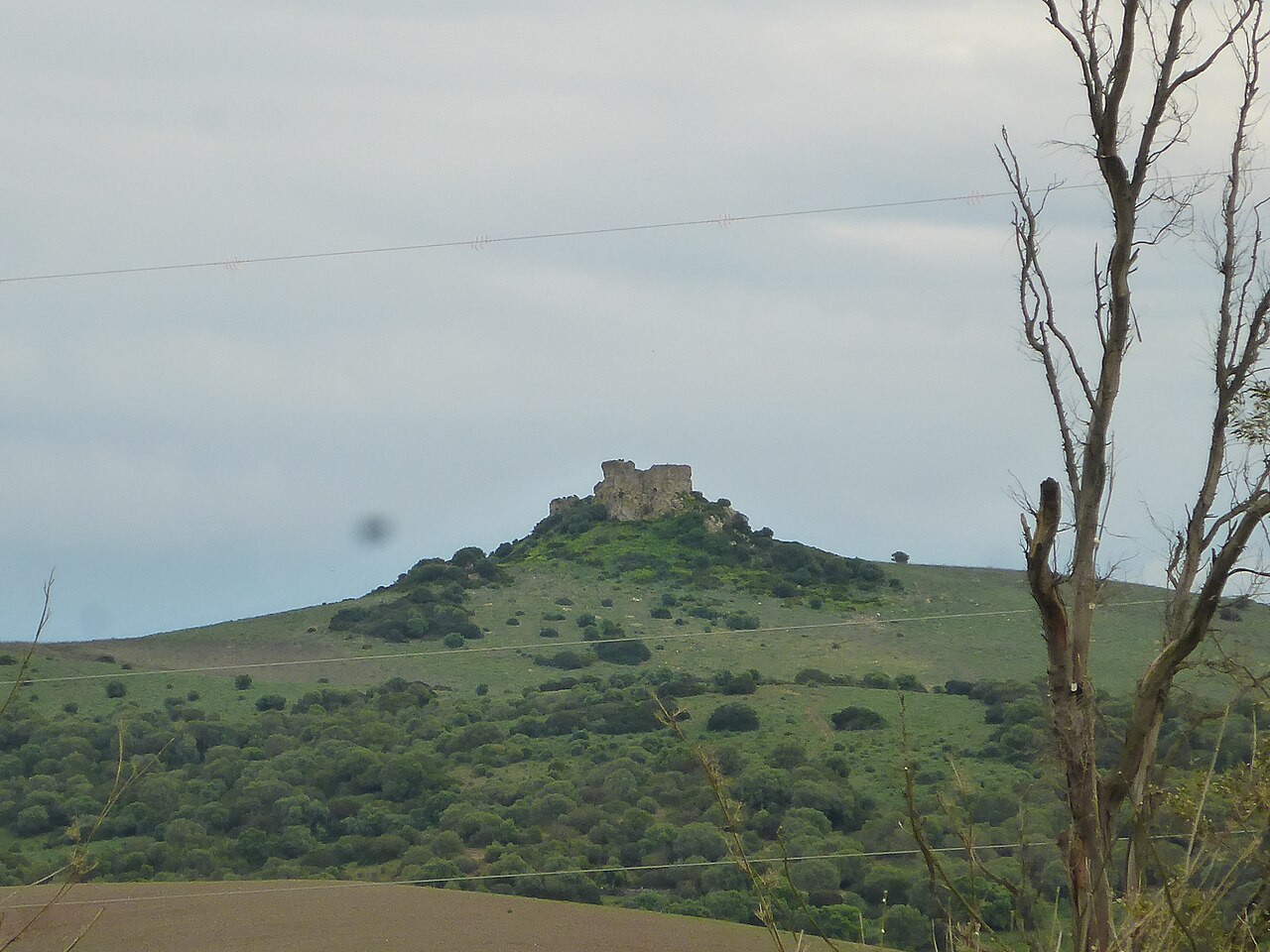
Medina-Sidonia Castle stands prominently on the Cerro del Castillo hill in the town of Medina Sidonia, Spain. This historic fortress embodies a rich and complex history, reflecting the strategic importance of its elevated location overlooking the surrounding landscape. The castle's origins trace back to a Roman castellum, a small fortified military camp established to control the region during Roman rule. This initial fortification laid the foundation for the site's continuous military use through successive civilizations.
In the 11th century, during the period of Islamic governance in the Iberian Peninsula, the Almoravid dynasty transformed the site into an alcázar, a fortified palace typical of Muslim Spain. The Almoravids employed rammed earth construction, compacting layers of soil mixed with pebbles and ceramic fragments, to create extensive walls that enclosed a larger area than the original Roman fortress. This expansion reflected the Almoravids' need for a more substantial defensive complex and residential quarters.
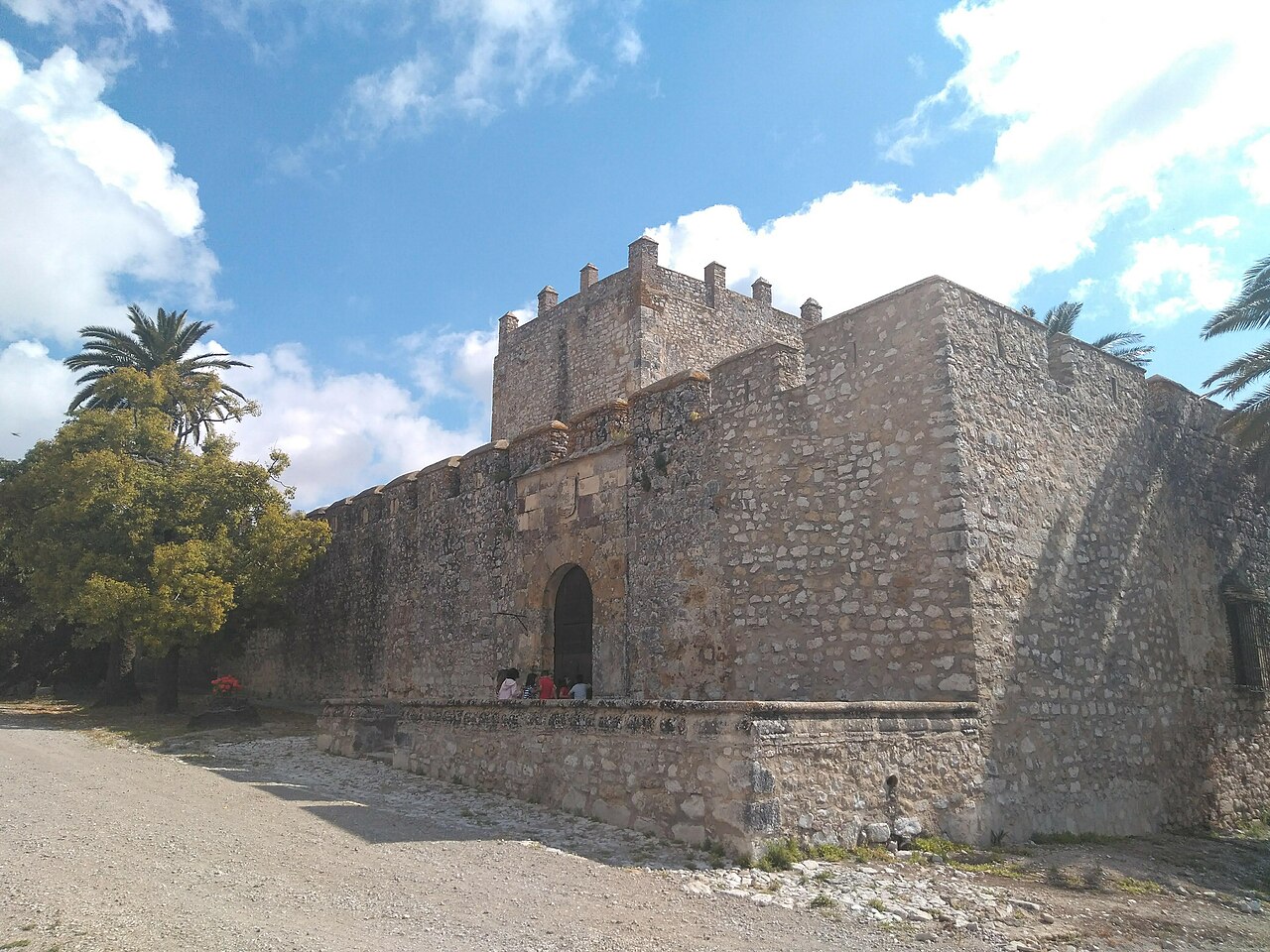
The castle's current visible form largely dates from the 15th century, when Enrique Pérez de Guzmán y Meneses, 2nd Duke of Medina Sidonia, undertook significant construction work. This phase integrated and built upon the earlier Roman and Moorish foundations, resulting in a fortified noble residence characteristic of late medieval military architecture. The castle was designed to serve both as a defensive stronghold and a symbol of ducal power.
Architectural evolution and construction details
Roman castellum foundations
The oldest surviving elements of the castle are the remains of the Roman castellum at the summit of Cerro del Castillo. These include robust walls constructed with ashlar masonry, featuring large, finely cut stone blocks that demonstrate Roman engineering precision. A defensive wall on the eastern side extends over sixty meters and incorporates six small rectangular towers spaced evenly along its length. Two larger quadrangular towers anchor the southern end, likely serving as key defensive bastions.
Almoravid alcázar expansion
The 11th-century Almoravid alcázar expanded the fortress footprint significantly. The surviving walls from this period are notable for their use of rammed earth, a technique that involved compressing a mixture of earth, small stones, and ceramic shards, sometimes stabilized with lime. Archaeological studies confirm these walls date to the Almoravid era, enclosing a much larger area than the Roman castellum and reflecting the architectural styles and military needs of the time.
Late medieval castle construction
The 15th-century castle built by the 2nd Duke of Medina Sidonia incorporated and overlapped the earlier fortifications. While fewer detailed architectural records remain, this phase included strengthening the walls and adapting the complex into a noble residence with defensive features suitable for the late medieval period. The castle's design emphasized both protection and status, with fortified walls, towers, and internal spaces for the duke's household and garrison.
Military use during the peninsular war
In the early 19th century, during the Peninsular War (1808–1814), the castle was occupied by French forces between 1810 and 1812. It served as a military headquarters during the siege of Cádiz and the nearby city of San Fernando. The French adapted the castle's interior by constructing new buildings such as barracks, stables, and kitchens within the existing walls to support their troops. They also partially rebuilt sections of the defensive walls, enhancing the fortress's military functionality for their campaign.
Decline and current condition
Following its military use, the castle gradually fell into disrepair from the late 16th century onward. Local inhabitants quarried stone from the castle ruins for construction projects, including the nearby Church of Santa María la Coronada and the City Hall. This extensive removal of materials contributed to the castle's current ruined condition, with many walls and towers partially collapsed or missing.
Despite this, the site remains an important archaeological and historical landmark. The visible remains allow visitors and scholars to trace the castle's layered history through its Roman, Almoravid, and medieval phases. The surviving structures provide insight into the evolving military architecture and regional history of southern Spain.
Archaeological significance and visitor experience
The archaeological remains of Medina-Sidonia Castle offer a unique glimpse into the successive military and cultural influences that shaped the fortress. The Roman foundations showcase ancient engineering techniques, while the Almoravid walls highlight Islamic construction methods and defensive strategies. The medieval additions reflect feudal power and late medieval fortification trends.
Visitors to the site can explore the ruins scattered across the hilltop, including the Roman walls with their distinctive towers and the rammed earth sections from the Almoravid period. Interpretive signage and guided tours often provide context for the castle's historical phases and its role in regional conflicts such as the Peninsular War.
Medina-Sidonia Castle remains a testament to the strategic importance of hilltop fortifications in Spain's history and the architectural legacy left by diverse civilizations. Its ruins continue to attract historians, archaeologists, and tourists interested in medieval and military architecture.
Frequently asked questions (FAQ)
- How do I get to Medina-Sidonia Castle?
- Medina-Sidonia Castle is located on Cerro del Castillo hill in the town of Medina Sidonia, Andalusia, Spain. It is accessible by local roads and is within walking distance from the town center.
- What is the historical significance of Medina-Sidonia Castle?
- The castle reflects a layered history from Roman, Almoravid, and late medieval periods. It served as a strategic military site and noble residence, notably used during the Peninsular War by French forces.
- When was Medina-Sidonia Castle built?
- The castle's current structure mainly dates from the 15th century, built by Enrique Pérez de Guzmán y Meneses, the 2nd Duke of Medina Sidonia, incorporating earlier Roman and Moorish fortifications.
- Can I visit the ruins of Medina-Sidonia Castle?
- Yes, the castle ruins are open to visitors. While the site is largely in a ruined state, it offers a fascinating archaeological experience with visible remains from multiple historical periods.
- Are there guided tours available at Medina-Sidonia Castle?
- Guided tours are occasionally available, often organized by local heritage groups or the municipality, providing detailed historical context and architectural insights.
Information
Sources & official resources
Verify the information above using these authoritative references.
Loading map...
Visitor reviews
No reviews yet. Been here? Write the first review and help other travelers!
Write the first reviewVisited this castle? Share your experience
Your review helps other travelers and adds first-hand knowledge to our encyclopedia.