Chingizgala
Chingizgala, also known as Jingozgala, is a notable hill castle tower situated in the Jar village within the Zagatala District of Azerbaijan. This tower dates back to the 16th century, placing it within the Renaissance period of architectural development in the region. The structure exemplifies the defensive needs and architectural responses of the time, reflecting the harsh life and turbulent history of the local society that constructed it.
Architectural features and fortification layout
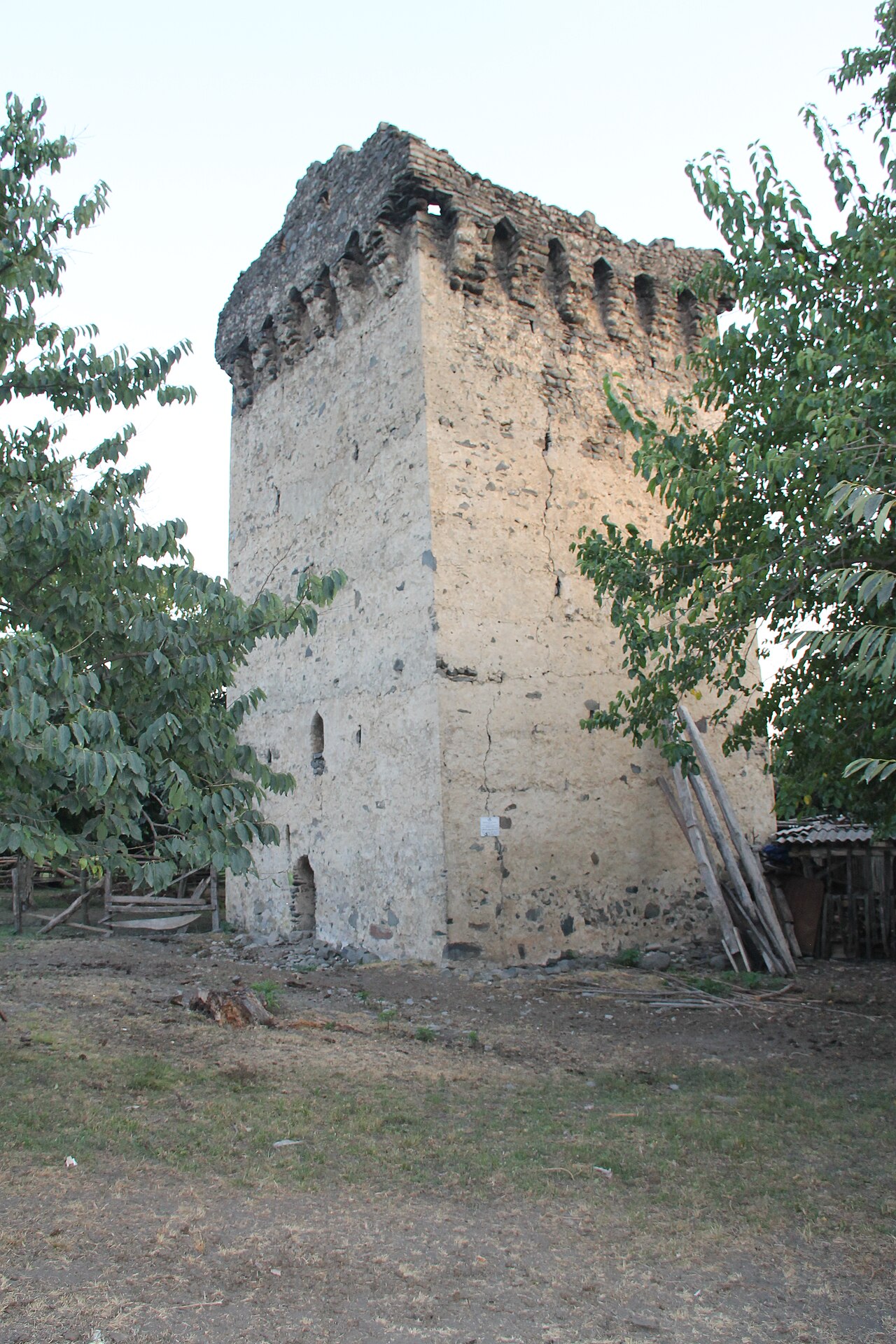
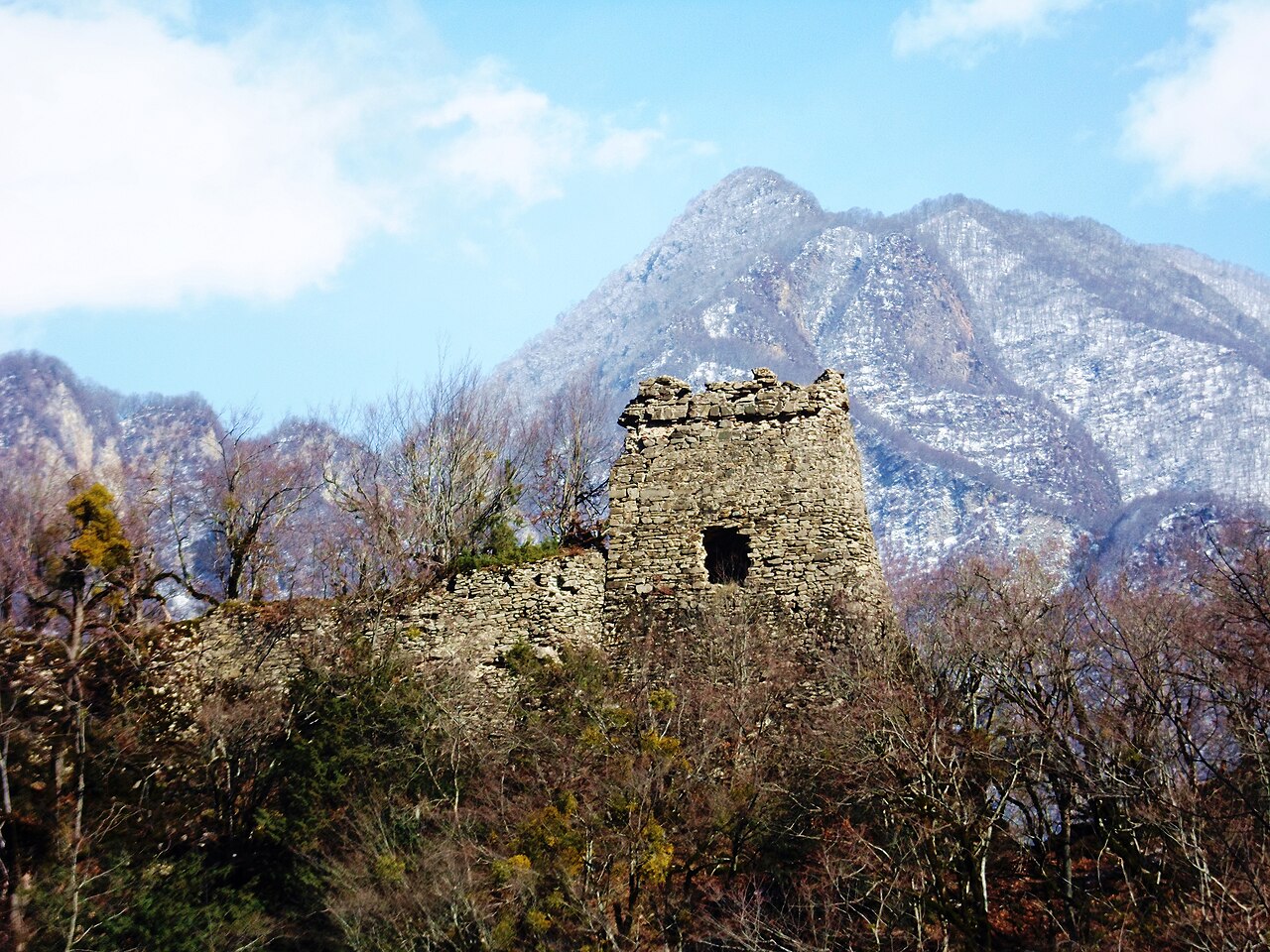
The tower itself represents the best-preserved element of what was once a larger fortified complex. Though much of the surrounding walls have been lost, the remnants suggest that the site was not merely a solitary tower but part of a small fortification. The surviving sections of the walls reveal a defensive perimeter that enclosed the adjacent area, indicating strategic considerations for protection and control.
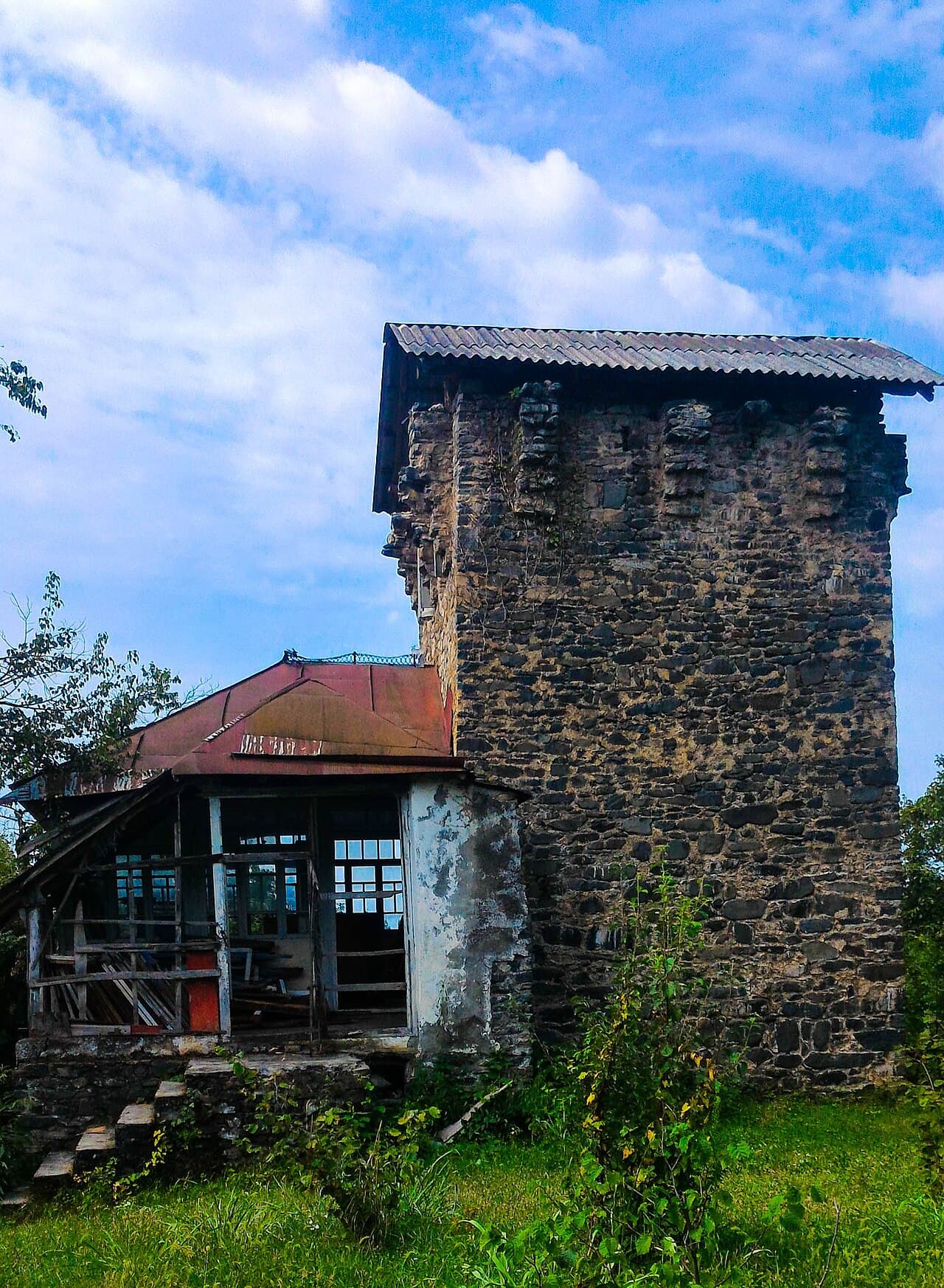
The tower's design emphasizes strength and stability, with robust masonry and a commanding presence overlooking the surrounding landscape. Its location near a road would have provided both a vantage point for surveillance and a means to control movement through the area.
Historical context and significance
Chingizgala's construction in the 16th century places it in a period marked by regional conflicts and shifting powers in the Caucasus. Fortifications such as this tower were essential for local communities to defend themselves against invasions and raids. The architecture reflects practical military needs rather than ornamental design, focusing on durability and defensive capability.
The tower and its adjacent fortification walls illustrate the typical defensive strategies employed in Azerbaijani hill castles during the Renaissance period. These structures served not only as military strongholds but also as symbols of control and territorial presence in a contested landscape.
Later alterations and preservation challenges
During the 20th century, the tower and a nearby house were inhabited, which unfortunately led to some distortion of the original architectural features and the destruction of certain parts of the structure. These modifications have complicated efforts to fully understand and preserve the tower's original form.
Despite these challenges, Chingizgala remains a valuable cultural and historical landmark. Its partially preserved walls and tower provide insight into the defensive architecture of the period and the lifestyle of the communities that relied on such fortifications.
Location and accessibility
Located in the Zagatala District, a region known for its diverse cultural heritage and historical sites, Chingizgala is accessible via local roads. The tower's proximity to the road suggests it was strategically placed for oversight and control of movement through the area.
Visitors to the site can observe the remaining structure and gain an understanding of the military architecture typical of the Renaissance-era hill castles in Azerbaijan. The site offers a tangible connection to the region's historical defensive networks.
Architectural style and typology
Chingizgala is classified as a hill castle, a type of fortress built on elevated terrain to maximize defensive advantage. Its architectural style aligns with the practical and functional characteristics of the Renaissance period fortifications in the Caucasus, focusing on solid construction and strategic positioning rather than elaborate decoration.
The tower's robust masonry, limited openings, and commanding height are typical features designed to withstand sieges and provide surveillance capabilities. These elements reflect the military architecture trends in Azerbaijan during the 16th century.
Preservation status and cultural importance
Currently, Chingizgala is in a partially preserved state, with significant portions of the surrounding walls lost or damaged. The tower itself remains the most intact part of the complex, serving as a key monument for understanding the region's defensive architecture.
Its survival offers valuable insights into the construction techniques and strategic considerations of the time. The site holds cultural importance as part of Azerbaijan's historical heritage, representing the resilience and adaptability of local communities in a historically volatile region.
Frequently asked questions (FAQ)
- How do I get to Chingizgala Castle?
- Chingizgala Castle is located near the village of Chingiz in Azerbaijan. The easiest way to reach the castle is by car, as public transportation options are limited. Local taxi services are also available for a more direct route.
- What is the historical significance of Chingizgala Castle?
- Chingizgala Castle dates back to the 8th century and is believed to have been built for defense against invasions. It showcases the strategic importance of this region during various historical periods, particularly during the rule of the Shirvanshahs. The castle is a testament to the architectural and military prowess of its time.
- When was Chingizgala Castle built?
- Chingizgala Castle was constructed in the 8th century, although its exact date of establishment remains uncertain. The structure has undergone various repairs and restorations over the centuries. Its enduring presence speaks to the historical significance of military architecture in Azerbaijan.
- Can I visit Chingizgala Castle year-round?
- Yes, Chingizgala Castle is open to visitors throughout the year. However, the best time to visit is during the spring and autumn months when the weather is mild and pleasant for exploration. Be sure to check local conditions before your visit.
- Why is Chingizgala Castle popular among tourists?
- Chingizgala Castle is popular due to its rich history, stunning views of the surrounding landscape, and unique architectural features. Visitors are drawn to its impressive stone walls and the chance to explore a piece of Azerbaijan's heritage. The castle offers a glimpse into the past and showcases the resilience of its builders.
- Is it possible to access the castle with limited mobility?
- Access to Chingizgala Castle may be challenging for individuals with limited mobility due to uneven terrain and steep pathways. While there are no specific facilities for accessibility, visitors can enjoy the surrounding area and views from a distance. It's advisable to plan your visit and consider your mobility needs.
- What are the ticket prices for visiting Chingizgala Castle?
- The entrance fee to Chingizgala Castle is quite affordable, typically ranging around 2 to 5 Azerbaijani Manat. This nominal fee contributes to the maintenance of the site and its facilities. Discounts may be available for students and children, so check in advance.
- What are the opening hours of Chingizgala Castle?
- Chingizgala Castle is generally open from 9 AM to 6 PM daily, although hours may vary seasonally. It's recommended to verify the current opening hours before your visit as they may change due to holidays or special events. Early morning visits can provide a quieter experience and breathtaking views.
- Are there any nearby attractions to visit along with Chingizgala Castle?
- Yes, visitors can explore other nearby attractions such as the ancient city of Baku and the Gobustan National Park, famous for its rock carvings. The region is rich in history and culture, offering additional sites that complement your visit to Chingizgala Castle. Consider spending a day exploring the surrounding area to enhance your experience.
Photo gallery

Information
Loading map...
Visitor reviews
No reviews yet. Been here? Write the first review and help other travelers!
Write the first reviewVisited this castle? Share your experience
Your review helps other travelers and adds first-hand knowledge to our encyclopedia.