Torre de la Cebada
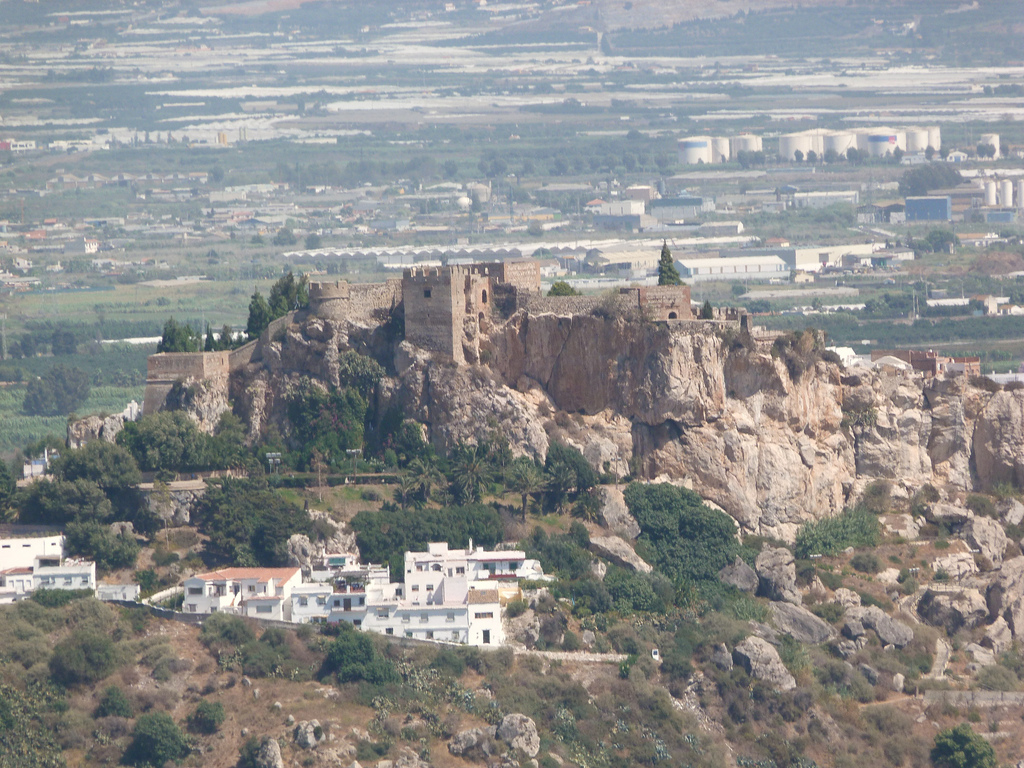
The Torre de la Cebada is a prominent historic watchtower located in Los Guájares, Spain. Constructed in the early 16th century under the direction of Don Diego Hurtado de Mendoza, Count of Tendilla, it was part of a strategic network of fortifications established by the Spanish crown following the conquest of Granada. Its primary role was to oversee and control the approaches from the Alboran Sea, situated between the settlements of Pinos del Valle and Guájar Faragüit. This tower exemplifies the military architecture of the High Medieval period transitioning into the early modern era, blending defensive functionality with regional control.
Historical significance and military role
During its early years, the Torre de la Cebada served as a vital military outpost. In 1526, it was garrisoned by a force of one hundred crossbowmen tasked with protecting the crucial road linking the town to Granada. This road included the challenging terrain of the Cuesta de la Cebada, a steep passage where control was essential for securing communications and movement. The tower was maintained with a dedicated governor and a permanent guard, indicating its strategic importance and the formal military presence it commanded.
The tower’s significance continued into the early 17th century during the second Morisco rebellion. It was occupied by Morisco forces, which prompted a rapid military response led by commanders with a force of three hundred arquebusiers, soldiers armed with early firearms known as arquebuses. This confrontation was documented by the chronicler Luis Mármol de Carvajal, highlighting the tower’s ongoing tactical value in regional conflicts.
On May 9, 1607, the tower’s lookouts spotted a fleet of approximately forty to fifty enemy ships near Motril. This early warning enabled prompt defensive measures in Motril, including the closure of city gates and the construction of three new watchtowers to strengthen coastal defenses. However, over the centuries, the tower’s military role diminished as the importance of the route it overlooked declined.
By the mid-19th century, the construction of a new road to the Costa Granadina via Béznar reduced the strategic value of the old path. Consequently, the tower’s surrounding area became primarily agricultural, with the old route serving local traffic.
Architectural features and structural details
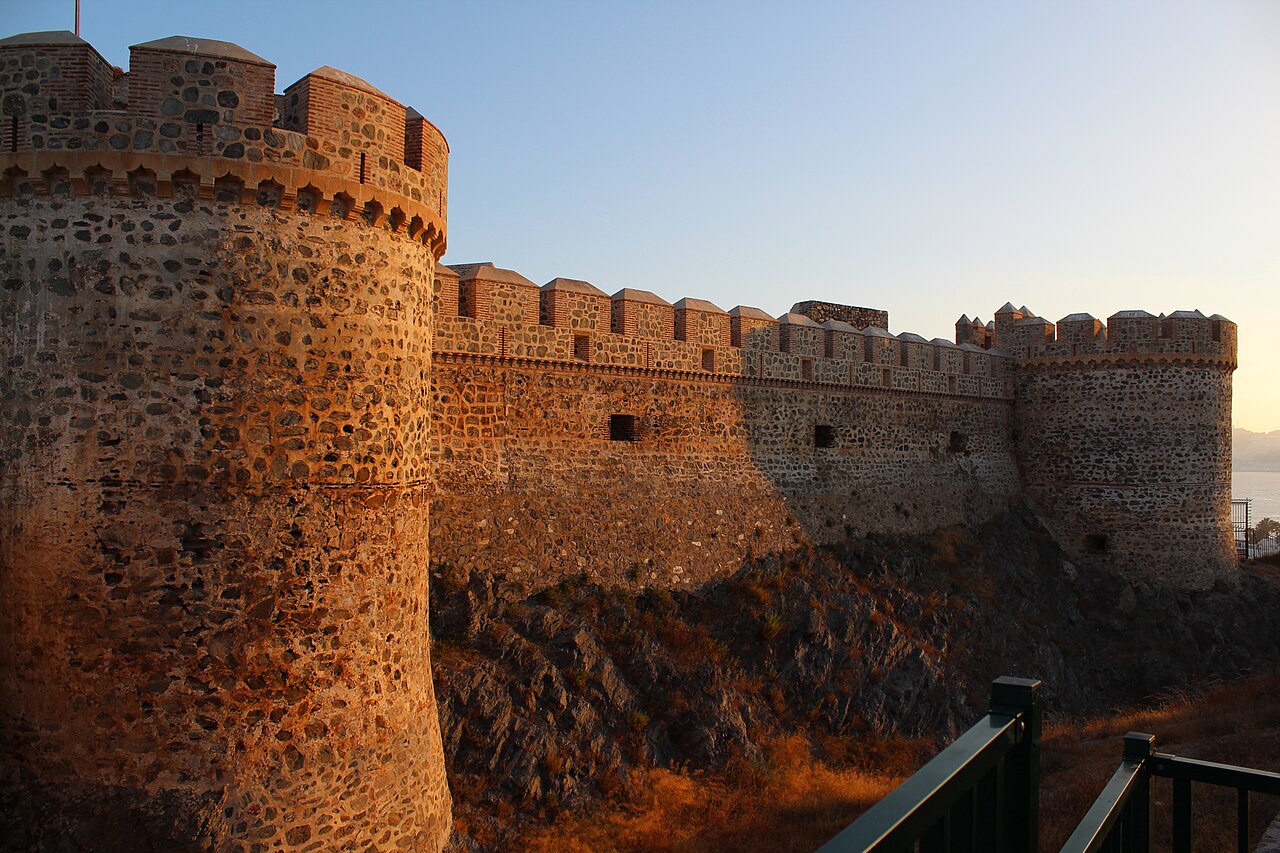
The Torre de la Cebada as it stands today is largely a 20th-century reconstruction that incorporates remnants of the original 16th-century watchtower. The structure is characterized by a square design divided into two main sections. The principal hall measures approximately 11 meters on each side, rising to a height of about 6.5 meters. This hall is divided at ground level by an arch and topped with a crenellated terrace, featuring battlements with alternating merlons and crenels designed for defense.
Attached to the southeast corner of the main building is a smaller tower, standing 9.5 meters tall with a footprint of roughly 4.8 meters per side. The walls of the complex are notably thick, nearly one meter, constructed from masonry. The base of the walls features an ataluz, an outward sloping plinth that reinforces the structure and protects against erosion and attacks. The tower is painted in a distinctive deep red ochre color called almagre, making it a striking landmark visible across the landscape.
In front of the tower’s north facade lie the remains of a large rectangular cistern, locally known as an aljibe. This water storage feature was essential for collecting and preserving rainwater, supporting the tower’s inhabitants during extended periods of occupancy in a challenging environment. The presence of the cistern illustrates the practical adaptations made to sustain the tower’s military and residential functions.
Preservation and cultural heritage
The Torre de la Cebada has been legally protected as a historic monument since the 1949 decree and under the 1985 Spanish Historical Heritage Law. The regional government of Andalusia further recognized its cultural significance by granting it special status in 1993. Despite suffering damage to the surrounding landscape, including the nearby Venta de la Cebada, during a forest fire in September 2022, the tower itself remains a preserved symbol of the region’s military past.
Its condition today reflects a blend of original 16th-century masonry and early 20th-century reconstruction efforts. The tower’s survival and continued recognition underscore its role as a heritage site that connects modern visitors with Spain’s complex history of conquest, rebellion, and coastal defense.
Location and strategic setting
Situated on a hilltop, the Torre de la Cebada commands a strategic vantage point overseeing the approaches from the Alboran Sea. Its position between the towns of Pinos del Valle and Guájar Faragüit allowed it to monitor key routes and provide early warnings of maritime threats. This location was critical during the turbulent years following the Reconquista and into the early modern period, when controlling access to Granada and the surrounding territories was vital for maintaining Spanish authority.
Defensive landscape and access routes
The tower’s oversight of the Cuesta de la Cebada road highlights its role in controlling one of the steep and challenging passages leading to Granada. This control was essential for military logistics and trade. The later decline in this route’s importance following the construction of alternative roads reflects broader changes in regional infrastructure and economic patterns.
Historical context in the reconquest and morisco rebellions
The Torre de la Cebada was built shortly after the conquest of Granada in 1492, during a period when the Spanish crown sought to consolidate control over newly acquired territories. The watchtower was part of a broader network designed to secure the frontier against potential incursions and to monitor the movements of the Morisco population, descendants of Muslims who had converted to Christianity.
During the Morisco rebellions of the early 17th century, the tower’s occupation by Morisco forces and the subsequent military response illustrate the ongoing tensions and conflicts in the region. The use of arquebusiers in the retaking of the tower reflects the evolving nature of warfare, with early firearms playing a significant role in these engagements.
Architectural style and construction techniques
The tower’s original construction reflects the utilitarian military architecture of the High Medieval to early modern period, emphasizing robust defensive features such as thick masonry walls, a crenellated terrace, and an ataluz base for stability. The use of local materials and the distinctive almagre pigment for the exterior finish demonstrate regional building traditions and aesthetic choices.
The early 20th-century reconstruction preserved these key architectural elements while adapting the structure for preservation and visibility. The square plan and the attached smaller tower are typical of watchtowers built for surveillance and defense along important routes and coastal approaches.
Visitor information and accessibility
While the Torre de la Cebada is primarily a historic monument rather than a fully restored tourist site, it remains accessible to visitors interested in military architecture and Spanish history. Its location offers panoramic views of the surrounding Andalusian landscape, including the Mediterranean coastline.
Visitors can explore the exterior and appreciate the tower’s architectural features and the remains of the aljibe. The site’s protected status ensures ongoing preservation efforts, although access inside the tower may be limited due to safety considerations.
Nearby towns such as Pinos del Valle and Guájar Faragüit provide additional cultural and historical context for visitors, with local museums and heritage sites that complement the tower’s story.
Frequently asked questions (FAQ)
- What is the historical significance of Torre de la Cebada?
- Torre de la Cebada is a significant medieval castle located in Los Guájares, Spain. It served as a strategic defense point during various historical conflicts and has a rich history tied to the region's cultural heritage.
- When was Torre de la Cebada built?
- Torre de la Cebada was constructed in the 16th century, reflecting the architectural styles and defensive needs of that era. Its enduring structure offers insight into the military history of southern Spain.
- What are the opening hours for visiting Torre de la Cebada?
- Torre de la Cebada is typically open to visitors from 10 AM to 6 PM, Tuesday through Sunday. It is advisable to check for any seasonal variations or special closures before planning your visit.
- Can I access Torre de la Cebada with a wheelchair?
- The accessibility of Torre de la Cebada may vary, as the castle is situated on elevated terrain. Visitors are encouraged to contact local tourism services for detailed information regarding wheelchair access and accommodations.
- Is it possible to take guided tours of Torre de la Cebada?
- Yes, guided tours are available for those interested in a more in-depth exploration of Torre de la Cebada's history and architecture. These tours often provide valuable insights from knowledgeable guides, enhancing the overall experience.
- What is the best time to visit Torre de la Cebada?
- The best time to visit Torre de la Cebada is during the spring and fall months when the weather is milder and more pleasant for exploring. These seasons also see fewer crowds, allowing for a more enjoyable experience.
- Are there any nearby attractions to visit while at Torre de la Cebada?
- Yes, visitors to Torre de la Cebada can explore nearby attractions such as the charming villages of Los Guájares, known for their beautiful landscapes and local culture. Additionally, the proximity to natural parks provides opportunities for hiking and outdoor activities.
- What are the ticket prices for Torre de la Cebada?
- Ticket prices for Torre de la Cebada are generally affordable, with discounts available for students and seniors. It's best to check the official website or local tourism information for the most current pricing and any special offers.
Information
Website
Visit websiteSources & official resources
Verify the information above using these authoritative references.
Loading map...
Visitor reviews
No reviews yet. Been here? Write the first review and help other travelers!
Write the first reviewVisited this castle? Share your experience
Your review helps other travelers and adds first-hand knowledge to our encyclopedia.