Salobreña Castle
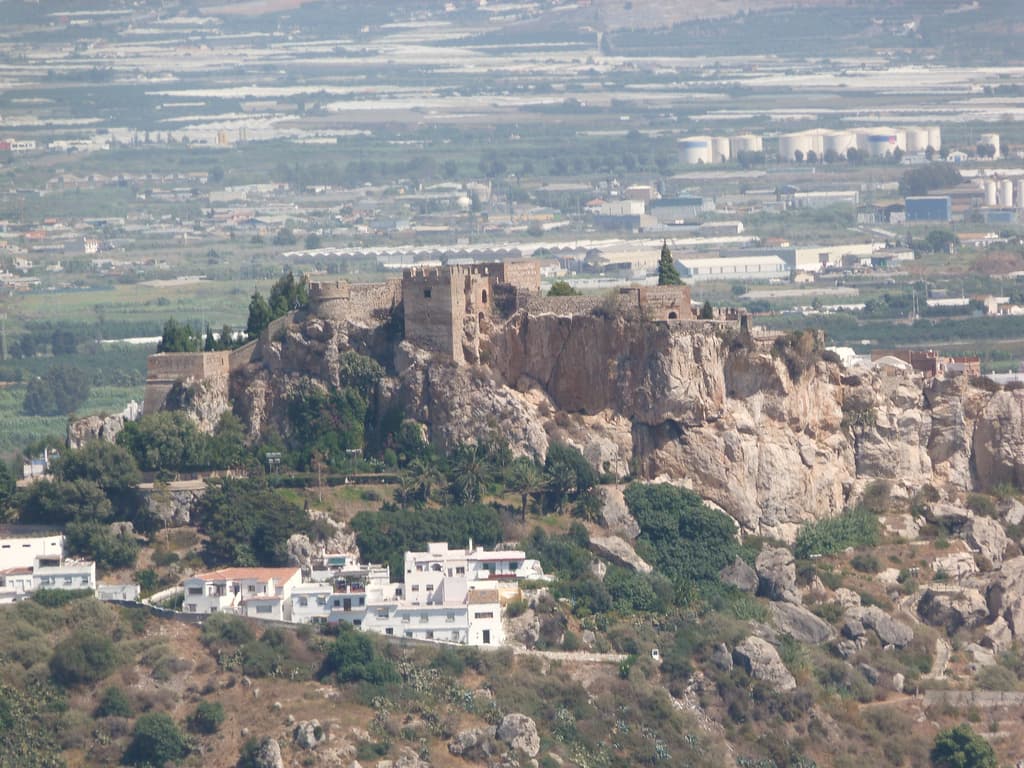
Salobreña Castle, located in the town of Salobreña in the province of Granada, Spain, is a remarkable example of a Nasrid dynasty hill castle dating back to the 10th century. This fortress stands on a prominent hill overlooking the Mediterranean Sea and the fertile plains below, offering commanding views of the surrounding landscape including the nearby mountain ranges and the distant Sierra Nevada. Its strategic location made it a vital defensive and residential site during the late medieval period.
Historical background and significance
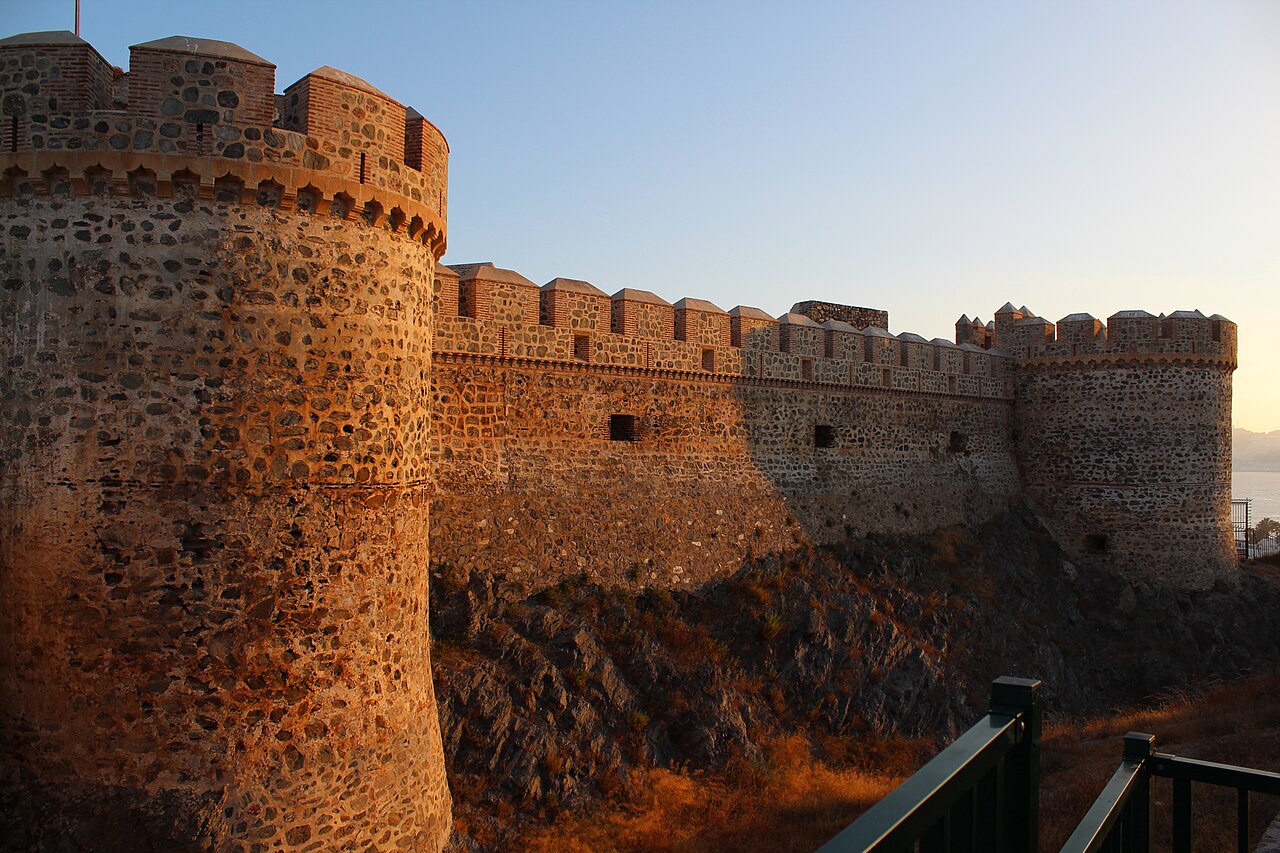
The origins of Castillo de Salobreña trace back to the early medieval period, specifically the 10th century, when initial fortifications were established in this coastal area. The castle's current form, however, largely reflects the architectural and military developments of the Nasrid dynasty, the last Muslim rulers of the Emirate of Granada, who controlled the region from the 13th to the 15th centuries. The Nasrids extensively rebuilt and expanded the castle, transforming it into a robust fortress with a trapezoidal layout and four defensive towers.
During the 14th and 15th centuries, Salobreña Castle gained significant importance as a strategic military stronghold and a royal summer residence. It was also used as a prison for politically sensitive detainees, including several Nasrid sultans such as Yusuf III, Muhammad VIII, Muhammad IX, and Sa'd, who were confined there during periods of dynastic conflict and upheaval.
Architectural features and layout
The castle is characterized by its trapezoidal shape, which provides an efficient defensive configuration adapted to the hilltop terrain. It features four towers positioned at key points along the perimeter, enhancing its ability to surveil and defend against attacks. The fortress includes three distinct enclosures:
- The innermost enclosure contains the remains of the Nasrid palace, which served as the residential quarters for the monarchs and their court during the summer months.
- The two outer enclosures were later additions from the late 15th century, reflecting Castilian military architecture following the Christian reconquest. These extensions were primarily defensive, designed to strengthen the castle's fortifications against evolving siege technologies.
The internal spaces are complemented by refreshing gardens that surround the architectural volumes, creating a contrast between the fortress's military function and its role as a royal residence.
Towers and defensive structures
The four towers of Salobreña Castle are integral to its defense system. They enabled defenders to cover all approaches with overlapping fields of fire. The towers also served as lookout points, from which the urban network of Salobreña, the fertile plains, and the Mediterranean coastline could be observed. This panoramic visibility was crucial for early warning and control over the surrounding territory.
Later history and cultural importance
Following the fall of the Nasrid kingdom in 1492, the castle underwent modifications under Christian rule, particularly with the addition of the two outer defensive enclosures. These changes illustrate the transition in military architecture from Islamic to Castilian styles and the castle's continued strategic relevance during the early modern period.
Today, Salobreña Castle is recognized as a Bien de Interés Cultural monument, a designation it received in 1993, underscoring its cultural and historical significance within Spain's heritage. The castle's preservation allows visitors to explore a site that embodies centuries of military, political, and residential history.
Visiting Salobreña Castle
Visitors to Salobreña Castle can explore its well-preserved towers, walls, and gardens while enjoying sweeping views of the Mediterranean and the surrounding landscape. The castle's location provides a unique vantage point to appreciate the historical urban fabric of Salobreña and the natural beauty of the Granada coastline. The site offers insight into the complex history of the Nasrid dynasty and the subsequent Christian reconquest of Andalusia.
Architectural style and construction period
The castle exemplifies Nasrid Islamic military architecture with later Castilian Renaissance modifications. It was primarily constructed in the 10th century with significant expansions during the Nasrid period in the 14th and 15th centuries, reflecting a blend of medieval Islamic and early Renaissance defensive styles.
Strategic location and landscape context
Perched on a hill overlooking the Mediterranean, Salobreña Castle's location was chosen for its natural defensive advantages and its control over maritime and land routes. The castle's elevated position allowed for surveillance of the coastline and the fertile agricultural plains below, vital for the sustenance and security of the kingdom.
Preservation and current condition
Salobreña Castle is currently classified as well preserved, with significant portions of its walls, towers, and internal structures intact. Restoration efforts have maintained the castle's historical integrity, enabling it to serve as a cultural landmark and tourist attraction.
Frequently asked questions (FAQ)
- How do I get to Salobreña Castle?
- Salobreña Castle is located in the charming town of Salobreña, Spain. You can reach the castle by walking up from the town center, which offers beautiful views of the surrounding area. Parking is available nearby, but be prepared for some uphill walking.
- What is the historical significance of Salobreña Castle?
- Salobreña Castle, originally built in the 10th century, is a testament to the Moorish influence in Andalusia. It played a crucial role in the region's defense during the Reconquista and offers insights into the architectural styles of that period. The castle's history is rich, making it a key landmark in understanding the cultural shifts in southern Spain.
- When was Salobreña Castle built?
- Salobreña Castle was constructed in the 10th century during the period of Muslim rule in Spain. It was strategically positioned to oversee the surrounding lands and the Mediterranean Sea. Over the centuries, it has undergone various modifications reflecting changes in architectural styles.
- Can I visit Salobreña Castle year-round?
- Yes, Salobreña Castle is open to visitors throughout the year, although opening hours may vary seasonally. It is advisable to check the official website or local tourist information for the most current visiting hours before planning your trip. The castle’s stunning views make it a popular destination in every season.
- Why is Salobreña Castle a popular tourist attraction?
- Salobreña Castle is popular for its breathtaking panoramic views of the Mediterranean Sea and the Sierra Nevada mountains. Its historical significance and well-preserved architecture attract history enthusiasts and casual visitors alike. The castle also serves as a cultural venue for events, adding to its appeal.
- Is it possible to access all areas of Salobreña Castle?
- While many parts of Salobreña Castle are accessible to visitors, some areas may have restricted access due to preservation efforts. Visitors can explore the main pathways and enjoy the scenic views, but certain sections may not be suitable for those with mobility challenges. It's recommended to check for any accessibility information before your visit.
- What are the best times to visit Salobreña Castle?
- The best times to visit Salobreña Castle are during the spring and fall when the weather is mild and pleasant. Summer can be quite hot, making the ascent to the castle less enjoyable. Early mornings or late afternoons are ideal for avoiding crowds and experiencing the castle at its most serene.
- What are the ticket prices for Salobreña Castle?
- Admission to Salobreña Castle is generally inexpensive, making it an affordable option for visitors. Ticket prices may vary for adults, children, and seniors, so it’s best to check the official website for the latest information. Discounts may also be available for groups or during special events.
- What are the opening hours for Salobreña Castle?
- Salobreña Castle typically opens in the morning and closes in the early evening, but specific hours can change seasonally. It’s recommended to verify the current opening hours on their official website before your visit. This ensures you have ample time to explore the castle and enjoy the views.
Photo gallery

Information
Loading map...
Visitor reviews
No reviews yet. Been here? Write the first review and help other travelers!
Write the first reviewVisited this castle? Share your experience
Your review helps other travelers and adds first-hand knowledge to our encyclopedia.