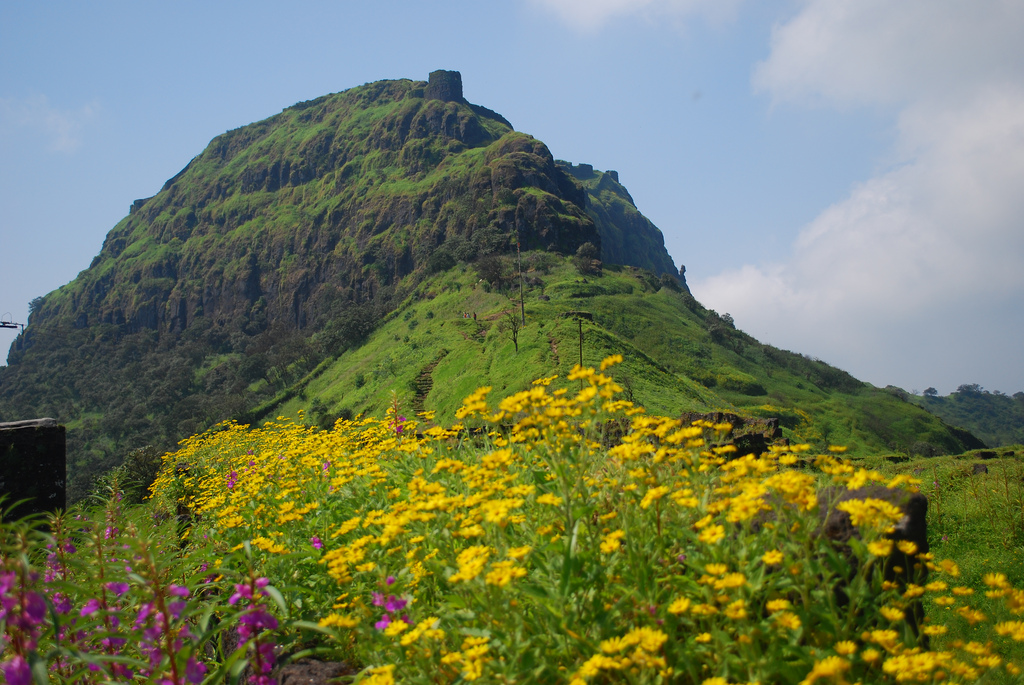
Torna Fort, also known as Prachandagad, stands as a monumental example of hill fort architecture in the Pune district of Maharashtra, India. This imposing fortification is historically celebrated as the first fort captured by the legendary Chhatrapati Shivaji Maharaj in 1646, marking a significant milestone in the establishment of the Maratha Empire. At an elevation of 1,403 metres (4,603 feet) above sea level, it is the highest hill fort in the district, commanding expansive views of the surrounding landscape.
Historical significance and early history
The fort's original name, Prachandagad, derives from the Marathi words "Prachanda," meaning huge or massive, and "gad," meaning fort, underscoring its formidable size and strategic importance. Torna Fort's history predates Shivaji's capture, with evidence suggesting it was a stronghold under various rulers due to its commanding vantage point and natural defenses. Its capture by Shivaji Maharaj at the young age of 16 was a pivotal event that laid the foundation for his military campaigns and the eventual rise of the Maratha Empire.
Architectural features and fortifications
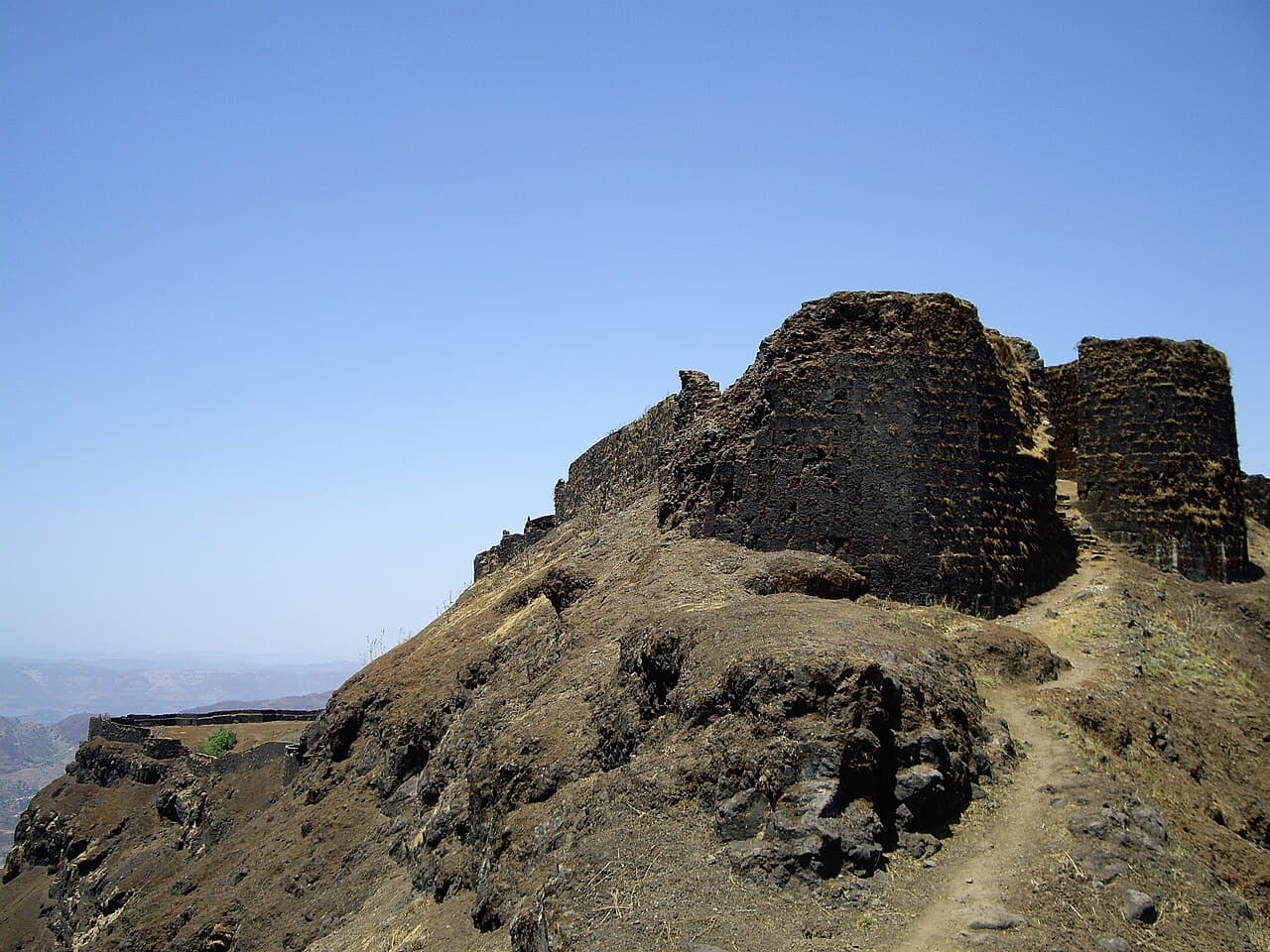
Torna Fort is classified as a bastioned fortress, a style characterized by strong defensive walls reinforced with bastions—projecting structures that allow defenders to cover adjacent walls with gunfire. The fort's design takes full advantage of its elevated position atop a hill, integrating natural rock formations with man-made fortifications to create a nearly impregnable defense system.
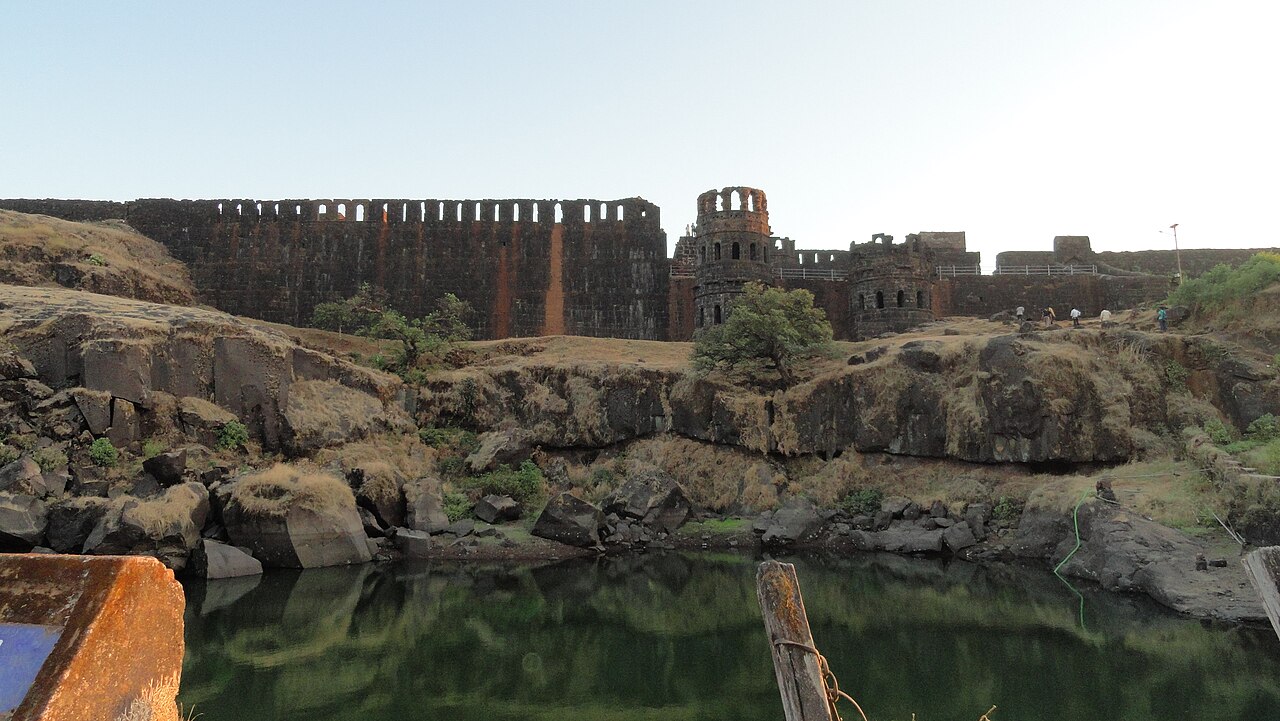
walls and bastionsThe fort's walls are constructed from locally sourced stone, thick and high, designed to withstand sieges and artillery attacks common in the 17th century. The bastions are strategically placed to provide overlapping fields of fire, protecting the main entrances and vulnerable sections of the fort. These bastions also served as platforms for cannons and other artillery, enhancing the fort's defensive capabilities.
Gates and entryways
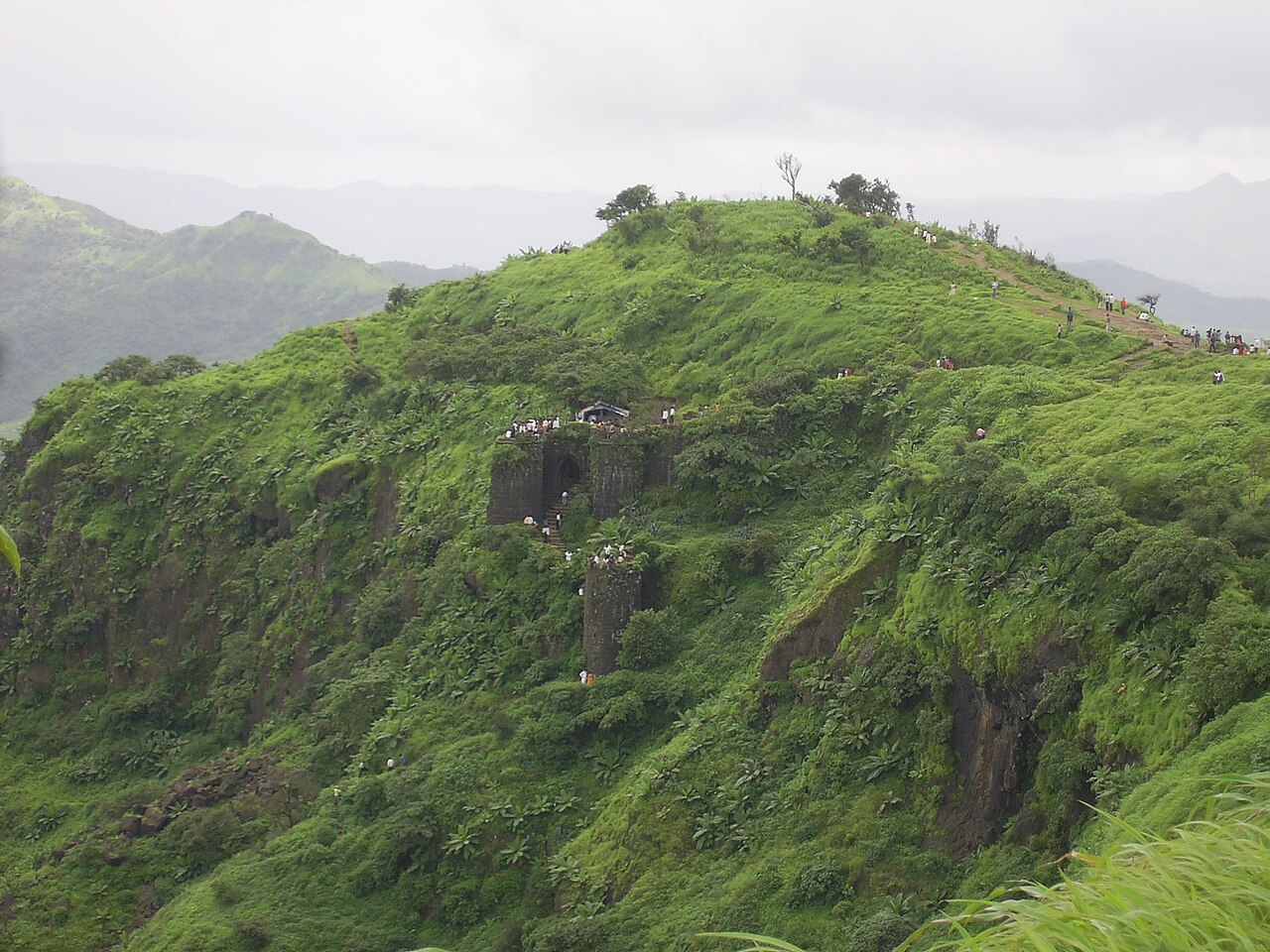
Access to Torna Fort is controlled through a series of fortified gates, each designed to slow down and expose attackers. The main gate is heavily fortified with strong wooden doors reinforced with iron spikes, a common defensive feature in Indian hill forts. The approach to the fort involves steep, winding paths that further hinder enemy advancement.
Internal structures
Inside the fort, remnants of various structures hint at its former role as a military and administrative center. These include the ruins of barracks, water tanks, granaries, and temples, which provided essential services to the garrison and inhabitants. The presence of water tanks is particularly notable, as they ensured a reliable water supply during sieges.
Strategic location and natural defenses
Situated on the Sahyadri mountain range, Torna Fort benefits from natural defenses such as steep cliffs and dense forests. Its height offers a commanding view over the surrounding region, allowing early detection of approaching enemies. The fort's location also enabled control over important trade routes and communication lines, adding to its strategic value.
Cultural and heritage importance
Torna Fort remains a symbol of Maratha pride and resilience. It attracts historians, trekkers, and tourists interested in exploring its rugged terrain and rich history. The fort's association with Shivaji Maharaj enhances its cultural significance, making it a site of pilgrimage and historical education.
Trekking and tourism
The fort is a popular trekking destination, offering challenging trails through diverse terrain. Visitors can explore the fort's ruins while enjoying panoramic views of the Western Ghats. Efforts to preserve the fort have helped maintain its structural integrity, allowing for safe exploration.
Preservation status
Currently, Torna Fort is in a partially preserved state, with ongoing conservation efforts aimed at protecting its walls and internal structures. The fort is managed by local authorities and heritage organizations committed to maintaining its historical and architectural legacy.
Frequently asked questions (FAQ)
- How do I get to Torna Fort?
- Torna Fort is located approximately 50 kilometers from Pune, India. The best way to reach the fort is by car or taxi, as public transportation options are limited. You can also opt for a guided trek, which provides an adventurous way to explore the scenic surroundings.
- What is the historical significance of Torna Fort?
- Torna Fort, also known as Prachandagad, was built in the 13th century and is renowned for its strategic location. It played a vital role in the Maratha Empire and served as a base for Chhatrapati Shivaji Maharaj during his early battles. The fort's rich history is reflected in its architecture and the remains of various structures.
- When was Torna Fort built?
- Torna Fort was constructed in the 13th century, making it one of the oldest forts in the region. It was initially built by the Bahmani Sultanate and later captured by Shivaji Maharaj in 1645. This fort has since been an important landmark in the history of Maharashtra.
- Can I visit Torna Fort year-round?
- Yes, Torna Fort is open for visitors throughout the year. However, the best time to visit is from October to February when the weather is cool and pleasant. During the monsoon season from June to September, the fort can be slippery and challenging to navigate.
- Why is the architecture of Torna Fort unique?
- The architecture of Torna Fort showcases the typical style of Maratha forts, featuring massive stone walls and intricate carvings. The fort's design is well-suited for defense, with strategic placements for watchtowers and gateways. Visitors can also see remnants of temples and water cisterns that highlight the fort's historical importance.
- Is it possible to hike to Torna Fort?
- Absolutely! Hiking to Torna Fort is a popular activity for adventure enthusiasts. The trek takes around 2-3 hours and offers breathtaking views of the surrounding landscapes, making it a rewarding experience for nature lovers.
- What are the ticket prices for visiting Torna Fort?
- There is no entry fee to visit Torna Fort, making it accessible for all visitors. However, if you hire a local guide for the trek, there may be charges associated with their services. It’s advisable to bring cash for any additional expenses during your visit.
- What are the opening hours of Torna Fort?
- Torna Fort is open to visitors from sunrise to sunset. This allows ample time for exploration and photography, especially in the morning and late afternoon when the lighting is ideal. Make sure to plan your visit accordingly to enjoy the fort's beauty.
- Are there any nearby attractions to explore after visiting Torna Fort?
- Yes, there are several nearby attractions worth visiting, including the Bhira Dam and the picturesque village of Rajgad. Both locations offer beautiful landscapes and historical significance, enhancing your overall experience in the region. Don't miss the chance to explore more of the Sahyadri mountain range while you're in the area.
Photo gallery

Information
Loading map...
Visitor reviews
No reviews yet. Been here? Write the first review and help other travelers!
Write the first reviewVisited this castle? Share your experience
Your review helps other travelers and adds first-hand knowledge to our encyclopedia.