Sinhagad
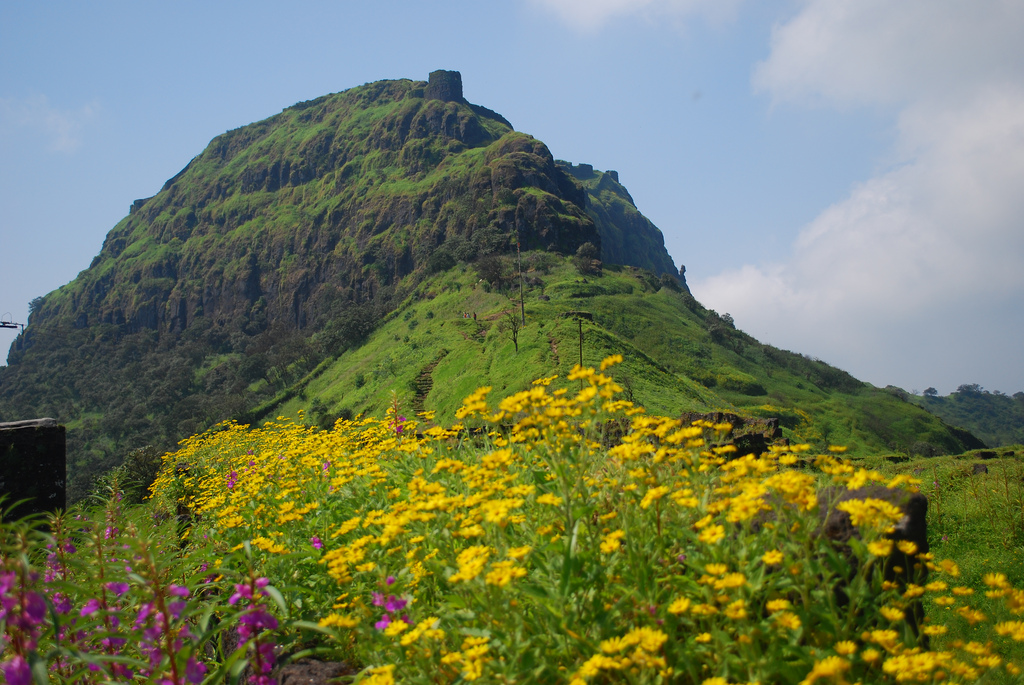
Sinhagad, also known as the Lion's Fort, is a prominent hill fortress located approximately 28 kilometres southwest of Pune in the Indian state of Maharashtra. The fort, originally named Kondhana, stands atop one of the highest peaks in the Pune region, at an elevation of around 1300 meters (4265 feet). Its strategic location made it a vital military outpost throughout history, particularly during the 17th century.
The fort's most famous historical event is the Battle of Sinhagad in 1670, where the Maratha warrior Tanaji Malusare led a daring night assault to recapture the fort from the Mughal forces. This battle is celebrated in Maratha history for its bravery and strategic importance in consolidating the Maratha Empire under Chhatrapati Shivaji Maharaj.
Historical significance and military architecture
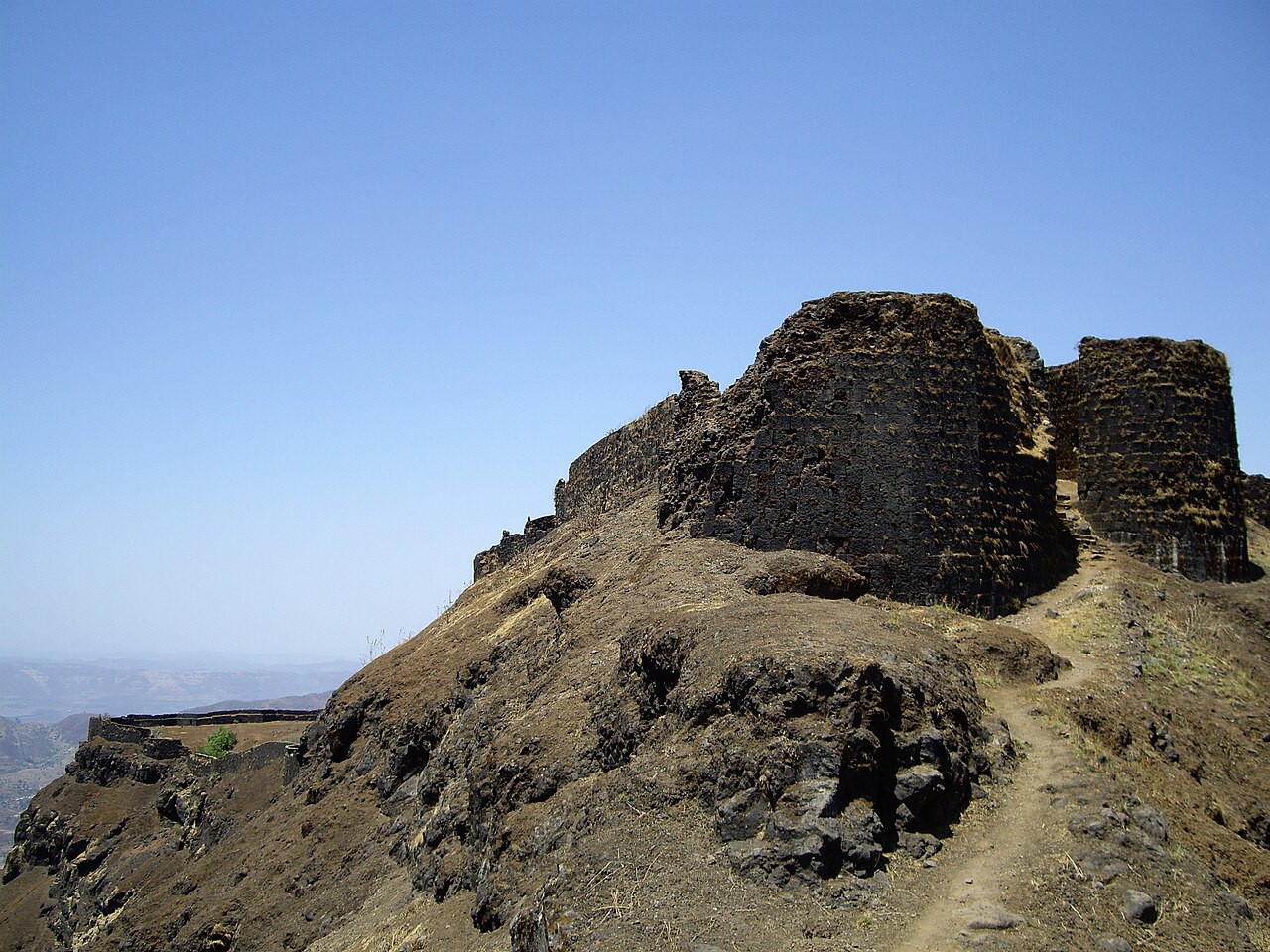
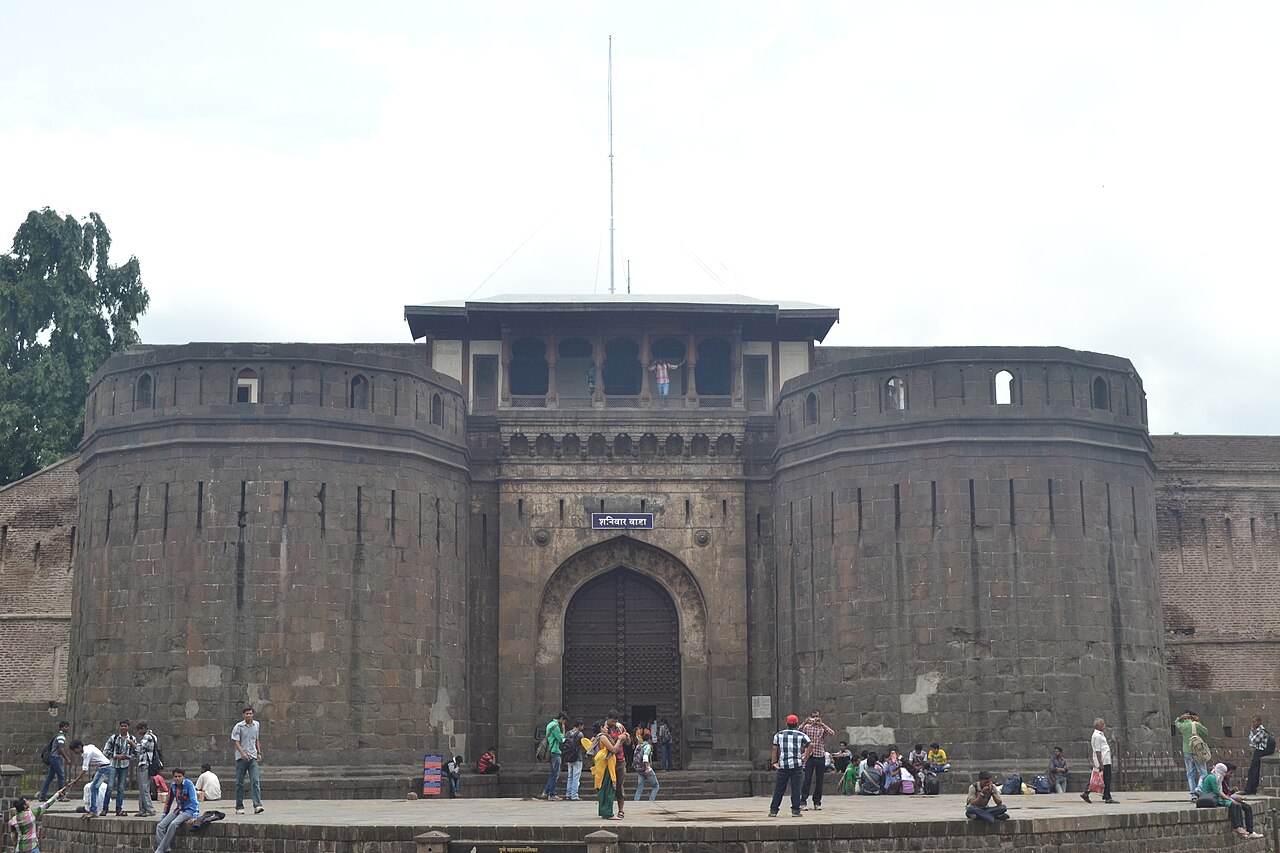
Sinhagad's architecture reflects its role as a bastioned fortress designed to withstand sieges and attacks. The fort features robust stone walls reinforced with bastions at key points, providing vantage points for archers and artillery. The entrance is guarded by a series of gates, including the main gate known as the Kalyan Darwaza, which is fortified with heavy wooden doors and iron spikes to resist battering.
The fort complex includes several watchtowers, barracks, and water cisterns carved out of the rock to store rainwater, crucial for sustaining the garrison during sieges. The presence of a deep moat around parts of the fort further enhanced its defensive capabilities.
Geographical setting and access routes
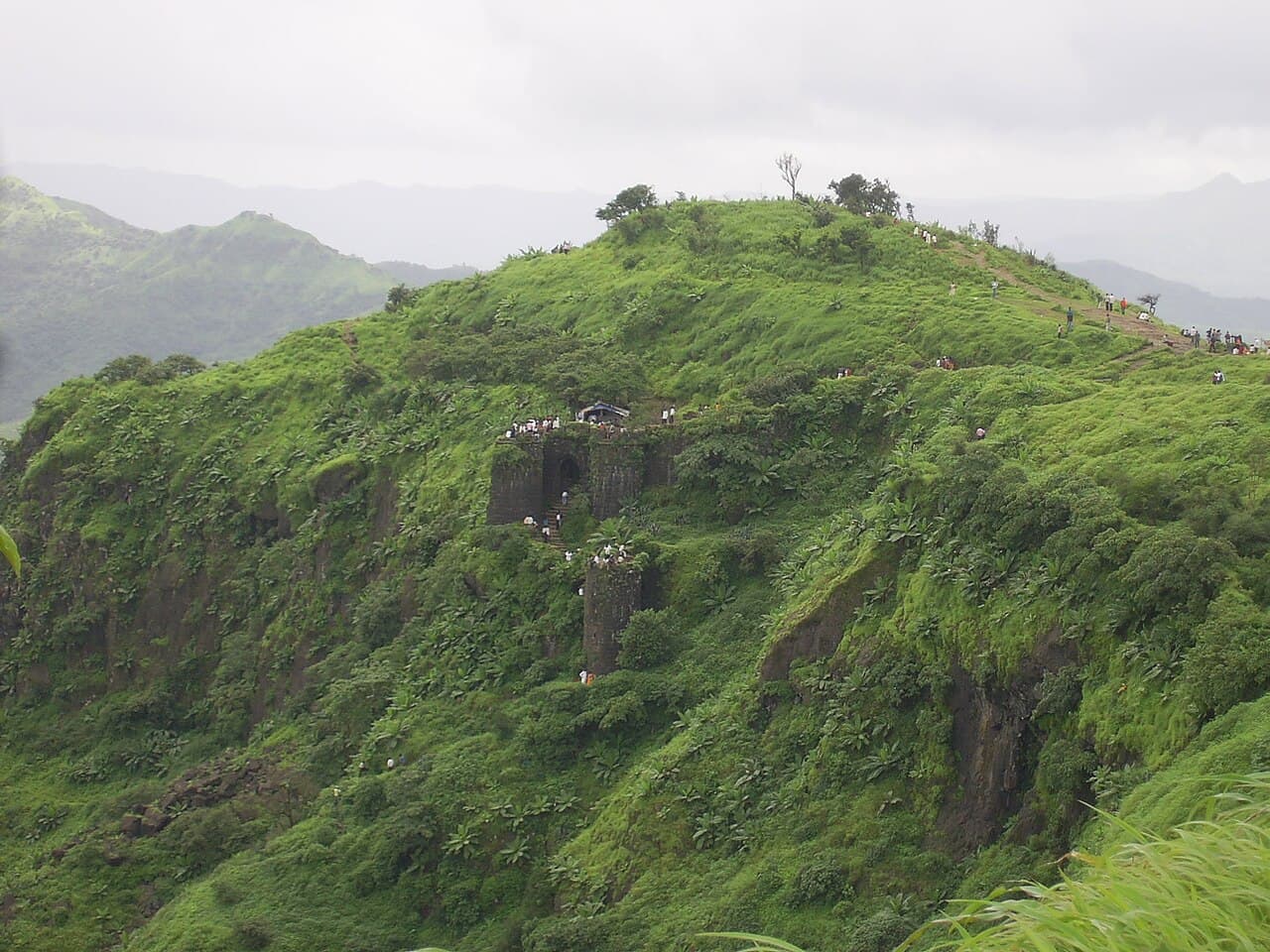
Situated on a steep hill, Sinhagad offers commanding views of the surrounding Western Ghats and the Pune plateau. The fort's elevation and natural rocky terrain made it difficult for enemies to launch successful attacks.
Today, Sinhagad is accessible by a paved road that leads directly to the summit, making it a popular destination for tourists and history enthusiasts. For those seeking a more adventurous approach, a hiking trail from the base offers a 2.7 km trek ascending approximately 600 meters, providing panoramic views and a physical challenge.
Cultural importance and tourism
Sinhagad is not only a historical monument but also a cultural symbol of Maratha valor and resilience. The fort attracts thousands of visitors annually, especially during weekends and public holidays. The trek and the fort's scenic surroundings make it a favored spot for picnics, photography, and outdoor activities.
Local guides offer insights into the fort's history, architecture, and the legendary battle that took place here. The fort's ruins, including remnants of the old palace, temples, and military installations, provide a tangible connection to India's rich medieval past.
Preservation and current condition
Currently, Sinhagad is classified as a well-preserved bastioned fortress, with ongoing efforts by local and state authorities to maintain its structural integrity and promote heritage tourism. Restoration work has focused on stabilizing the walls, conserving water tanks, and improving visitor facilities while preserving the fort's historical authenticity.
Frequently asked questions (FAQ)
- How do I get to Sinhagad Fort?
- Sinhagad Fort is located approximately 30 kilometers from Pune city. You can reach the fort by car, taxi, or public transport. The drive offers scenic views of the Western Ghats, and there are also local buses that operate from Pune to the base of the fort.
- What is the historical significance of Sinhagad Fort?
- Sinhagad Fort has a rich history dating back to the 17th century and is famously known for the battle fought by Tanaji Malusare in 1670. It has witnessed numerous battles and was an important stronghold during the Maratha Empire. The fort stands as a symbol of bravery and valor, attracting history enthusiasts and tourists alike.
- When was Sinhagad Fort built?
- Sinhagad Fort was originally built in the 14th century, but it gained prominence during the Maratha rule in the 17th century. The fort has undergone various renovations and expansions over the years, making it a significant historical landmark in Maharashtra. Its strategic location has made it a crucial military site throughout its history.
- Can I visit Sinhagad Fort year-round?
- Yes, Sinhagad Fort is open to visitors throughout the year. However, the best time to visit is between October and February when the weather is pleasant and ideal for trekking and exploration. Monsoon season can make the trails slippery, so caution is advised during that time.
- Why is Sinhagad Fort famous for its architecture?
- Sinhagad Fort is renowned for its unique architectural style that showcases the military engineering of the Maratha Empire. The fort features impressive stone walls, bastions, and gateways that reflect its strategic importance. The panoramic views from the fort add to its architectural allure, making it a favorite spot for photography.
- Is it possible to trek to Sinhagad Fort?
- Absolutely! Trekking to Sinhagad Fort is a popular activity among visitors and adventure seekers. The trek typically takes around 1 to 2 hours, depending on your pace, and offers breathtaking views of the surrounding landscape.
- What are the opening hours of Sinhagad Fort?
- Sinhagad Fort is open to visitors from 6:00 AM to 6:00 PM daily. These hours allow ample time for exploration, sightseeing, and enjoying the scenic beauty of the area. It is advisable to start early to make the most of your visit.
- Are there any ticket prices for visiting Sinhagad Fort?
- There is no entry fee for visiting Sinhagad Fort, making it an accessible destination for all. However, charges may apply for parking and certain activities. Visitors can enjoy the natural beauty and historic significance of the fort without any financial burden.
- What nearby attractions can I visit after Sinhagad Fort?
- After visiting Sinhagad Fort, you can explore nearby attractions such as the Khadakwasla Dam, which offers serene views and picnic spots. Additionally, the Pune city area has various historical sites, gardens, and museums, making it easy to plan a full day of sightseeing.
Photo gallery

Information
Loading map...
Visitor reviews
No reviews yet. Been here? Write the first review and help other travelers!
Write the first reviewVisited this castle? Share your experience
Your review helps other travelers and adds first-hand knowledge to our encyclopedia.