Raigad Fort
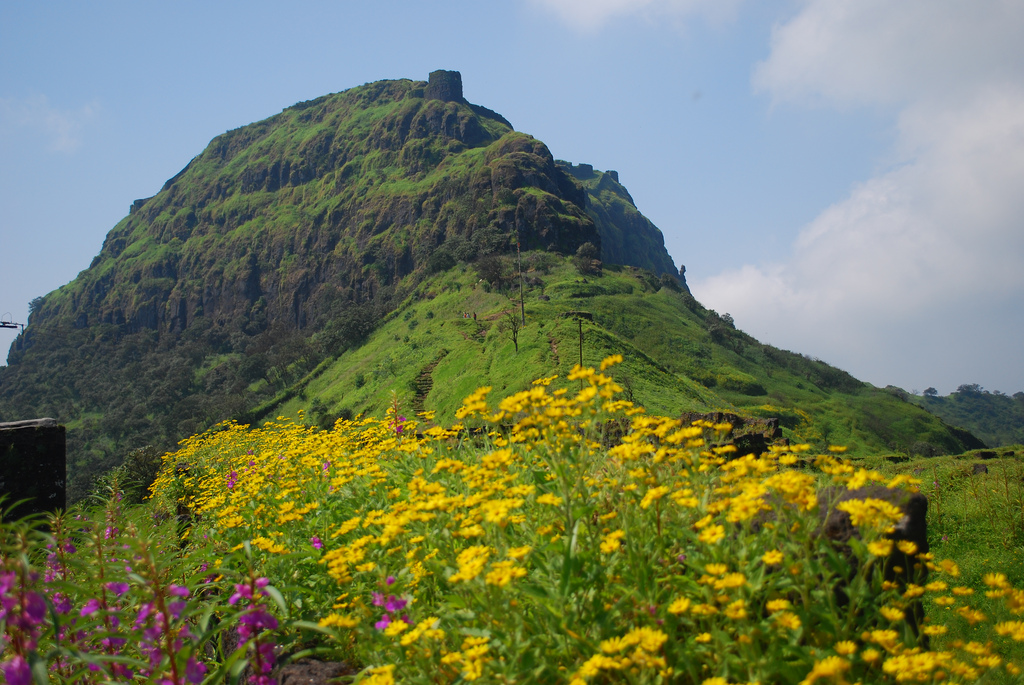
Raigad Fort, located in the Raigad district of Maharashtra, India, is a prominent hill fortress perched on the Sahyadri mountain range. It stands at an elevation of approximately 820 metres (2,700 feet) above sea level, offering commanding views of the surrounding landscape. Historically known as Rairee or Rairy Fort, it is recognized as one of the strongest and largest forts on the Deccan Plateau, covering an expansive area of about 1,200 acres, making it one of the largest forts in Asia.
Historical significance and maratha legacy
The fort holds exceptional historical importance as the capital of the Maratha Empire under the reign of Chhatrapati Shivaji Maharaj, the legendary 17th-century Maratha ruler. In 1674, following his coronation as king, Shivaji Maharaj declared Raigad as the seat of his Hindavi Swaraj, symbolizing Maratha sovereignty and independence from Mughal rule. This decision elevated Raigad to the political and military center of the Maratha kingdom.
Shivaji Maharaj, with the assistance of his chief engineer Hiroji Indulkar, undertook the construction and enhancement of numerous fortifications and buildings within the fort complex. These developments included palaces, granaries, watchtowers, and defensive walls designed to withstand sieges and attacks, reflecting the military ingenuity of the time.
Architectural features and fortifications
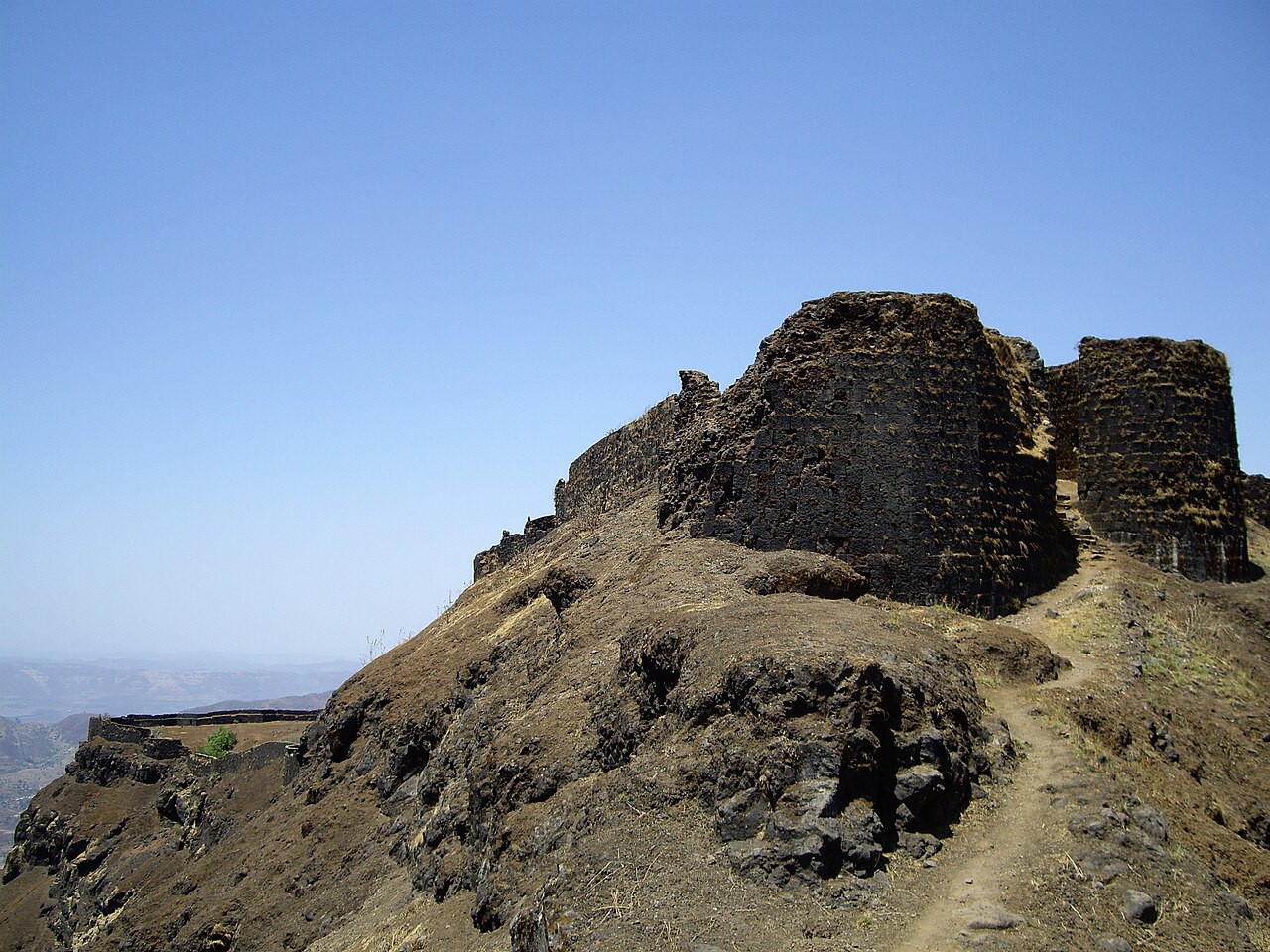
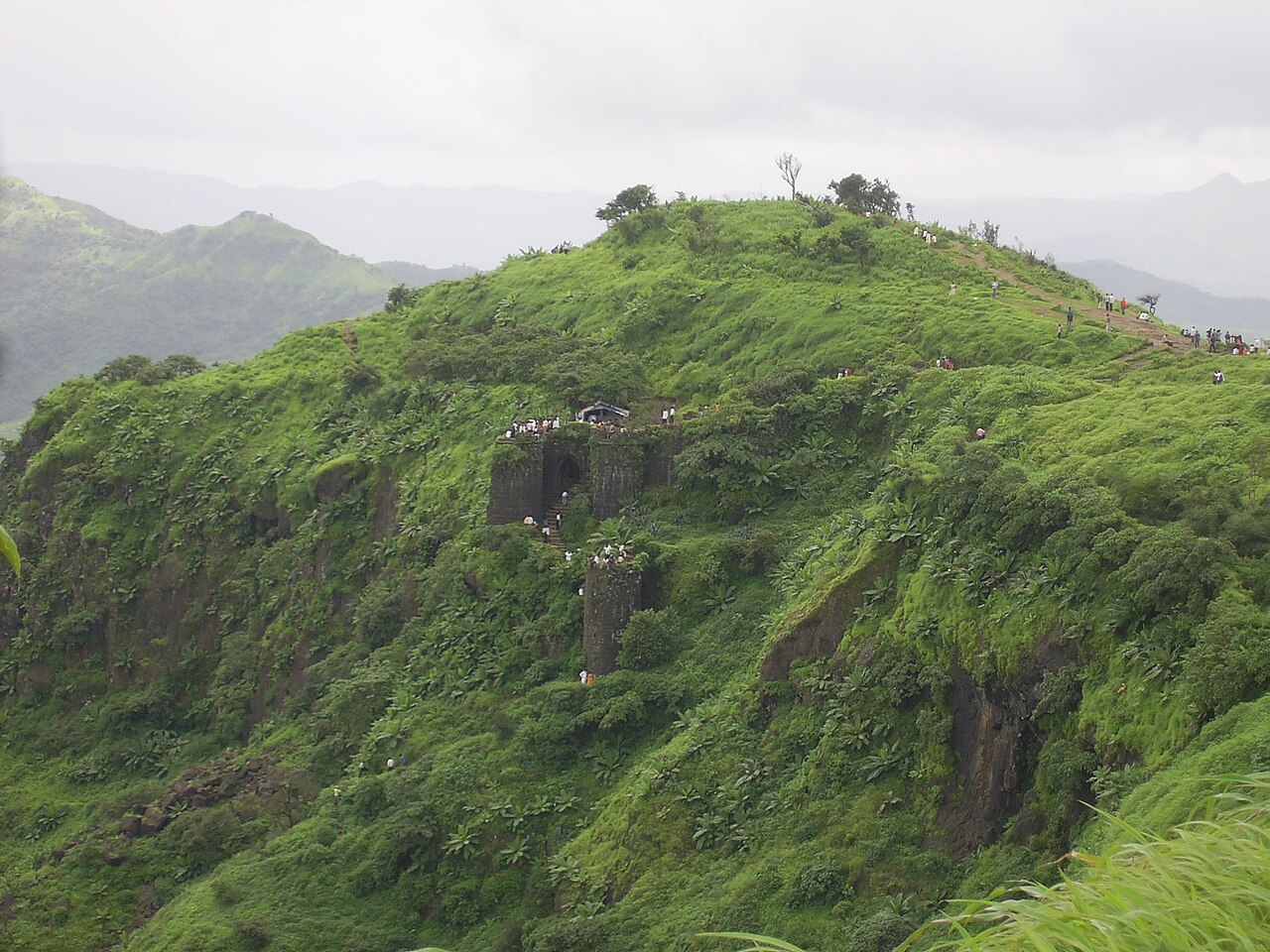
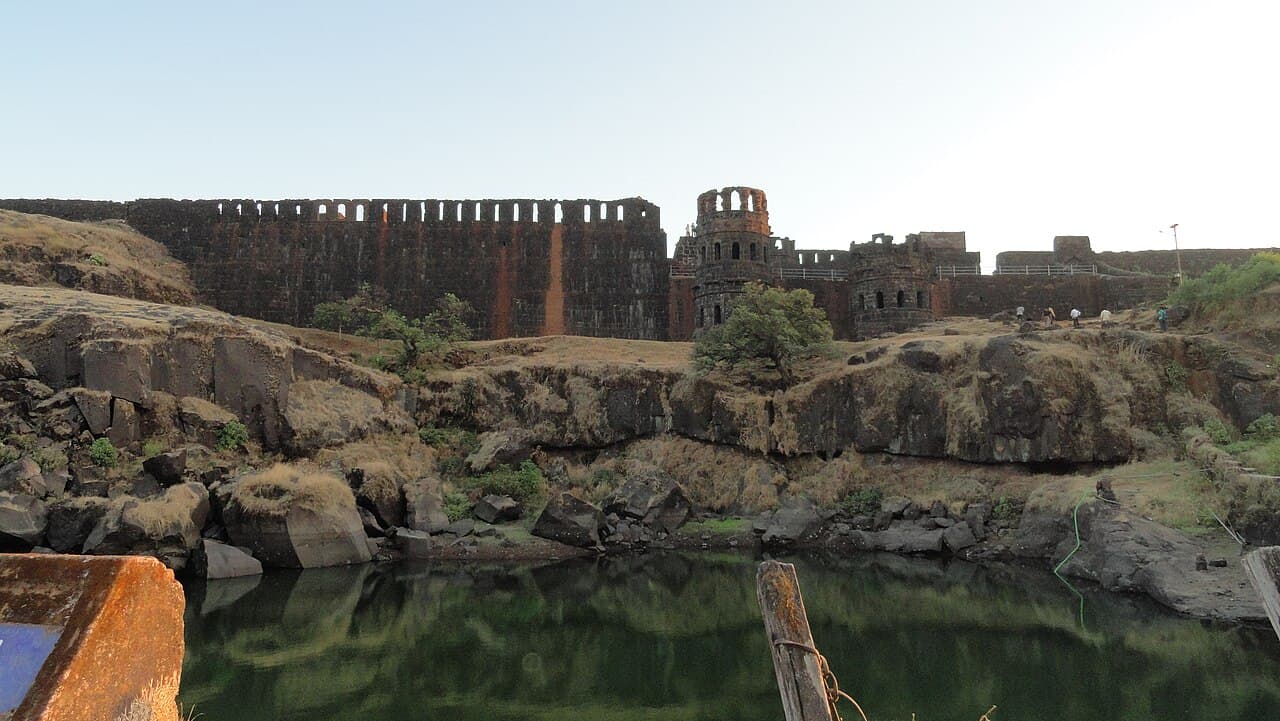
Raigad Fort is classified as a hill castle with extensive fortifications that incorporate natural and man-made defenses. The fort's design takes advantage of the rugged terrain, with steep cliffs and ridges providing natural barriers against invaders. The fortifications include massive bastions, thick stone walls, and strategically placed gates that controlled access to the interior.
The fort complex contains several notable structures, including the main palace of Shivaji Maharaj, the queen's quarters, granaries for food storage, and the Rajmadiraj hall where the king held court. The fort also housed a water reservoir, essential for sustaining its inhabitants during sieges, and a network of secret escape routes.
Access to the fort historically was challenging due to its elevation and natural defenses. The original path involved climbing approximately 1,737 steps carved into the rock face, a demanding ascent that provided a defensive advantage. Today, visitors can also use the Raigad Ropeway, an aerial tramway extending 750 meters (2,460 feet) and reaching a height of 400 meters (1,300 feet), which significantly eases access to the fort.
Life within the fort and population
During its peak, Raigad Fort was home to around 1,550 residents, including soldiers, administrators, artisans, and their families. The average family size was approximately five members. The fort functioned as a self-sustaining community with facilities for governance, military operations, and daily living needs.
The fort's location and design reflect its dual role as both a royal residence and a military stronghold. The presence of palatial structures alongside barracks and armories illustrates the integration of administrative and defensive functions.
Cultural heritage and modern access
Today, Raigad Fort is a significant cultural and historical site attracting tourists, historians, and devotees of Maratha heritage. It is preserved as a monument symbolizing Maratha pride and the legacy of Shivaji Maharaj. The fort's rugged beauty and historical importance make it a popular destination for trekking and cultural tourism.
The fort is accessible via a steep climb or the modern ropeway, which was constructed to facilitate easier access for visitors. The ropeway journey takes approximately four minutes, providing spectacular aerial views of the surrounding hills and forests.
Visitors to Raigad Fort can explore the ruins of the palaces, fortifications, and other structures, gaining insight into 17th-century fort construction and Maratha history. The site is managed to preserve its historical integrity while accommodating tourism.
Geographical setting and strategic importance
Situated in the Sahyadri mountain range, Raigad's elevated position was strategically chosen to oversee and control the surrounding territory. The fort's location allowed for early warning of approaching enemies and provided a defensible position that was difficult to assault.
The natural terrain, combined with the man-made fortifications, made Raigad a formidable bastion during the Maratha period. Its position on the Deccan Plateau also enabled control over important trade routes and regional communications.
Frequently asked questions (FAQ)
- How do I reach Raigad Fort?
- Raigad Fort can be reached by climbing approximately 1,737 steps from the base or by taking the Raigad Ropeway, an aerial tramway that transports visitors in about four minutes.
- What is the historical significance of Raigad Fort?
- Raigad Fort was the capital of the Maratha Empire under Chhatrapati Shivaji Maharaj, who established it as the seat of his Hindavi Swaraj in 1674.
- Is there an entry fee to visit Raigad Fort?
- Entry fees vary by visitor category and season; it is advisable to check the official site or local tourism offices for current ticket prices.
- What architectural features can I see at Raigad Fort?
- Visitors can explore the fort's bastions, stone walls, palaces, granaries, water reservoirs, and gates that showcase 17th-century military architecture.
- When is the best time to visit Raigad Fort?
- The best time to visit Raigad Fort is during the cooler months from October to February, when the weather is pleasant for trekking and sightseeing.
Photo gallery

Information
Loading map...
Visitor reviews
No reviews yet. Been here? Write the first review and help other travelers!
Write the first reviewVisited this castle? Share your experience
Your review helps other travelers and adds first-hand knowledge to our encyclopedia.