Rajgad Fort
Rajgad Fort, meaning "ruling fort," is a prominent hill fort located in the Pune district of Maharashtra, India. Formerly known as Murumbdev, it served as the first capital of the Maratha Empire under the leadership of Chhatrapati Shivaji Maharaj for nearly 26 years during the 17th century. The fort's strategic location and formidable natural defenses made it a vital stronghold in the rise of the Maratha power.
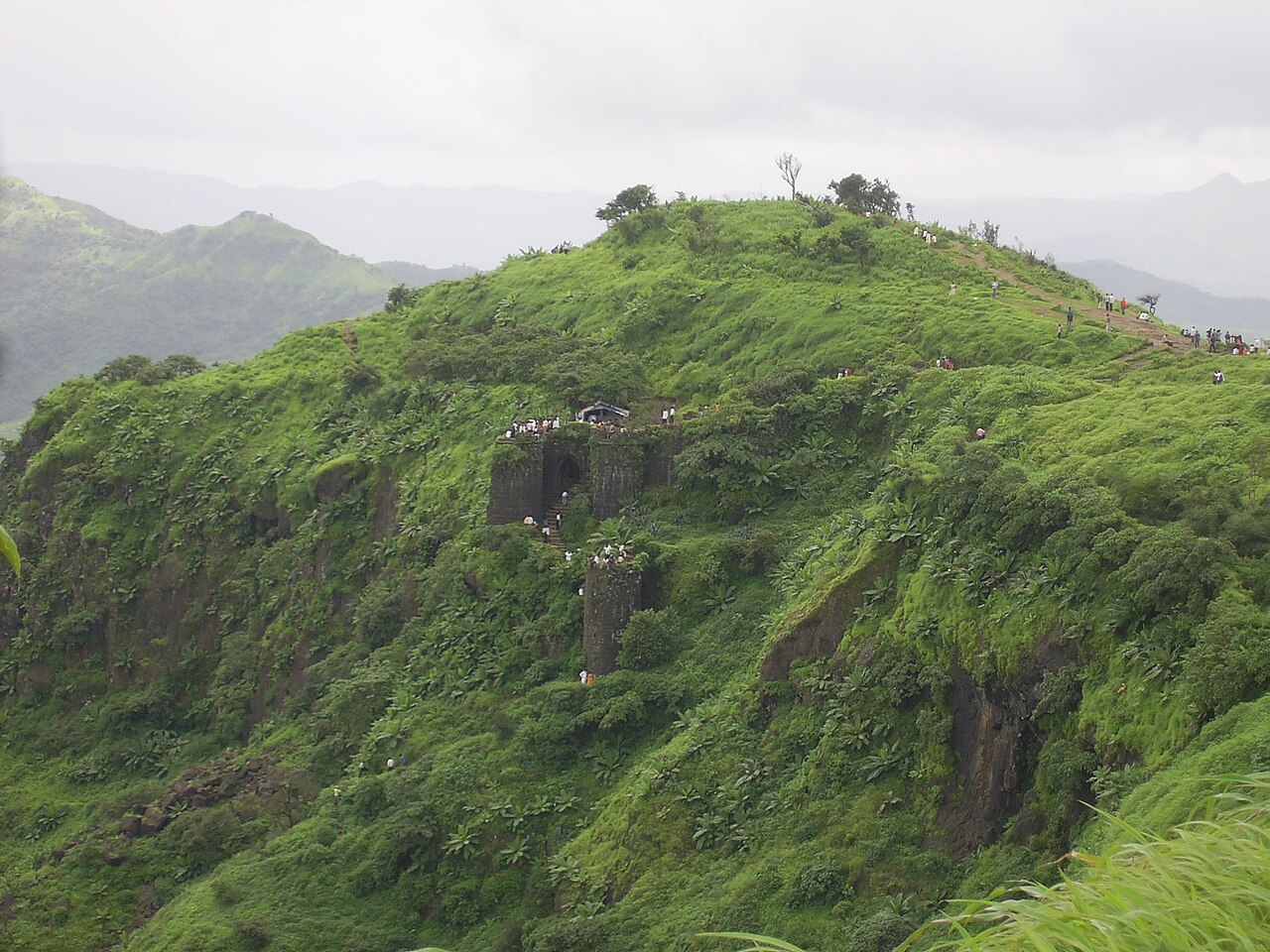
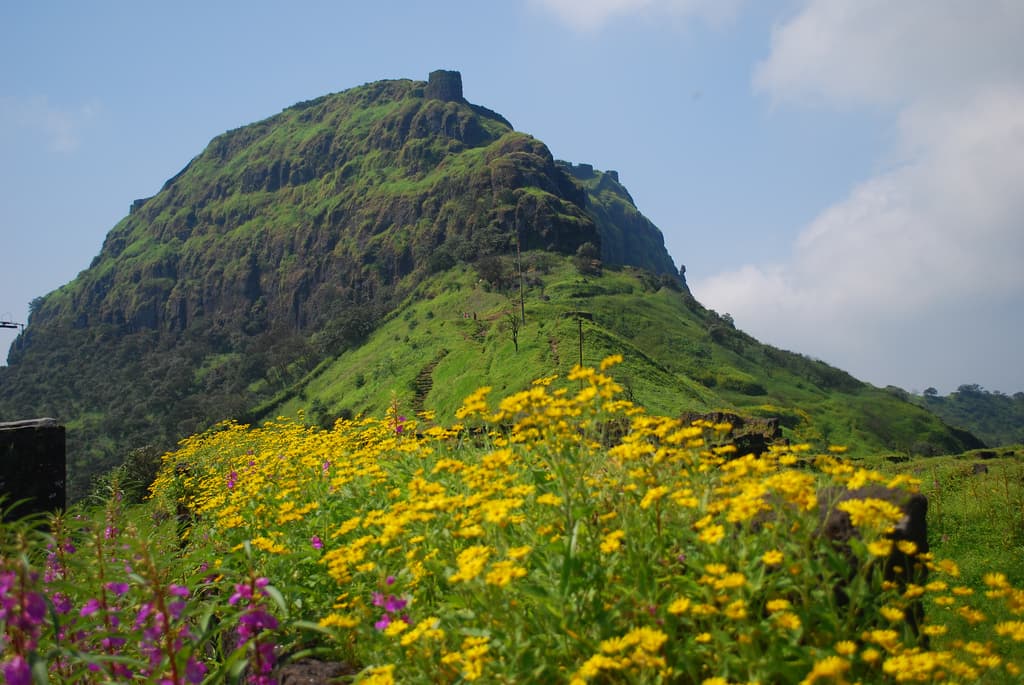
Situated approximately 60 km southwest of Pune and about 15 km west of Nasrapur, Rajgad Fort is perched at an elevation of 1,376 meters (4,514 feet) above sea level in the rugged Sahyadri mountain range. The fort's vast base spans roughly 40 km in diameter, a scale that posed significant challenges to any besieging force, enhancing its defensive capabilities. This extensive area included multiple fortifications, palaces, water cisterns, and caves, which collectively supported the fort's function as a military and administrative center.
Historical significance and role in the Maratha Empire
Rajgad Fort holds a distinguished place in Indian history as the initial seat of the Maratha Empire founded by Shivaji Maharaj. The fort was originally known as Murumbdev before being renamed Rajgad. It was here that Shivaji consolidated his power, orchestrated military campaigns, and established administrative systems that laid the foundation for Maratha sovereignty. The fort served as the royal residence and the center of governance for over two decades until the capital was shifted to Raigad Fort.
The fort's importance is further underscored by its association with several key events in Maratha history, including Shivaji's strategic planning and refuge during conflicts with the Mughal Empire and other regional powers. Rajgad's natural defenses, combined with man-made fortifications, made it a formidable bastion against invasions.
Architectural features and layout
Rajgad Fort exemplifies the traditional hill fort architecture of the Western Ghats region, characterized by rugged terrain and steep escarpments. The fort was built on the hill known as Murumbadevi Dongar, named after the local deity Murumba. Its design leveraged the natural topography to create multiple layers of defense.
Fortifications and defensive structures
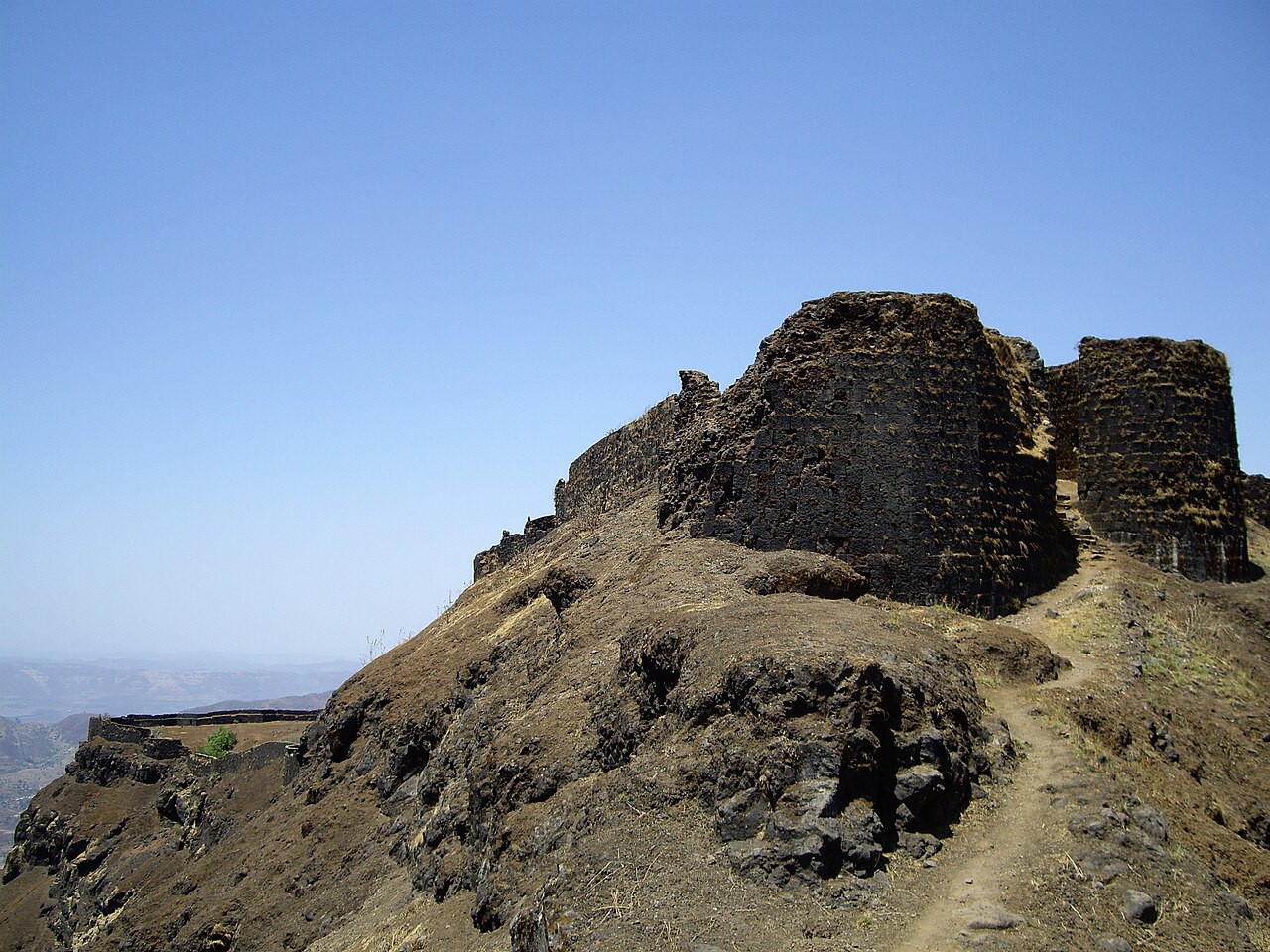
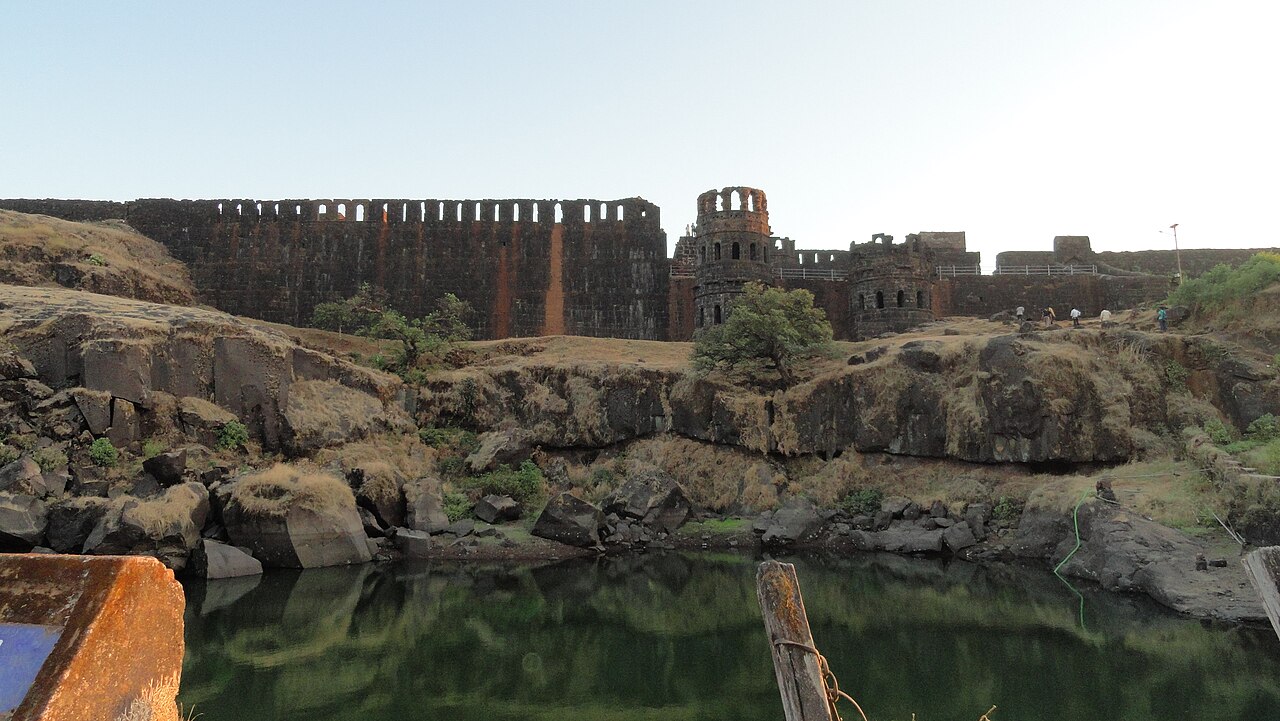
The fort's perimeter was fortified with robust walls and bastions that followed the contours of the hill. Several gates controlled access, including the main gate, which was heavily fortified. The fortifications incorporated battlements and watchtowers that provided vantage points for surveillance and defense. The extensive use of stone masonry ensured durability against both natural erosion and military assaults.
Palaces and residential quarters
Within the fort's boundaries are the ruins of several palaces and residential buildings, which served as living quarters for Shivaji and his court. These structures included halls for administrative meetings and private chambers. The architecture reflected the functional needs of a royal residence combined with defensive considerations.
Water management systems
One of Rajgad's notable features is its sophisticated water management system. Numerous water cisterns and reservoirs were carved into the rock to collect and store rainwater, ensuring a reliable supply during sieges. This system was crucial for sustaining the fort's inhabitants through prolonged periods of isolation.
Strategic importance and military use
Rajgad's location on a hilltop provided commanding views of the surrounding region, allowing early detection of enemy movements. The fort's extensive size and difficult terrain made it challenging for enemies to mount successful sieges. Its natural and constructed defenses enabled it to withstand multiple attacks during the turbulent period of the 17th century.
The fort also functioned as a military base for launching campaigns and as a refuge during emergencies. Its proximity to other forts like Torna, from which treasures were acquired to strengthen Rajgad, highlights its role within a larger network of Maratha fortifications.
Present condition and cultural heritage status
Today, Rajgad Fort stands in a state of ruins, with remnants of its palaces, walls, and water cisterns still visible. Despite its dilapidated condition, the site remains a significant cultural and historical landmark in Maharashtra. It attracts historians, trekkers, and tourists interested in Maratha history and fort architecture.
In 2025, Rajgad Fort was inscribed as a component site of the Maratha Military Landscapes of India on the UNESCO World Heritage List. This recognition underscores its importance as part of India's military and architectural heritage.
Access and tourism
The fort is accessible via trekking routes from nearby towns such as Nasrapur. Visitors can explore the ruins and enjoy panoramic views of the Sahyadri range. The site offers insights into the strategic military architecture of the Maratha period and the life of Shivaji Maharaj.
While the fort is in ruins, efforts to preserve and maintain the site continue, highlighting its value as a historical monument and tourist attraction.
Frequently asked questions (FAQ)
- How do I reach Rajgad Fort from Pune?
- Rajgad Fort is located about 60 km southwest of Pune and can be reached by road to nearby towns like Nasrapur, followed by a trek to the fort entrance.
- What is the historical importance of Rajgad Fort?
- Rajgad Fort was the first capital of the Maratha Empire under Shivaji Maharaj and served as a royal residence and military stronghold for over 25 years.
- Can I explore the ruins of Rajgad Fort?
- Yes, visitors can explore the ruins of palaces, water cisterns, and fortifications, though the site is in a ruined state and requires careful navigation.
- When is the best time to visit Rajgad Fort?
- The best time to visit Rajgad Fort is during the cooler months from October to February when the weather is pleasant for trekking and sightseeing.
- Is there an entry fee to visit Rajgad Fort?
- There is generally no entry fee to visit Rajgad Fort, making it accessible to all visitors interested in history and trekking.
Photo gallery

Photo by Goldengoof•Public domain
Information
Loading map...
Visitor reviews
No reviews yet. Been here? Write the first review and help other travelers!
Write the first reviewVisited this castle? Share your experience
Your review helps other travelers and adds first-hand knowledge to our encyclopedia.